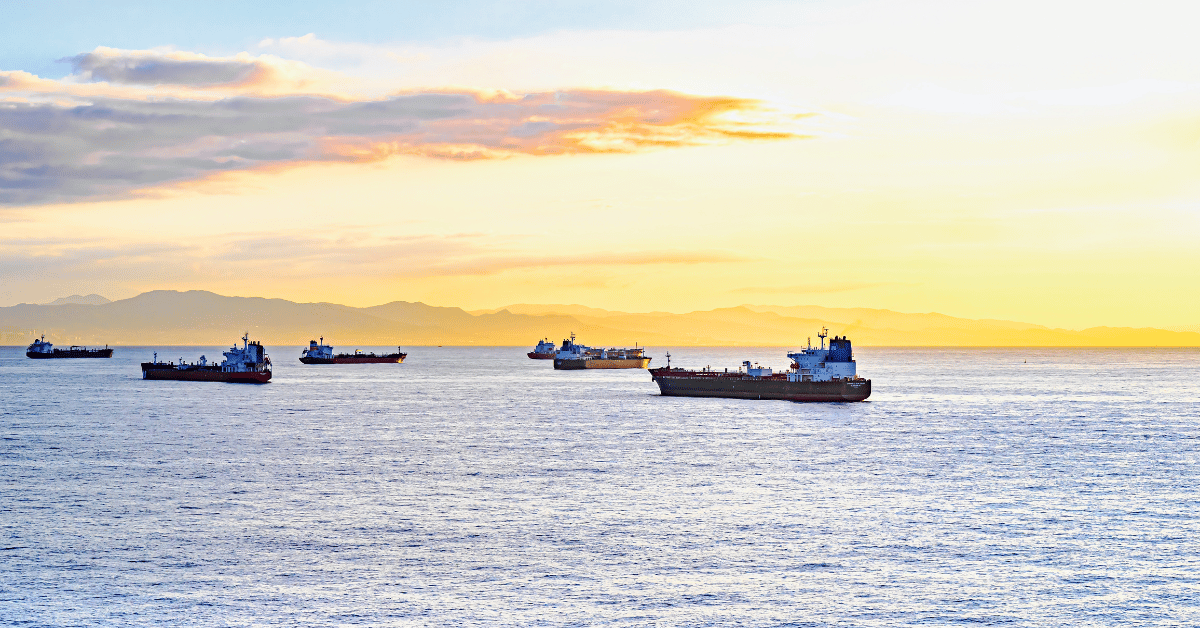
Attacks on commercial vessels in the Black Sea have now injured Indian seafarers, and this is no longer an abstract geopolitical dispute, it is a direct threat to the safety of people who move the world's goods. The Ministry of External Affairs confirmed that four ships were struck within 48 hours, with Indian crew members aboard three of them. We have argued before that maritime safety cannot be treated as a secondary casualty of war, and this week's events prove that point with grim precision.
Consider the sequence: The MV Royad Mammadov took fire; three Indians aboard were rescued, one injured. The Palau-flagged MV Able was hit by a drone; seven of its eighteen crew members were Indian, and Bulgarian authorities helped evacuate them to Varna for medical care. The Togo-flagged Alfa Watan remains a black box, its crew's status is still unknown. The Liberia-flagged Aframax Rio saw all twenty-three crew rescued without serious injury. These are not isolated mishaps. They are a pattern of violence directed at civilian maritime infrastructure. As we noted in our coverage of a tanker fire in the Strait of Hormuz that injured twelve crew members, the risk to seafarers is intensifying across multiple theaters, not just one conflict zone. The Black Sea and the Gulf are now linked by the same dangerous logic: commercial shipping has become a legitimate target.
What the MEA has done is necessary but not sufficient. Calling for an immediate end to attacks and reaffirming that "dialogue and diplomacy are the way forward" is the correct diplomatic posture, but it must be matched by operational follow-through. India is in continuous contact with both Russia and Ukraine on the safety of Black Sea shipping and the protection of grain and energy exports. That is a calibrated, practical response, consistent with the measured maritime truce proposal we previously reported, which focuses on stopping attacks on commercial vessels as a first step toward broader de-escalation. The question is whether this bilateral engagement can produce a verifiable, enforceable corridor. Without a mechanism to confirm compliance, these calls for restraint remain aspirational.
The specific detail to watch is the status of the Alfa Watan's crew. The MEA is still waiting for information. If those twenty-three seafarers are not accounted for soon, the incident shifts from a warning shot to a systemic failure of communication and rescue coordination. That is not an abstraction. It is a test of whether the international system for protecting civilian mariners works when the combatants refuse to recognize their obligations. If we cannot track and secure a single flagged vessel in the Black Sea, then every future attack carries the same risk of unknown casualties. The sea does not negotiate, but the people who sail it deserve better than silence.