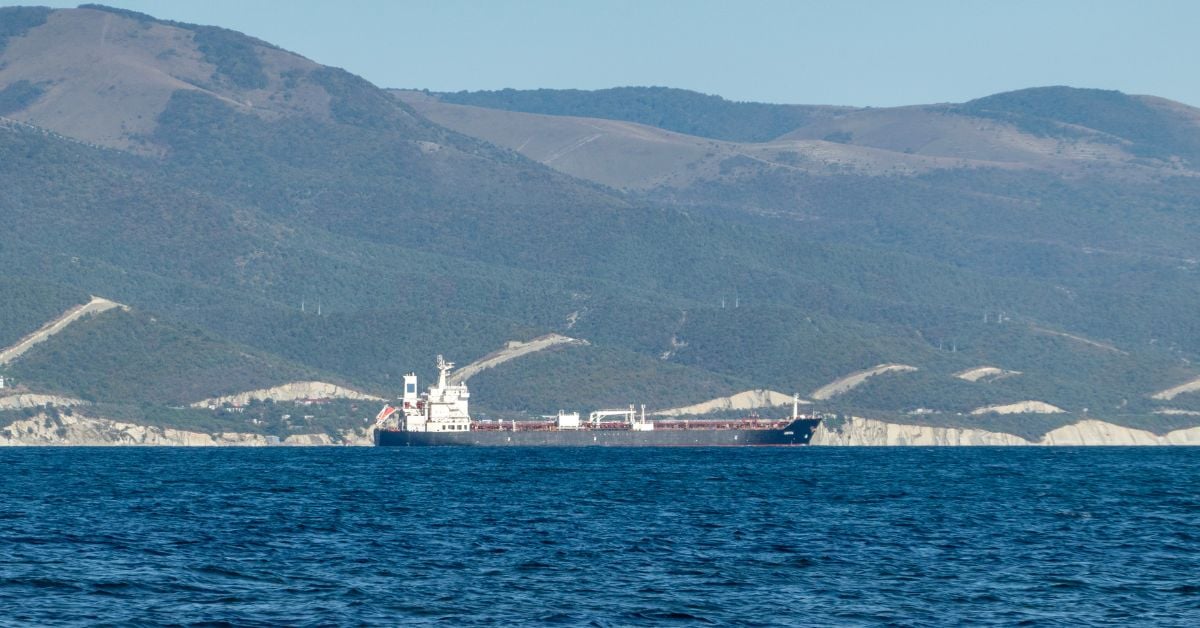
The attack on the Panama-flagged tanker MT GEM No.2 at the Sharjah Anchorage, with 22 Indian crew aboard, is not an isolated incident but a symptom of a systemic failure to protect maritime trade. The Indian government's confirmation that all seafarers are safe is welcome, yet it does little to mask the uncomfortable reality that commercial shipping has become a target in contested waters. The recent surge in attacks across the Gulf and the Black Sea, including the Drone-Struck Abandoned Cargo Ship Drifts Through Black Sea Toward Bulgaria, demonstrates that no vessel, regardless of flag or crew nationality, is beyond reach.
The formation of the 'Group of Friends on Safety and Security of Shipping and Seafarers' (GoF on S4), co-chaired by India and Liberia with 25 countries participating, is a pragmatic step, but it must move beyond diplomatic statements. The first meeting in New York produced necessary condemnation, yet the operational reality remains unchanged: delays at ports, disrupted trade, and heightened risk for seafarers. This is where the conversation must shift from rhetoric to calibrated action. As our coverage of Black Sea stability is a measurable climate and food security indicator notes, these disruptions have direct consequences for global food supplies and economic stability. The GoF on S4 must therefore prioritize concrete mechanisms, such as shared intelligence on threat vectors, coordinated naval patrols, and standardized reporting protocols, rather than relying on reactive measures after each incident.
The attack in Sharjah also underscores a troubling pattern of escalation that extends beyond the Middle East. The Escalation at Sea: Vessel Intercepted During Medevac in Contested Waters illustrates how even humanitarian operations are being drawn into geopolitical friction. For India, which depends heavily on sea routes for energy and trade, the safety of its seafarers is not just a humanitarian concern but a strategic one. The government's active monitoring is reassuring, but the real test lies in whether the GoF on S4 can translate its 25-member consensus into a binding framework that holds aggressors accountable.
The practical takeaway for our readers is this: the safety of seafarers is a measurable indicator of maritime governance, and it is failing. The drone strike on MT GEM No.2 is a data point in a larger pattern, one that demands empirical tracking of incident frequency, response times, and the effectiveness of diplomatic interventions. Without such metrics, the GoF on S4 risks becoming another forum for declarations rather than a driver of change. The specific detail to watch is whether the group's next meeting produces a concrete action plan, such as a joint naval escort protocol or a real-time incident reporting system, or merely another communiqué. If it is the latter, the next drone strike will not be a question of if, but when.