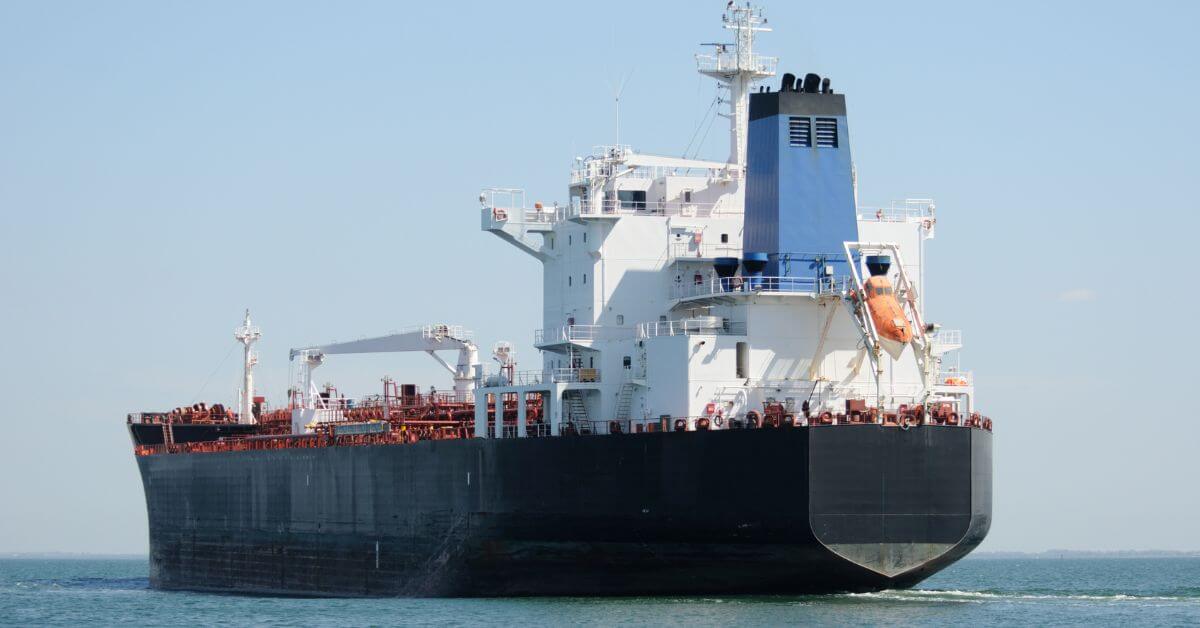
A hacked propulsion system on a 333-metre oil tanker carrying 2.3 million barrels of crude toward the Texas coast is not a hypothetical threat, it is a validated incident from this summer, and it demands a recalibration of how we think about maritime safety. The breach aboard the Liberian-flagged VL Prosperity, which the FBI and Coast Guard investigated after the vessel lost communications and showed signs of network compromise, represents exactly the kind of integrated risk that emerges when operational technology meets digital connectivity. The attackers remain unidentified, and investigators are still determining how long they had access and what they could control. That uncertainty is itself the most concerning finding.
For our readers, researchers, policymakers, and maritime professionals, this event connects directly to broader patterns we have been tracking. The same month the VL Prosperity was boarded off Galveston, we reported on an autonomous surface vessel joining a carrier strike group for the first time in U.S. naval history. That milestone demonstrates how rapidly the industry is adopting connected, remote-capable systems. It also underscores that every advance in integration creates a new surface for intrusion. Separately, our coverage of a Black Sea oil tanker fire this year highlighted how a single vessel incident, whether from fire, collision, or now cyber compromise, can cascade into environmental and economic consequences that cross borders. The VL Prosperity case adds a third dimension: a malicious actor does not need to cause an explosion to create danger. Gaining partial control of propulsion on a loaded tanker in a narrow shipping channel is enough.
Svante Einarsson, head of cybersecurity at ship technical advisory firm DNV, described losing functions on a large vessel carrying hazardous material as a "worst case scenario." He also noted that most ships retain backup systems that allow crews to maintain operations. That is a measurable reassurance, but it is not a complete one. The investigation found that the compromised system was linked to the tanker's propulsion. We do not yet know whether the hackers could have altered speed, direction, or both, or whether they merely had a view into the system without command authority. The Coast Guard's subsequent request for advance notice before nearly 20 vessels with known cyber threats entered U.S. ports suggests that officials are treating this as a systemic concern, not a one-off anomaly.
The concrete takeaway is this: the maritime industry must move from treating cybersecurity as an IT compliance checkbox to treating it as a core operational safety requirement, on par with hull integrity or fire suppression. Every integrated data ecosystem that improves navigation efficiency or fuel management also introduces a vector that can be exploited. The VL Prosperity is still anchored off Galveston. The investigation is ongoing. The question that remains open, and the one our readers should watch, is whether the attackers were probing for future access or had already achieved the level of control they needed to cause harm. The answer will determine whether this summer's incident is remembered as a warning or a rehearsal.