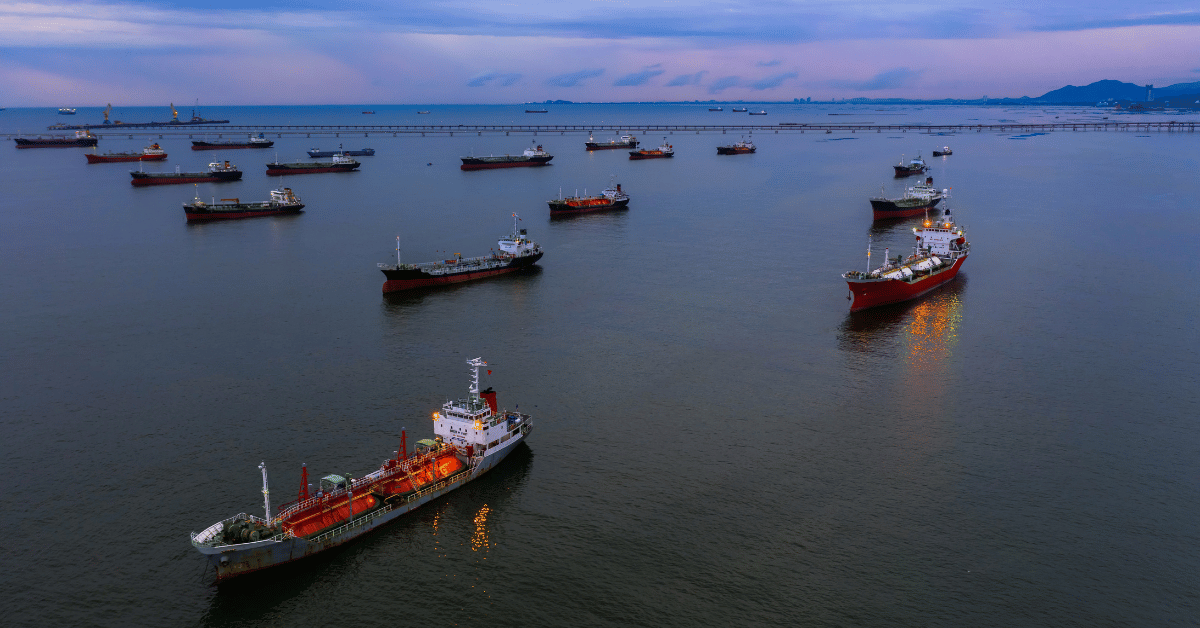
The Strait of Hormuz is not closed. Verified, real-time data from US Central Command confirms that roughly 20 million barrels of oil are transiting the waterway as we write this, directly contradicting Iranian claims of a shutdown. For our readers, researchers tracking energy flows, policymakers assessing maritime risk, and analysts parsing the fog of war, this gap between rhetoric and empirical reality is not a minor detail. It is the central fact that should govern every subsequent calculation.
The Iranian claim, relayed through an adviser to the IRGC commander and amplified by Fars News, asserted that routes Iran considers "illegal" would be shut down. CENTCOM's response was precise and measurable: the US and regional partners control the waterways, and commercial and energy traffic is moving unimpeded. This is not a matter of competing narratives; it is a matter of calibrated observation against unvalidated assertion. Meanwhile, Iran's Foreign Ministry has proposed a diplomatic track, coordinating safe-route coordinates with Oman and seeking international arbitration, while simultaneously, according to the timeline of events, having its seven-day plan to reopen the strait rejected by the US at the UN General Assembly. This pattern of mixed signals complicates efforts to stabilize a region where Black Sea Maritime Attacks Injure Two Indian Seafarers, Urge Immediate Action have already shown how quickly maritime threats escalate when verification lags behind accusation.
What does this mean in practical terms? First, the markets are reacting to a contested reality. Oil prices are volatile not because the strait is blocked, but because the possibility of a blockade, or of a wider campaign against Iranian infrastructure, remains a live variable. President Trump's language is instructive here: he described the strait as belonging to the US Navy, framed naval measures as a "wall of steel," and offered two paths to ending the war, "the nice way or the not-so-nice way." The Pentagon has been told to prepare; CENTCOM has been told to get ready. No date has been set, but the operational posture is shifting from reaction to potential pre-positioning. Second, the diplomatic track appears fractured. Iran's own foreign minister acknowledged that the US rejected its reopening plan, yet the regime continues to signal openness to dialogue through Omani mediators. That contradiction is worth watching closely, especially given that Injured crew evacuated after fire erupts aboard tanker in Strait of Hormuz has already demonstrated the human cost when diplomatic channels fail to keep pace with military operations.
Our take is straightforward: trust the data, not the declarations. The empirical evidence, 20 million barrels in transit, confirmed by CENTCOM, tells us that the strait is functionally open today. But the conditions for its continued operation are fragile. The war that began on 28 February with US and Israeli strikes on Iran and the strait has unsettled energy markets and become a political liability for all parties involved. The specific detail to watch is the timing of any Pentagon readiness order. If that order comes with a date attached, the window for the "nice way" closes, and the measured truce proposed by India in other maritime theaters, a model that prioritizes stopping attacks on commercial shipping, becomes a missed opportunity rather than a template for de-escalation.