vessel
113 stories filed under vessel on World Data Ocean. The newest of them: “Delayed reports confirm five IRGC vessel incidents in the Strait of Hormuz”, “Vessel Struck by Unknown Projectile in Strait of Hormuz, Fire Reported”, and “Cargo Ship Fire Prompts Evacuation Near Mykonos; Incident Under Investigation”. Five separate incidents involving IRGC vessels in the Strait of Hormuz were only confirmed after delayed reports reached the UKMTO on October 5, three of them dating back to October 3-4. A vessel struck by an "unknown projectile" in the Strait of Hormuz on Monday evening has ignited a fire onboard, marking another dangerous incident in one of the world's most critical maritime chokepoints. A Global Hub for Ocean Intelligence 4 World Data Ocean is a centralized digital platform where researchers, scientists, and ocean enthusiasts converge to… The list below is every vessel story on World Data Ocean, newest first.
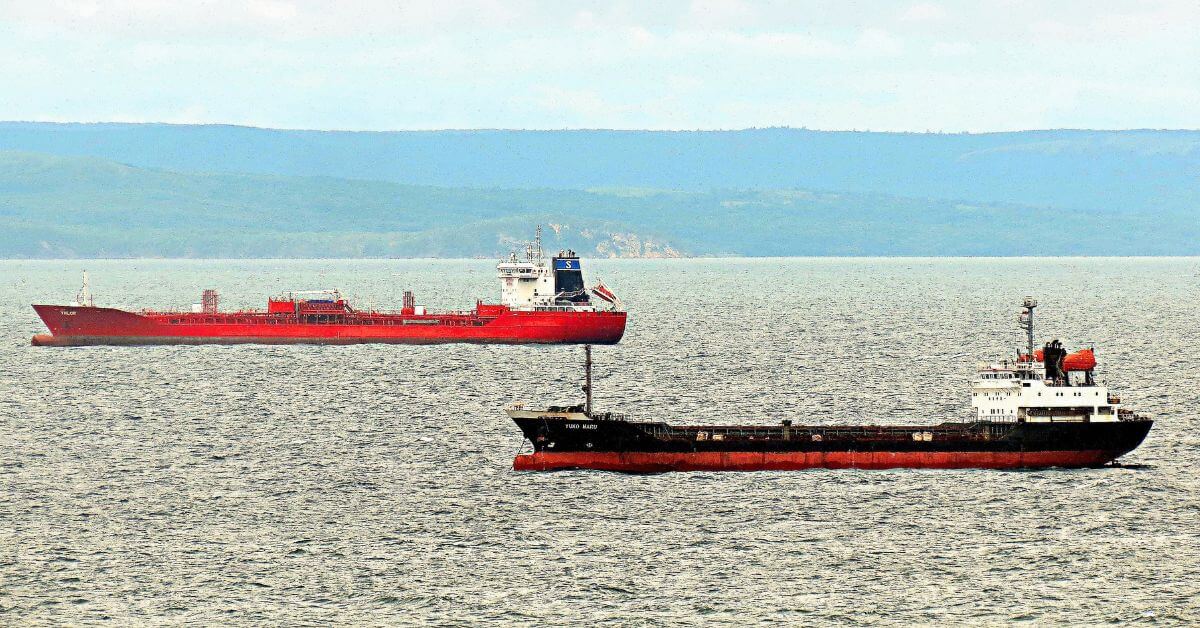
Delayed reports confirm five IRGC vessel incidents in the Strait of Hormuz
Five separate incidents involving IRGC vessels in the Strait of Hormuz were only confirmed after delayed reports reached the UKMTO on October 5, three of them dating back to October 3-4. This lag in reporting raises questions about transparency in one of the world's most critical maritime chokepoints. For broader context on regional maritime shifts, see our coverage of the calibrated movement of 2 million barrels of crude beyond the Strait. Understanding these patterns is essential.
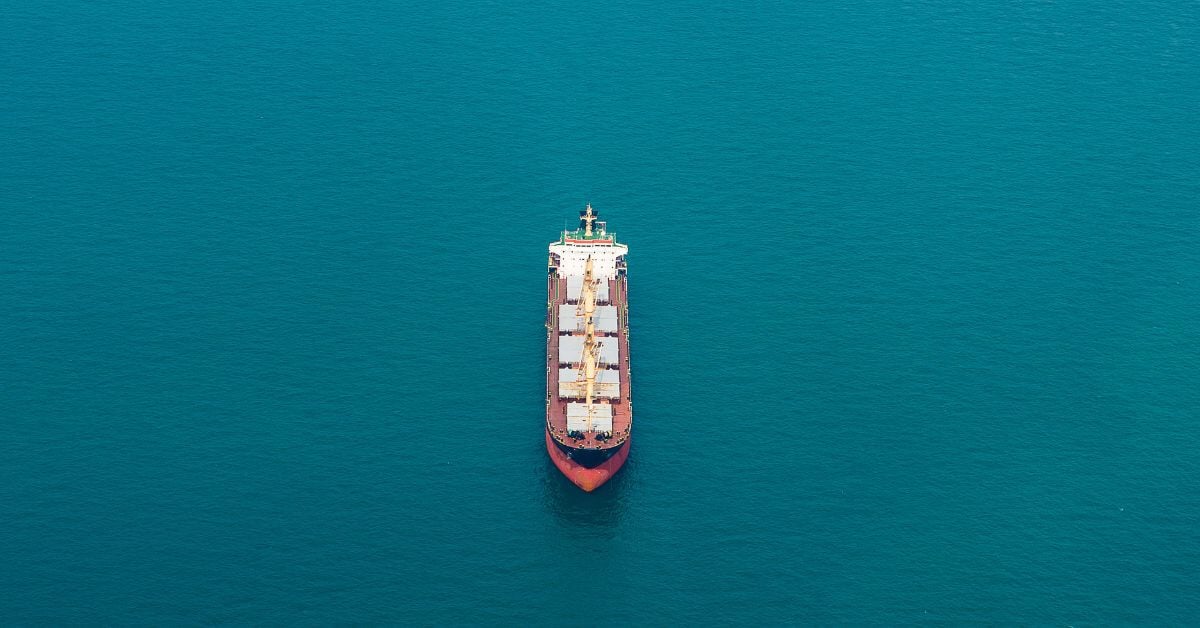
Vessel Struck by Unknown Projectile in Strait of Hormuz, Fire Reported
A vessel struck by an "unknown projectile" in the Strait of Hormuz on Monday evening has ignited a fire onboard, marking another dangerous incident in one of the world's most critical maritime chokepoints. We cannot afford to treat these attacks as isolated events. As we saw in the tragic *June Aster* ferry fire, where 77 lives were lost, the ocean demands rigorous safety protocols and transparent accountability.
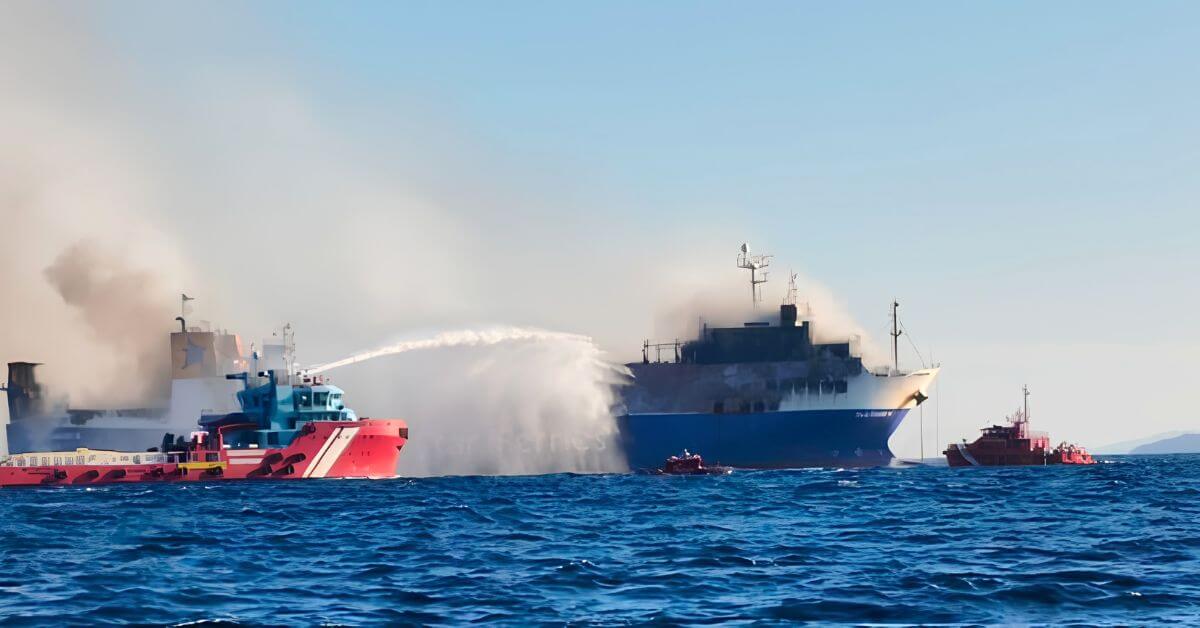
Cargo Ship Fire Prompts Evacuation Near Mykonos; Incident Under Investigation
A fire aboard a Greek-flagged cargo ship north of Mykonos on September 25 forced all 29 crew members to evacuate, a stark reminder that maritime emergencies remain an ever-present test of preparedness. The incident, now under investigation, underscores how quickly operational stability can shift to crisis. For those tracking such risks, the recent *Fatal Attack on Cargo Ship Highlights Black Sea Shipping Risks* offers a sobering parallel.
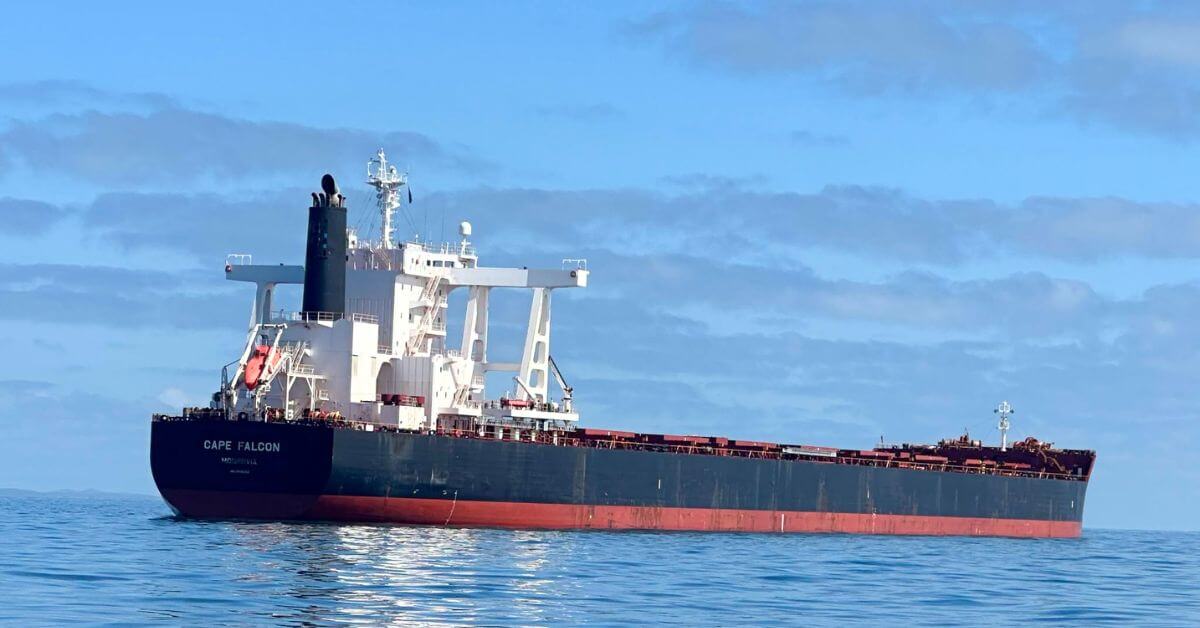
Bulk Carrier Freed After Prolonged Grounding Near Gladstone, Australia
Six days on the sandbar near Gladstone is a stark reminder of how unforgiving the Queensland coast can be, and the successful refloat of this bulk carrier speaks to the skill of the response teams involved. A prolonged grounding disrupts schedules and tests operational limits, but the vessel is now free, which is the outcome that matters most.
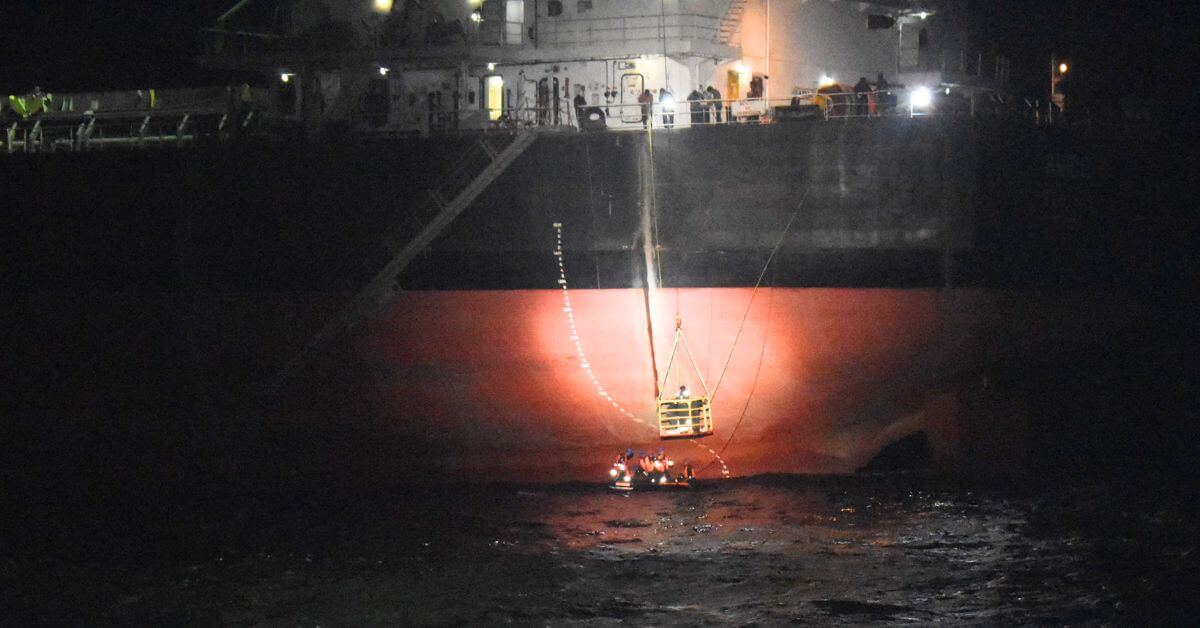
Ocean Data Enables Swift Rescue of Injured Seafarer Near Andamans
A fall on board a vessel near the Andaman Islands led to a swift rescue operation, with the Coast Guard responding to a crew member suffering severe head and spinal injuries. The incident underscores how real-time maritime data and integrated response systems turn critical moments into coordinated action. Ocean intelligence does not just track currents; it enables protection where it matters most. For more on maritime emergencies, see our coverage of the cargo ship fire near Mykonos.
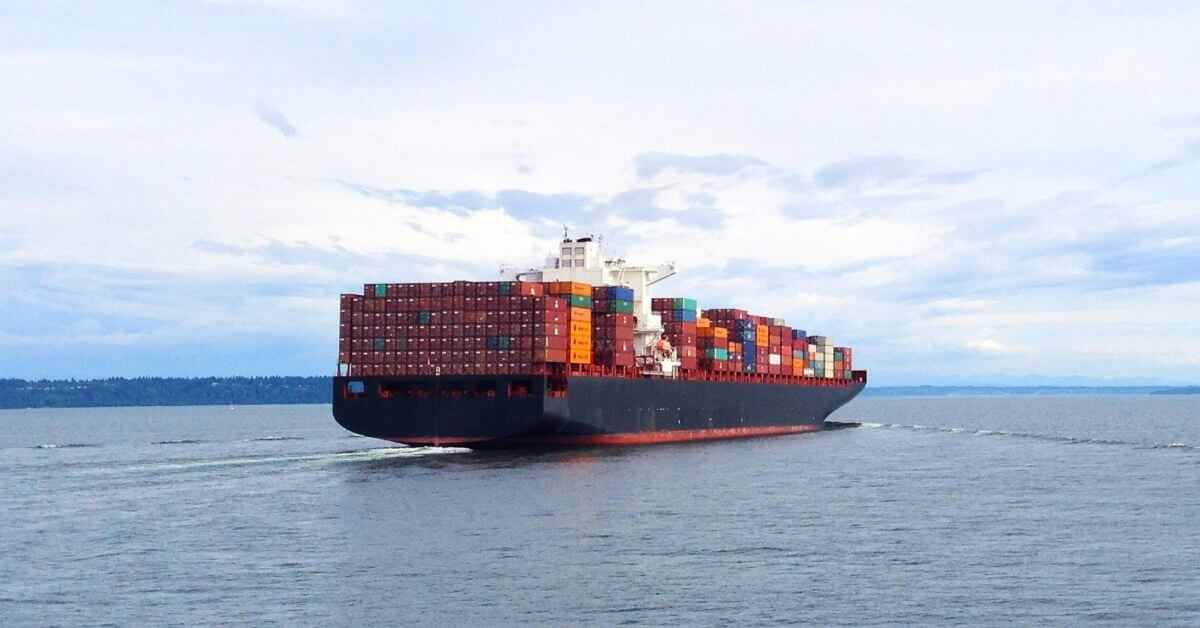
Integrated Response Saves 25 Seafarers After Container Ship Distress
Twenty-five seafarers are safe today after the Liberia-registered container ship MSC Hermes III issued a distress alert and triggered an integrated response. The rescue speaks to what measured coordination can achieve when every minute carries weight. These are the outcomes that matter most, measured in lives returned safely to shore. For deeper context on similar maritime emergencies, our coverage of the bulk carrier grounding near Gladstone offers a parallel look at response challenges. The ocean demands precision; this operation delivered it.
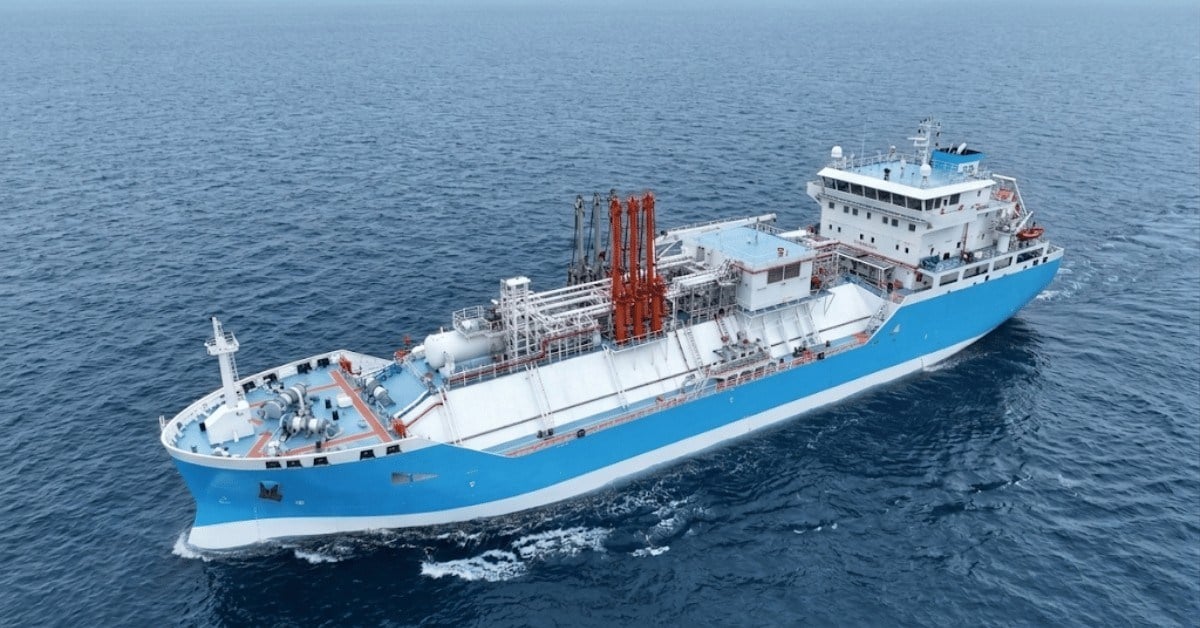
Ammonia Bunkering Vessel Design Receives Approval, Advancing Sustainable Maritime Fuels
HD Hyundai's shipbuilding arms have secured ABS approval in principle for an ammonia bunkering vessel design, a concrete step toward commercialising a fuel critical to maritime decarbonisation. The classification validates the integrated approach behind the design, moving ammonia from theoretical promise toward operational reality. This is how ocean intelligence translates into practical infrastructure. For broader context on the sector's risks, our report on the fatal attack near Oman underscores the security dimension shaping today's shipping routes.
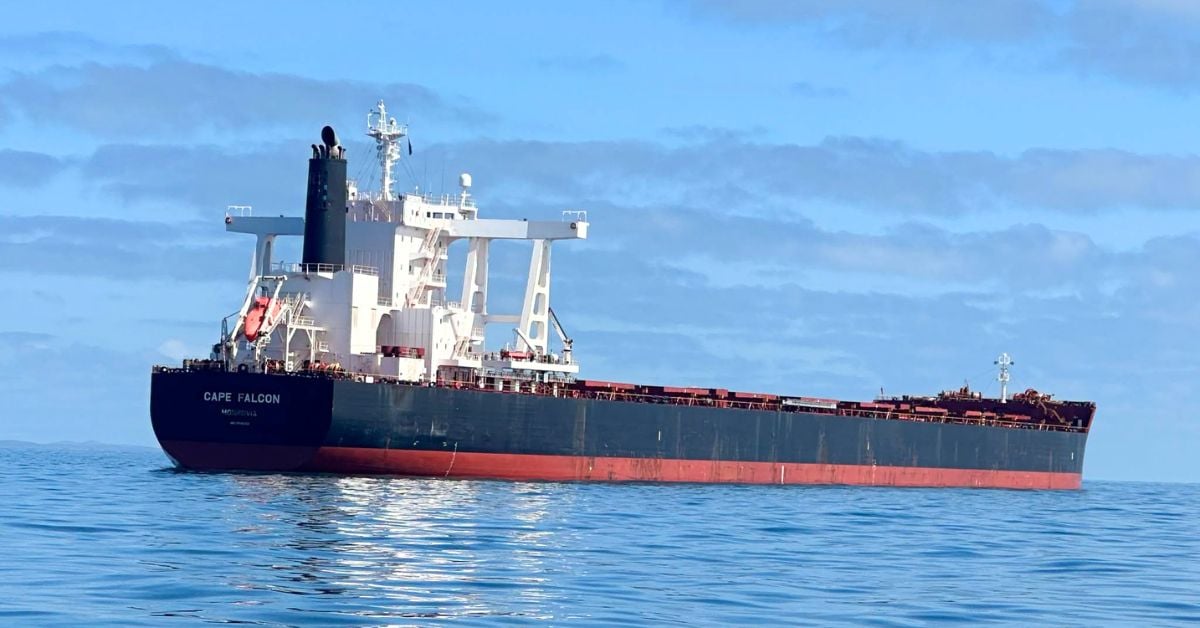
Refloating Efforts Unsuccessful; Bulk Carrier Remains Grounded Near Gladstone
The Cape Falcon remains firmly aground near Gladstone, with two refloat attempts failing to move the Liberian-flagged bulk carrier. The setback underscores how unforgiving coastal conditions can be, even for modern vessels. Patience and precision will be required before the ship returns to open water. For broader context on how such incidents unfold, our related coverage of prolonged groundings, including "Bulk Carrier Freed After Prolonged Grounding Near Gladstone, Australia," offers useful perspective.
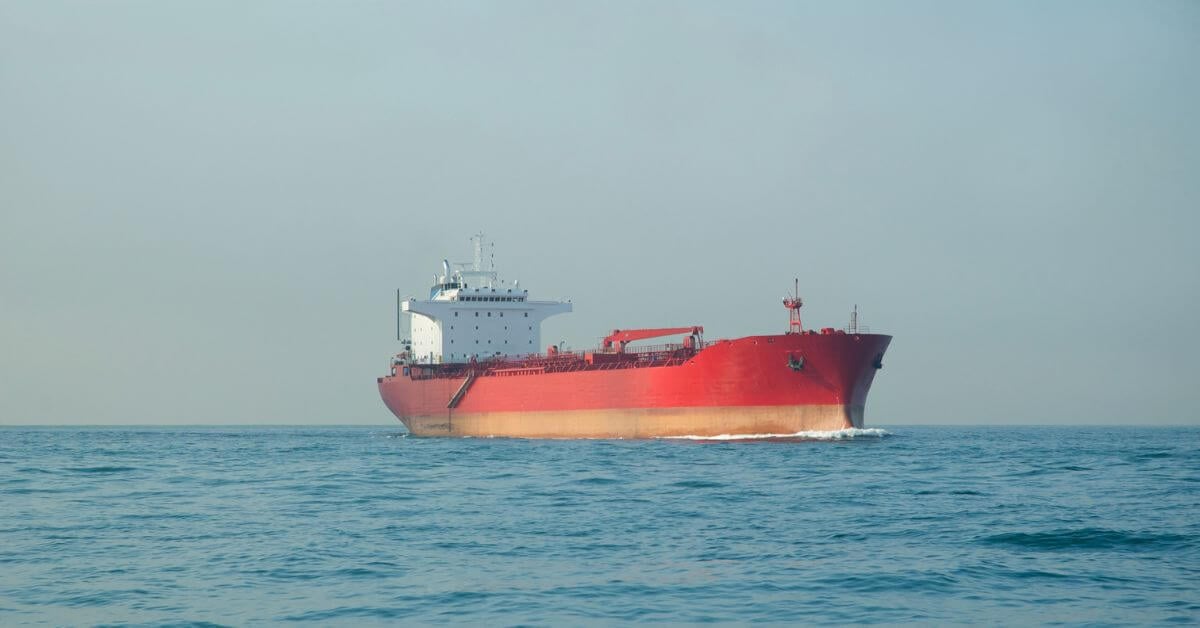
Drone Strike Impacts LPG Tanker Near Strait of Hormuz.
A Liberia-flagged LPG tanker carrying nine Indian seafarers was struck by a drone while sailing eastbound outside the Strait of Hormuz. The incident underscores how vulnerable commercial shipping remains in a waterway that carries a third of the world's liquefied gas. Precision matters here: every attack raises the cost of transit, and the ripple effects are measurable. For context on the region's mounting pressure, our related coverage in "Phased Negotiations Aim to Ease Restrictions on Strait of Hormuz" outlines the diplomatic stakes.
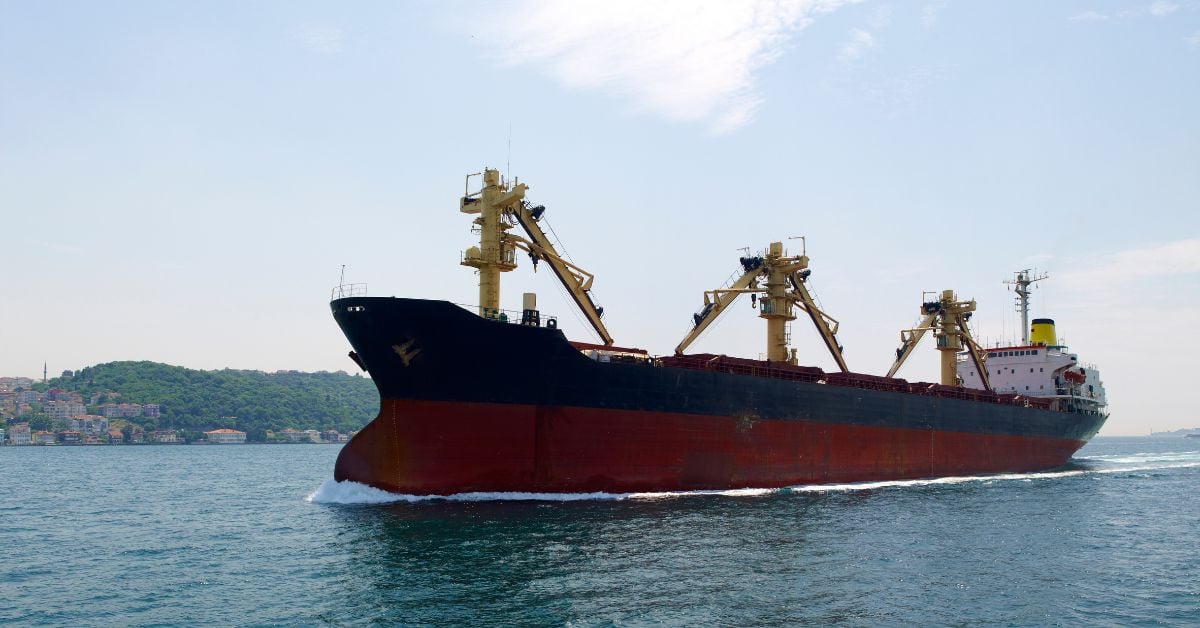
Somali Navy Rescues Crew After Cargo Ship Runs Aground
Water entered part of a cargo ship off Somalia's coast, and the Somali Navy moved in to rescue the crew. The Ministry of Ports and Maritime Transport confirmed on September 17 that it was monitoring the vessel. This is what effective maritime response looks like: swift, coordinated, and grounded in operational reality. Every incident like this sharpens our understanding of risk at sea. For broader context on regional shipping dangers, our report on the fatal attack in the Black Sea offers a sobering comparison.
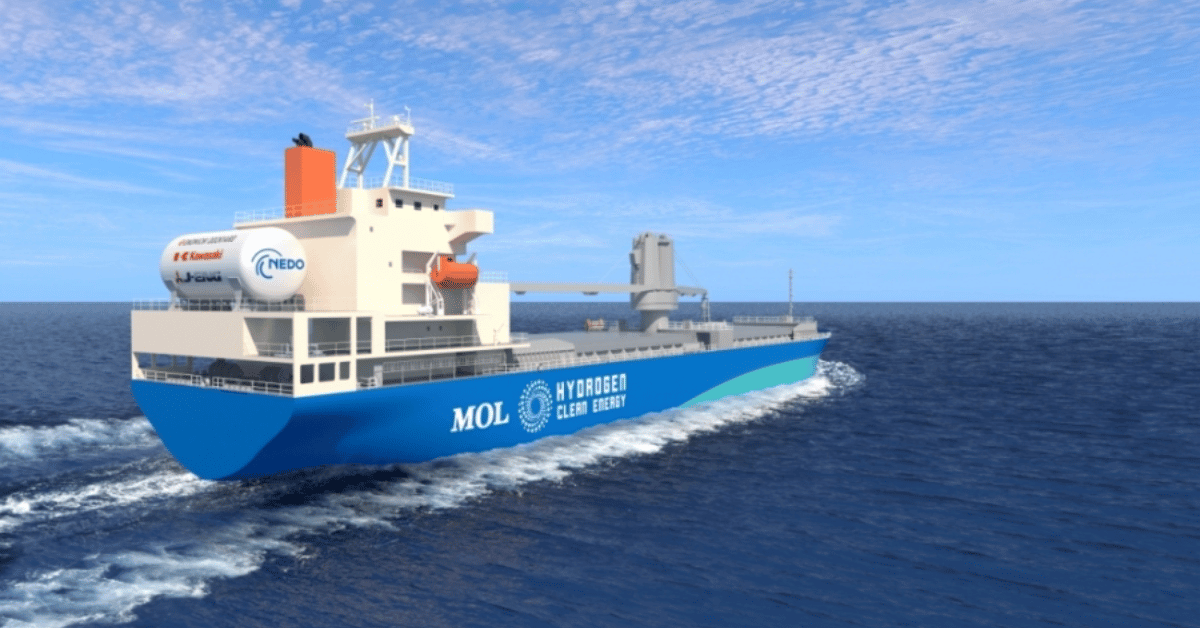
Hydrogen Engine Marks Major Step Toward Decarbonizing Ocean Shipping
Japan Engine has completed the world's first hydrogen-fuelled engine for large commercial vessels, achieving over 95% GHG reductions during factory testing. This is the kind of measurable progress that moves ocean shipping closer to real decarbonization. The technology is validated, and the implications are direct. For more on how marine environments are drawing attention, our piece on the unidentified structure in Port Phillip Bay offers a different kind of maritime intrigue.
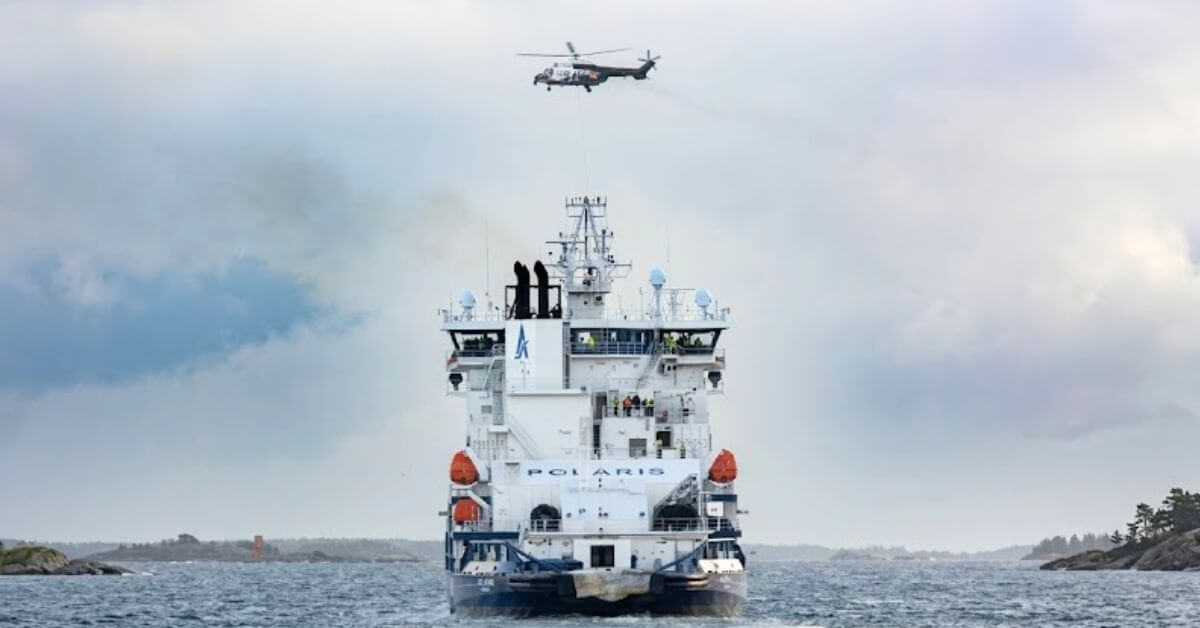
Protecting Baltic Cables: Finland Enhances Response to Underwater Infrastructure Threats
Finland's response to suspected underwater infrastructure damage is tightening, and rightly so. The incidents involving Baltic cables have pushed officials to sharpen their procedures for assessing vessels that may pose a threat. This is measured, practical progress. Protecting the data routes that carry nearly all transoceanic traffic is not optional. For readers tracking related risks, our coverage of the bulk carrier grounding near Gladstone offers another reminder of how vulnerable maritime chokepoints remain.
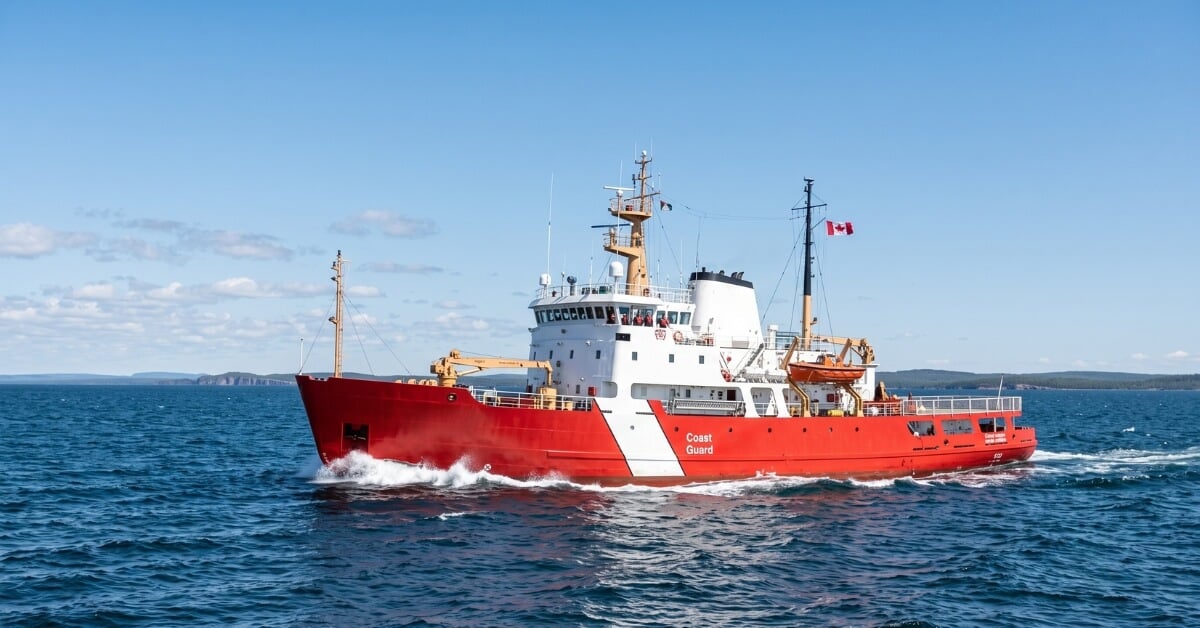
New Vessel Honors Legacy, Bolsters Great Lakes Data Collection
The *Judy LaMarsh* joins the Great Lakes fleet as a working testament to progress, not just a tribute. Named for one of Canada's first female federal Cabinet ministers, this vessel carries a legacy of breaking barriers into the practical realm of data collection. Understanding drives protection; here, that means stronger, more consistent monitoring of freshwater systems. It is a measured step, but a meaningful one.
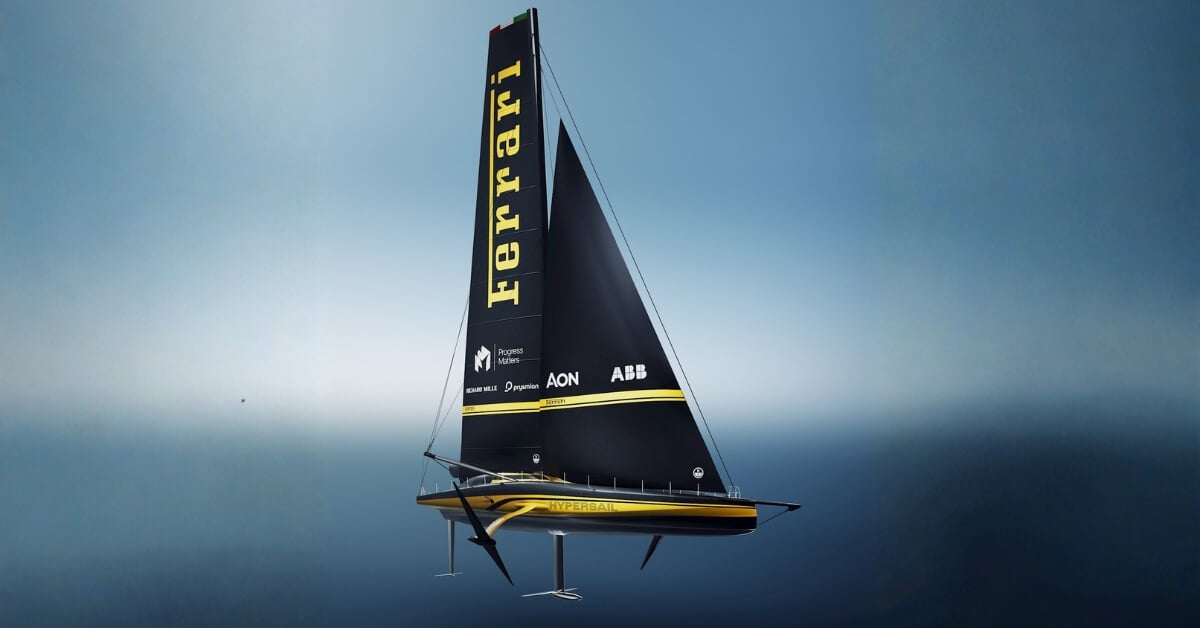
Electrification and Innovation Redefine Ocean Sailing with Hypersail Yacht
ABB's electrification expertise now powers Ferrari Hypersail's bold pursuit of offshore records, pairing validated marine technology with the drive to redefine what sailing can achieve. This partnership signals a measured step forward, where performance and sustainability share the same keel. We see it as a practical response to a pressing need: cleaner propulsion without compromise.
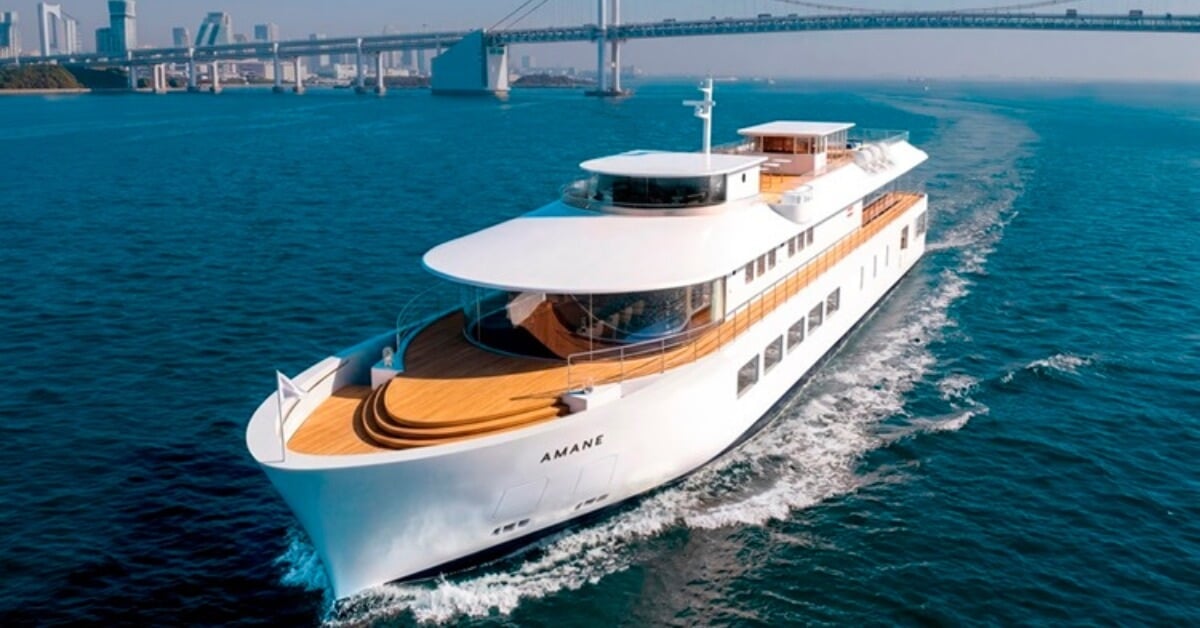
Hydrogen Powers New Era for Ocean Cruising in Japan
Japan's maritime sector is charting a cleaner course. NYK held a naming and launch ceremony for its new cruise ship, *Amane*, at Maehata Shipbuilding in Sasebo City, marking a tangible step toward hydrogen-powered ocean travel. The vessel signals a practical commitment to decarbonization, not a distant aspiration. It is a measured, engineering-led move that aligns with broader efforts to secure healthier seas.
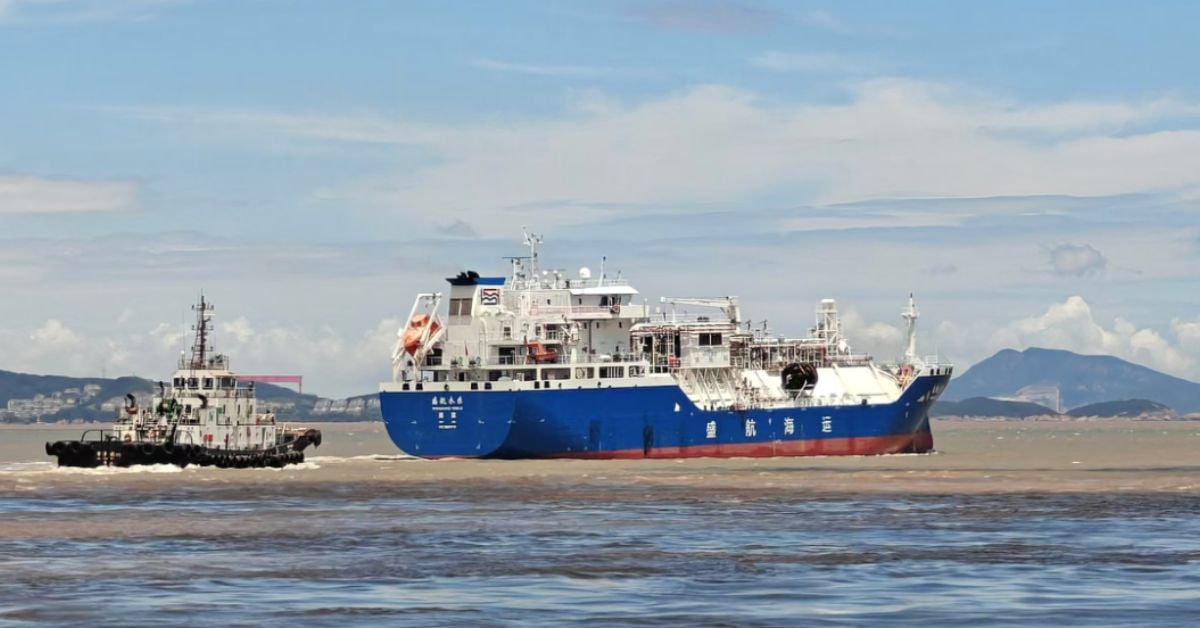
Ammonia Bunkering Vessel Launches, Advancing Sustainable Maritime Fuel Transition
The conversion of the FKAB Marine Design L21 carrier *Shenghang Yongle* into an ammonia bunkering vessel marks a measured step forward for sustainable maritime fuel. This is not spectacle; it is calibrated infrastructure taking shape. Ship-to-ship liquid ammonia refueling requires precision, and this launch delivers that capability. The industry needs practical pathways, not promises. We see this as a signal that the transition is being built, not just discussed.
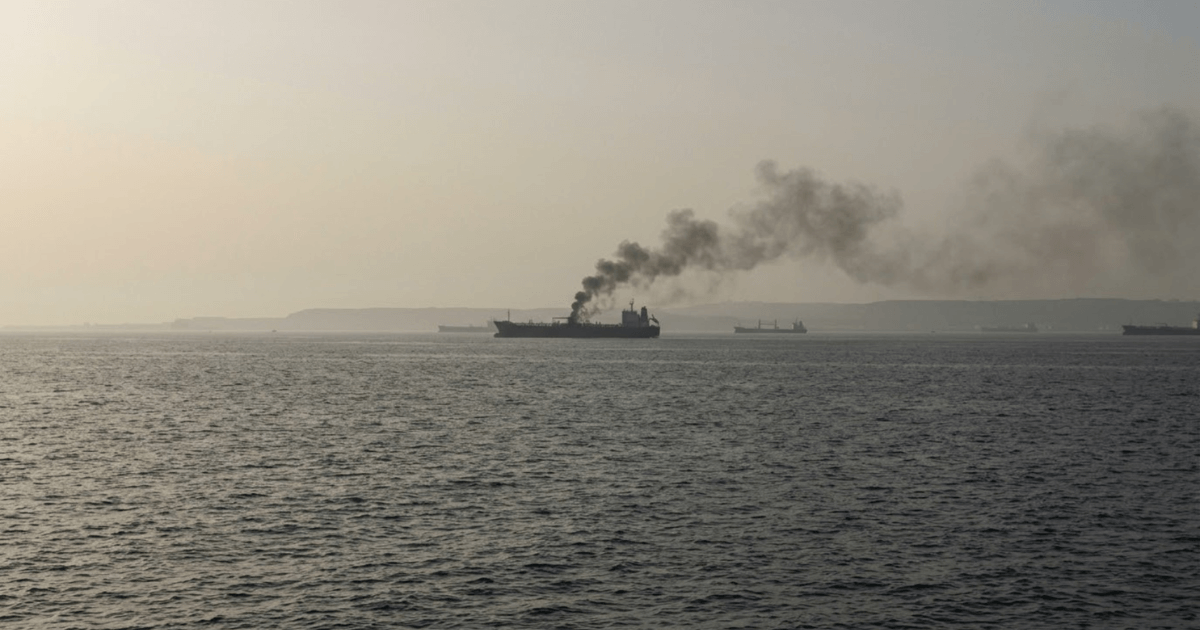
Shipping Incident Near Hormuz Raises Regional Tensions, Claims One Life.
A commercial vessel was struck off Qeshm Island in the Strait of Hormuz, killing one crew member. Iran now prepares to brief regional powers on shipping control. This incident raises tensions along a waterway already strained by capacity, our related coverage on Gulf of Oman STS Transfers Max Out Amid Rising Saudi Oil Exports underscores the logistical pressure. Measurable maritime data matters here: safety and security are empirical conditions, not abstractions. Understanding drives protection.
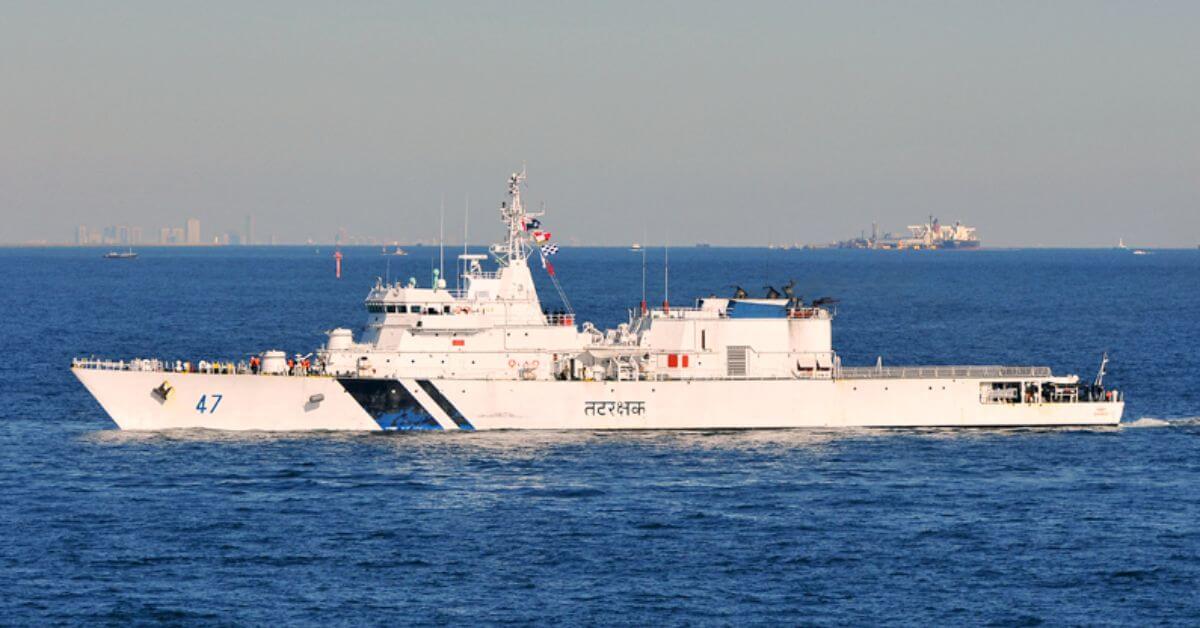
Coast Guard Intercepts Suspected Oil Smuggling Vessel Near Mumbai.
At 2:10 p.m. on September 10, the Coast Guard acted on intelligence of unauthorized activity near an offshore oil rig off Mumbai, intercepting a suspected oil smuggling vessel. This interdiction underscores the persistent challenge of maritime crime and the need for constant vigilance. Protecting ocean resources requires more than data; it demands decisive, real-world enforcement. For broader context on maritime security operations, see our coverage of "Maritime Interdictions Yield 25,000 Pounds of Cocaine, Supporting Ocean Security."

Wind-Assisted LNG Carrier Sets Sail for Enhanced Efficiency.
A wind-assisted LNG carrier is set to deliver under a long-term charter to Chevron by September 2026, marking a practical step toward measurable fuel efficiency. This is not a theoretical exercise, it is an integrated, real-world application of technology that reduces emissions while maintaining operational reliability. Such innovations matter. For deeper context on maritime risks, see our coverage of the drone strike impacting an LPG tanker near the Strait of Hormuz.
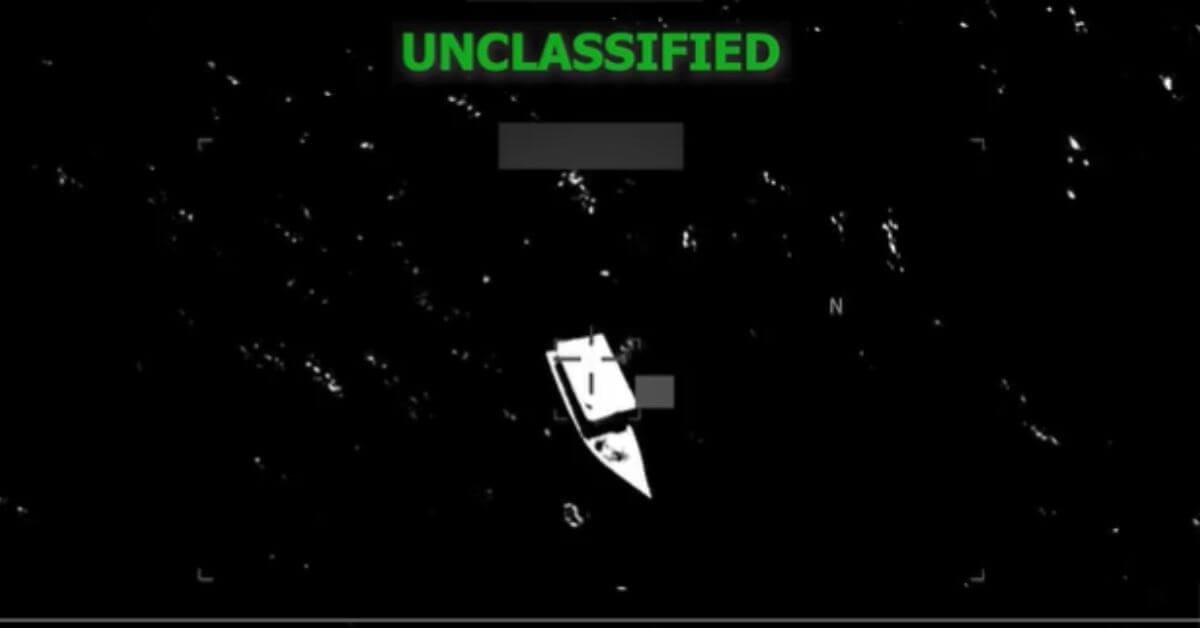
Military Action Targets Caribbean Drug Trafficking, Data Validates Campaign Impact
The 69th acknowledged strike in a yearlong military campaign against Caribbean drug trafficking vessels now has validated, measurable data behind it. This is not abstract policy, it is empirical evidence that targeted action disrupts illegal networks at sea. When military operations yield quantifiable results, ocean security strengthens. For deeper context on maritime interdiction efforts, see our related coverage of "Maritime Interdictions Yield 25,000 Pounds of Cocaine, Supporting Ocean Security." Understanding drives protection.
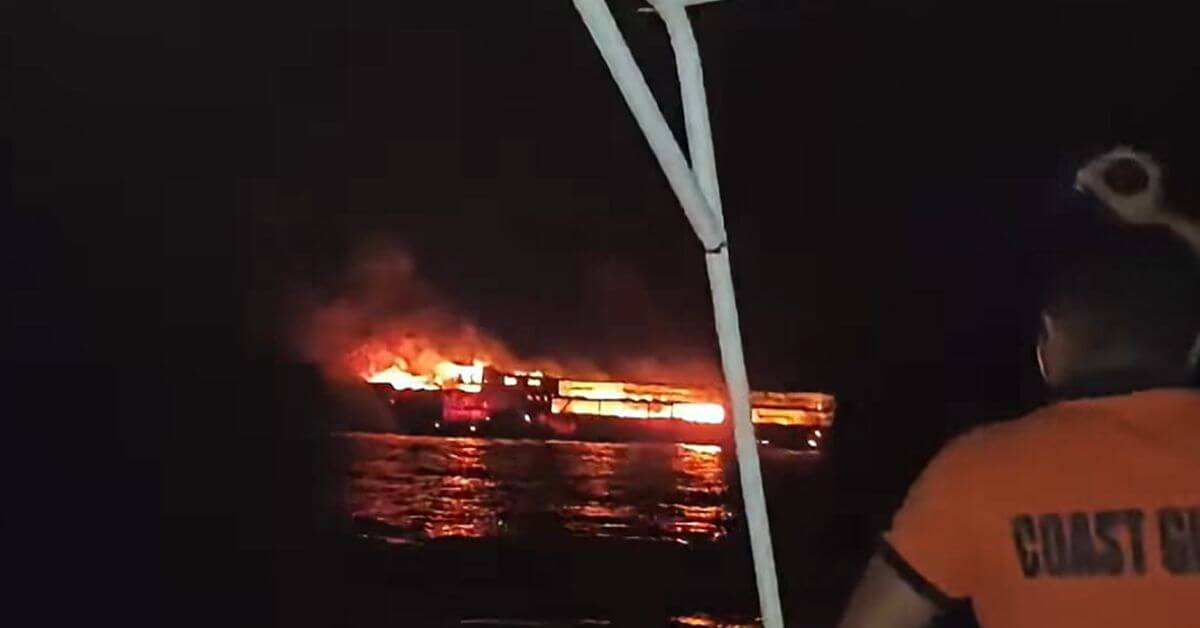
Philippines Ferry Fire: Search Underway for Dozens Missing at Sea
A fire erupted aboard the MV June Aster at 6:45 p.m. on September 9, while the ferry sailed from Manila to Coron in Palawan province. A search is now underway for dozens still missing at sea. These incidents demand rigorous, data-driven investigation. For deeper context on maritime emergencies, see our coverage of the recent cargo ship fire near Mykonos. Understanding these patterns is essential to improving safety protocols across global shipping lanes.
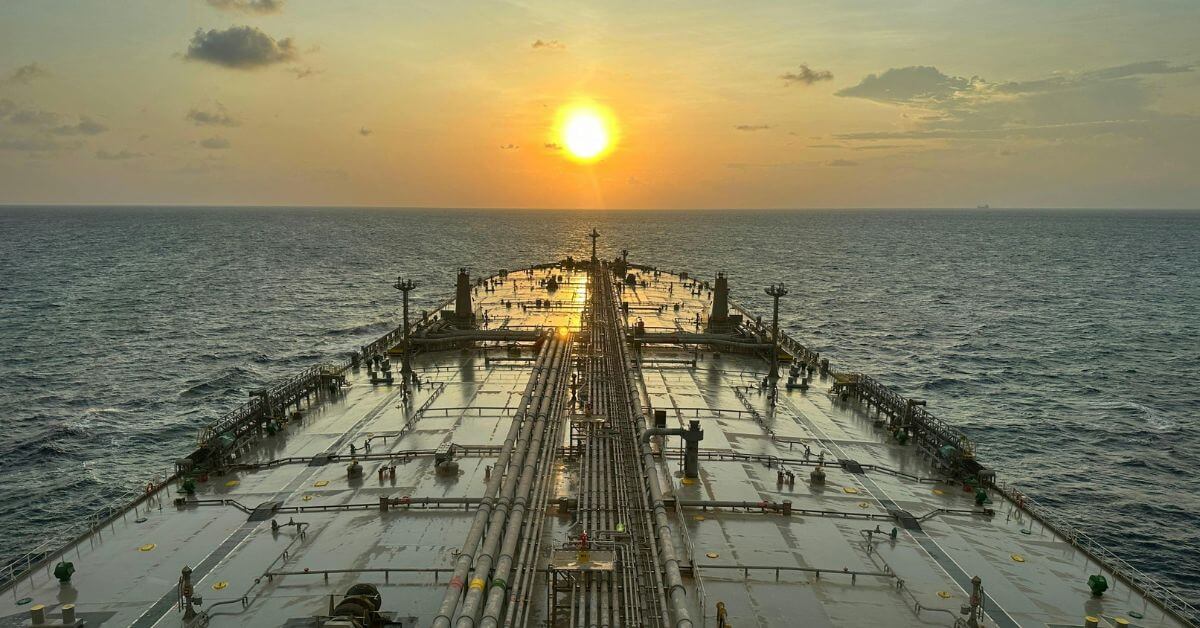
Incident Aboard Tanker Near Dubai Results in Fatality, One Missing.
A single death and a missing crew member now mark an incident aboard a tanker at anchor near Dubai. Peninsula confirmed the fatality but has not disclosed its cause. Maritime safety demands transparency, and the silence here is notable. For broader context on recent vessel emergencies, readers may turn to our coverage of the cargo ship fire near Mykonos. Each incident underscores the persistent risks at sea and the need for rigorous, empirical investigation.
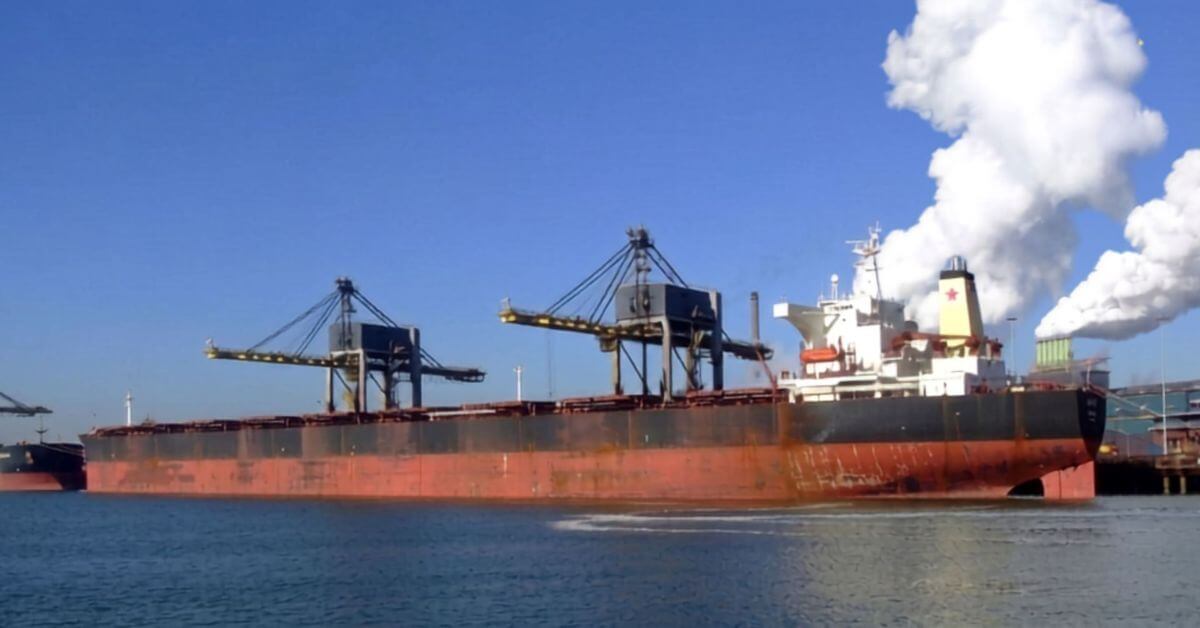
Filipino Seafarers Safe After Ukraine Attack; Await Repatriation
All 26 Filipino seafarers are safe and awaiting repatriation after disembarking from their vessel by Sept. 4, unharmed. The Department of Migrant Workers confirmed no casualties. This measured outcome contrasts sharply with the broader volatility in the region. For deeper context on escalating maritime risks, see our coverage of the *Fatal Attack on Cargo Ship Highlights Black Sea Shipping Risks*. Protection of crew remains paramount in these waters.

Interdicted Vessel Disrupts Drug Trafficking in the Eastern Pacific.
On Sept. 2, a U.S. Southern Command interdiction in international waters disrupted drug trafficking in the Eastern Pacific, a decisive action in a region where illicit networks often outpace surveillance. This is not merely an enforcement win; it is a measurable step toward safeguarding ocean intelligence, where security and scientific stewardship converge. The operation underscores how validated, real-time coordination can disrupt unlawful activity while reinforcing the broader mission of ocean health.