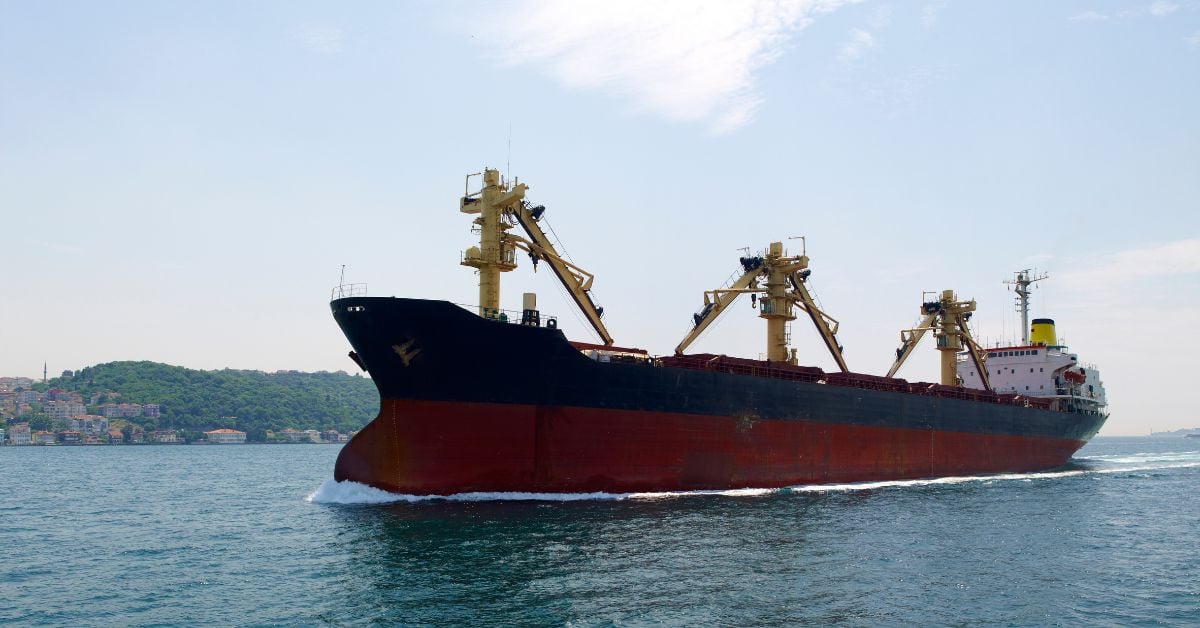
On September 17, the Somali Navy rescued all 18 crew members after the cargo ship *Jacuar* ran aground en route to Egypt, with the Ministry of Ports and Maritime Transport confirming it was monitoring the vessel after water entered part of the ship. The incident is a measured reminder that even routine commercial passages carry inherent risks, and that response capabilities in emerging maritime regions are being tested in real time. It also sits within a broader pattern of recent incidents across vital shipping lanes, from a Cargo Ship Fire Prompts Evacuation Near Mykonos; Incident Under Investigation to the Fatal Attack on Cargo Ship Highlights Black Sea Shipping Risks. Each case reinforces that maritime safety is not a given, but a function of preparedness, coordination, and the willingness of coastal states to act.
Our take is straightforward: the successful rescue is commendable, but it should not obscure the underlying vulnerabilities that made it necessary. A cargo ship running aground is rarely a single-cause event; it involves navigational judgment, vessel condition, weather, and often human error compounded by operational pressure. The fact that water entered the vessel before the crew was evacuated points to a structural or mechanical issue that warrants rigorous investigation. For our readers, particularly those in shipping operations and maritime policy, this is a call to revisit your own risk assessments. Are your contingency plans built for the possibility that a rescue may depend on a neighboring nation's naval assets? The Somali Navy's response was effective here, but the incident also raises questions about the consistency of such capabilities across the region.
We would tell a reader who asked about this story that the headline is less about the rescue itself and more about what it reveals regarding the changing geography of maritime risk. As shipping routes shift and geopolitical tensions alter traditional corridors, the burden of safety increasingly falls on regional actors. This is not a new reality, but it is a sharpened one, especially when compared with the diplomatic complexities seen in the Black Sea, where initiatives like the one detailed in Ukraine Supports India’s Initiative for Black Sea Shipping Routes aim to stabilize navigation under contested conditions. The contrast is instructive: in one theater, a navy executes a rescue; in another, nations negotiate the terms of safe passage. Both are essential, but they require different tools and timelines.
The concrete point to watch is the investigation's outcome regarding why water entered the vessel and whether the grounding was avoidable. If the cause points to mechanical failure, the shipping industry should expect calls for tighter survey protocols. If it points to navigational error, the focus shifts to crew training and route planning. Either way, the *Jacuar* incident is not a closed case; it is a data point in a larger conversation about resilience at sea. For operators, the takeaway is specific: verify that your emergency response plans include clear communication channels with national authorities in the waters you transit. The ocean does not grant second chances based on intent, only on preparation.