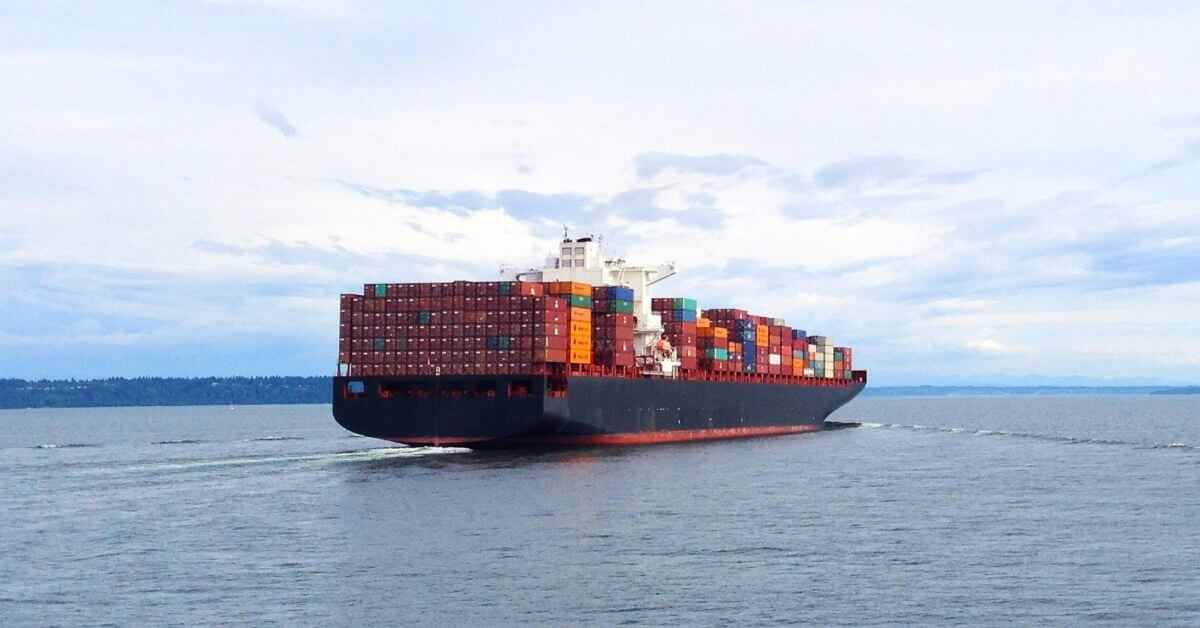
Twenty-five seafarers were brought to safety this week when the Liberia-registered container ship MSC Hermes III issued a distress alert off the coast of Vietnam, triggering an integrated response coordinated by Singapore. The crew was rescued, and the vessel is no longer in immediate peril. The incident mirrors other recent events where rapid, coordinated action proved decisive, such as the Cargo Ship Fire Prompts Evacuation Near Mykonos; Incident Under Investigation and the Bulk Carrier Freed After Prolonged Grounding Near Gladstone, Australia. Each case underscores a simple truth: the ocean remains unforgiving, and the margin between routine transit and catastrophe is measured in minutes and the quality of shared information.
What stands out here is not the distress itself, but the response architecture that surrounded it. Singapore's coordination center did not act alone; it drew on a web of communication channels, satellite tracking, and regional partnerships that turned a potential tragedy into a successful extraction. This is what we mean when we talk about an integrated data ecosystem. It is not a buzzword. It is the difference between a distress call vanishing into static and one that reaches the right vessel, the right authority, and the right response team within seconds. The Ocean Data Enables Swift Rescue of Injured Seafarer Near Andamans earlier this year demonstrated the same principle: when ocean intelligence is calibrated and shared in real time, outcomes improve. The data is not abstract. It is a life raft.
Our take is straightforward: the industry should stop treating these rescues as isolated news items and start reading them as evidence of what works. Every successful operation is a peer-reviewed case study in plain sight. The fire near Mykonos, the grounding near Gladstone, the injured crew member near the Andamans, and now this rescue off Vietnam all point to the same conclusion. Vessels that transmit clear, validated distress signals early, and coast guards that have access to integrated, real-time data streams, consistently achieve better outcomes. The inverse is also true. When communication lags or data is siloed, the window narrows. This is not about sensationalism or alarmist messaging. It is about measurable, empirical performance under pressure.
The question we should be asking is not whether the system failed, because it did not. The question is how we make that system the standard, not the exception. For the reader who asks what this means in practical terms: it means supporting and investing in the platforms that connect ships, ports, and rescue centers. It means pushing for regulatory frameworks that mandate open data sharing across jurisdictions. And it means recognizing that every successful rescue is a quiet validation of those investments. The next distress alert is already being drafted somewhere. The only unknown is whether the response will be as seamless as this one. Watch for the post-incident report from Singapore's Maritime and Port Authority. The details of the timeline, from first alert to final rescue, will tell us more than any press release about where the gaps remain.