sanctions
World Data Ocean keeps sanctions in one place: 52 stories so far. The section currently leads with “Rethinking sanctions on shadow tankers to steady global freight rates”, “Seoul Disputes Ukrainian Data on Fuel Shipments to Russia”, and “150 vessels idle in Gulf of Finland as Baltic maritime traffic bottlenecks”. A calibrated adjustment to sanctions on shadow tankers could steady global freight rates by allowing certain previously restricted vessels to carry oil and petroleum products not banned under US sanctions. Seoul disputes the numbers, but Ukraine's claim stands unresolved: over 176,000 tonnes of petroleum products reportedly moved from South Korean ports to Russia across July and August. A Global Hub for Ocean Intelligence 4 World Data Ocean is a centralized digital platform where researchers, scientists, and ocean enthusiasts converge to… The list below is every sanctions story on World Data Ocean, newest first.
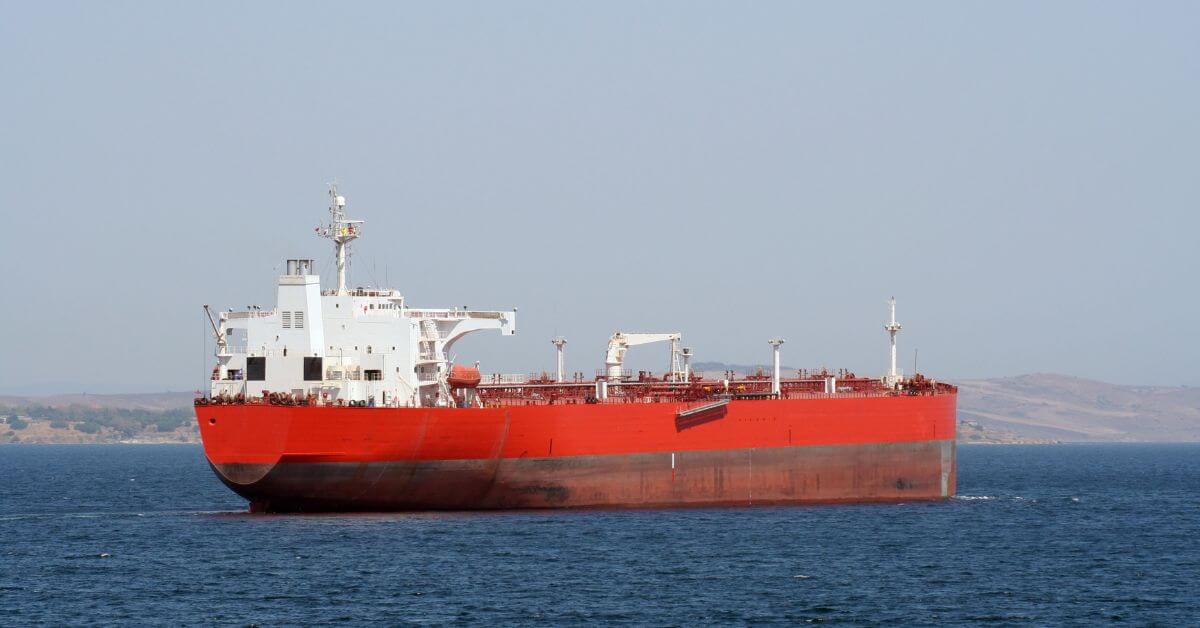
Rethinking sanctions on shadow tankers to steady global freight rates
A calibrated adjustment to sanctions on shadow tankers could steady global freight rates by allowing certain previously restricted vessels to carry oil and petroleum products not banned under US sanctions. This measured approach prioritizes market stability without compromising enforcement integrity. For deeper context on how maritime regulations shape trade friction, our related coverage of "Maritime fees signal friction in trade amid climate and shipping integration" explores similar dynamics.
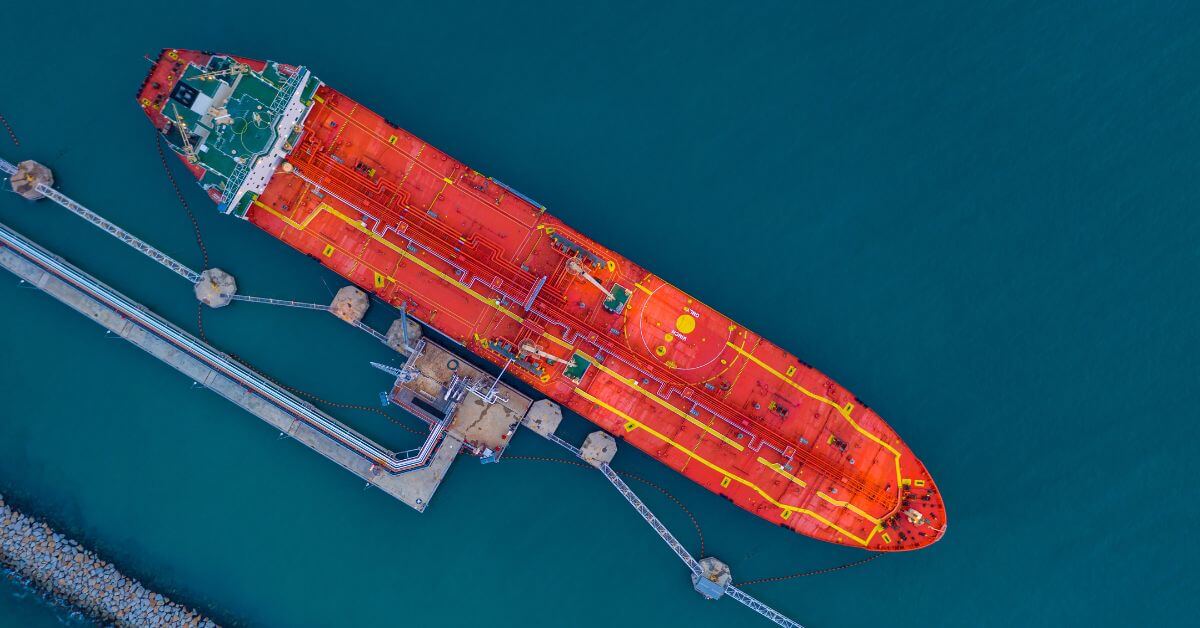
Seoul Disputes Ukrainian Data on Fuel Shipments to Russia
Seoul disputes the numbers, but Ukraine's claim stands unresolved: over 176,000 tonnes of petroleum products reportedly moved from South Korean ports to Russia across July and August. If accurate, the flow raises hard questions about how sanctioned goods continue moving through allied supply chains. The data matters, and so does the transparency gap. For broader context on maritime risk, our coverage of the Black Sea incident offers a parallel look at how quickly commercial shipping can turn volatile.
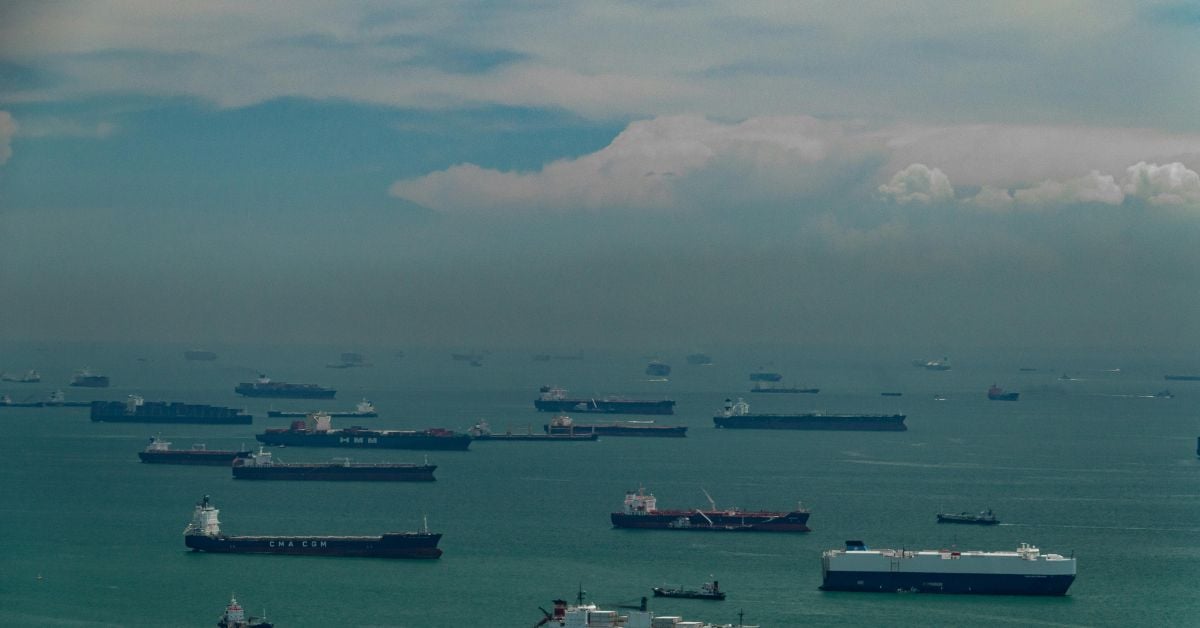
150 vessels idle in Gulf of Finland as Baltic maritime traffic bottlenecks
Nearly 150 vessels sit idle in the Gulf of Finland, a maritime bottleneck gripping Baltic traffic to Russian ports such as Ust-Luga, Primorsk, and St Petersburg. This congestion is more than a logistical snag, it is a measurable disruption in a region already under scrutiny. Such real-time bottlenecks carry empirical weight as climate and geopolitical indicators. For deeper context on maritime security, see our coverage of the captain charged over Ukrainian grain. Understanding these pressures drives protection of both trade and ocean intelligence.
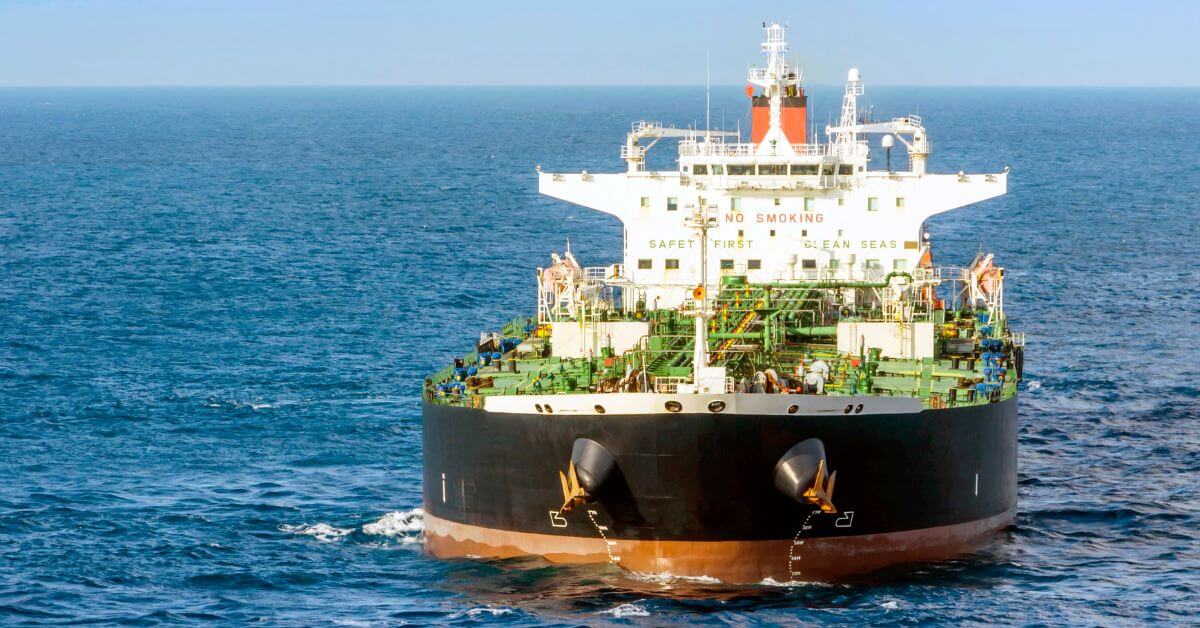
Puntland Forces Intercept Hijacked, US-Sanctioned Oil Tanker After 48 Hours
Puntland forces have ended a 48-hour standoff, intercepting a US-sanctioned oil tanker hijacked by Somali pirates off the Somali coast. The operation underscores the growing security challenges in regional waters, where illicit maritime activity threatens both trade and stability. This rescue reflects a pragmatic use of force and coordination, a reminder that ocean intelligence is as much about security as it is about data.
Vostok Project Launches Arctic Oil Exports Amid Geopolitical Shifts
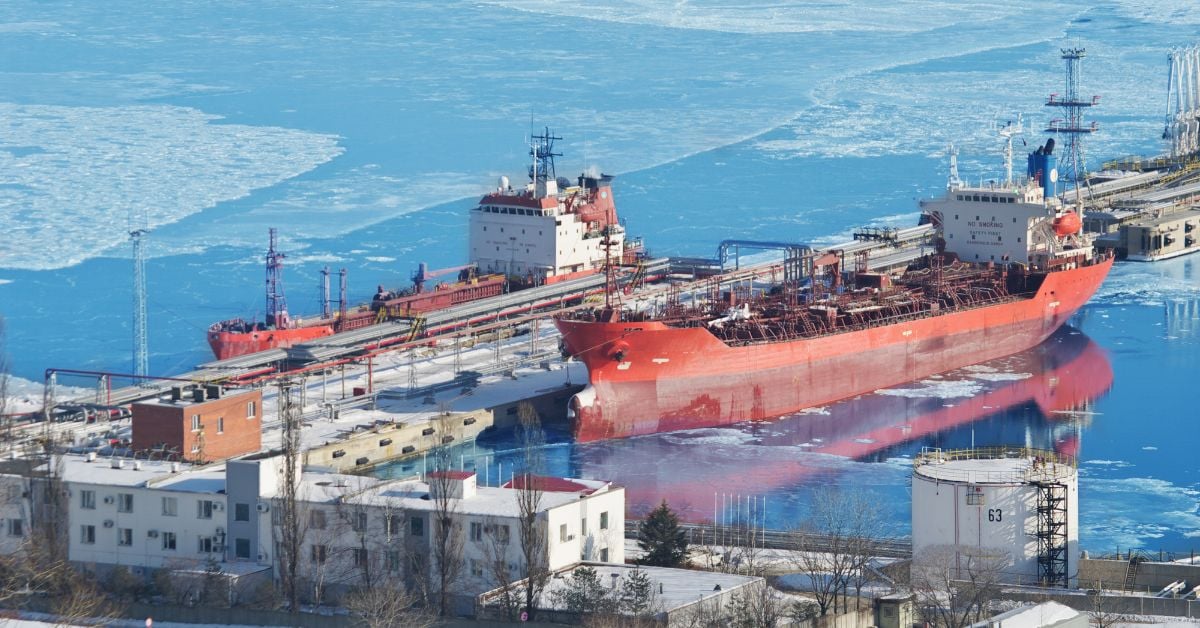
The Vostok project has finally begun producing oil, a long-delayed step for Rosneft's Arctic ambitions after Western sanctions ground progress to a halt. This is not just a commercial milestone; it is a signal of how energy strategy and geopolitics remain deeply intertwined. The Arctic's potential is vast, but so are its logistical and environmental demands. As Russia recalibrates its export revenue to fund icebreaker fleets, the Northern Sea Route's viability grows clearer.
Fatal Attack on Cargo Ship Highlights Black Sea Shipping Risks
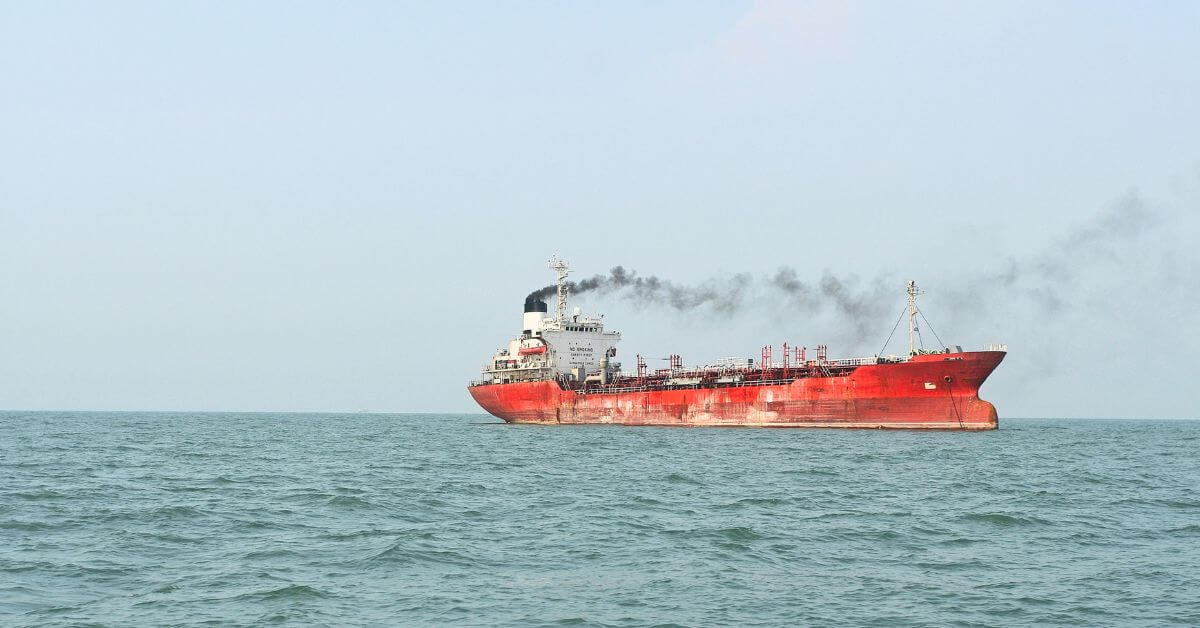
The attack on a cargo ship sailing under the flag of Antigua and Barbuda, reported Sept. 23 by the Ukrainian Sea Port Authority, sharpens the profile of risk in Black Sea shipping. This is not an isolated incident but a measurable indicator of a waterway under strain. We track these incidents because each one validates the need for integrated maritime data.
Strait of Hormuz Reopening Contingent on U.S. Actions, Iran States
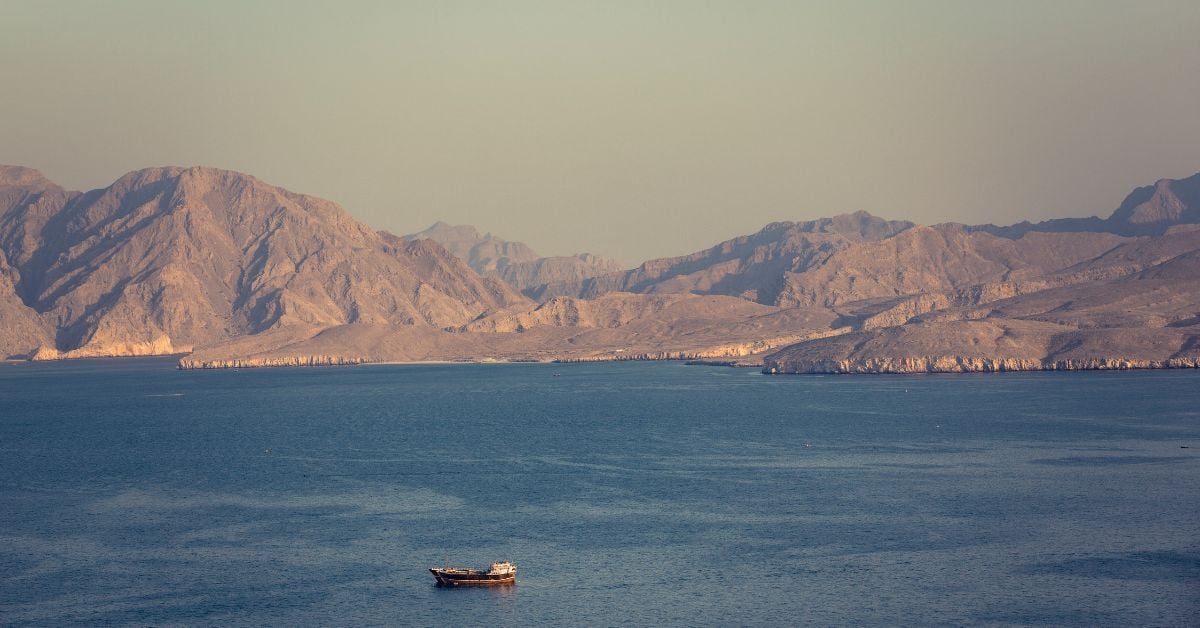
Iran has linked the Strait of Hormuz's reopening to a single condition: the U.S. must lift its naval blockade of Iranian ports and end sanctions on Tehran. The announcement, which sets a one-week timeline, is a direct test of diplomatic intent. It is a high-stakes calculation, but not an unreasonable one. For context, our related coverage on Gulf of Oman STS transfers shows how regional oil flows are already straining at their limits.
Strait of Hormuz: Conflicting Reports of Vessel Detentions Raise Tensions.
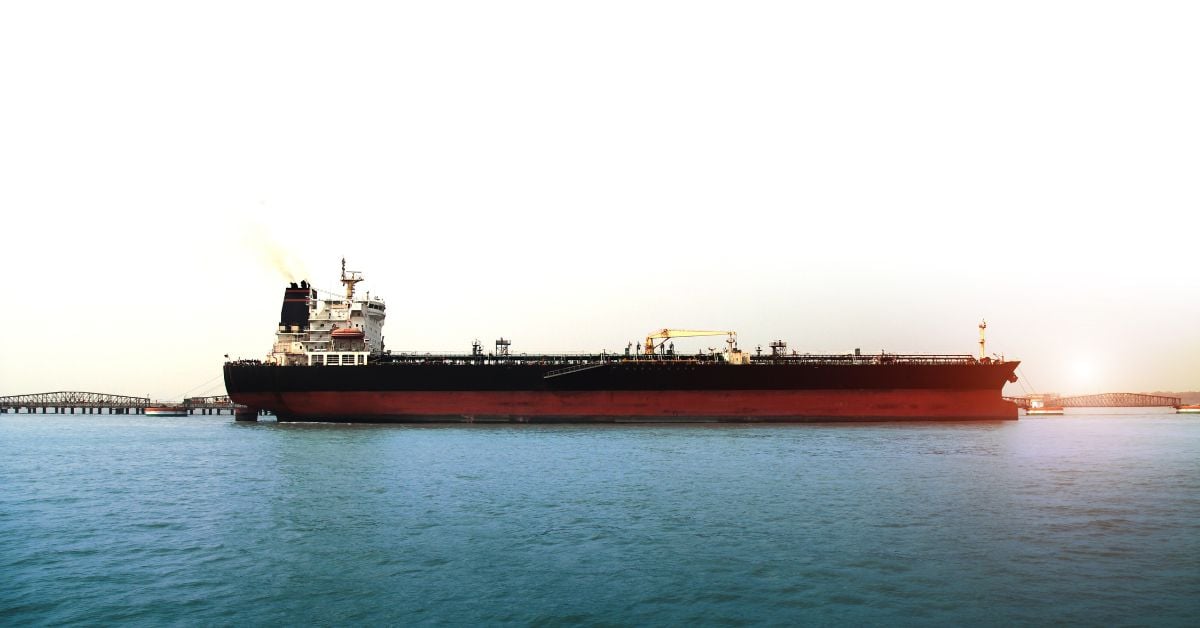
The Strait of Hormuz is once again a flashpoint, with the UKMTO flagging a separate incident involving a vessel in its waters. Conflicting reports of detentions are doing little to calm a region already bracing for disruption. These are not abstract metrics; they are real-world friction with global consequences. The situation demands precise, empirical monitoring, not alarmism.
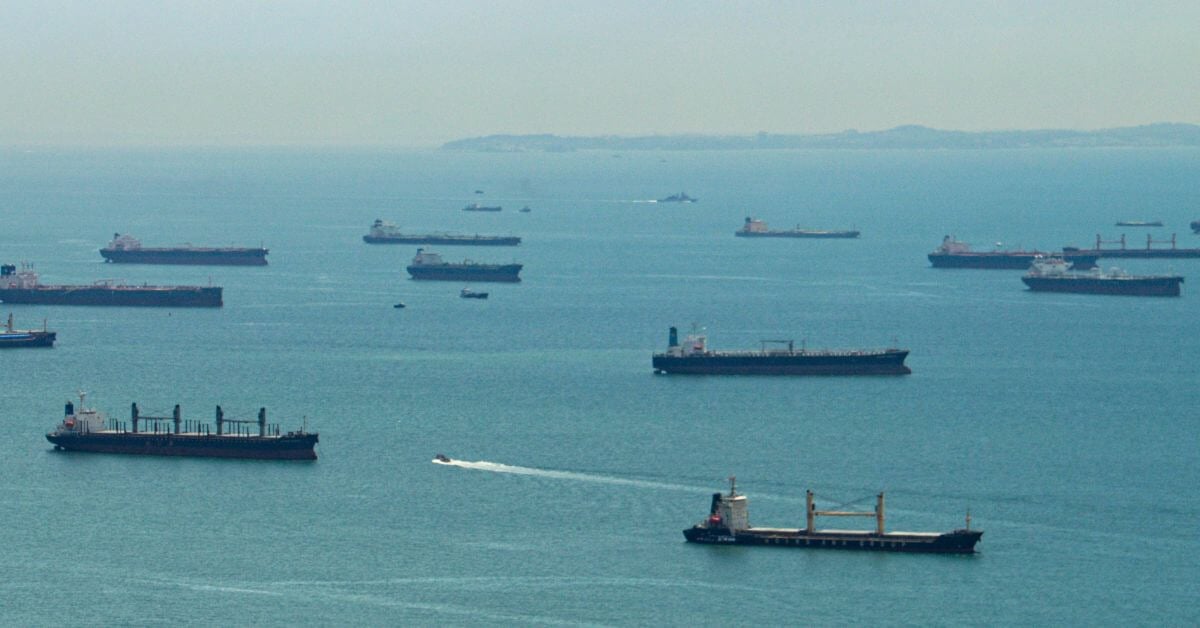
Bitcoin Payments and Shipping Tolls: U.S. Sanctions Iranian Entity.
U.S. sanctions have landed on an Iranian entity tied to Bitcoin payments and shipping tolls, part of a network that financier Babak Zanjani used to move hundreds of millions of dollars in Bitcoin to the IRGC. The designation underscores how digital assets have become a practical tool for state-aligned actors, not just a theoretical one. Measured enforcement matters here. For broader context on regional pressures, our piece on Gulf of Oman STS Transfers Max Out Amid Rising Saudi Oil Exports offers useful grounding.
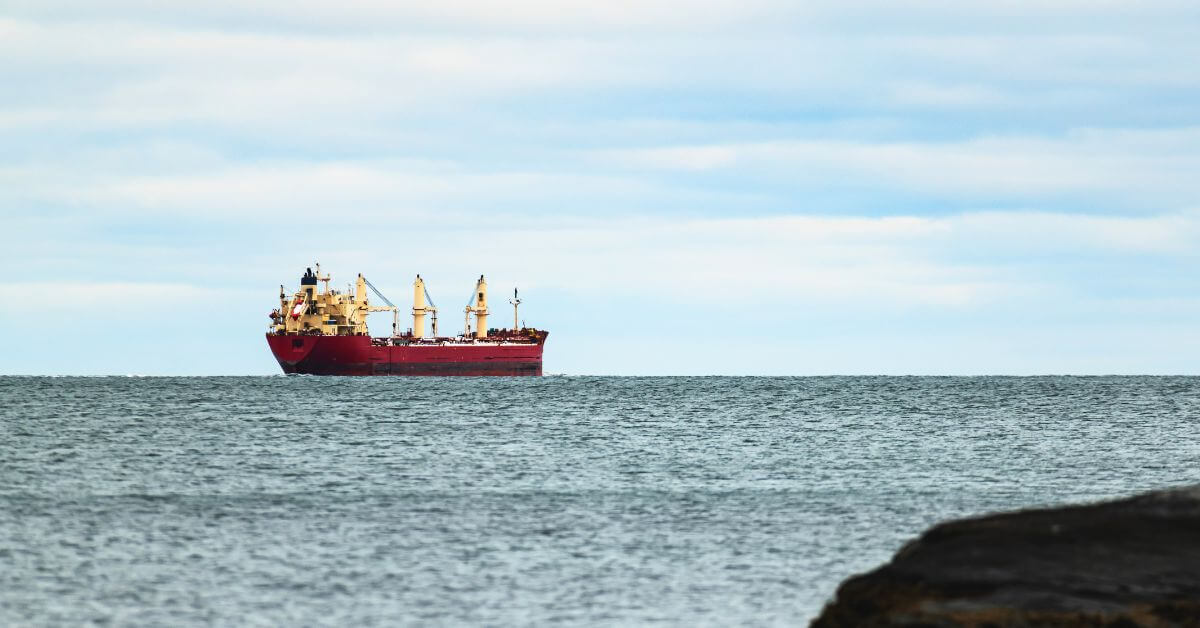
Protecting Maritime Routes: India and Iran Prioritize Ocean Safety.
Indian Prime Minister Narendra Modi has rightly elevated shipping safety and seafarer protection to a bilateral priority during talks with Iran's President. In a region where maritime chokepoints demand calibrated vigilance, this focus is both practical and overdue. The ocean does not recognize political borders, and shared responsibility for route security is the only measurable path forward. For deeper context on regional pressures, see our coverage of "Gulf of Oman STS Transfers Max Out Amid Rising Saudi Oil Exports."
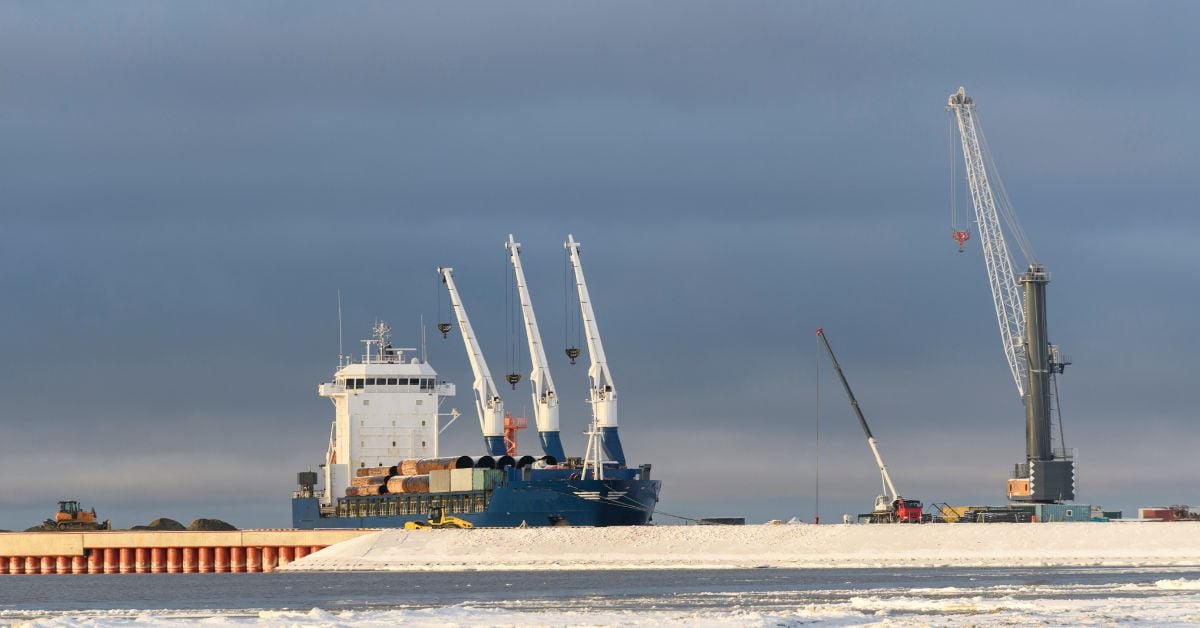
Arctic Passage Time Cut: Container Ship Charts New Route.
A Chinese container vessel has completed the Northern Sea Route in just 25 days, validating the Arctic's potential as a viable commercial passage. This is not an experiment; it is a measurable step in global shipping's realignment. The voyage demonstrates how climate indicators and integrated data ecosystems are reshaping trade logistics. For deeper context on shifting maritime corridors, see our coverage of "Russia Calibrates Export Revenue for Northern Sea Route Icebreaker Fleet." Understanding these routes drives smarter stewardship of our ocean intelligence.
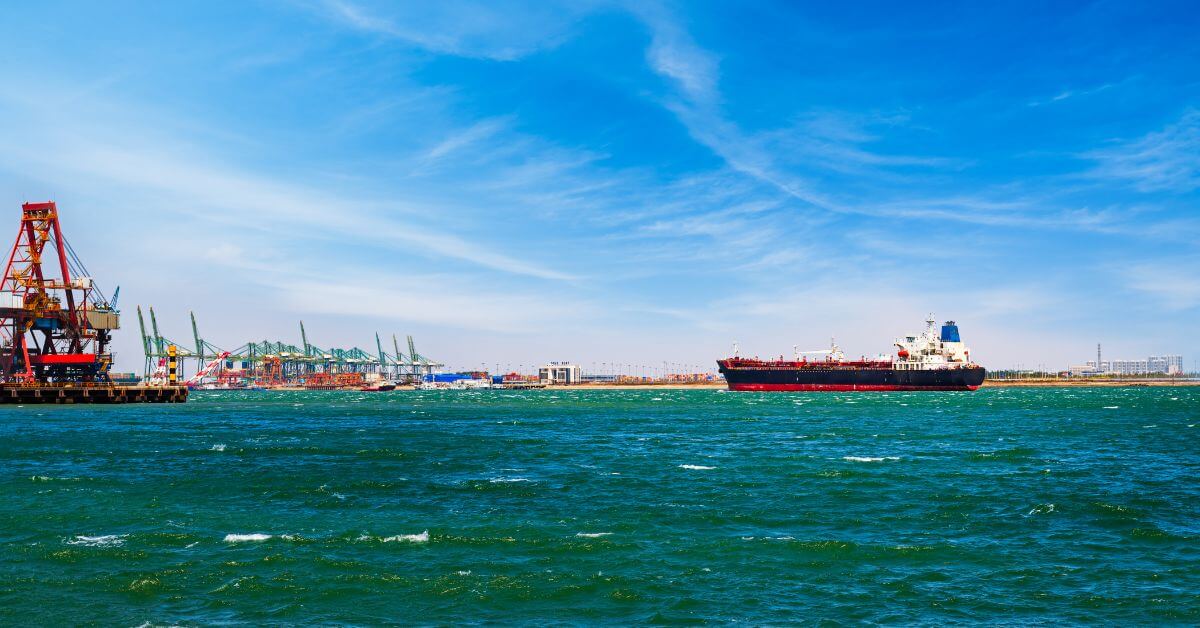
Albania Intercepts Tanker Linked to Russian Shadow Fleet Operations.
Albania has intercepted the Sierra Leone-flagged tanker HANUMAN, a vessel long tracked by Ukraine's Main Directorate of Intelligence for its role in Russian shadow fleet operations. This action underscores the measurable impact of coordinated maritime surveillance. Understanding these networks drives protection of global shipping integrity. For deeper context on how Russia is recalibrating its maritime revenue streams, see our analysis of the Northern Sea Route icebreaker fleet.
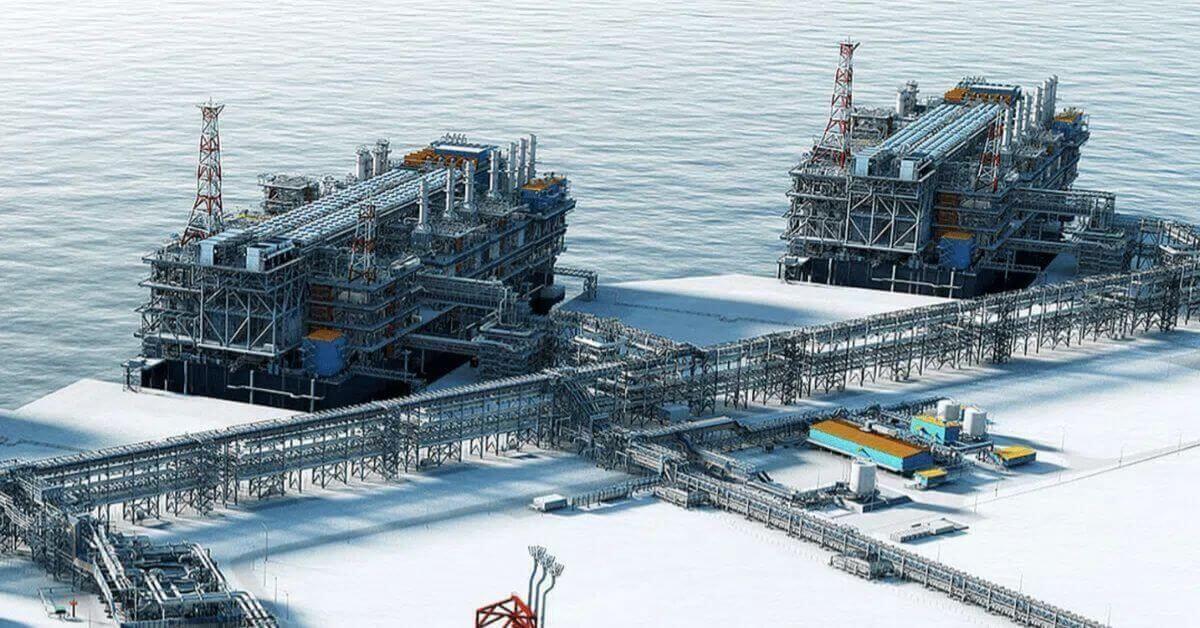
Arctic LNG 2 Seeks $1 Billion in Arbitration Against Hanwha Ocean
Arctic LNG 2 has filed a $1 billion arbitration claim against Hanwha Ocean in Singapore, a direct consequence of a terminated shipbuilding contract. This legal action underscores the high stakes of Arctic infrastructure development amid mounting geopolitical friction. The claim is a calibrated move, reflecting the measurable financial impact of disrupted supply chains. For deeper context on Russia's Arctic maritime strategy, see our coverage of the Northern Sea Route icebreaker fleet financing.
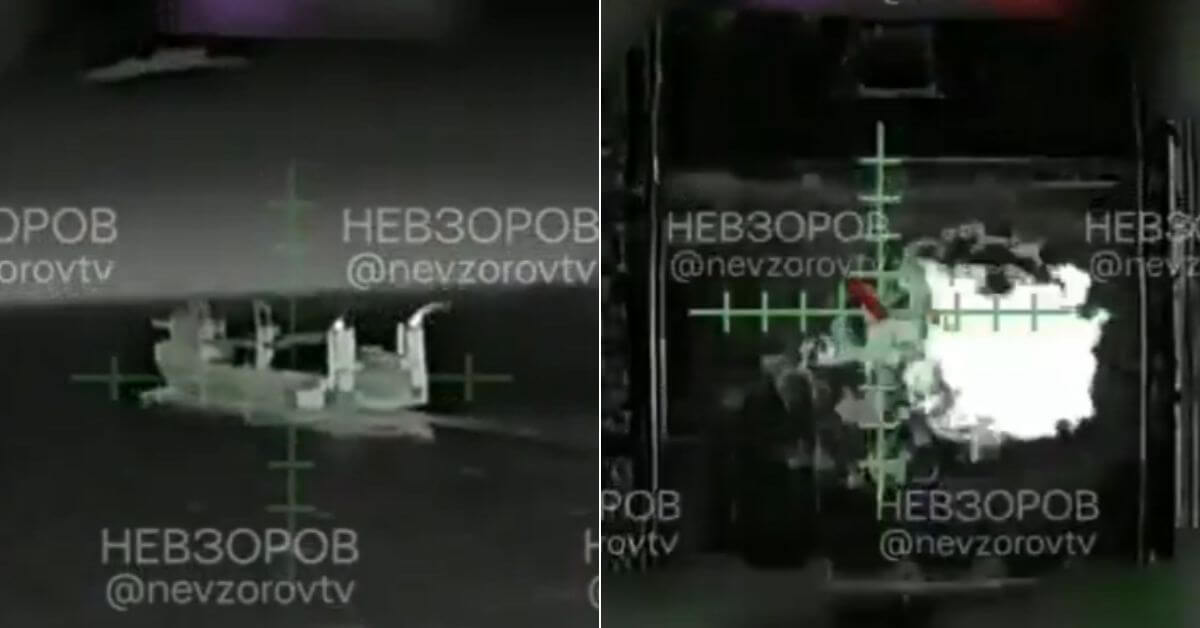
Drones Strike Cargo Ship Linked to Russia Amidst Mediterranean Tensions
A drone strike has hit the cargo ship *Lady Mariia*, formerly *Stella-Maria*, after it departed Algeria's Oran port, injecting new volatility into Mediterranean shipping routes linked to Russian interests. This is not an isolated incident; it reflects growing maritime friction amid geopolitical realignments. For deeper context on Arctic energy pressures driving such tensions, see our coverage of the *Vostok Project's* oil exports. Understanding these interconnected threats is essential for assessing ocean security in a shifting global order.
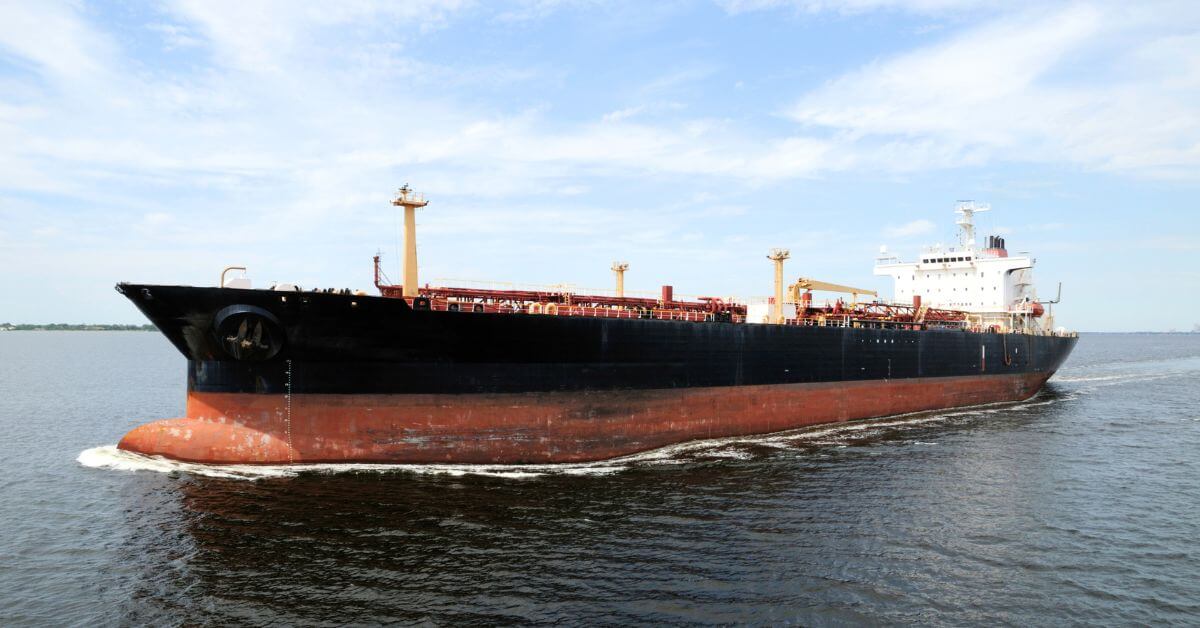
Yemen Investigates Sanctioned Tanker Incident, Scrutinizes Port Entry.
Yemeni authorities have opened an investigation into a sanctioned tanker's voyage, cargo, and documents, with particular scrutiny on its entry into Ras Isa. The move signals a firm, measured response to a vessel operating under heightened international restrictions. It is a necessary step toward accountability, though questions remain about how such entries were cleared in the first place. For broader context on regional pressure points, our coverage of Gulf of Oman STS transfers offers useful perspective.
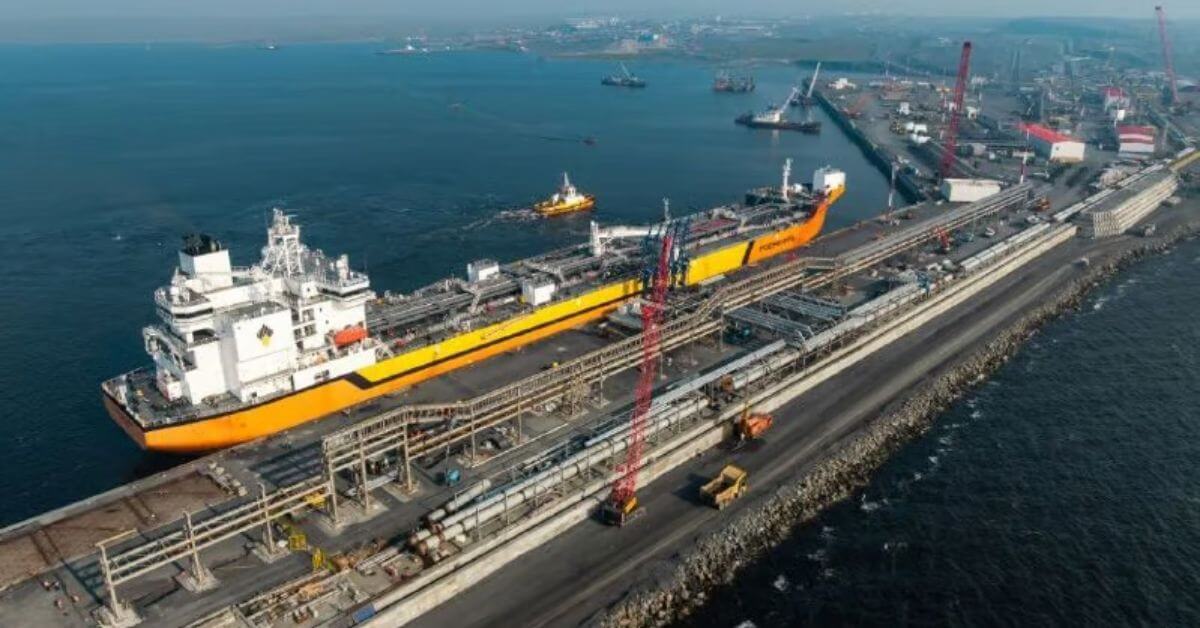
Arctic Route Gains New Supply: Vostok Oil Flows to Northern Sea Route
The first crude oil from Russia's Vostok Oil project has moved through the Arctic, adding a new supply line to the Northern Sea Route. It's a logistical step forward, but one that carries real strategic weight. The route's expansion is worth watching closely, especially as export revenues get recalibrated to fund new icebreakers. For a deeper look at that financial balancing act, our related coverage on Russia's export revenue plans is a useful next stop.
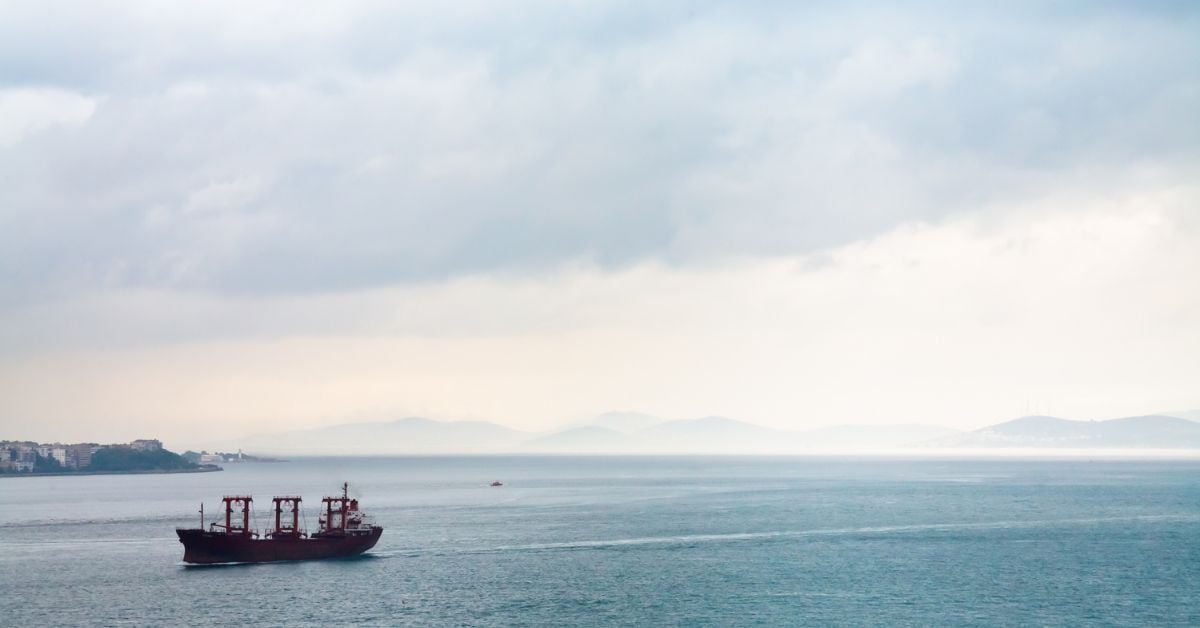
Iran Plans Exclusion Zone in Strategic Strait of Hormuz.
Iran's decision to establish an exclusion zone around the Strait of Hormuz signals a deliberate move to control one of the world's most vital maritime passages. Requiring permission to transit is not a technicality; it is a statement of leverage. The move carries measurable implications for global shipping and energy routes, and it demands calibrated attention from the international community.
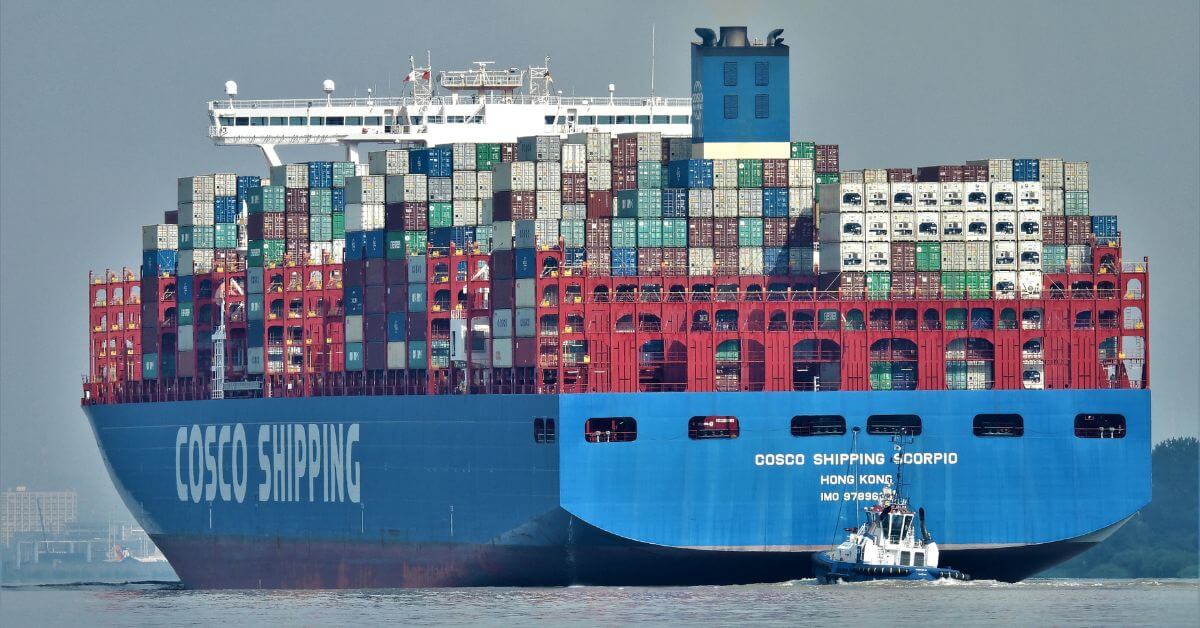
COSCO Rejects U.S. Claims of Espionage via Shipping Vessels
COSCO has firmly rejected U.S. accusations that its vessels collected military intelligence for Beijing, calling the claims unfounded. The denial cuts through a narrative that risks conflating legitimate global commerce with espionage, a distinction that matters for the rule-based shipping lanes the world depends on. Allegations without peer-reviewed evidence weaken trust, and trust is the ballast of maritime stability.
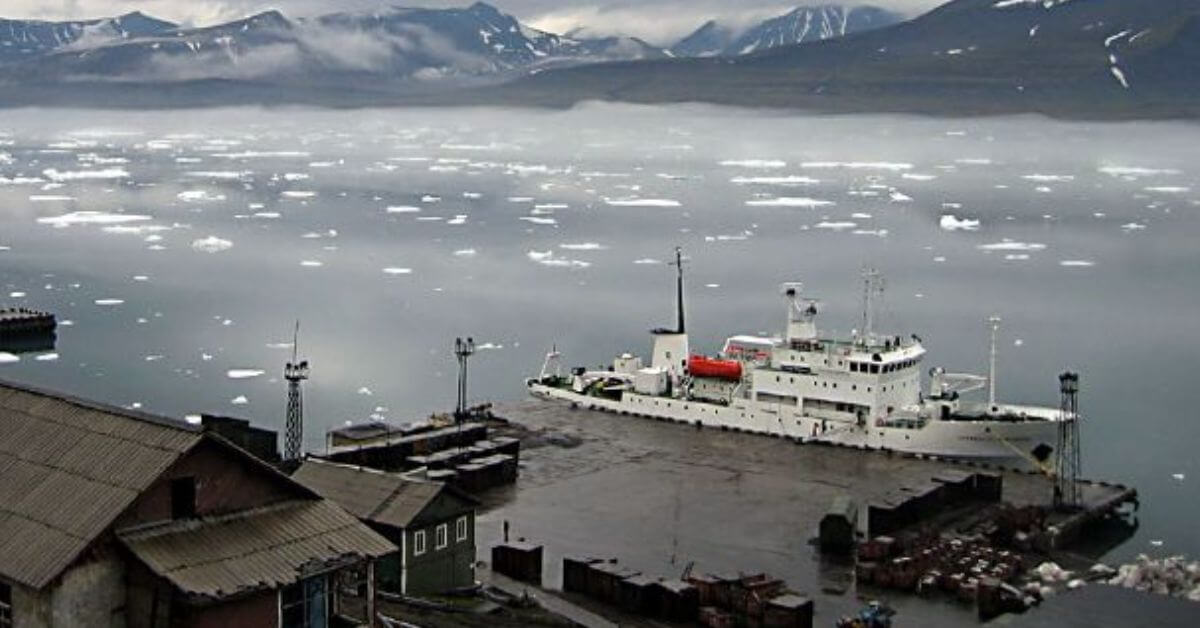
Dispute Escalates: Vessel Seized Amid Ukraine’s Energy Claim Against Russia
A vessel has been seized in escalating legal conflict. Ukraine's state energy company, Naftogaz, pursues a $4.2 billion compensation claim for assets taken by Russia. This is not merely a financial dispute, it is a calibrated test of international maritime law and the boundaries of energy sovereignty. The claim invites scrutiny of how state-sponsored seizures intersect with broader geopolitical pressures. For deeper context on Russia's evolving maritime strategy, see our coverage of the Northern Sea Route icebreaker revenue plan.
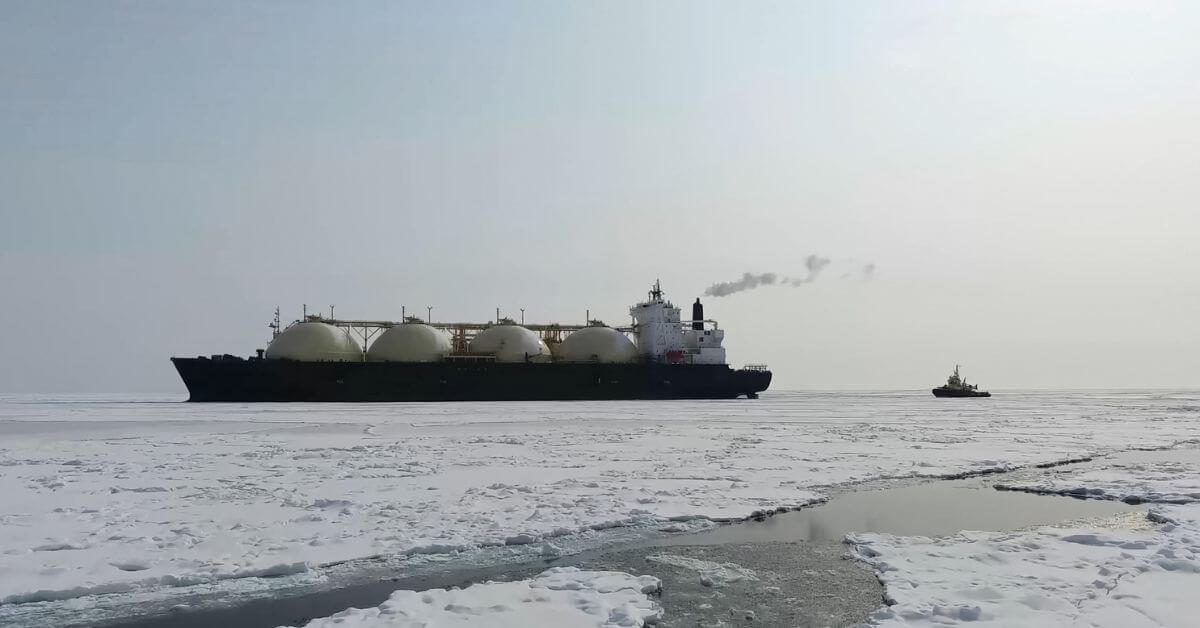
Arctic LNG 2 Capacity Expands with New Ice-Class Carrier Fleet.
The Arctic's harshest routes just became more navigable. A Russian-built, advanced ice-class LNG carrier has joined the fleet serving Arctic LNG 2, enabling year-round operations in waters that once dictated seasonal limits. This is practical ocean intelligence: the capacity to move gas reliably through extreme conditions strengthens the entire maritime energy chain. For readers tracking parallel shifts in global shipping, our coverage of Paradip Port's new mega port status offers another example of infrastructure evolving to meet demand.
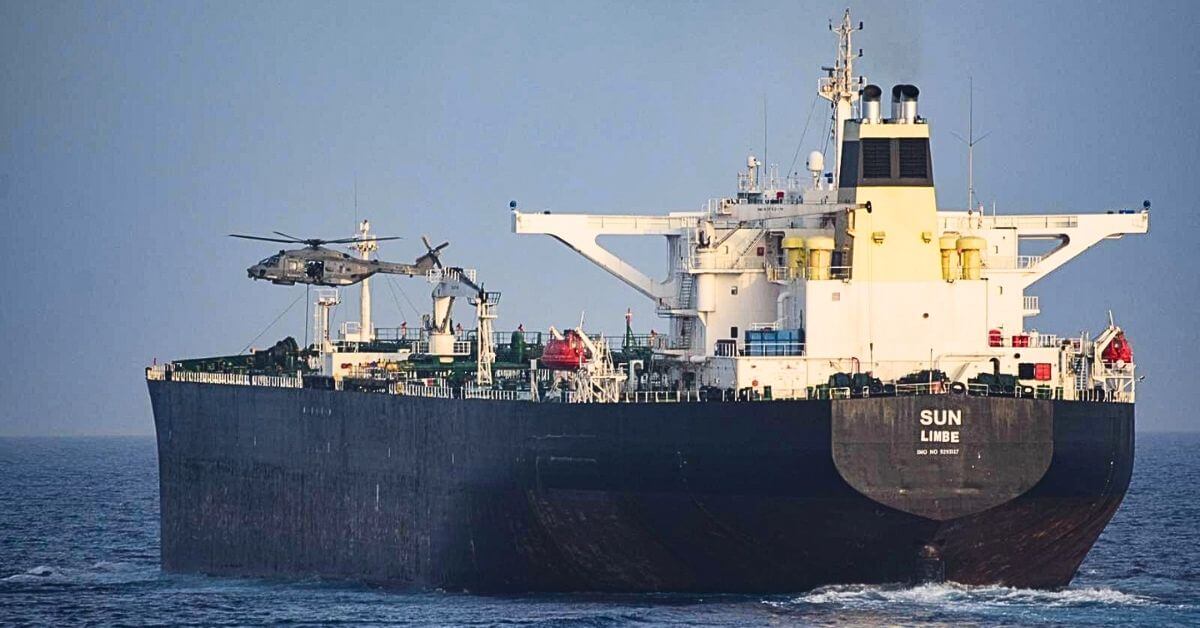
Maritime Security: Inspections Target Vessels Suspected of Shadow Fleet Activity
Maritime authorities from France, Sweden, Belgium, and Britain have boarded or seized vessels suspected of shadow fleet activity, tightening the net on opaque operations in European waters. These inspections signal a calibrated, intelligence-led response to a threat that hides in plain sight. Enforcement like this is how rules endure. For a closer look at how maritime incidents unfold under pressure, see our coverage of the cargo ship fire near Mykonos. Vigilance, measured and consistent, remains the anchor of ocean security.
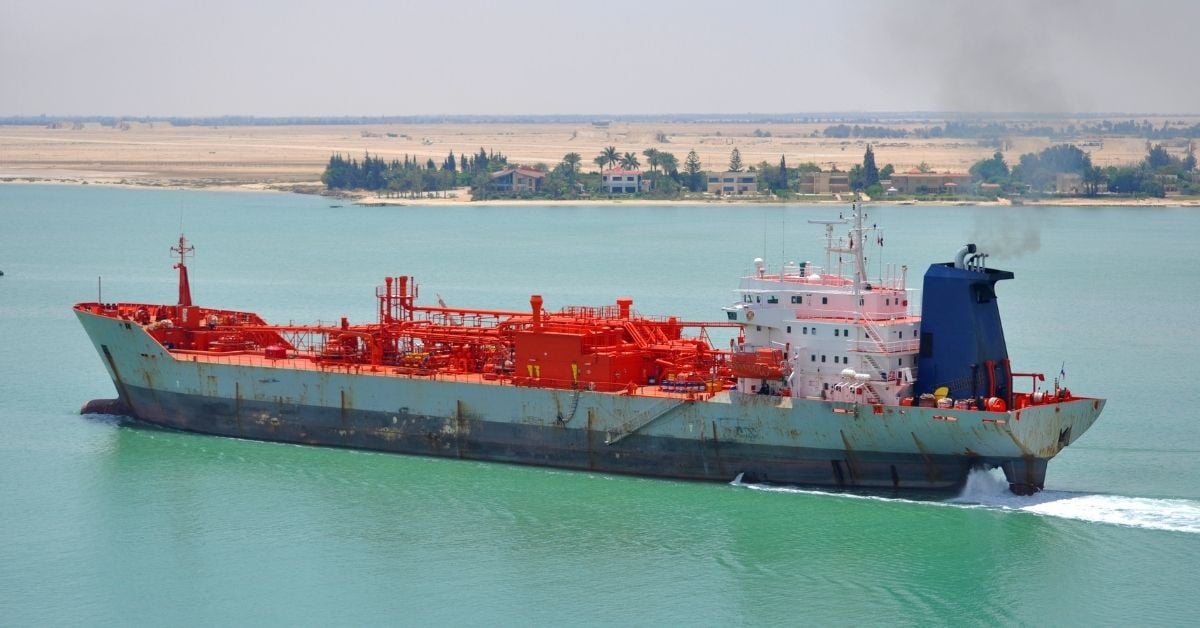
Geopolitical Tensions Rise as Iranian Leader Addresses Regional Security.
Iran's Supreme Leader, Mojtaba Khamenei, has called on Muslim nations to identify their "real enemy" and confront it collectively, framing regional security as a shared test of unity. The message is direct, and it carries weight in a region where alliances shift with the current. We see this not as rhetoric alone, but as a signal with measurable consequences.
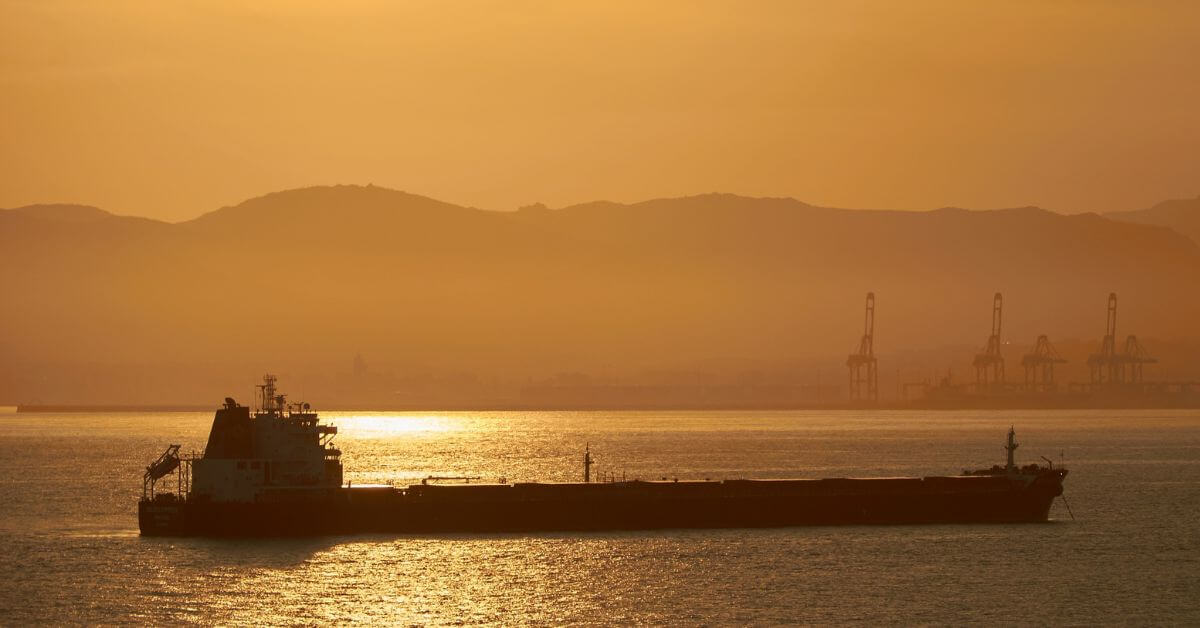
Strait of Hormuz Incident Raises Concerns Over Maritime Security and Trade.
New tolls and targeted attacks in the Strait of Hormuz are not abstract threats; they are live disruptions to the trade routes that move global energy. Iran's actions against vessels it accuses of bypassing its preferred path introduce a volatile new layer of risk, turning a critical waterway into a flashpoint. This escalation demands measured, empirical observation.

Strait of Hormuz Traffic Dips Amid Rising Geopolitical Tensions.
Tanker traffic through the Strait of Hormuz is tightening as Iran vows retaliation against U.S. sanctions designed to sever its economic lifelines. The shift is measurable, and it carries weight for global energy flows. Geopolitical friction is no longer abstract; it is showing up in real-time transit data. For context, our coverage of Gulf of Oman STS Transfers Max Out Amid Rising Saudi Oil Exports highlights how regional chokepoints are already operating at capacity.