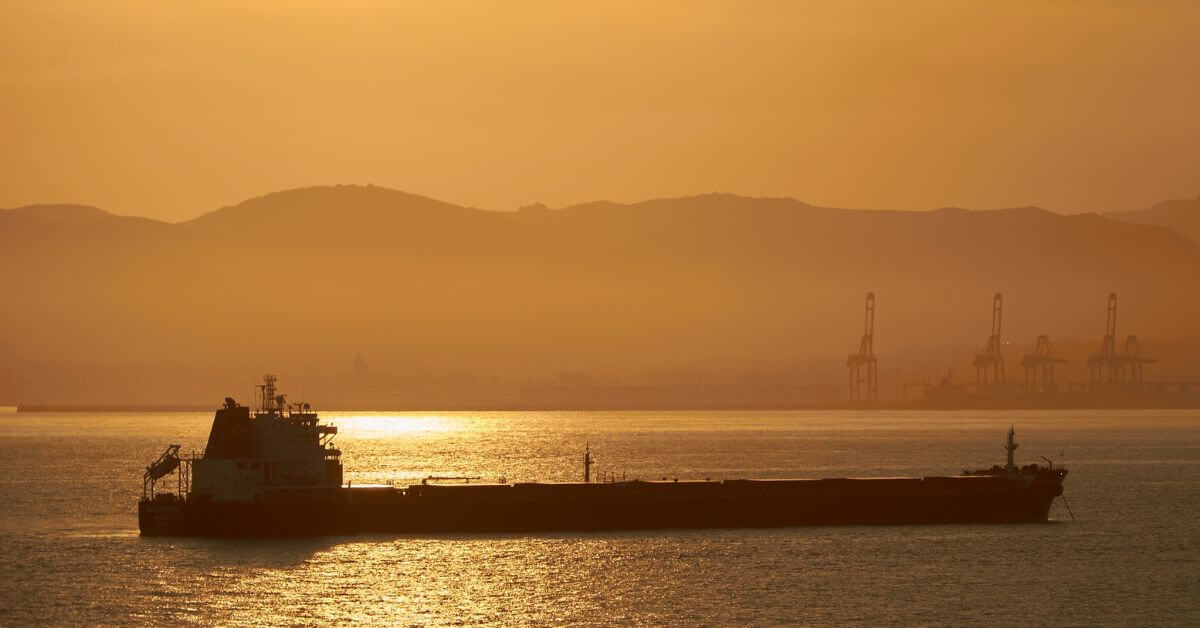
The Strait of Hormuz has always been a chokepoint where geopolitics and ocean commerce converge, but the recent attacks on tankers and the attempt to levy tolls on vessels bypassing Iran's preferred routes signal a dangerous escalation. This is not a distant conflict; it is a direct disruption of the integrated data ecosystem that tracks global energy flows. For our readers, the immediate question is not just about insurance premiums or rerouting costs, but about the reliability of the maritime data we all depend on. When a state actor weaponizes a waterway, the empirical reality of shipping routes shifts faster than any model can calibrate, forcing a re-evaluation of what we consider stable trade infrastructure.
The incident does not exist in a vacuum. It coincides with Phased Negotiations Aim to Ease Restrictions on Strait of Hormuz, where diplomatic efforts are attempting to walk back the very restrictions now being enforced by force. Meanwhile, Gulf of Oman STS Transfers Max Out Amid Rising Saudi Oil Exports show that the logistics network is already adapting, but at maximum capacity. This is not a coincidence; it is a pressure valve. If ship-to-ship transfers are already at their limit, any extended closure of Hormuz does not simply reroute traffic; it breaks the chain. The parallel with Vostok Project Launches Arctic Oil Exports Amid Geopolitical Shifts is instructive: alternative routes and new projects emerge when traditional corridors become contested, but they take years to scale, not days.
Our take is blunt: the toll system is a miscalculation. Charging fees on a waterway that carries roughly a fifth of global oil consumption is not a revenue strategy; it is an act of economic warfare that invites a coordinated response. The international community has tolerated freedom-of-navigation patrols and escort missions, but a toll is a sovereign claim that challenges the legal regime of transit passage. This is where the data becomes actionable. If the tolls are enforced, expect a measurable spike in real-time tracking diversions and a corresponding rise in insurance war-risk premiums. The practical consequence for our audience, from charterers to policymakers, is that the risk calculus has permanently changed. We would tell any reader asking us about this: do not wait for a formal blockade. The signals are already in the data, from STS bottlenecks to negotiation stalls.
The specific detail to watch is the response of the US Fifth Fleet and the International Maritime Organization. If they treat this as a piracy-like issue rather than a bilateral dispute, we will see a multinational escort framework that legitimizes the transit. If they do not, the toll becomes a precedent. That is the open question that matters. The ocean is not a lawless frontier; it is a measured, peer-reviewed system of rules. But rules only hold when they are enforced with calibrated intent. The next few weeks will tell us if the intelligence community sees this as a negotiation tactic or a new normal. For now, the takeaway is clear: the Strait of Hormuz is no longer just a strategic chokepoint; it is the test case for whether maritime law can withstand a unilateral toll. Watch the insurance rates; they will tell you the truth before any diplomatic communiqué does.