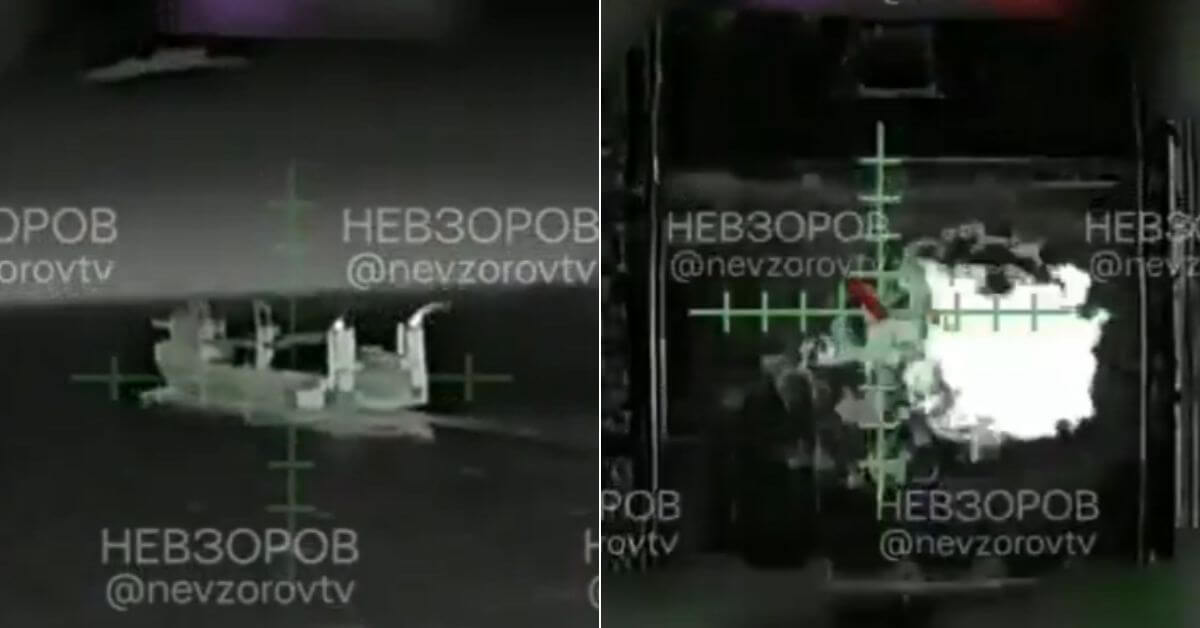
A cargo ship with known links to Russia, the *Lady Mariia* (formerly *Stella-Maria*), was struck by drones near Crete after departing Oran, Algeria. The attack, which reportedly hit the vessel twelve times, sits at the intersection of maritime security, geopolitical tension, and the expanding role of uncrewed systems in naval conflict. For our readers who track ocean intelligence and integrated data ecosystems, this is not an isolated incident, it is a calibrated signal worth measuring.
The drone strike on the *Lady Mariia* must be read alongside the Vostok Project Launches Arctic Oil Exports Amid Geopolitical Shifts, which underscores how state-owned energy assets continue to move through contested waters despite sanctions. In the Arctic, the Vostok project represents a long-term commitment to hydrocarbon extraction under western restrictions. In the Mediterranean, the *Lady Mariia* was a single vessel moving cargo, yet both events reveal a pattern: maritime infrastructure is increasingly a target and a tool in geopolitical strategy. Our readers, researchers, policymakers, and ocean enthusiasts, should recognize that empirical monitoring of vessel movements, port calls, and ownership structures is no longer optional for understanding global security. It is as necessary as tracking climate indicators.
What stands out is the precision of the attack. Twelve strikes by drones suggest a coordinated operation, not a random act. This is not alarmist speculation; it is a practical observation for anyone who works with real-time maritime data. The *Lady Mariia* had changed its name from *Stella-Maria*, a common practice among vessels seeking to obscure ownership or operational history. Such name changes are a measurable signal in the ocean intelligence community. They are not proof of wrongdoing, but they are a validated indicator that warrants attention. Similarly, the Validated Protein Analysis Improves Caretta Caretta Health Assessments reminds us that rigorous, peer-reviewed methods are what separate actionable data from noise. The same discipline should apply to tracking maritime incidents: we need longitudinal datasets, not reactionary headlines.
Our take is straightforward: the Mediterranean is becoming a laboratory for drone-based naval warfare, and the *Lady Mariia* is a case study. For researchers and analysts, the open question is whether this attack will accelerate the integration of uncrewed systems into commercial shipping defense, or whether it will further militarize routine maritime trade. For policymakers, the specific detail to watch is the response from port states and flag registries. If vessels linked to sanctioned entities can be struck in international waters near a NATO member's coastline, the rules of engagement for maritime security are shifting faster than the regulatory frameworks designed to govern them. That is a concrete, measurable challenge for ocean stewardship in the coming year.