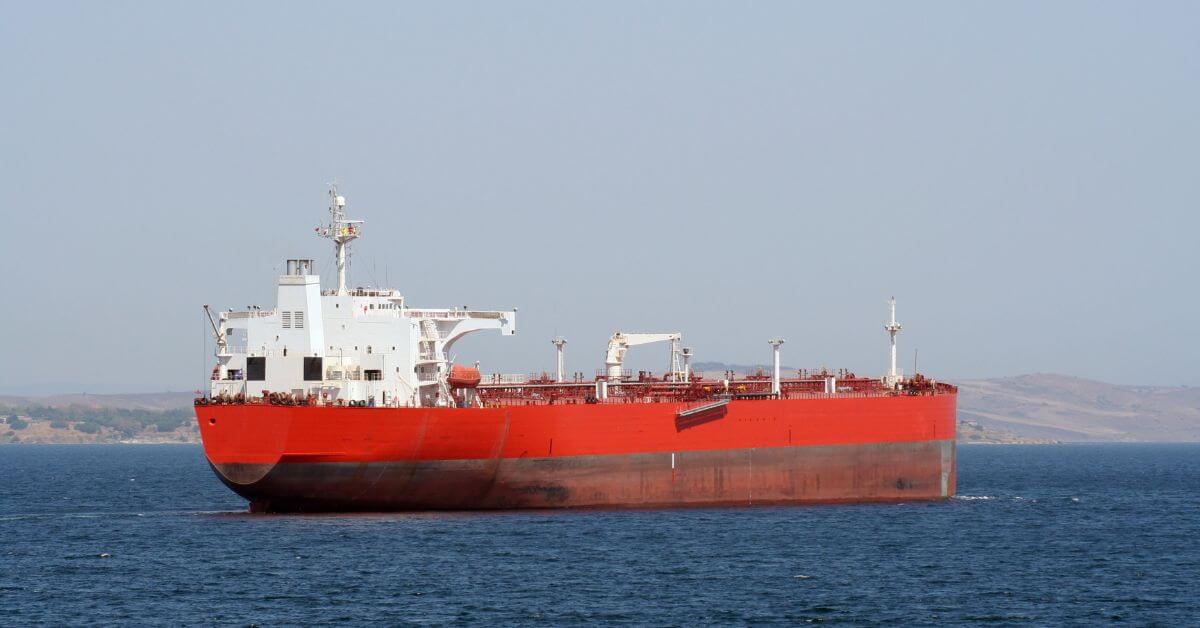
The United States is considering a tactical reversal: allowing some previously sanctioned shadow tankers back into commercial service, provided they do not carry Russian or Iranian oil. It is a pragmatic response to record-high freight rates, but it is not a solution to the structural problems driving those costs. For our readers, researchers, policymakers, and maritime professionals who track the intersection of ocean commerce and geopolitics, this signals a moment to watch closely, not a market shift to rely on.
The logic is straightforward. Wars involving Iran and Ukraine have compressed tanker supply, pushing freight rates to levels that make US crude less competitive for Asian refiners. By freeing up vessels that were sidelined for links to sanctioned trades, the administration hopes to move more oil from the Gulf and cool shipping inflation ahead of the November midterms. Yet the proposal comes with significant friction. As we noted in our coverage of Maritime fees signal friction in trade amid climate and shipping integration, regulatory complexity already imposes hidden costs on vessel movement. Here, the Treasury will review each sale individually, and insurers must still comply with EU and UK rules, meaning the practical effect may be far smaller than the policy headline suggests. Energy Aspects, a reputable research group, estimates that the released tankers, many old and poorly maintained, are unlikely to add meaningful capacity to the commercial fleet in the short term. Most of these vessels have continued trading during the past three months anyway, sanctions notwithstanding.
This is where our perspective diverges from the policy's apparent premise. The core problem is not a shortage of hulls but a shortage of hulls that can operate within a compliant, insurable framework. The shadow fleet exists precisely because its operators accept risk that legitimate commercial owners avoid. Lifting sanctions on a few aging tankers does not address the insurance gap, the war-risk premiums, or the rerouting of trade lanes that have driven rates upward. It also does little to help the next generation of ocean professionals who must navigate these complexities. Our recent piece on Supporting the next generation with a legacy of ocean knowledge underscored how essential it is to preserve institutional memory in maritime operations. That memory includes understanding why sanctions frameworks exist in the first place, and why piecemeal exceptions risk undermining their integrity without delivering market relief.
The most instructive parallel may be the Panama Registry's recent enforcement action, which we covered in Panama Registry Enforces Sanctions by Removing Three Tankers Tied to Iranian Oil. There, a flag state acted decisively to remove vessels linked to sanctioned Iranian cargoes, demonstrating that enforcement mechanisms can work when political will aligns. The current US proposal moves in the opposite direction: it offers a path back for vessels that were previously deemed too risky to sail. The takeaway for our readers is concrete: watch the Treasury's individual application reviews, not the policy announcement. If approvals are granted rapidly and without rigorous due diligence on the buyers, the plan risks reintroducing the same opacity it claims to manage. If approvals are slow and few, the headline will have outpaced the impact. Either way, the real test is whether freight rates respond measurably, and whether the vessels that return stay in compliant trade.