Russia’s Arctic oil project, the state-owned Rosneft’s Vostok, finally began oil production after Western sanctions stalled work and caused delays.
Moscow expects the crude terminal to boost its crude production after the U.S. overtook Russia to become the largest crude producer in the world, thanks to Shale.
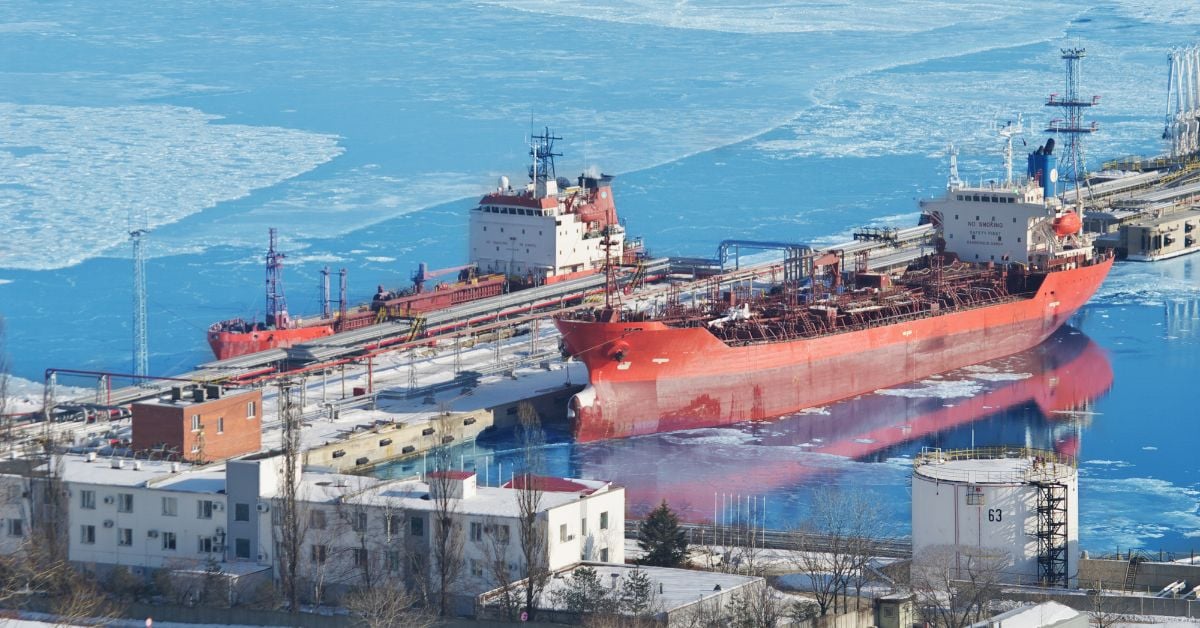
Vostok commenced loading crude on specialised ice-tankers in September through its Bukhta Sever Terminal, which was constructed recently on the Taimyr Peninsula.
Although the production at the facility remains 150,000 barrels per day, far from the expected 2 million barrels a day, Russia hopes to attain this in the coming months.
The Vostok project is a crucial one for Russia as it became operational when Moscow was faced with decreasing oil exports amidst U.S. sanctions and its war with Ukraine.
The project is supplied by 13 oil fields having 50 million barrels of crude, low in sulphur, which are connected to Bukhta Sever Terminal through a 790-kilometre-long pipeline.
Rosneft has faced increasing difficulties since 2022, when sanctions led to the exit of several key investors, such as Vitol and Trafigura. The government-owned corporation had to rely solely on domestic funds and assets, which caused delays and losses.
However, now that the project is operational, it will not only tap into the Arctic reserves but also offer a stable export hub far from drone or missile attacks which have struck Russia’s Black Sea ports and critical infrastructure, as its war with Ukraine continues.
Rosneft plans to expand the project with further development of northern greenfield reserves, including Payakha. This would lead to production of 600,000 bpd by 2027 end and a million bpd by 2030, company officials said.
At the beginning of this month, the Bukhta Sever terminal loaded 250,000 tonnes of crude into one Panamax and two Aframax tankers, which shipped the cargo to Murmansk for conducting a ship-to-ship transfer, ensuring it reaches Asia safely through the Northern Route. The three tankers were Valentin Pikul, Akademik Gubkin and Vladimir Monomakh.
Russia is focusing on boosting oil production and consequently increasing exports as the U.S. has strengthened its position by overtaking it as the largest crude producer.
Latest data from the US Energy Information Administration suggest that Russia’s average output of oil and condensate in 2025 was 9.9 million barrels per day, while the United States’ average production was 13.6 million barrels per day.