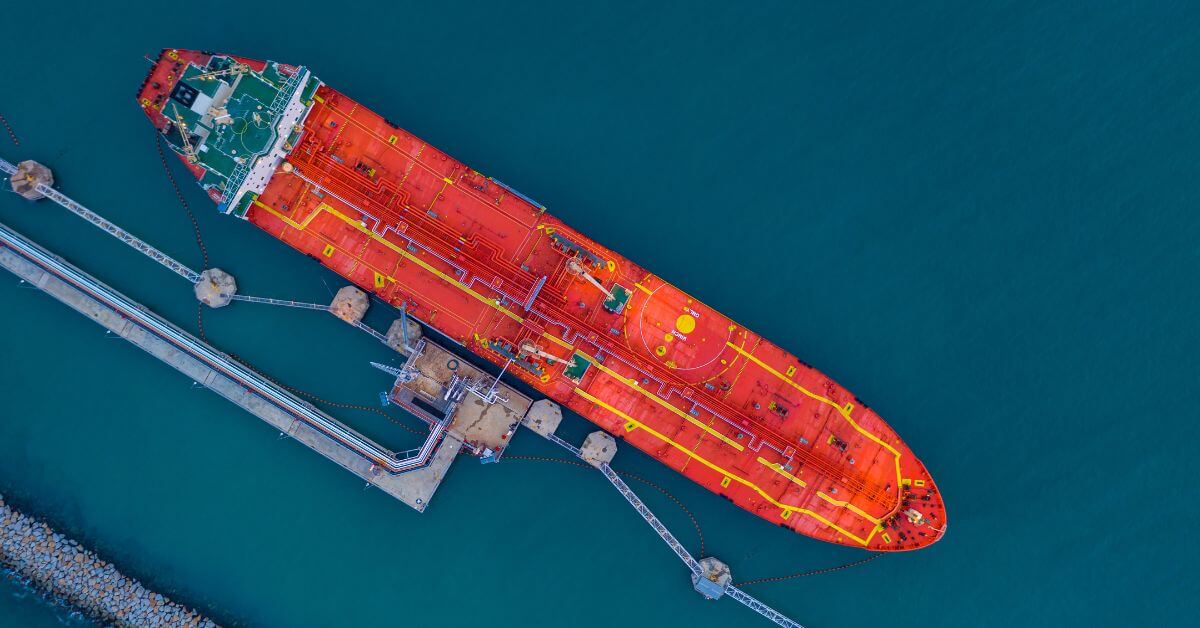
Understanding drives protection. The dispute between Seoul and Kyiv over fuel shipments to Russia is not a diplomatic sideshow, it is a stress test for the global sanctions architecture, and the results so far are inconclusive. Ukraine's sanctions commissioner, Vladyslav Vlasiuk, presented data showing that over 176,000 tonnes of petroleum products moved from South Korean ports to Russia's Far East in July and August, accounting for 31% of Russia's fuel imports in August. South Korea's presidential spokesperson rejected the claim as "inaccurate and inappropriate," while simultaneously announcing an investigation into the same shipments. That contradiction matters. It echoes the murky operational realities we have seen elsewhere: a Black Sea incident raises urgent questions on maritime safety and climate risk when a sanctioned tanker caught fire off Sochi, and the Attack on a civilian cargo ship at Odesa port claims one crew member reminded us that the human cost of this war is measured in lives, not tonnage.
For our readers, researchers, policymakers, and engaged citizens, the practical takeaway is this: trade data and sanctions lists are only as reliable as the tracking systems that validate them. South Korea has expanded its controlled export list from 57 items in March 2022 to 1,402 in June 2024, yet diesel, gasoline, and jet fuel remain absent from that list. A National Security Office official stated that government trade figures show no exports of those fuels to Russia between 2025 and August this year. But port records and ship-tracking data examined by The Guardian tell a different story: seven tankers made fourteen voyages to Russia's Far East in July and August, and some of those vessels were under UK and EU sanctions. The gap between what governments report and what empirical data reveals is the real story here. It is a gap that undermines the very purpose of calibrated, integrated sanctions regimes.
We are not in the business of assigning blame without evidence. But we are in the business of measuring what is measurable. Vladyslav Vlasiuk's figures are based on available data and reports, and South Korea is now checking those same records for export-control issues. That is exactly the right response: validate, then act. What remains unaddressed is the structural question. If 176,000 tonnes of fuel can move through the world's most monitored shipping lanes and trigger a diplomatic rebuttal before a factual one, how many other shipments are passing undetected? The specific detail to watch is the ownership chain of that fuel. Neither Ukraine nor South Korea has identified who owned or sold the petroleum products. Until that link is traced, the dispute remains a data gap, not a resolution.