maritime security
World Data Ocean keeps maritime security in one place: 103 stories so far. The section currently leads with “Tanker Struck by Rocket-Propelled Grenade Near Saudi Coast, UKMTO Reports”, “Drone Attacks Ignite Russian Tankers Off Romania's Black Sea Coast”, and “Black Sea Tanker Fire Prompts Investigation After Romanian Drone Reports”. A tanker northeast of Al Jubayl was struck by a rocket-propelled grenade fired from a small boat, UKMTO reports. Two tankers of Russian origin were struck by drones off Romania's Black Sea coast, igniting fires that underscore the growing intersection of geopolitical conflict and maritime risk. A Global Hub for Ocean Intelligence 4 World Data Ocean is a centralized digital platform where researchers, scientists, and ocean enthusiasts converge to… The list below is every maritime security story on World Data Ocean, newest first.
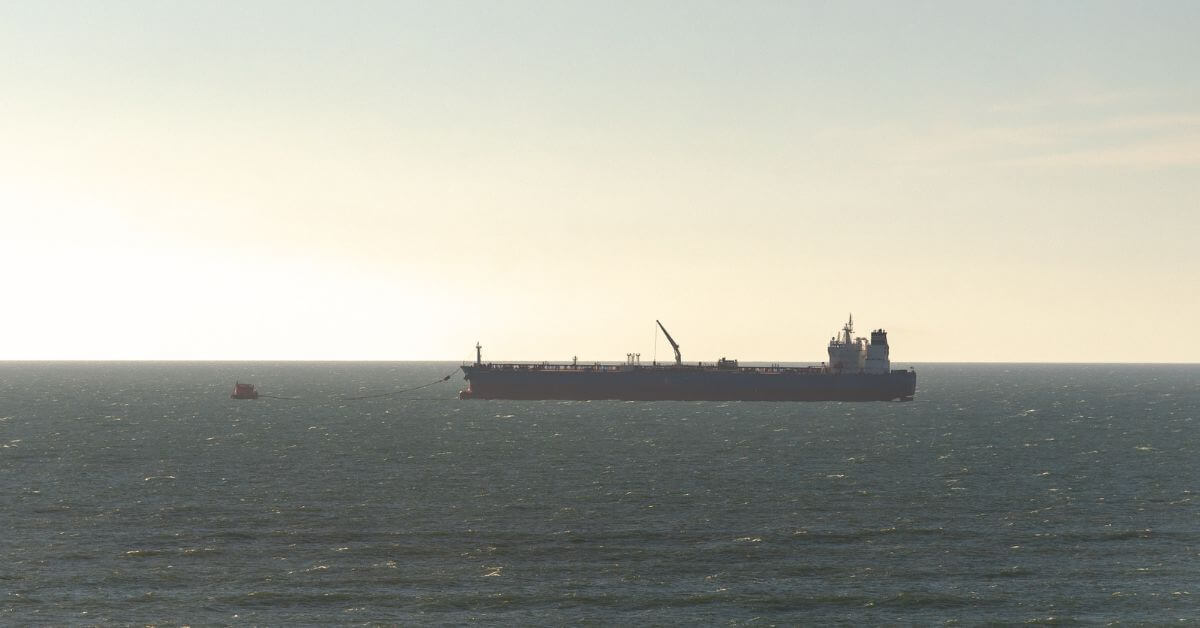
Tanker Struck by Rocket-Propelled Grenade Near Saudi Coast, UKMTO Reports
A tanker northeast of Al Jubayl was struck by a rocket-propelled grenade fired from a small boat, UKMTO reports. This direct attack on commercial shipping in Saudi waters adds another layer of risk to an already volatile maritime corridor. Measurable threats like this demand integrated security responses. For context on the expanding spectrum of naval hazards, see our coverage of the French frigate *Languedoc* neutralizing an airborne threat in the Bab el-Mandeb.
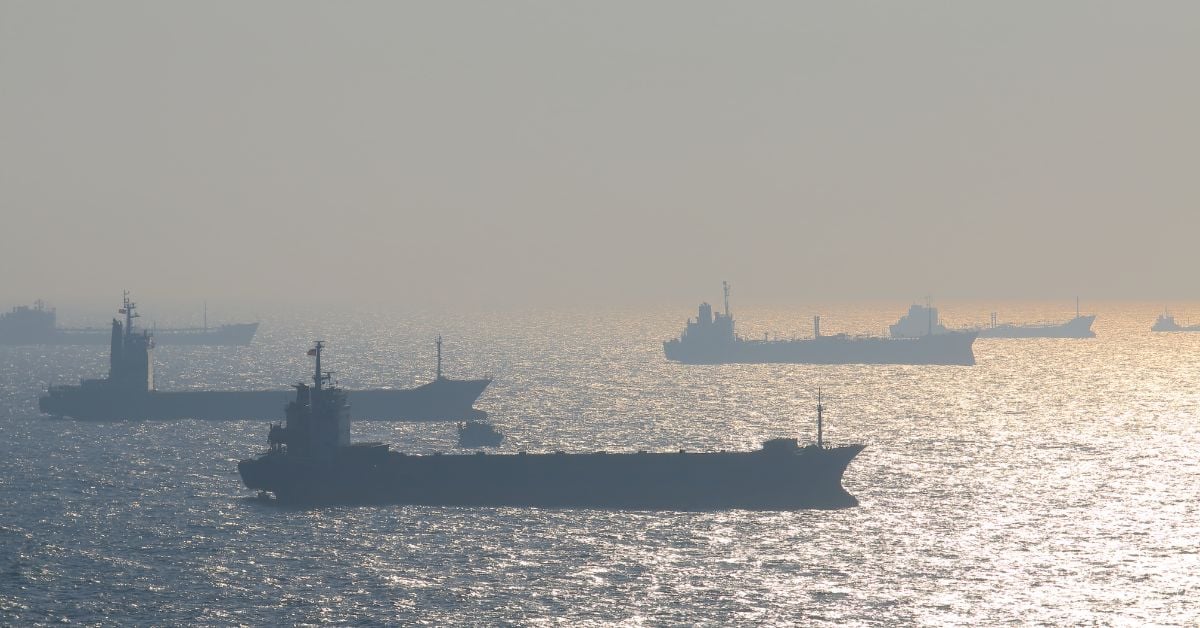
Drone Attacks Ignite Russian Tankers Off Romania's Black Sea Coast
Two tankers of Russian origin were struck by drones off Romania's Black Sea coast, igniting fires that underscore the growing intersection of geopolitical conflict and maritime risk. This incident demands empirical attention: such attacks disrupt trade routes and threaten marine ecosystems in a region already under environmental stress. For deeper context on how shifting trade dynamics and climate pressures are reshaping shipping, see our related coverage on maritime fees signaling friction in trade amid climate and shipping integration.
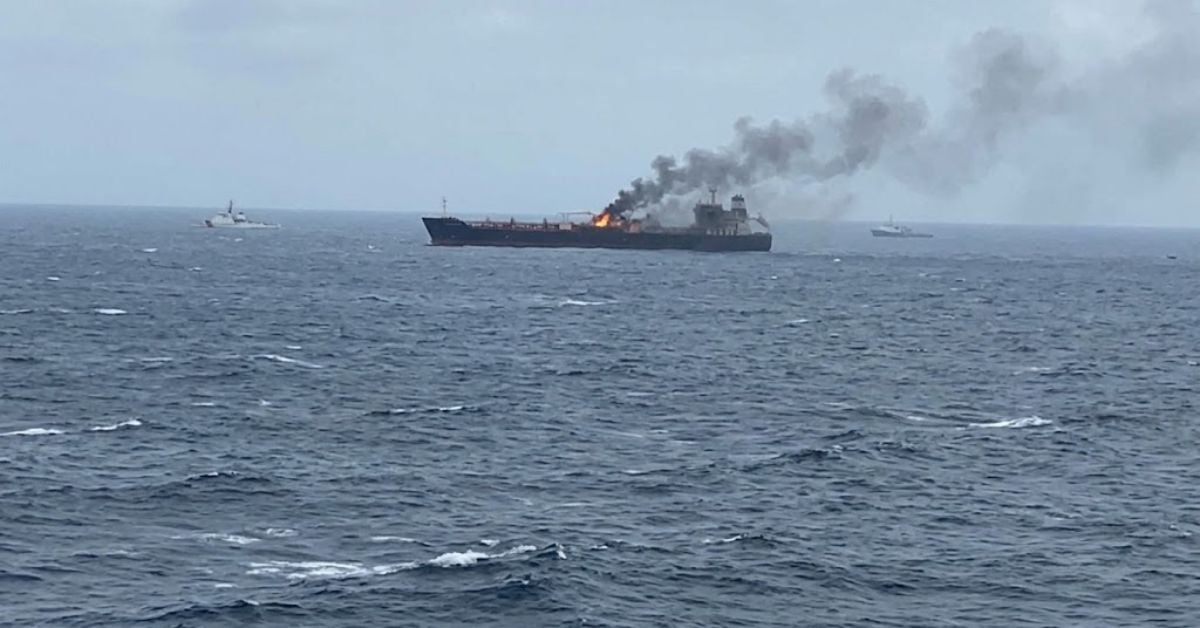
Black Sea Tanker Fire Prompts Investigation After Romanian Drone Reports
A chemical tanker anchored off Romania's coast is now the subject of an investigation after a fire broke out aboard the Yara J, 8-10 nautical miles southeast of the Sulina Canal. The Black Sea remains a theater of compounding threats, where environmental risk from aging vessels meets geopolitical instability. For readers tracking these converging maritime crises, our coverage of the *Three-drone strike sinks Maltese-flagged vessel near Bulgarian coast* documents an equally sobering intersection of commerce and conflict.
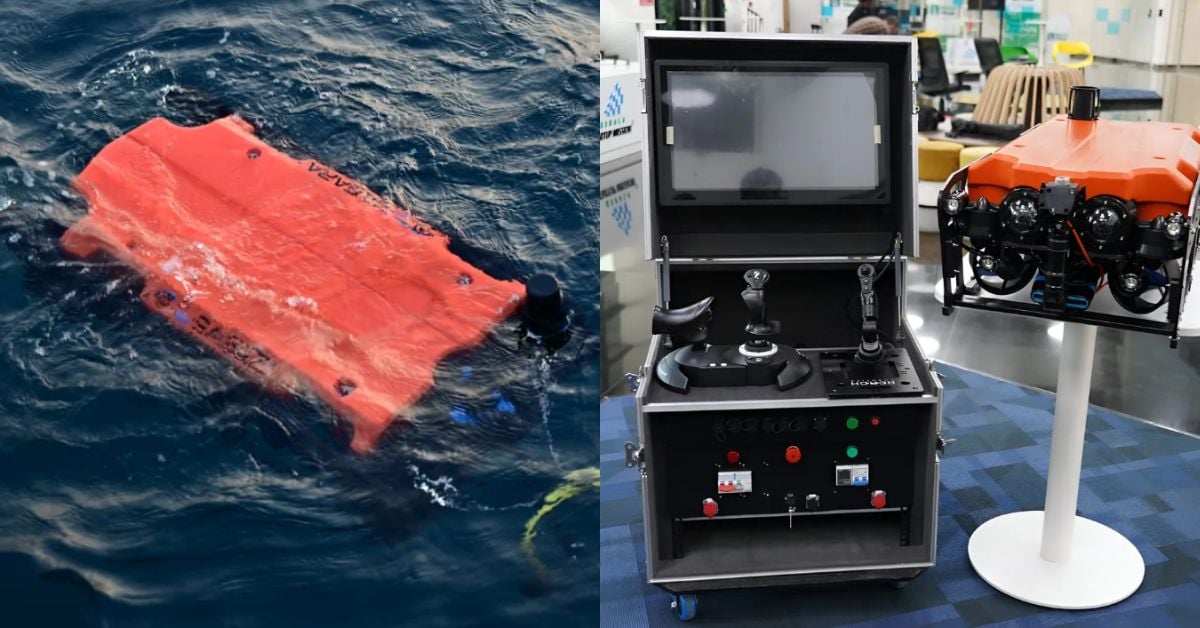
India deploys military-grade ROVs to advance ocean intelligence capabilities
India has deployed two military-grade underwater remotely operated vehicles (ROVs), built by Kerala-based maritime robotics firm EyeROV, to advance its ocean intelligence capabilities. These calibrated, integrated systems represent a measurable leap in real-time ocean data collection. As we noted in our coverage of the new AI and digitalisation pact between China Merchants Energy Shipping and RINA, the maritime sector is increasingly turning to validated technology for safety and emissions goals. Understanding drives protection, from the ocean floor to the surface.
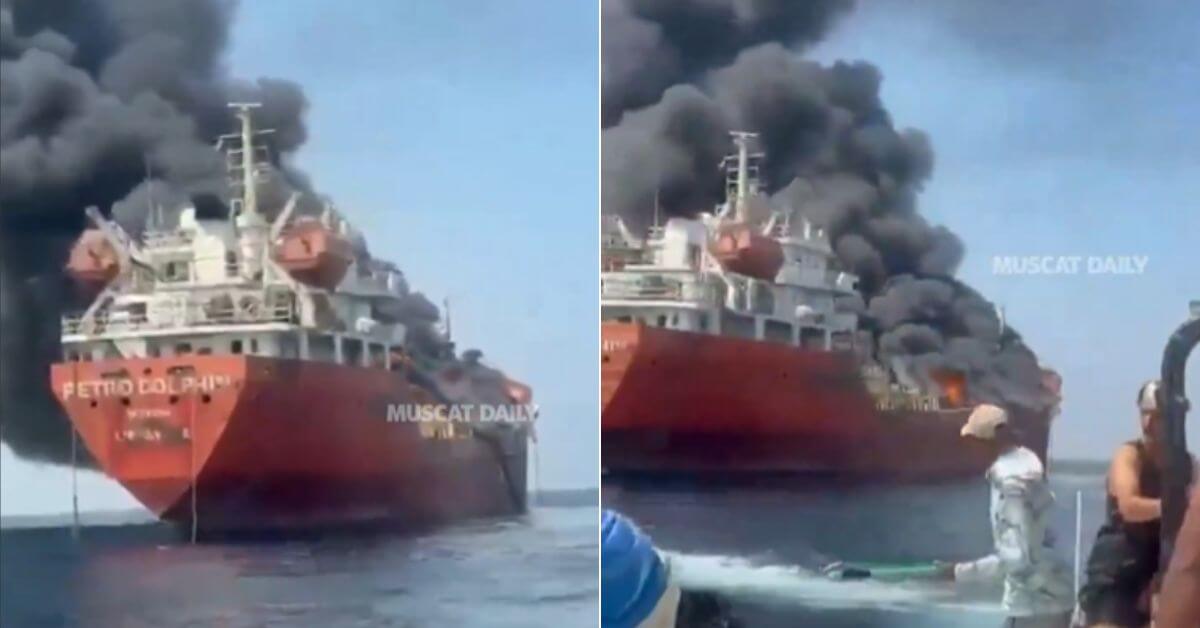
Drone and fire attacks target three tankers near Strait of Hormuz
Three tankers near the Strait of Hormuz were struck by coordinated drone and fire attacks, one drone strike off Oman, two more in the strait, and a separate blaze aboard an oil tanker in the Arabian Gulf. These incidents, in one of the world's most critical maritime chokepoints, are a measurable reminder that ocean security is inseparable from global stability. Our related coverage of stranded Iranian vessels off Sri Lanka further underscores how regional disruptions test supply chains and sanctions.
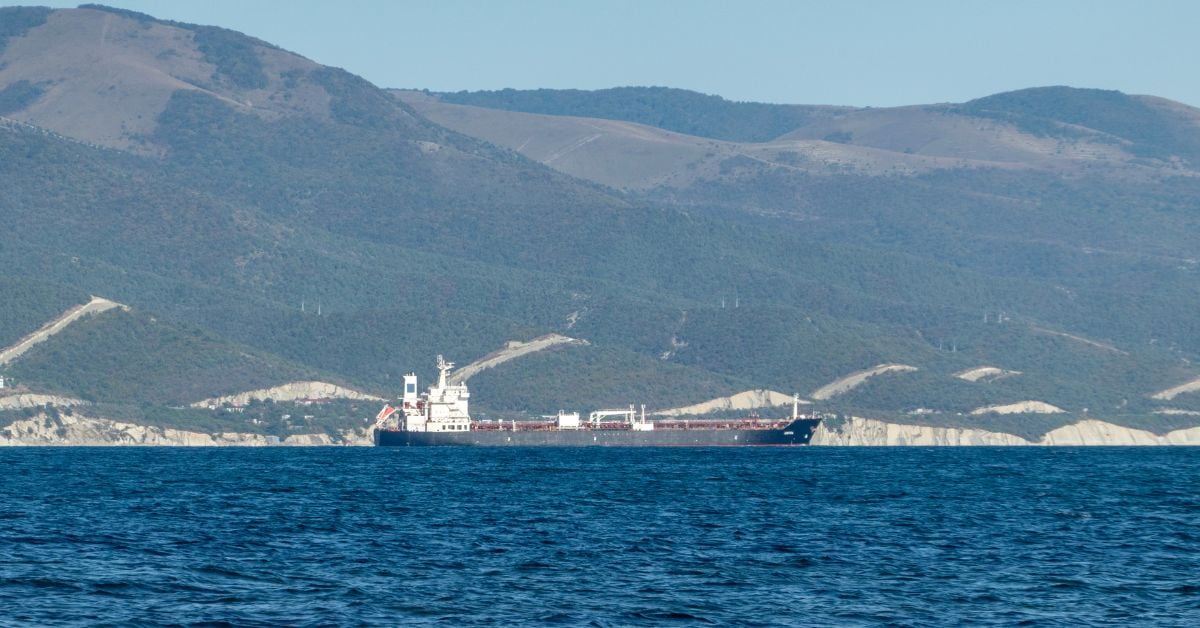
Drone strike targets Panama-flagged tanker with 22 Indian crew at Sharjah anchorage
A Panama-flagged crude oil tanker with 22 Indian crew members was struck by a drone at the Sharjah Anchorage. This incident underscores a troubling pattern: commercial vessels increasingly find themselves in harm's way. Our coverage of the abandoned cargo ship drifting through the Black Sea after a Russian drone strike reinforces that no maritime region is insulated from these threats. Measurable stability at sea remains a climate and food security indicator we cannot afford to ignore.
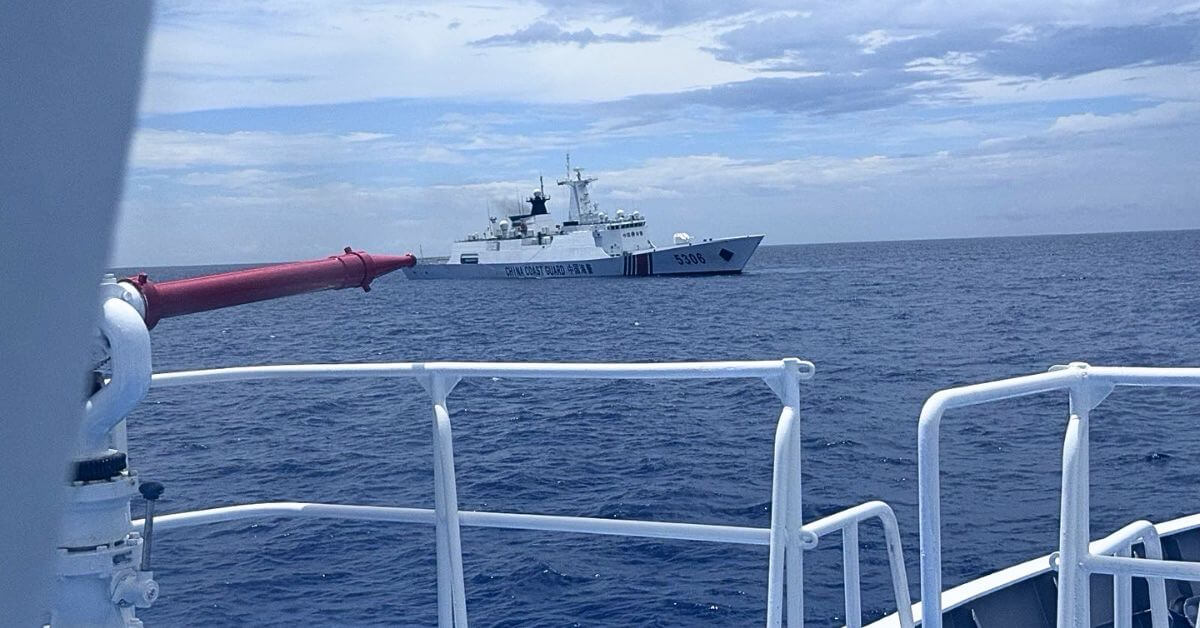
Escalation at Sea: Vessel Intercepted During Medevac in Contested Waters
A Philippine Coast Guard medevac turned into an escalation at sea when patrol vessel BRP Cabra was intercepted while attempting to evacuate a servicemember in contested waters. The incident underscores how even humanitarian operations can become flashpoints where maritime boundaries are disputed. Our coverage of rising tanker attacks near the Strait of Hormuz, including "Weekly tanker strikes near Strait of Hormuz reach highest count in years," shows this is part of a broader pattern of increasing risk across globally significant waterways.
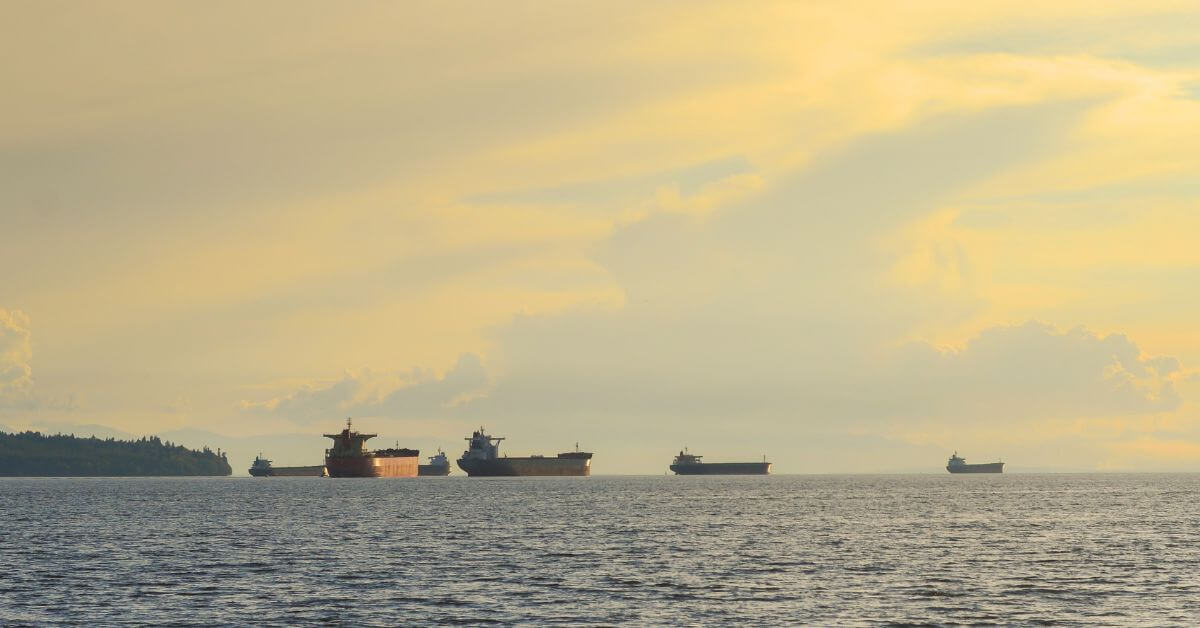
Weekly tanker strikes near Strait of Hormuz reach highest count in years
Twelve attacks on oil, LNG, and LPG tankers near the Strait of Hormuz in a single week mark the highest count in years, a measurable escalation in maritime risk. These are not isolated incidents; they are part of a broader pattern of aggression that demands empirical attention. For deeper context on the region's reliability, see our related coverage on verified transit data that counters Iranian claims of closure. Understanding these attacks requires calibrated, real-time intelligence, not alarm.
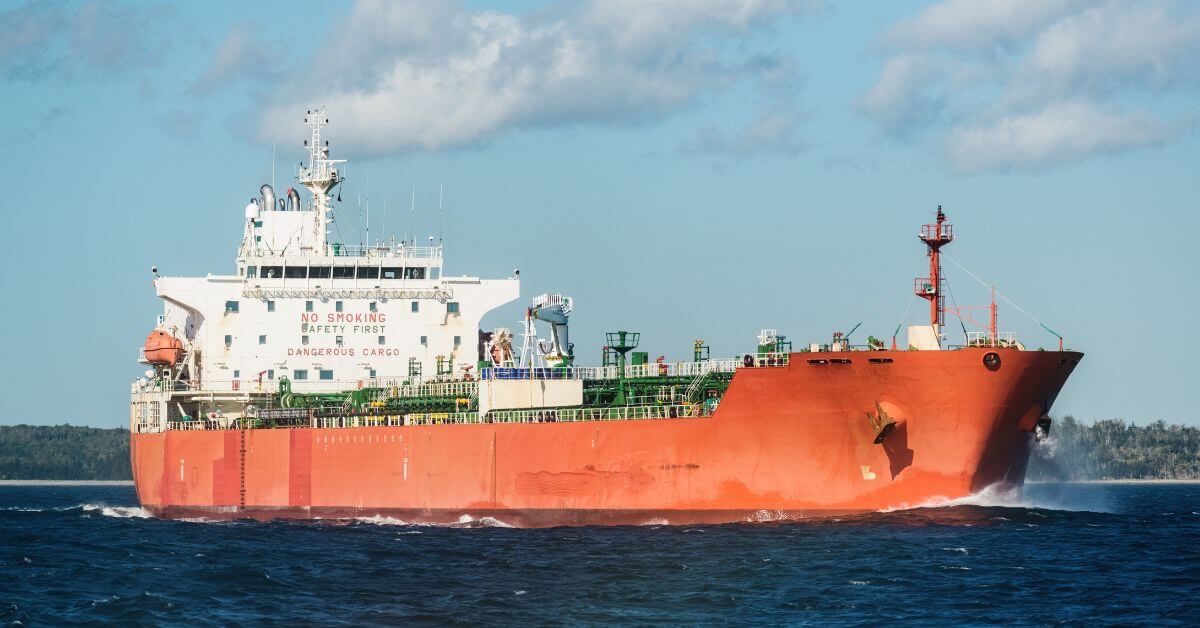
Risk premiums on global shipping lanes exceed $100,000 per month
Risk premiums on global shipping lanes now exceed $100,000 per month. Oil tanker captains sailing the Strait of Hormuz are offered up to that sum, plus a $50,000 bonus per crossing. These figures quantify a dangerous new reality for maritime commerce. Our related report, "Weekly tanker strikes near Strait of Hormuz reach highest count in years," documents at least 12 recent attacks. This is not abstract risk; it is a measurable, empirical cost of instability in a critical chokepoint.
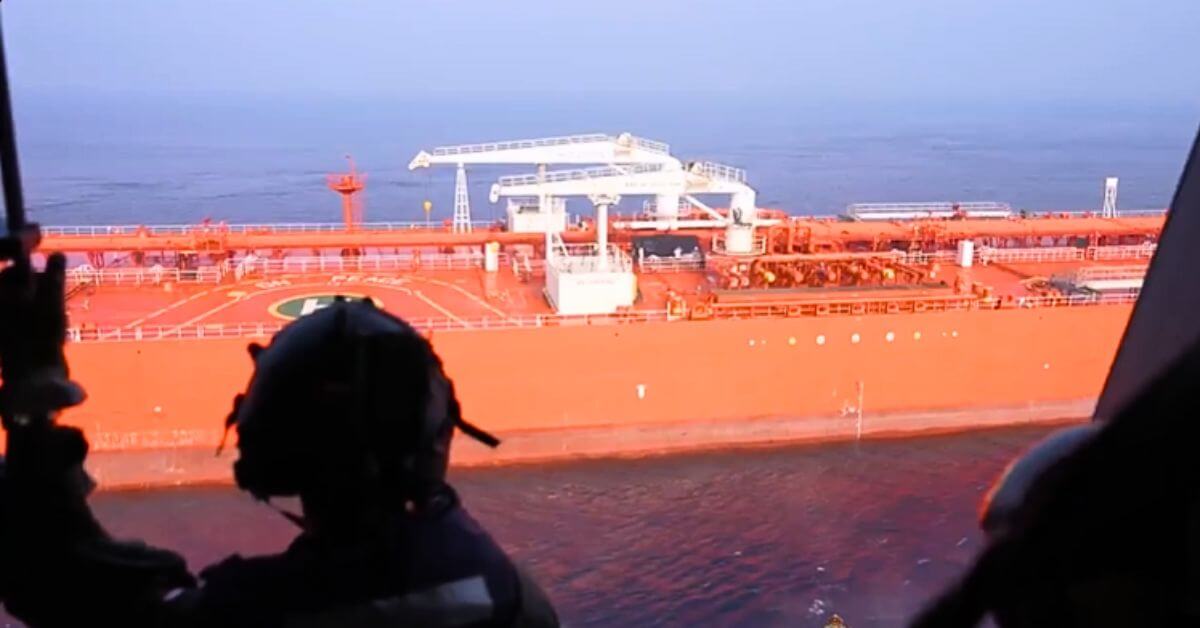
Injured crew evacuated after fire erupts aboard tanker in Strait of Hormuz
A fire and an attack on a tanker in the Strait of Hormuz injured 12 of its 19 crew members, prompting an evacuation confirmed by Oman's Ministry of Defence. This is not an isolated incident. The same volatile waters that demand calibrated maritime security now test the resilience of global trade routes. For deeper context on regional diplomatic efforts, see our coverage of "India Proposes Measured Maritime Truce to Protect Black Sea Shipping."
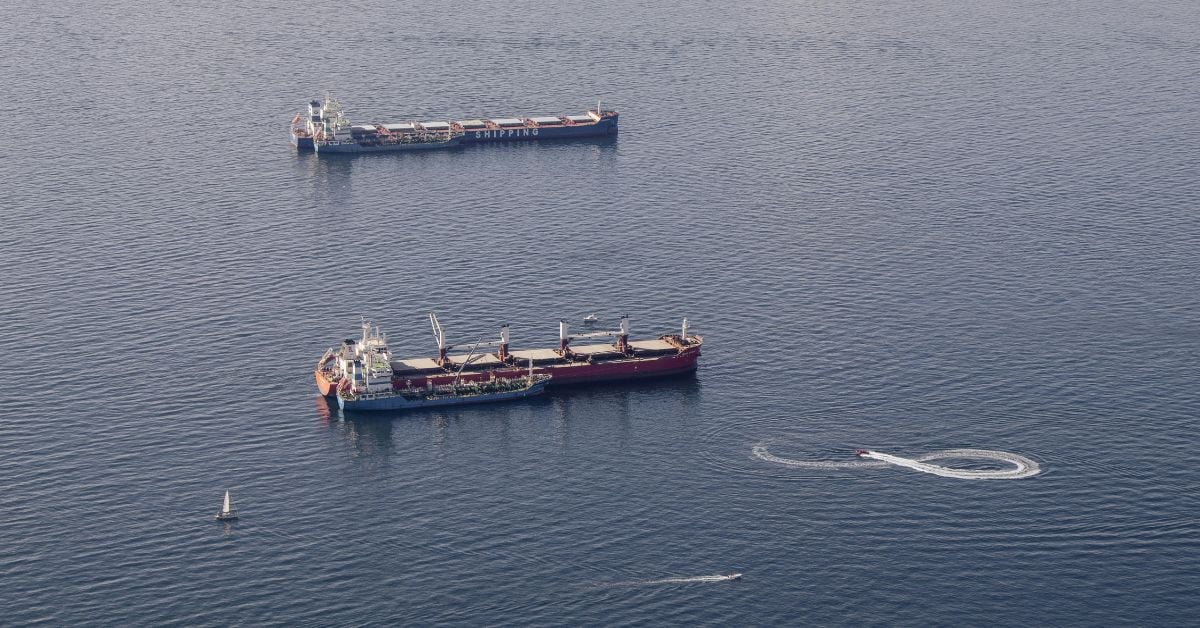
India Proposes Measured Maritime Truce to Protect Black Sea Shipping
India has proposed a measured maritime truce to protect commercial shipping in the Black Sea, offering a three-point framework to de-escalate the Russia-Ukraine conflict. This calibrated diplomatic intervention prioritizes verified cessation of attacks on vessels, a step toward restoring stability in a critical corridor. It is a purposeful move grounded in empirical security concerns. For deeper context on recent threats to seafarers, see our coverage of the drone strikes in the Black Sea that sank a freighter.
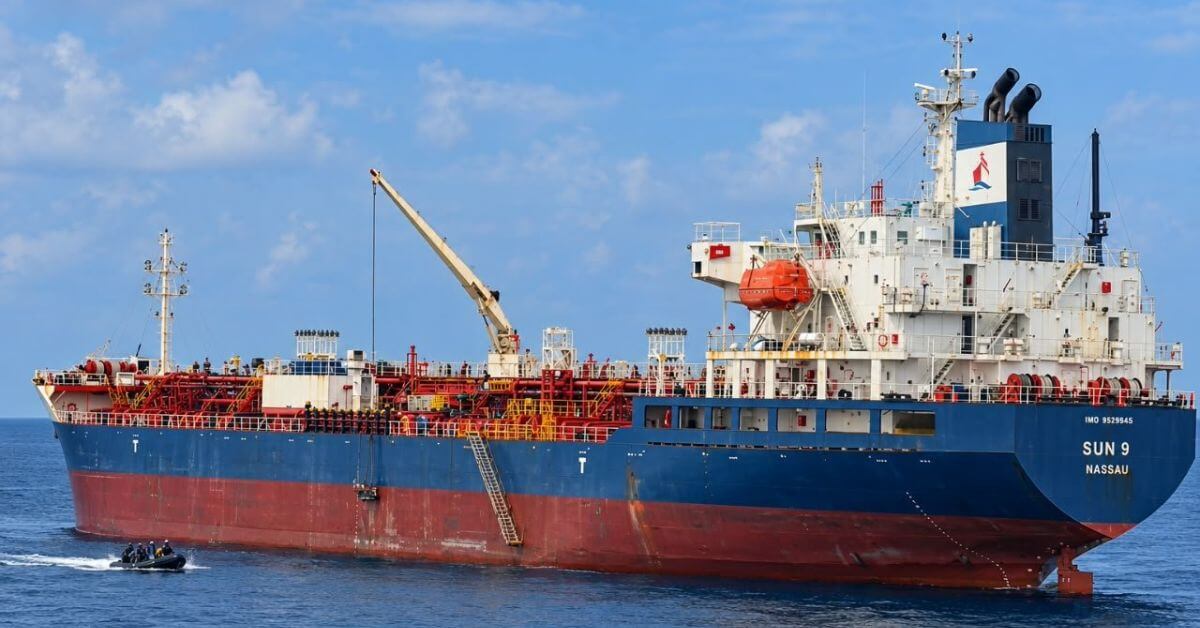
Coordinated response enables medical evacuation in Andaman Sea transit
A coordinated response turned hours of uncertainty into a single, precise operation. The Indian Navy evacuated an injured Vietnamese citizen from the merchant ship MT Sun 09 during transit in the Andaman Sea. This is what integrated maritime capability looks like: validated protocols, real-time decision-making, and a shared commitment to safety across international waters. Understanding drives protection. For deeper coverage on maritime security, see our report on delayed confirmations of five IRGC vessel incidents in the Strait of Hormuz.
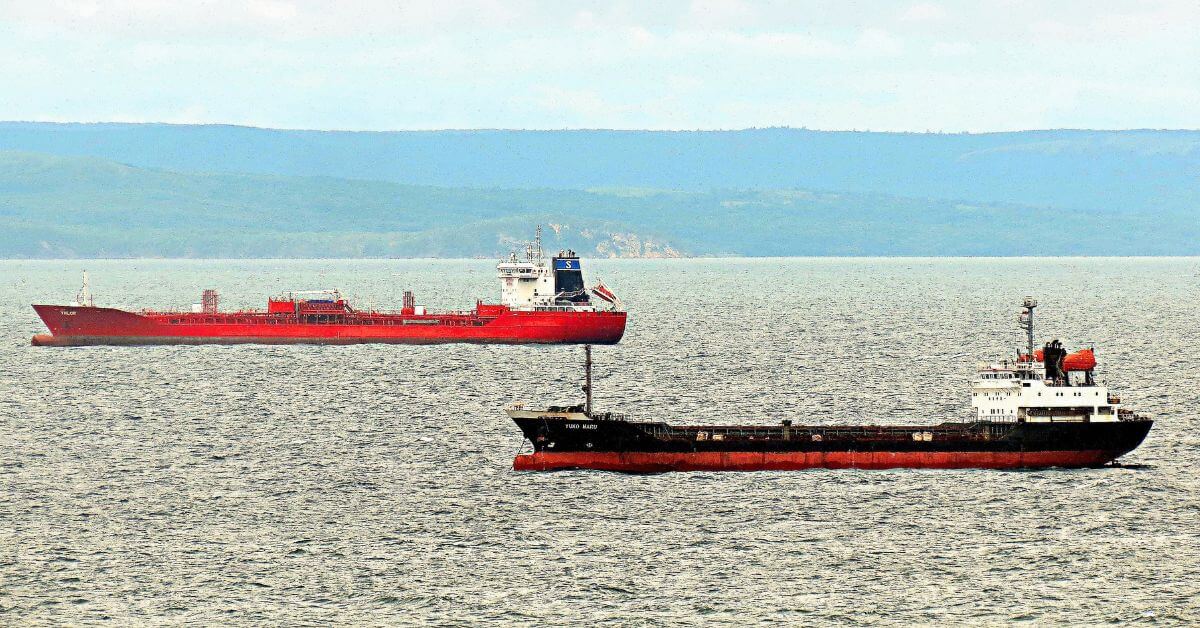
Delayed reports confirm five IRGC vessel incidents in the Strait of Hormuz
Five separate incidents involving IRGC vessels in the Strait of Hormuz were only confirmed after delayed reports reached the UKMTO on October 5, three of them dating back to October 3-4. This lag in reporting raises questions about transparency in one of the world's most critical maritime chokepoints. For broader context on regional maritime shifts, see our coverage of the calibrated movement of 2 million barrels of crude beyond the Strait. Understanding these patterns is essential.
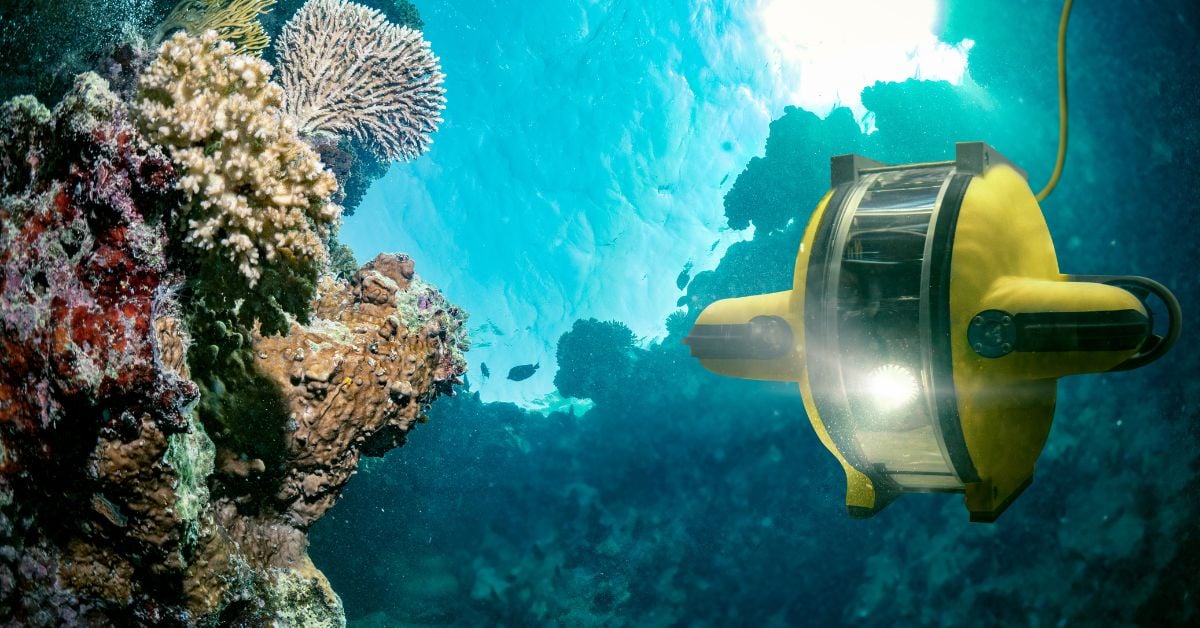
4500-Meter Autonomous Robot Extends South China Sea Observation Reach
China's new autonomous robot operates at depths of 4,500 meters, extending our observational reach into the South China Sea. This is measurable progress, empirical, validated engineering that adds real-time data from a region critical to climate indicators. The robot doesn't alarm; it informs. Understanding drives protection. For deeper context on naval ocean intelligence, see our coverage of the second U212NFS submarine's keel-laying. From the ocean floor to the surface, the integrated data ecosystem grows.
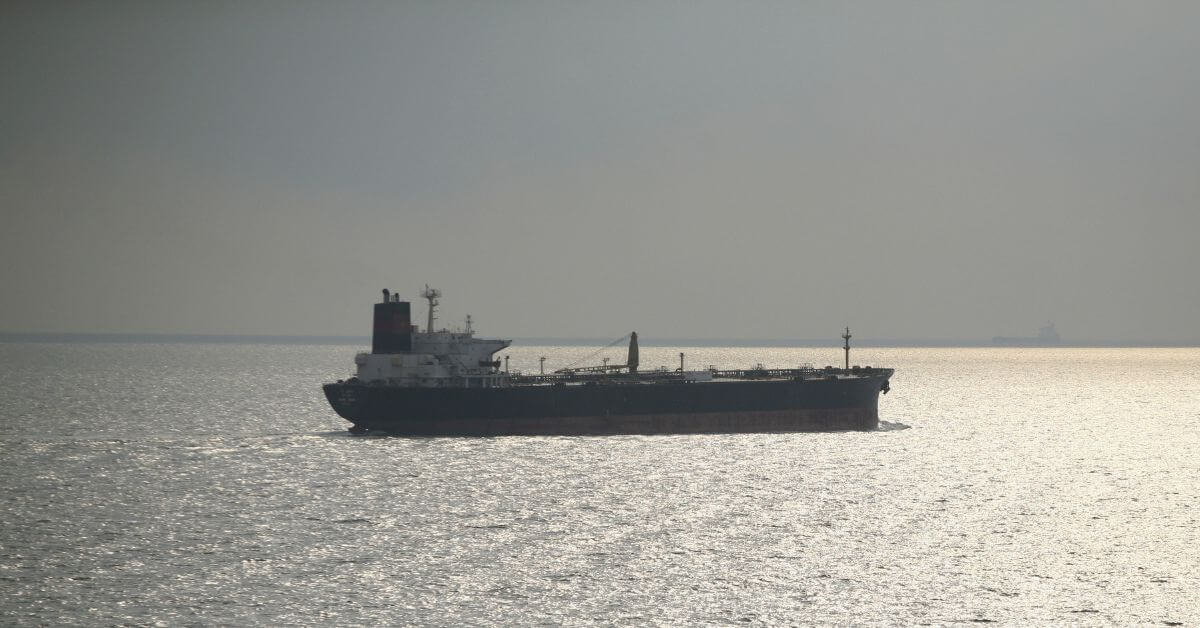
Explosions Reported Near Tanker Transiting Regional Waters, Crew Unharmed
A crew witnessed explosions while their tanker transited regional waters today. The company security officer reported the incident; all personnel remain unharmed. Maritime safety demands vigilance, and this event underscores the need for reliable reporting networks. No injuries, but the pattern is concerning. For deeper context on how geopolitical shocks are reshaping shipping routes, see our related analysis, "Geopolitical shocks reshape shipping routes with measurable regional divergence."
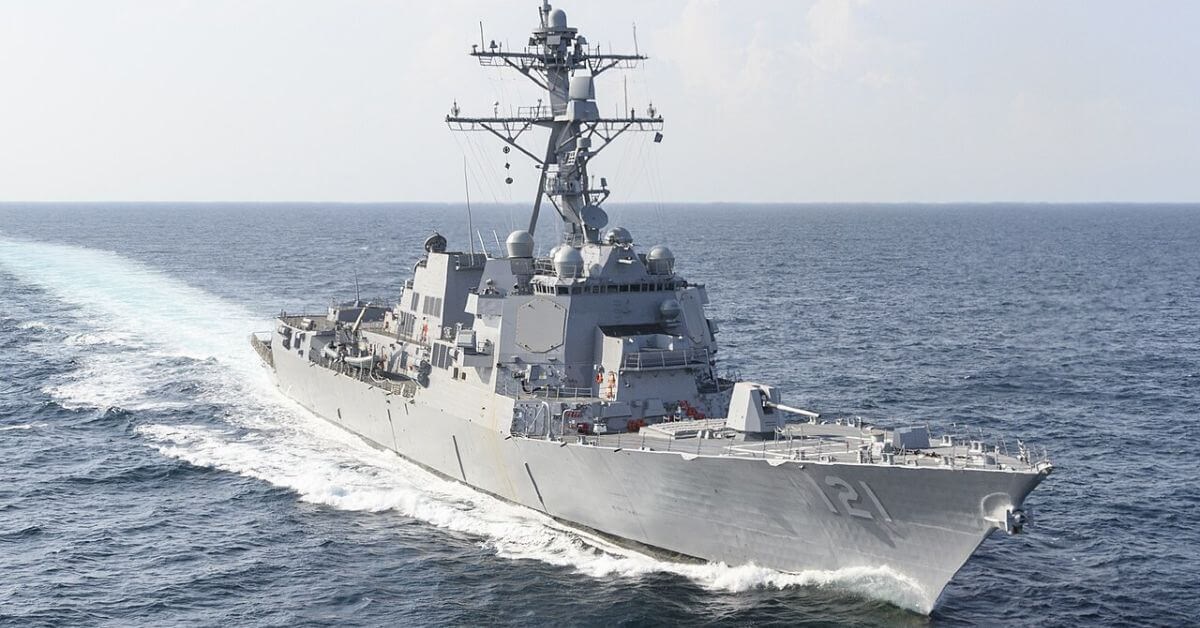
A 300-day deployment yields calibrated data from the Pacific theater
Ten months. Three hundred days of calibrated, real-time ocean intelligence from the Pacific theater. The USS Frank E. Petersen Jr. has returned to Pearl Harbor, and the data it gathered is now measurable and peer-reviewed. This is empirical evidence from a working warship, not a lab. Understanding drives protection. For deeper context on maritime security risks, see our coverage of the recent pirate attack on a hijacked tanker.
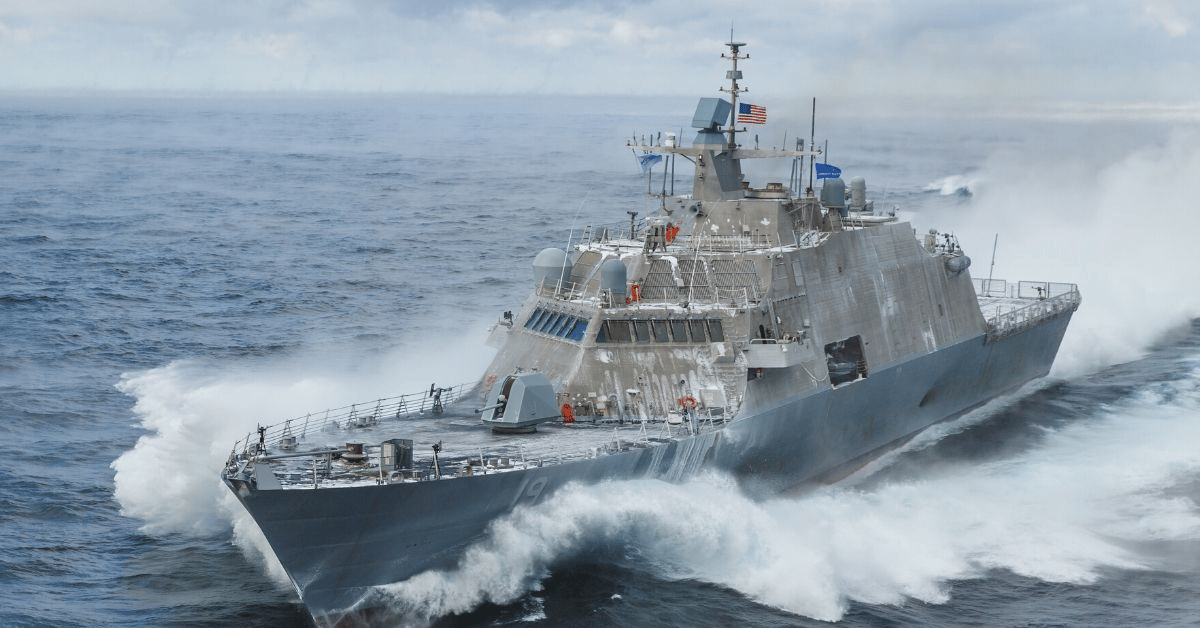
Two Navies, One Port: U.S. and Bahamian Forces Deepen Maritime Alignment
The USS St. Louis and USCGC Pablo Valent have deepened maritime alignment with Bahamian forces during a port visit to Nassau. This is not a ceremonial handshake, it is operational integration. When navies share a port, they share intelligence, response protocols, and a calibrated understanding of regional waters. For those tracking our coverage, the recent *Maritime Interdictions Yield 25,000 Pounds of Cocaine* report underscores how such cooperation directly disrupts transnational threats. Measurable alignment builds measurable security.
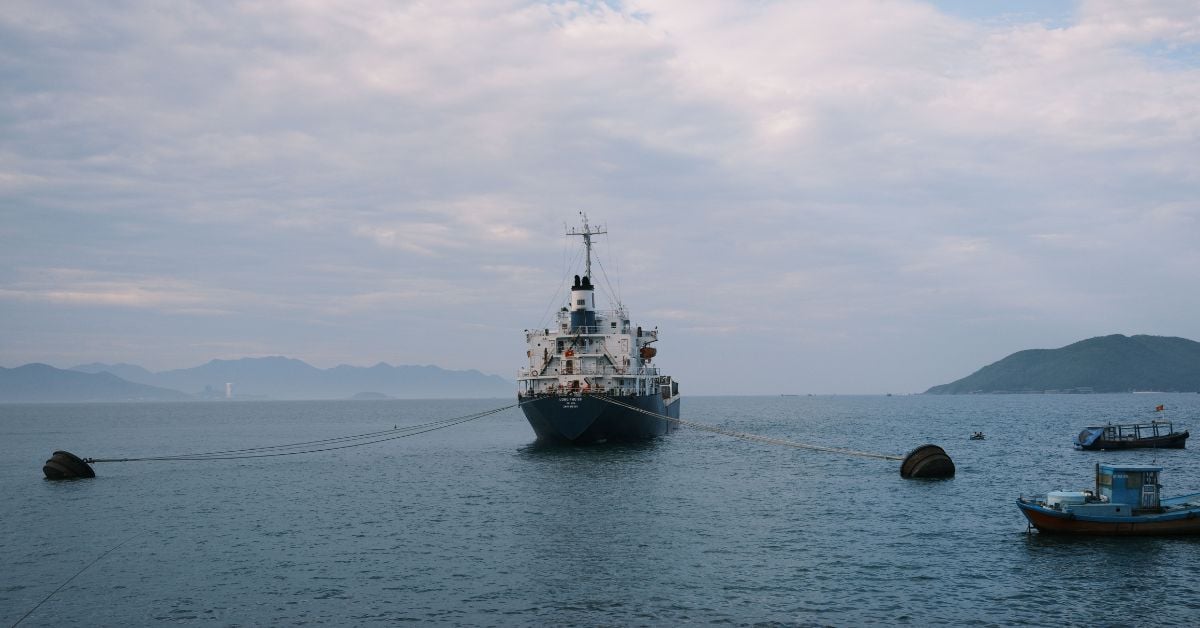
Iraqi Clan Retakes Hijacked Tanker in Five-Hour Gulf of Aden Action
A five-hour firefight in the Gulf of Aden ended with an Iraqi clan retaking a hijacked tanker from Somali pirates. This is not state-led naval intervention; it is tribal action with measurable results. The Al-Shaghanba clan demonstrated that localized force, when calibrated and decisive, can succeed where broader operations often stall. Such empirical outcomes challenge assumptions about maritime security. For deeper context on regional interdiction efforts, see our coverage of "Puntland Forces Intercept Hijacked, US-Sanctioned Oil Tanker After 48 Hours."
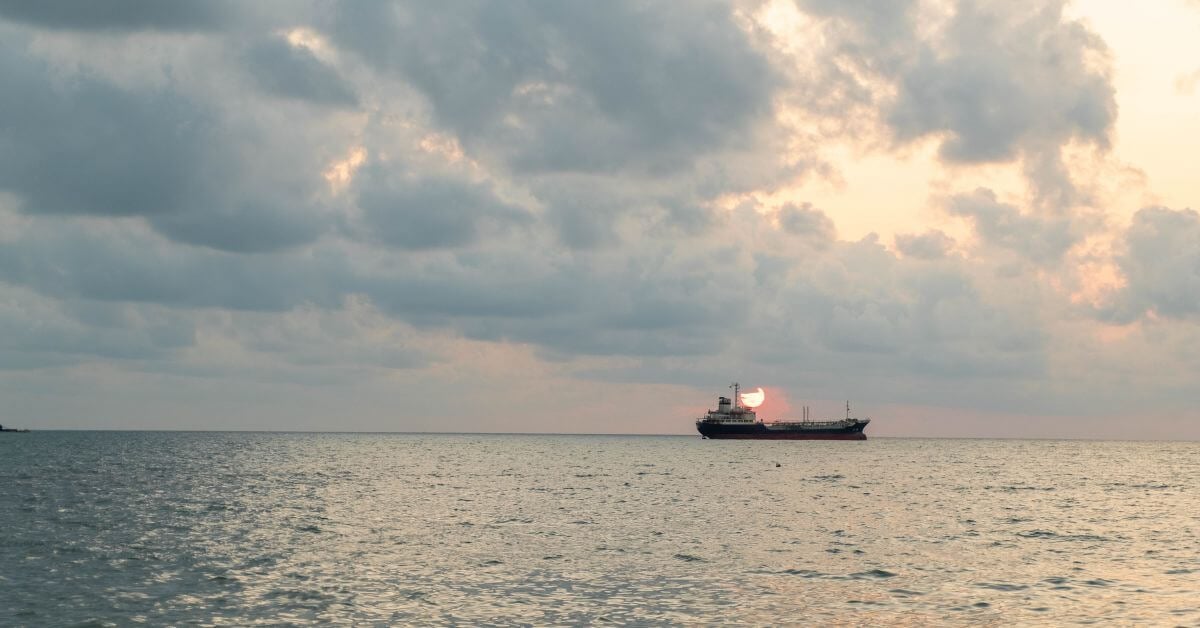
Eighty Nations Urge Reopening of Vital Strait of Hormuz Shipping Lane
Eighty nations, led by Bahrain's foreign minister, have formally urged the United Nations to reopen the Strait of Hormuz, a waterway that carries nearly a fifth of global oil supply. The collective call is a measured but firm push for maritime stability, grounded in shared economic and security interests. Diplomacy, not disruption, is the clearest path forward here. For those tracking the region's momentum, our related piece on phased negotiations between Washington and Tehran offers useful context on what reopening might actually require.
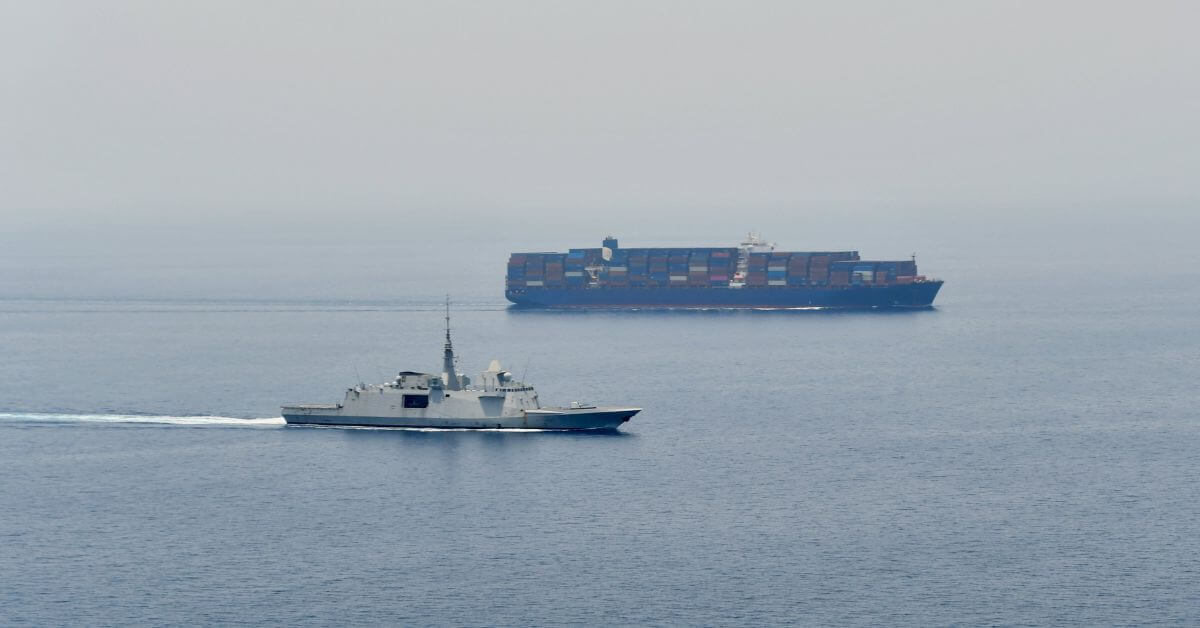
Expanded Naval Presence Calibrated for Red Sea Shipping Security
The European Union's call for more than ten warships to secure Red Sea shipping marks a calibrated response to a persistent threat. Kaja Kallas, the bloc's foreign policy chief, made the case on Monday, framing the expanded naval presence as a necessary measure for maritime stability. The numbers are telling: this is not a symbolic gesture but a concrete commitment.
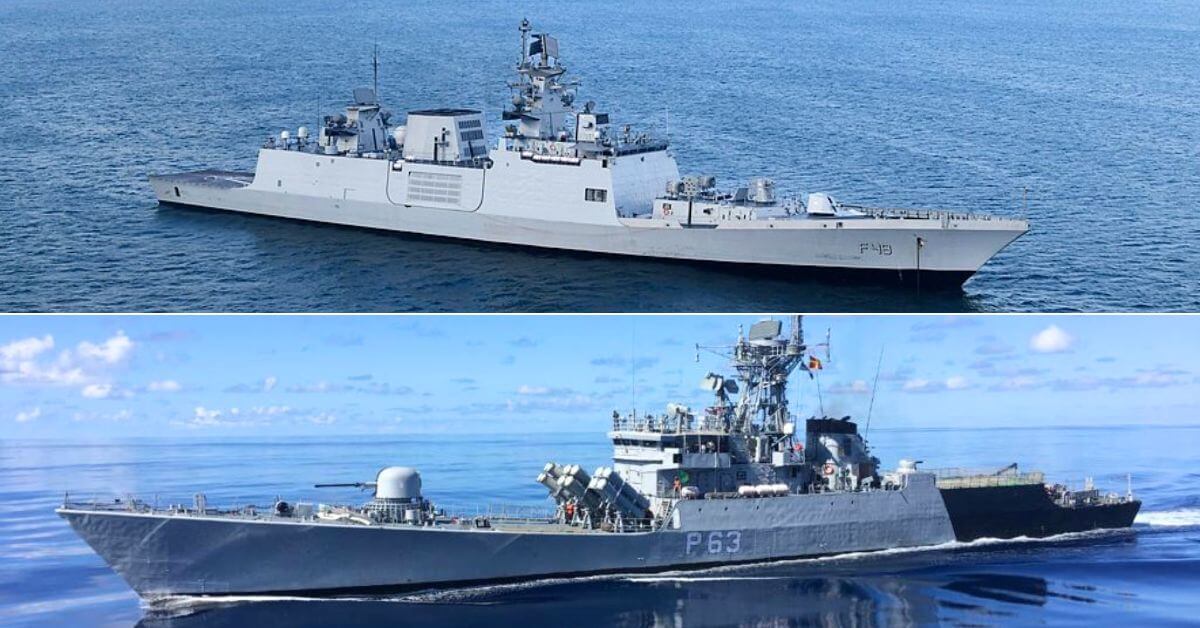
Integrated Maritime Data Collection Underway in Philippine Exercise
The INS Sahyadri and INS Kulish have arrived at Subic Bay, marking the start of integrated maritime data collection during a Philippine exercise. This is a practical demonstration of how naval assets can work together to gather empirical, real-time ocean intelligence. The mission underscores the value of measured, collaborative operations in a region where climate indicators and security concerns increasingly overlap. For broader context on how such efforts align with future fleet ambitions, readers may explore our related coverage on India's expanded naval projections.
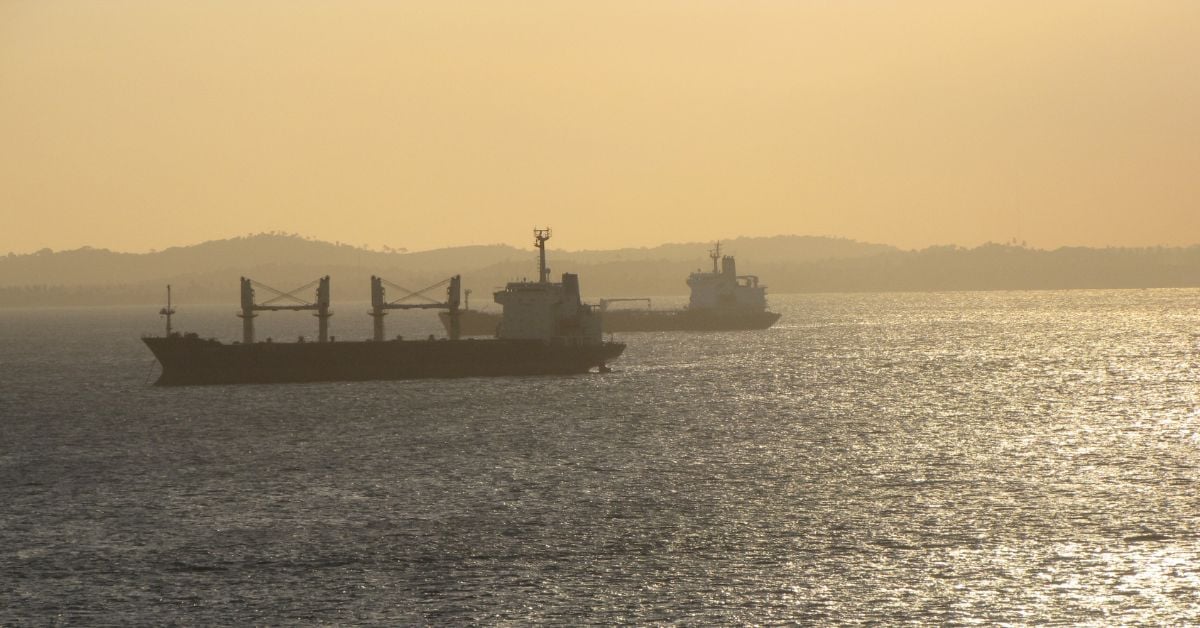
Maritime Cybersecurity Incident: U.S. Coast Guard Boards Vessels Following Cyber Breach
The U.S. Coast Guard's boarding of vessels on August 21, following a cyber breach attributed to "foreign cyber actors," signals a sobering reality: maritime security now extends well beyond physical threats. This action is a measured, necessary response, yet it raises questions about the vulnerability of our integrated data ecosystems. The Coast Guard's restraint in naming the actors is understandable, but the incident underscores a collective urgency. Such disruptions ripple across global shipping lanes, reminding us that ocean intelligence must include cybersecurity.
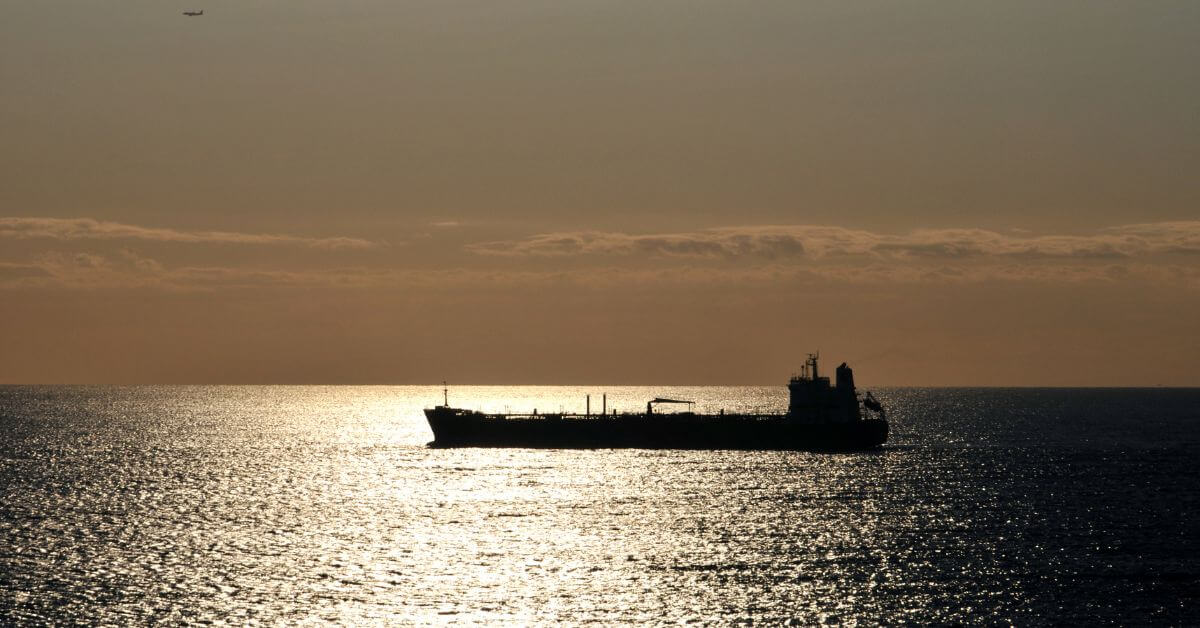
Disputed Incident: U.S. Challenges Iran's Account of Tanker Attack
The United States has rejected Iran's account that the Panama-flagged oil tanker El Gaia struck a naval mine in the Strait of Hormuz, casting further doubt on a waterway already strained by diplomatic friction. Attribution matters here, and so does verification. Disputed incidents like this one do not clarify; they complicate. The stakes are measurable, and the margin for error is thin.
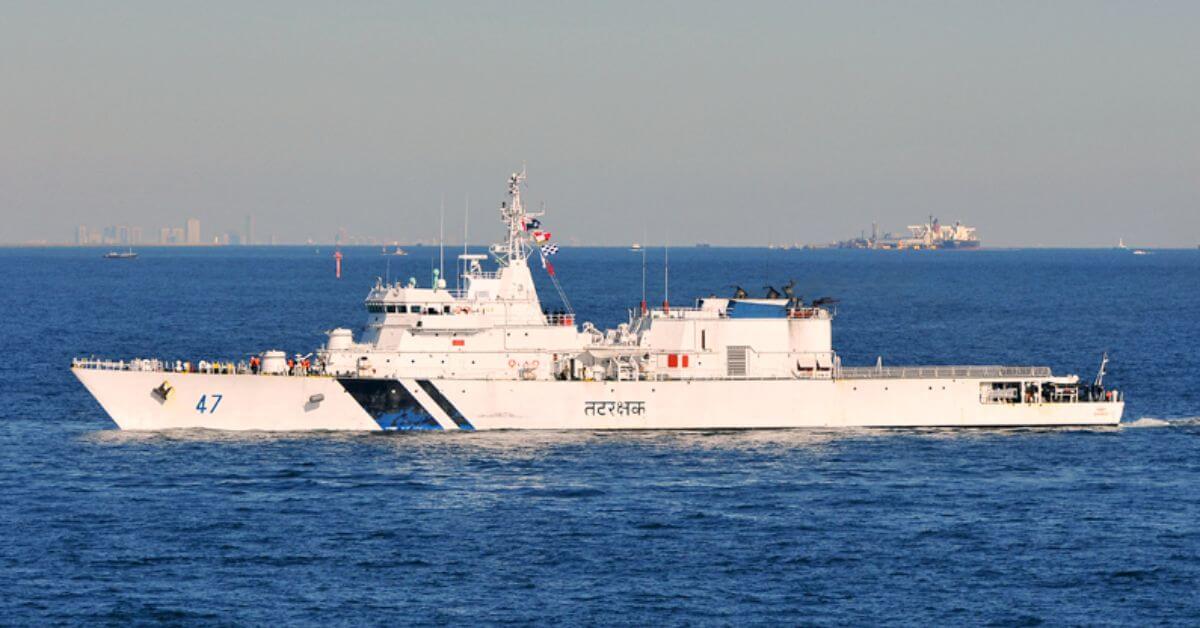
Coast Guard Intercepts Suspected Oil Smuggling Vessel Near Mumbai.
At 2:10 p.m. on September 10, the Coast Guard acted on intelligence of unauthorized activity near an offshore oil rig off Mumbai, intercepting a suspected oil smuggling vessel. This interdiction underscores the persistent challenge of maritime crime and the need for constant vigilance. Protecting ocean resources requires more than data; it demands decisive, real-world enforcement. For broader context on maritime security operations, see our coverage of "Maritime Interdictions Yield 25,000 Pounds of Cocaine, Supporting Ocean Security."