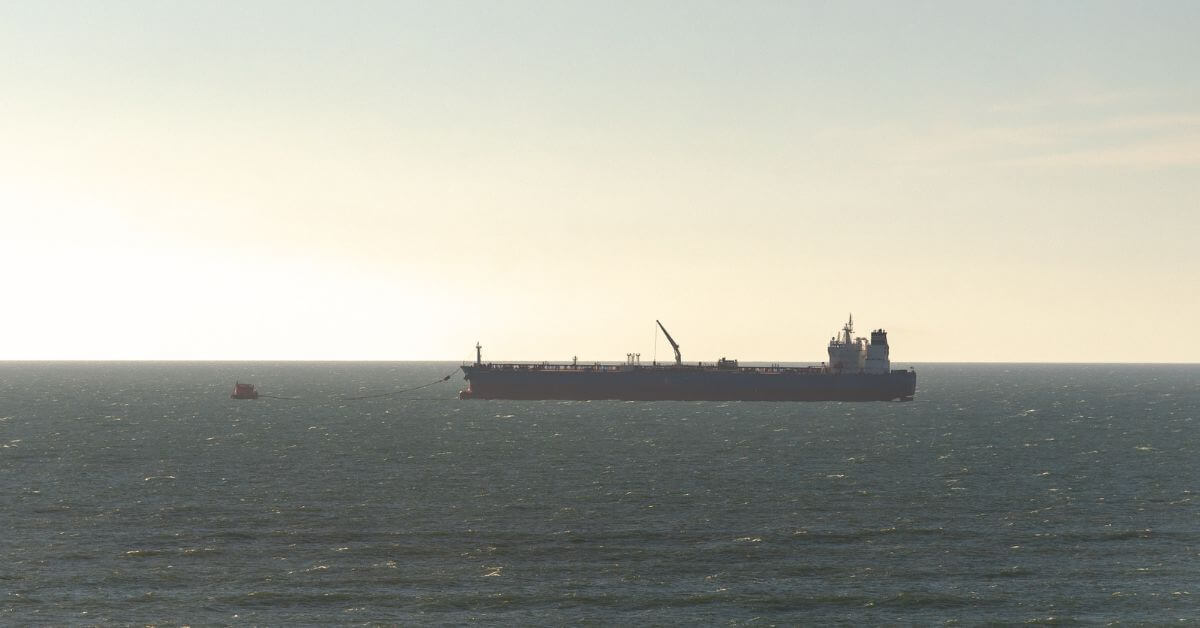
An oil tanker struck by a rocket-propelled grenade in the Persian Gulf is not an isolated act of piracy; it is a measurable data point in a worsening pattern of maritime insecurity that demands integrated, empirical analysis. The United Kingdom Maritime Trade Operations report that a small boat launched an RPG that struck the vessel's aft port quarter, with the crew safe but the full damage and environmental impact still unassessed, tells us two things clearly. First, commercial shipping in this corridor now faces a threat that is both precise and persistent. Second, without real-time, peer-reviewed incident data, the maritime community cannot build the predictive intelligence needed to protect vessels, crew, and the ocean itself. This attack, occurring alongside the Houthis' claimed missile and drone campaign against Saudi infrastructure, reinforces that these are not separate crises but signals within an integrated data ecosystem of regional instability.
We have tracked similar escalations in other strategic waterways. The recent French Defense Vessel Neutralizes Airborne Threat in Bab el-Mandeb Strait demonstrates that navies are already responding to drone and missile threats in the Bab el-Mandeb, a chokepoint that connects the Red Sea to the Gulf of Aden. Meanwhile, Drone Attacks Ignite Russian Tankers Off Romania's Black Sea Coast shows that the weaponization of small, cheap airborne platforms against tankers is not a regional anomaly but a global operational reality. What connects these incidents is the absence of a calibrated, longitudinal data framework that allows shipping companies, insurers, and navies to validate threat patterns over time. The UKMTO advisory urging caution is prudent, but it is reactive. The ocean intelligence community must move from reporting individual strikes to building a validated, measurable picture of how these attacks correlate with geopolitical triggers, seasonal weather, and vessel traffic density.
The open question here is environmental. The tanker's damage is confirmed, but the assessment of potential pollution is incomplete. A single hull breach in the Persian Gulf could release crude into one of the world's most ecologically and economically vital basins. This is not alarmism; it is a practical consequence of an uncalibrated security environment. The Houthi military spokesperson claimed strikes on Saudi Aramco facilities and a refinery, but the supplied information does not independently verify those claims. What is verifiable is that a tanker was hit, and that the weapon used, an RPG, is a direct-fire, short-range munition, meaning the small boat closed to within meters of its target. That degree of access in a busy shipping lane points to a failure in layered maritime domain awareness. For our readers, researchers, policymakers, mariners, the concrete takeaway is this: the region needs a peer-reviewed, real-time incident reporting standard that goes beyond advisories and delivers empirical data on attack vectors, vessel vulnerabilities, and response times. Without it, every attack remains a singular event rather than a climate indicator of maritime risk. The detail to watch now is not just who launched the RPG, but whether the investigation produces the calibrated data that will let the next master avoid the same damage.