iran
World Data Ocean keeps iran in one place: 179 stories so far. The section currently leads with “Diplomatic Talks Test Conditions for Reopening the Strait of Hormuz”, “Two million barrels of crude oil released as supertanker strikes naval mine in Hormuz”, and “Cargo spill in the Strait of Hormuz scatters consumer goods across shipping lane”. Diplomatic talks on reopening the Strait of Hormuz remain stalled, with Washington and Tehran locked over sanctions, regional hostilities, and Iran's nuclear programme. A supertanker carrying two million barrels of crude oil has struck a naval mine in the Strait of Hormuz, releasing its cargo into one of the world's most strategic waterways. A Global Hub for Ocean Intelligence 4 World Data Ocean is a centralized digital platform where researchers, scientists, and ocean enthusiasts converge to… The list below is every iran story on World Data Ocean, newest first.
Diplomatic Talks Test Conditions for Reopening the Strait of Hormuz
Diplomatic talks on reopening the Strait of Hormuz remain stalled, with Washington and Tehran locked over sanctions, regional hostilities, and Iran's nuclear programme. These test conditions demand calibrated, empirically grounded negotiation, not alarmist posturing. Measurable progress on security guarantees and validated compliance mechanisms could unlock a pathway. For context on maritime security dynamics, see our coverage of the French frigate Languedoc neutralizing an airborne threat in the Bab el-Mandeb Strait. Understanding drives protection, and shared ocean intelligence is essential here.
Two million barrels of crude oil released as supertanker strikes naval mine in Hormuz
A supertanker carrying two million barrels of crude oil has struck a naval mine in the Strait of Hormuz, releasing its cargo into one of the world's most strategic waterways. This is not merely a spill; it is a measurable disruption to global energy flows and a stark, empirical signal of escalating maritime risk. The incident underscores the urgent need for integrated ocean intelligence.
Cargo spill in the Strait of Hormuz scatters consumer goods across shipping lane
Perfume bottles and iPhone boxes now float in the Strait of Hormuz, scattered from a cargo spill that has turned a critical shipping lane into an improvised retrieval zone. This is not a story about lost luxury goods, it is a measurable disruption in a calibrated global supply chain. Such incidents remind us that ocean intelligence requires real-time awareness of every vessel and its cargo.
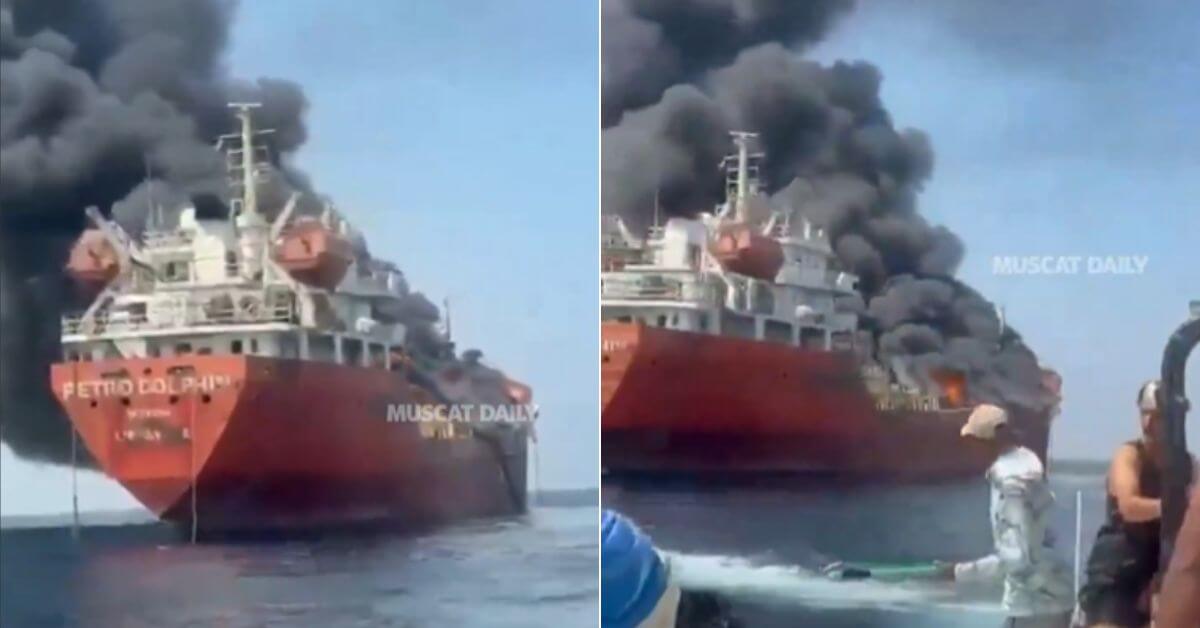
Drone and fire attacks target three tankers near Strait of Hormuz
Three tankers near the Strait of Hormuz were struck by coordinated drone and fire attacks, one drone strike off Oman, two more in the strait, and a separate blaze aboard an oil tanker in the Arabian Gulf. These incidents, in one of the world's most critical maritime chokepoints, are a measurable reminder that ocean security is inseparable from global stability. Our related coverage of stranded Iranian vessels off Sri Lanka further underscores how regional disruptions test supply chains and sanctions.
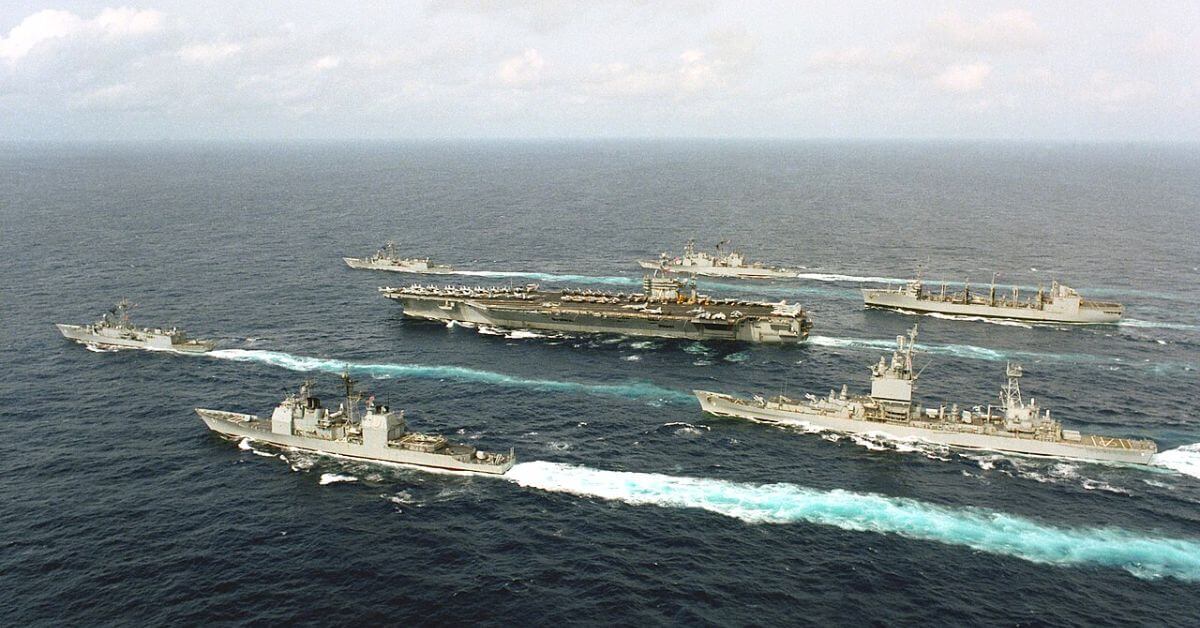
40 days of measured combat earns carrier strike group top military honour
Forty days of measured combat. That is what earned the carrier strike group its top military honour, announced Wednesday by US Defence Secretary Pete Hegseth. The award, delivered a day before the planned return, validates the kind of sustained, calibrated force projection that defines modern naval readiness. For deeper context on extended deployments, see our coverage of the USS Abraham Lincoln's 322-day journey home.
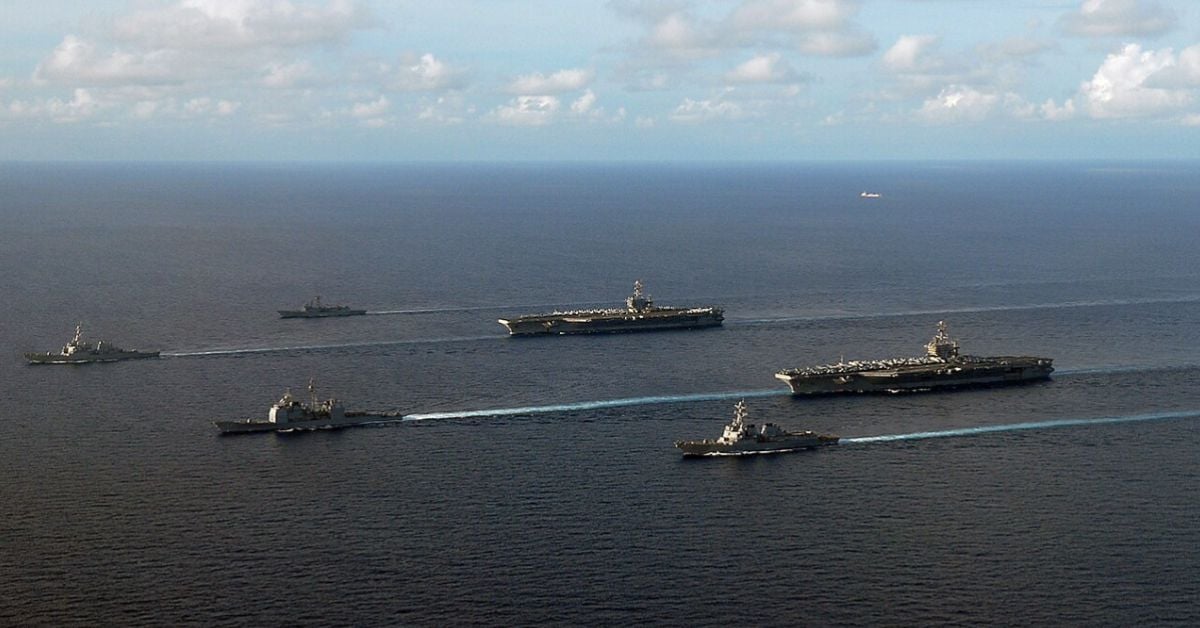
265 days at sea: validated data from a record naval deployment
265 days without a port call. The USS Abraham Lincoln has returned home after a record naval deployment that sank 64 Iranian ships. This is not a claim; it is validated, empirical data from an extended operational campaign. The sheer duration and measurable impact demand attention. For deeper context on regional maritime security, our piece on verified Hormuz transit numbers offers a parallel look at what peer-reviewed reporting can confirm.
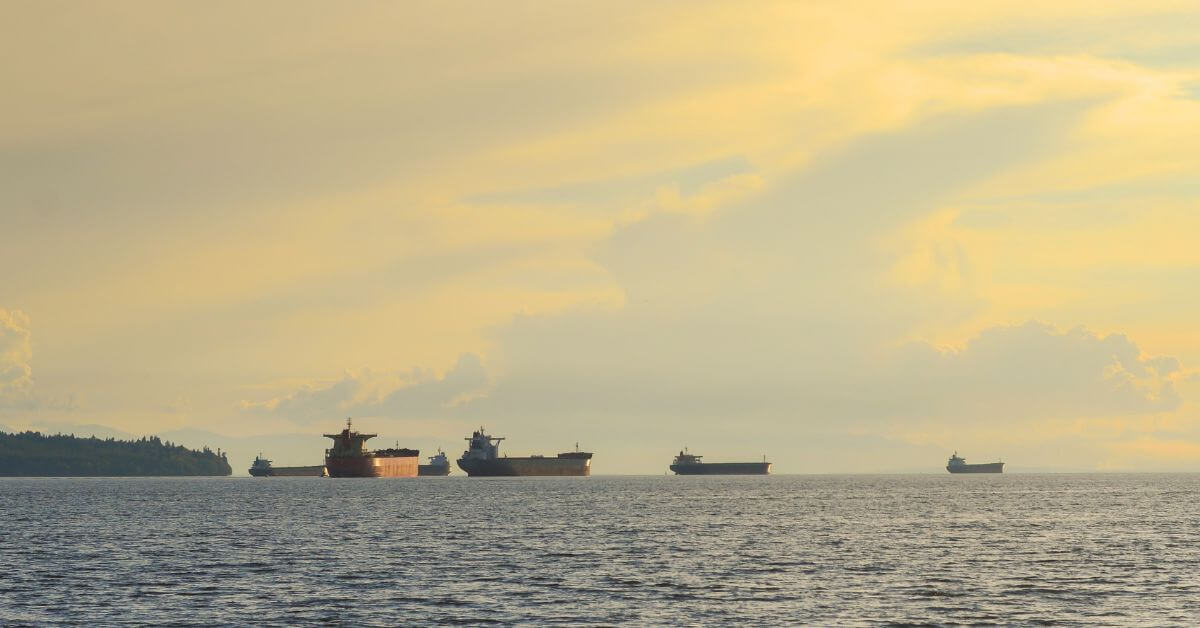
Weekly tanker strikes near Strait of Hormuz reach highest count in years
Twelve attacks on oil, LNG, and LPG tankers near the Strait of Hormuz in a single week mark the highest count in years, a measurable escalation in maritime risk. These are not isolated incidents; they are part of a broader pattern of aggression that demands empirical attention. For deeper context on the region's reliability, see our related coverage on verified transit data that counters Iranian claims of closure. Understanding these attacks requires calibrated, real-time intelligence, not alarm.
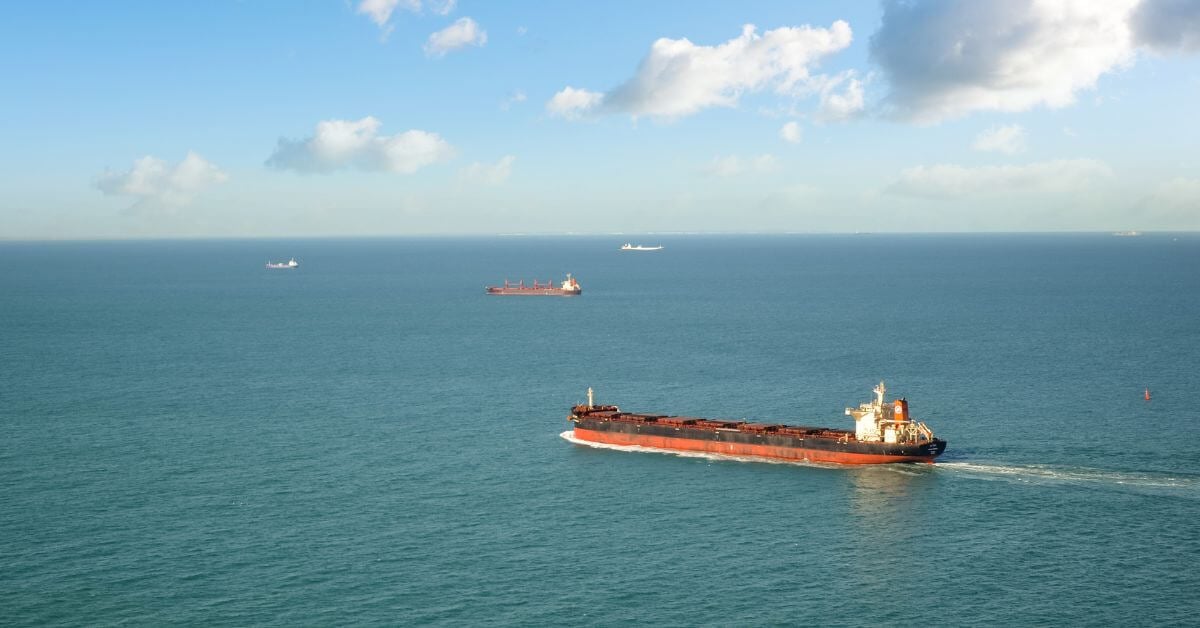
Strait of Hormuz tensions rise as Iran signals new maritime restrictions
The Strait of Hormuz is once again a flashpoint, with Iran signaling new maritime restrictions even as Gulf oil exports rise. Tanker attacks and logistical disruptions continue to plague shipments, a reality reflected in risk premiums exceeding $100,000 per month for captains. These are not abstract tensions; they are measured, empirical challenges to global energy flow. Our related coverage on those soaring risk premiums offers a deeper look at the human and economic cost. Understanding these dynamics is the first step toward protecting maritime stability.
Verified data confirms 20 million barrels transit Hormuz despite Iranian claims
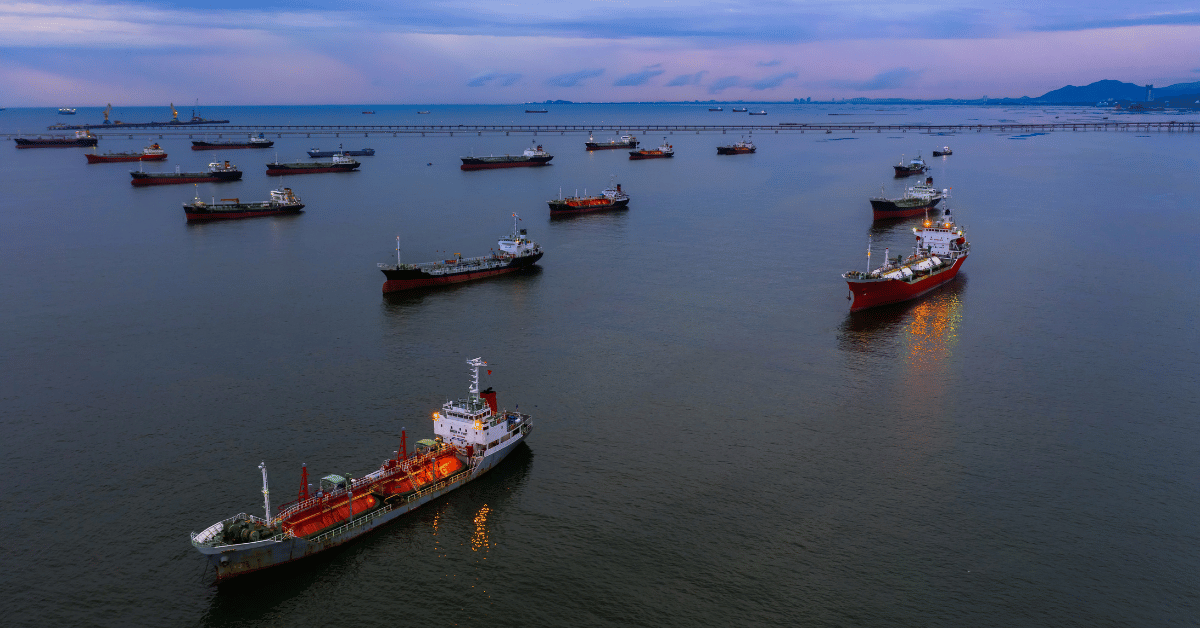
Twenty million barrels of oil have transited the Strait of Hormuz this week, verified by US Central Command, directly countering Iranian claims that the waterway is closed to shipping. This empirical data underscores a dangerous gap between rhetoric and reality in one of the world's most critical maritime chokepoints. The region's volatility demands measured, evidence-based responses. Our coverage of the *Strait of Hormuz tanker fire* offers deeper context on the human cost of these tensions.
Longest carrier deployment in decades signals shifting maritime demands
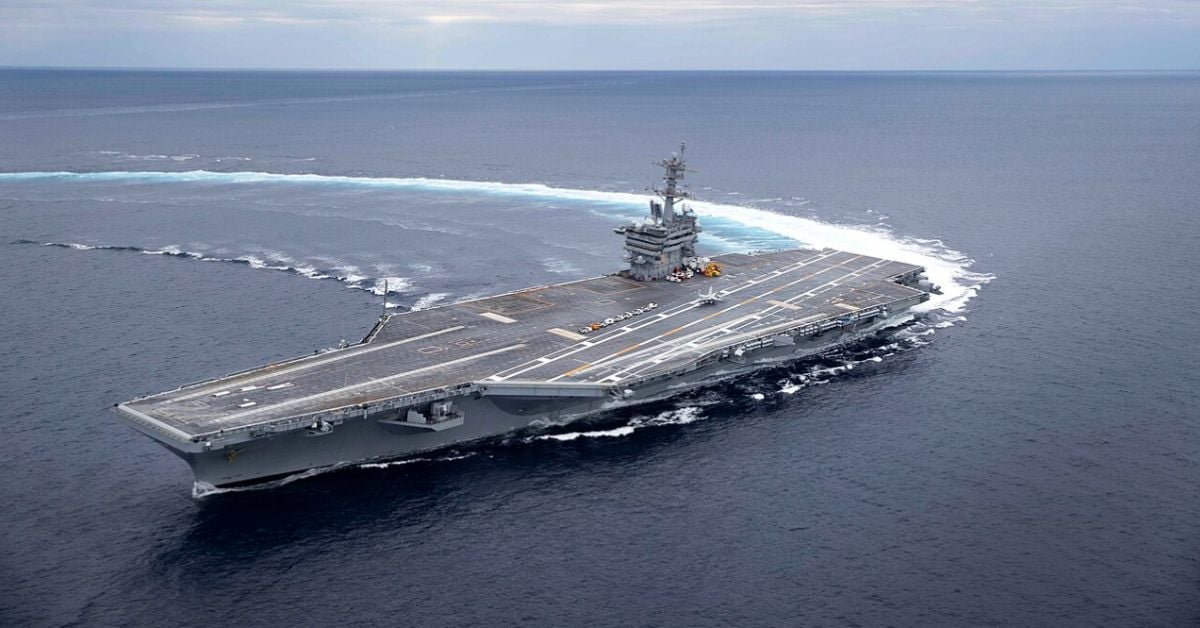
A 320-day deployment is not routine; it is a signal. The USS *Nimitz*'s return to California after the longest carrier deployment in decades reflects shifting maritime demands in the Iranian theatre. Extended presence at sea validates the operational endurance of the Nimitz-class, but it also raises empirical questions about crew sustainability and fleet readiness. For deeper context on fleet modernization, see our coverage of the John F. Kennedy's 99% completion ahead of its 2027 handover.
Vessel Struck by Unknown Projectile in Strait of Hormuz, Fire Reported
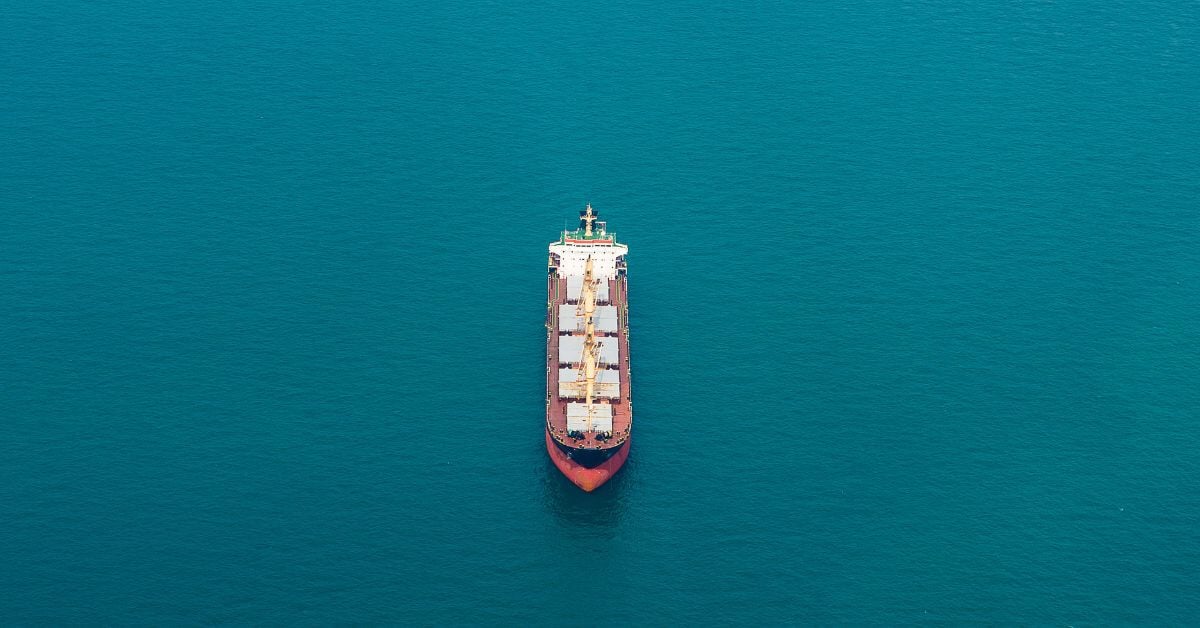
A vessel struck by an "unknown projectile" in the Strait of Hormuz on Monday evening has ignited a fire onboard, marking another dangerous incident in one of the world's most critical maritime chokepoints. We cannot afford to treat these attacks as isolated events. As we saw in the tragic *June Aster* ferry fire, where 77 lives were lost, the ocean demands rigorous safety protocols and transparent accountability.
Validated Data: Eight Marines Injured in Strait of Hormuz Missile Strike
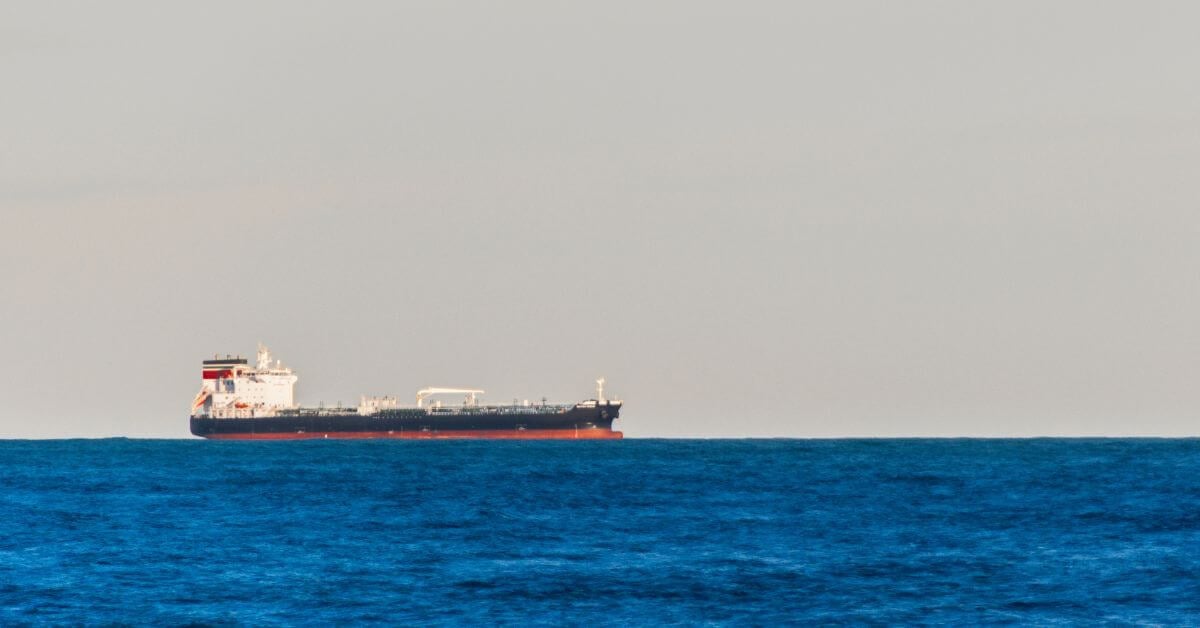
Eight US Marines were injured when an Iranian anti-ship cruise missile struck their vessel in the Strait of Hormuz. This is a measurable escalation in a waterway already under strain. Validated data from the incident underscores the human cost of strategic friction. Understanding these risks requires an integrated view of regional activity. Our coverage of the recent Gulf of Oman STS transfers offers further context on the pressures shaping this maritime corridor.
Six million barrels of Iranian crude cross Atlantic under US authority
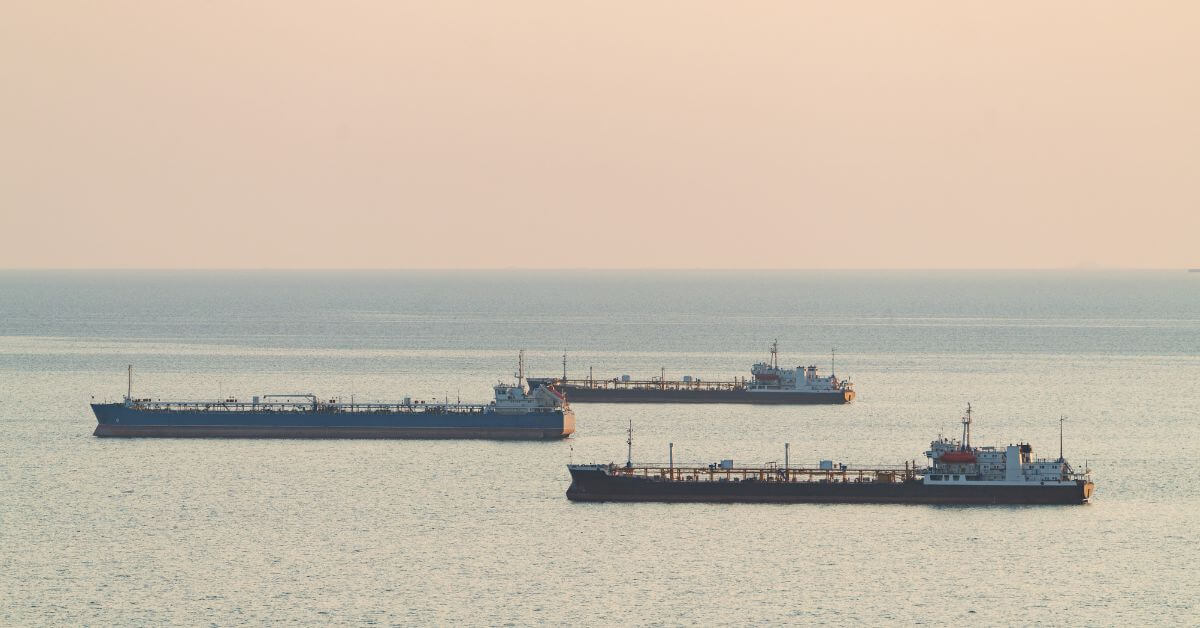
Six million barrels of Iranian crude, valued at roughly $600 million, are now crossing the Atlantic under U.S. authority, after three tankers were seized. This is a calibrated assertion of maritime jurisdiction, not a provocation. The movement underscores how ocean intelligence and legal frameworks intersect in real-time geopolitical operations. For context on regional tensions, see our coverage of the second U.S. underwater drone reportedly seized in the Strait of Hormuz. Understanding these patterns drives protection of shared marine interests.
Phased Negotiations Aim to Ease Restrictions on Strait of Hormuz
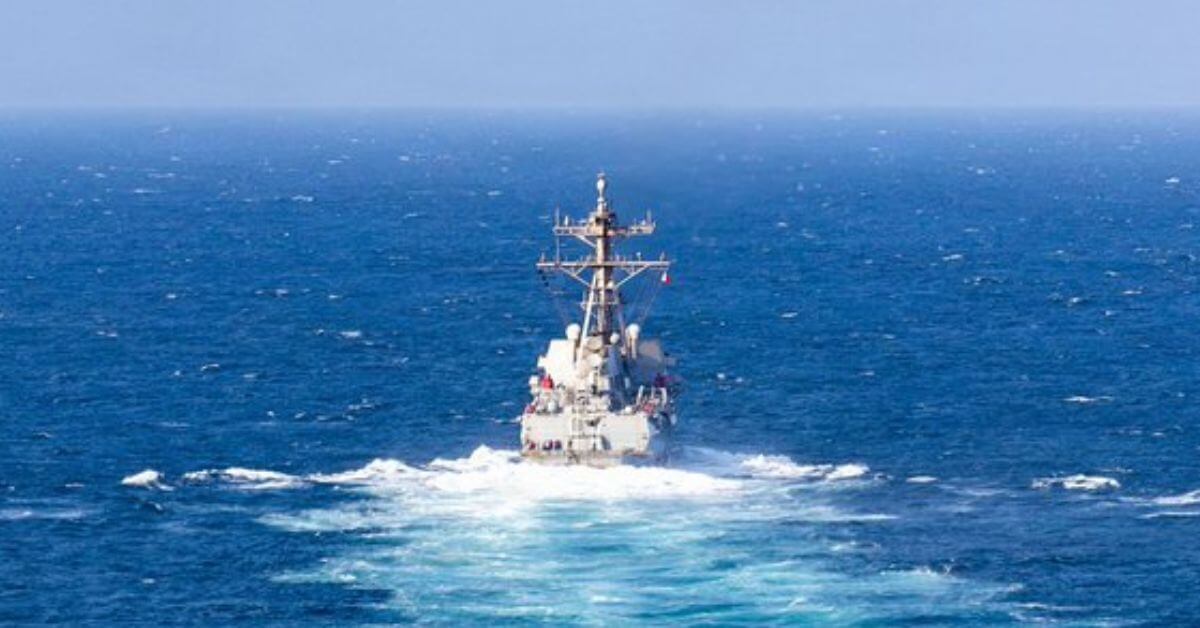
The United States and Iran are now discussing a phased deal that could reopen the Strait of Hormuz and lift the US economic blockade. This is measured, incremental diplomacy, and that is precisely why it deserves attention. A full reopening would stabilize a shipping lane the entire world depends on. For readers tracking the region's momentum, our related coverage on Gulf of Oman STS transfers shows how strained the system has become. The path forward is narrow, but it is finally being walked.
Eighty Nations Urge Reopening of Vital Strait of Hormuz Shipping Lane
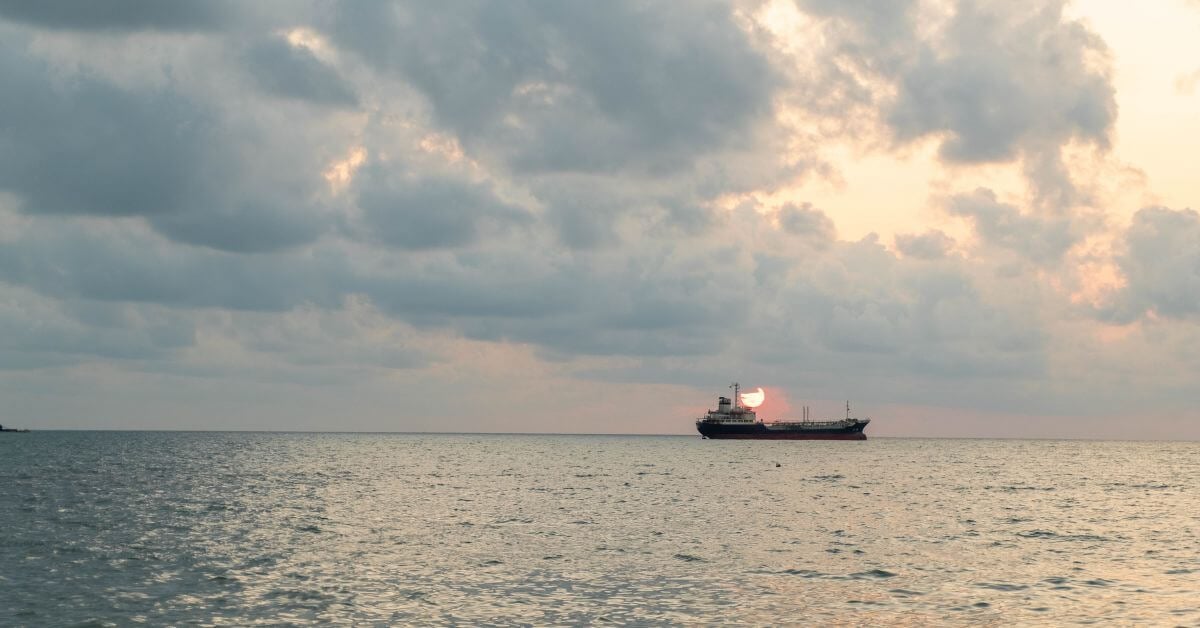
Eighty nations, led by Bahrain's foreign minister, have formally urged the United Nations to reopen the Strait of Hormuz, a waterway that carries nearly a fifth of global oil supply. The collective call is a measured but firm push for maritime stability, grounded in shared economic and security interests. Diplomacy, not disruption, is the clearest path forward here. For those tracking the region's momentum, our related piece on phased negotiations between Washington and Tehran offers useful context on what reopening might actually require.
Vitol Acquires Substantial Iraqi Crude Volume Amid Price Discrepancies
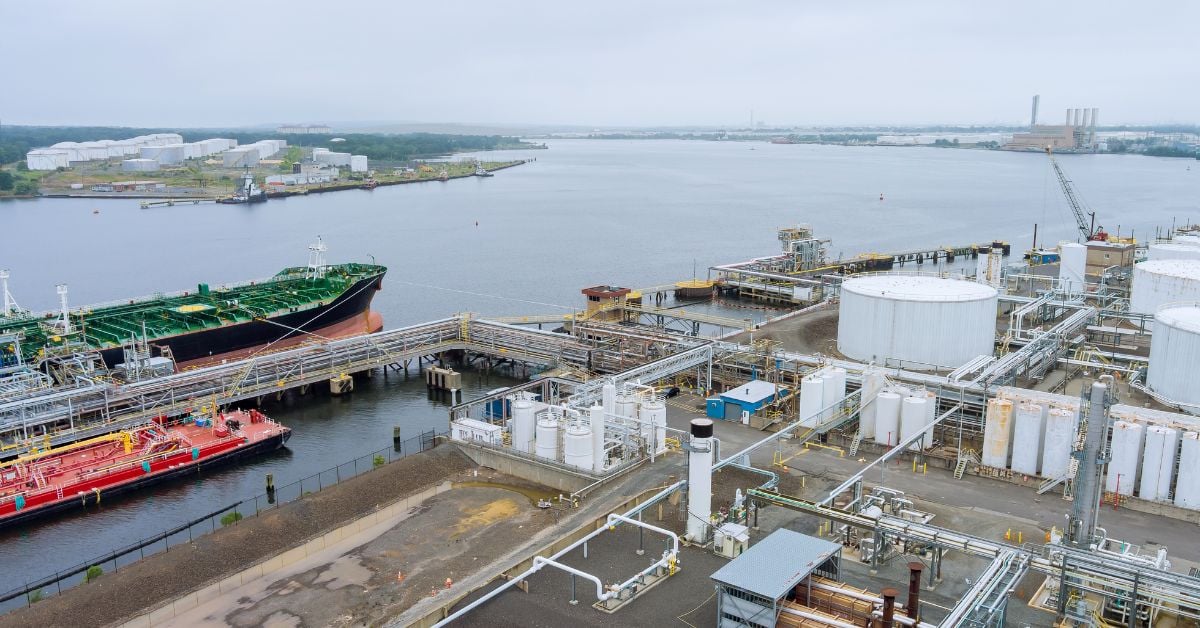
Vitol's move to secure 25 to 30 million barrels of discounted Iraqi crude this month signals a sharp reading of market imbalances, and it's a calculated bet worth watching. Price discrepancies like these reward those who can move swiftly, and Vitol is leveraging its scale to lock in margin where others might hesitate. This kind of volume isn't opportunistic noise; it's a deliberate positioning play.
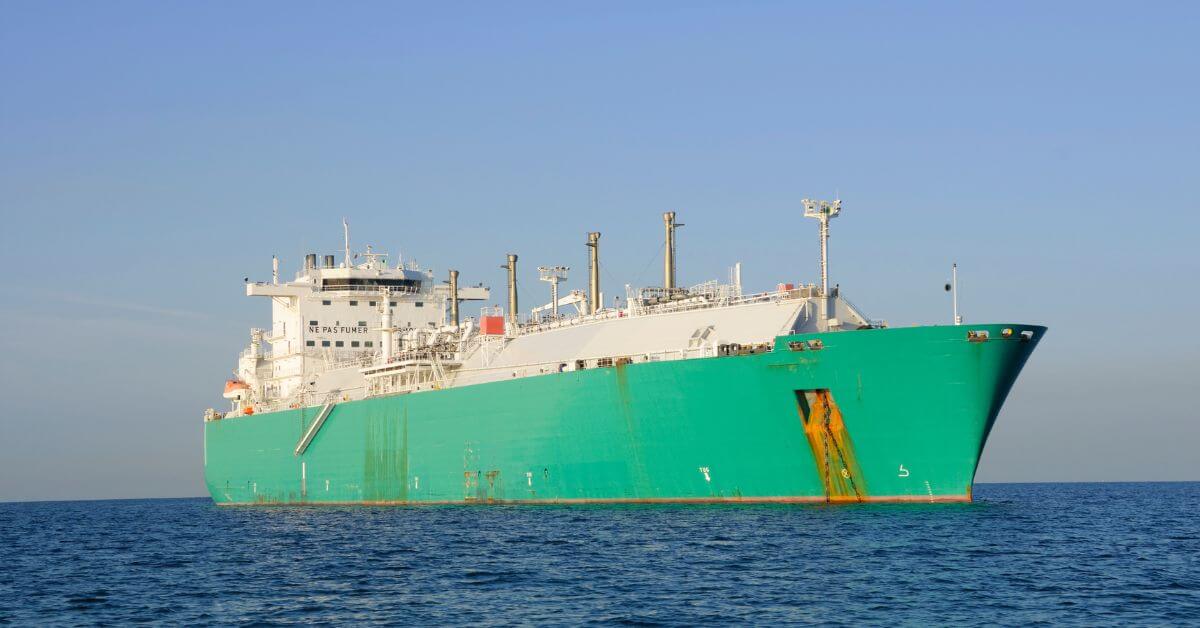
Negotiations Clear Strait of Hormuz for LNG Delivery to Pakistan
A Qatar-loaded LNG tanker has cleared the Strait of Hormuz and is now bound for Pakistan, following a negotiated arrangement with Iran. The delivery signals progress in a waterway where diplomatic friction has repeatedly threatened energy flows. For Pakistan, the cargo is more than a shipment; it is a test of whether phased talks can translate into reliable supply.
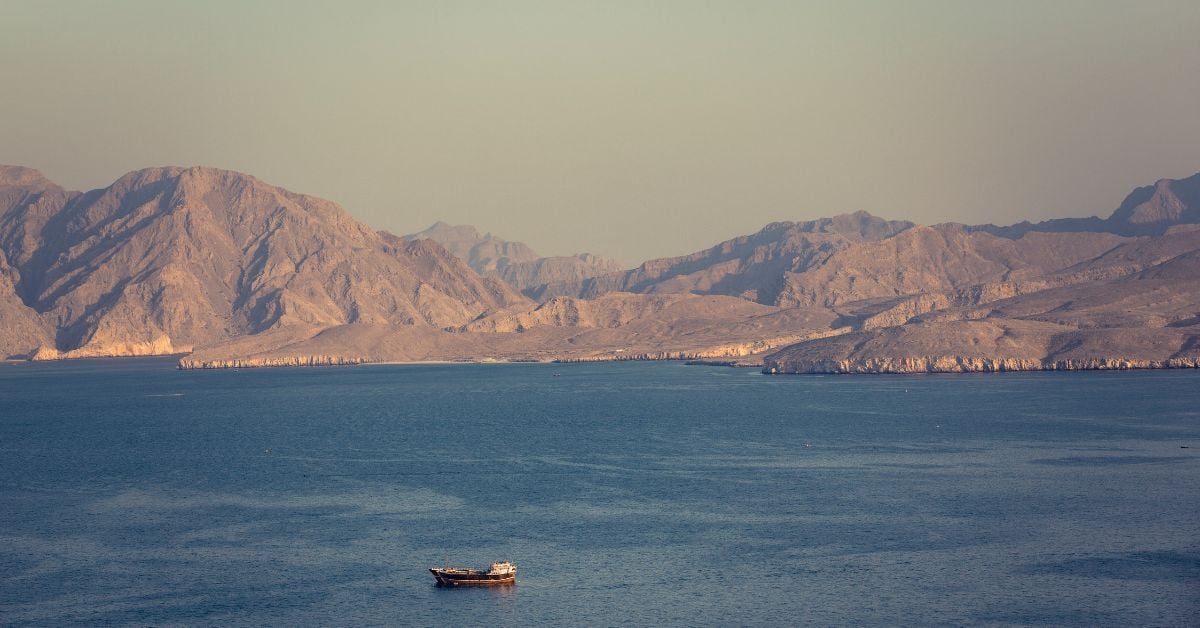
Strait of Hormuz Reopening Contingent on U.S. Actions, Iran States
Iran has linked the Strait of Hormuz's reopening to a single condition: the U.S. must lift its naval blockade of Iranian ports and end sanctions on Tehran. The announcement, which sets a one-week timeline, is a direct test of diplomatic intent. It is a high-stakes calculation, but not an unreasonable one. For context, our related coverage on Gulf of Oman STS transfers shows how regional oil flows are already straining at their limits.
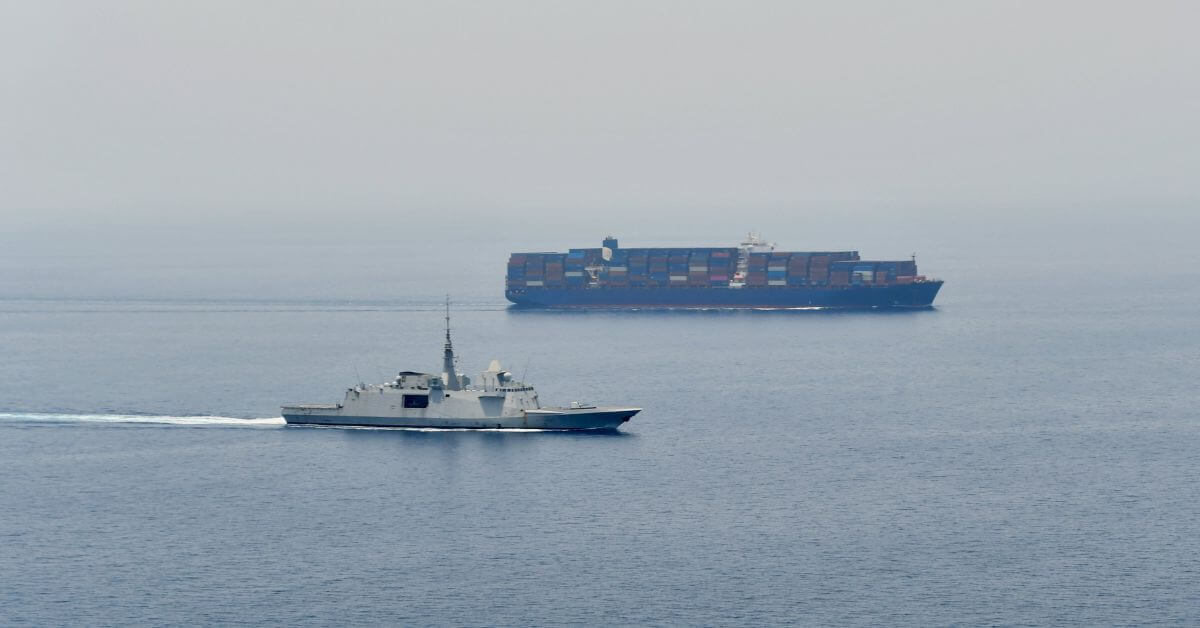
Expanded Naval Presence Calibrated for Red Sea Shipping Security
The European Union's call for more than ten warships to secure Red Sea shipping marks a calibrated response to a persistent threat. Kaja Kallas, the bloc's foreign policy chief, made the case on Monday, framing the expanded naval presence as a necessary measure for maritime stability. The numbers are telling: this is not a symbolic gesture but a concrete commitment.
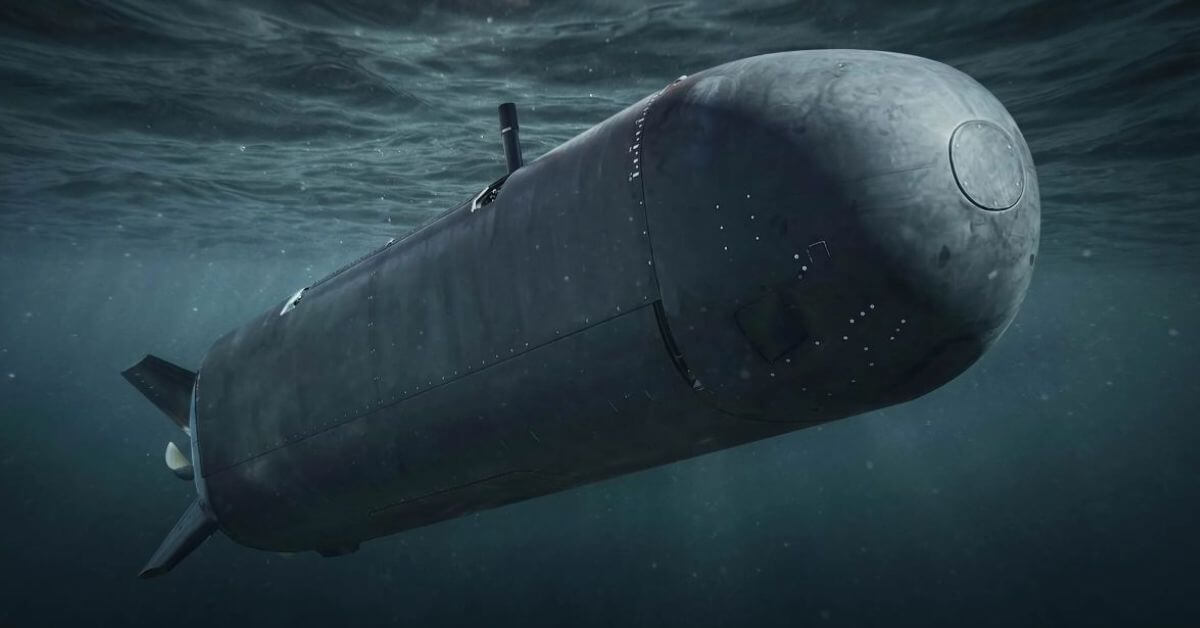
Autonomous Vessel Demonstrates Advanced Torpedo Deployment Capability
For the first time, Britain and the United States have test-fired a torpedo from an uncrewed underwater vessel, marking a calibrated step in maritime defense. The demonstration validates the integration of autonomous systems into complex operational roles, shifting the focus from concept to empirical capability. This is not about spectacle; it is about measurable progress in how we deploy ocean intelligence.
Strait of Hormuz Incidents Prompt Inquiry Into Tanker Impacts
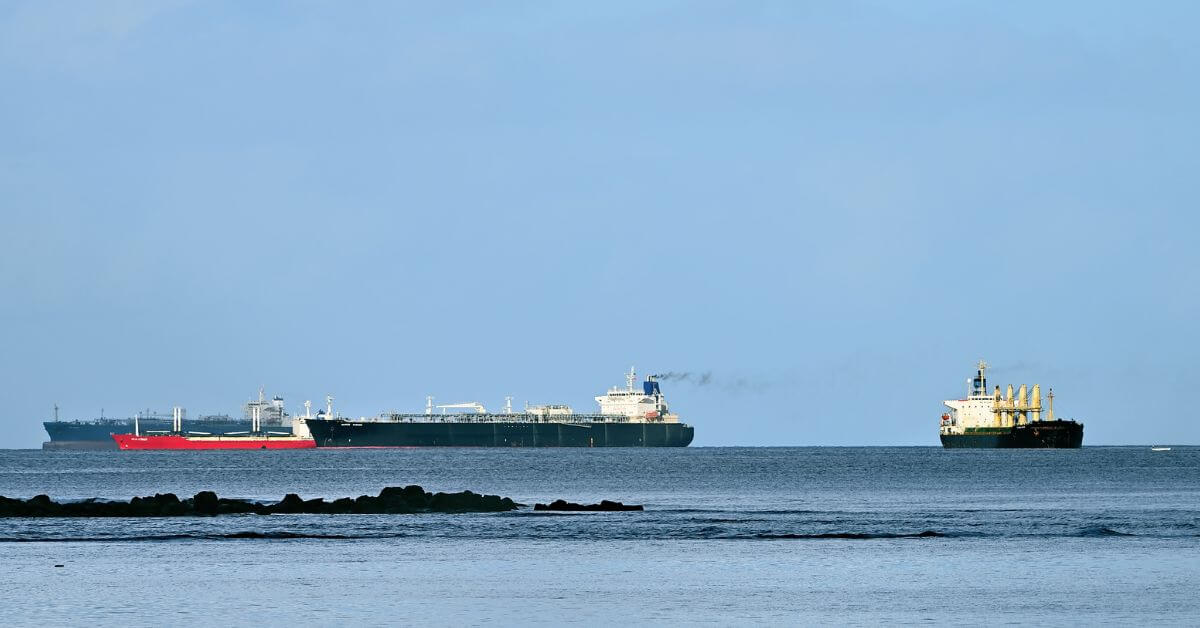
Two tankers were struck by an unknown projectile or debris in the Strait of Hormuz on Monday, reigniting questions about the vulnerability of commercial shipping in one of the world's most vital waterways. The incident demands empirical scrutiny, not speculation, as we assess the measurable risks to vessels and crews. This is precisely why our coverage, including the recent report on Gulf of Oman STS transfers maxing out, must remain grounded in validated, real-time data.
Drone Strike Impacts LPG Tanker Near Strait of Hormuz.
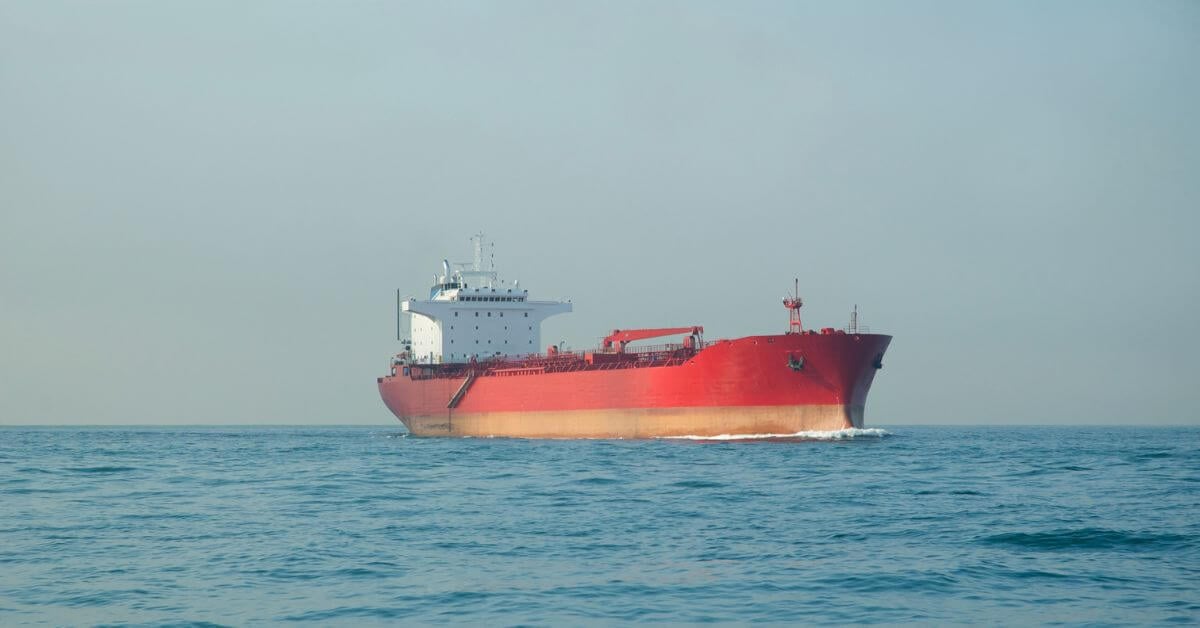
A Liberia-flagged LPG tanker carrying nine Indian seafarers was struck by a drone while sailing eastbound outside the Strait of Hormuz. The incident underscores how vulnerable commercial shipping remains in a waterway that carries a third of the world's liquefied gas. Precision matters here: every attack raises the cost of transit, and the ripple effects are measurable. For context on the region's mounting pressure, our related coverage in "Phased Negotiations Aim to Ease Restrictions on Strait of Hormuz" outlines the diplomatic stakes.
Enhanced Monitoring: China Expands Djibouti Base Near Key Shipping Lanes
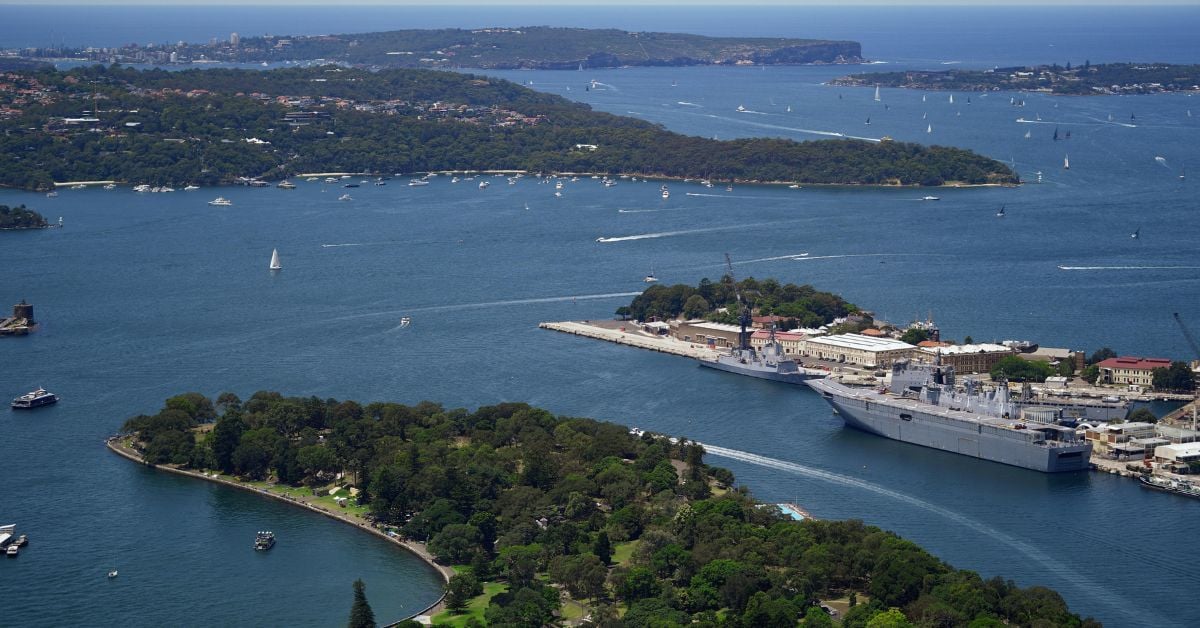
Satellite imagery shows Beijing has expanded its Djibouti base with new radars, antennas, and naval assets, sharpening its watch over one of the world's busiest maritime corridors. The move is measured, deliberate, and strategically clear. It is not about alarm; it is about presence. For readers tracking how naval power reshapes trade routes, this pairs naturally with our report on Gulf of Oman STS transfers maxing out.
Strait of Hormuz: Conflicting Reports of Vessel Detentions Raise Tensions.
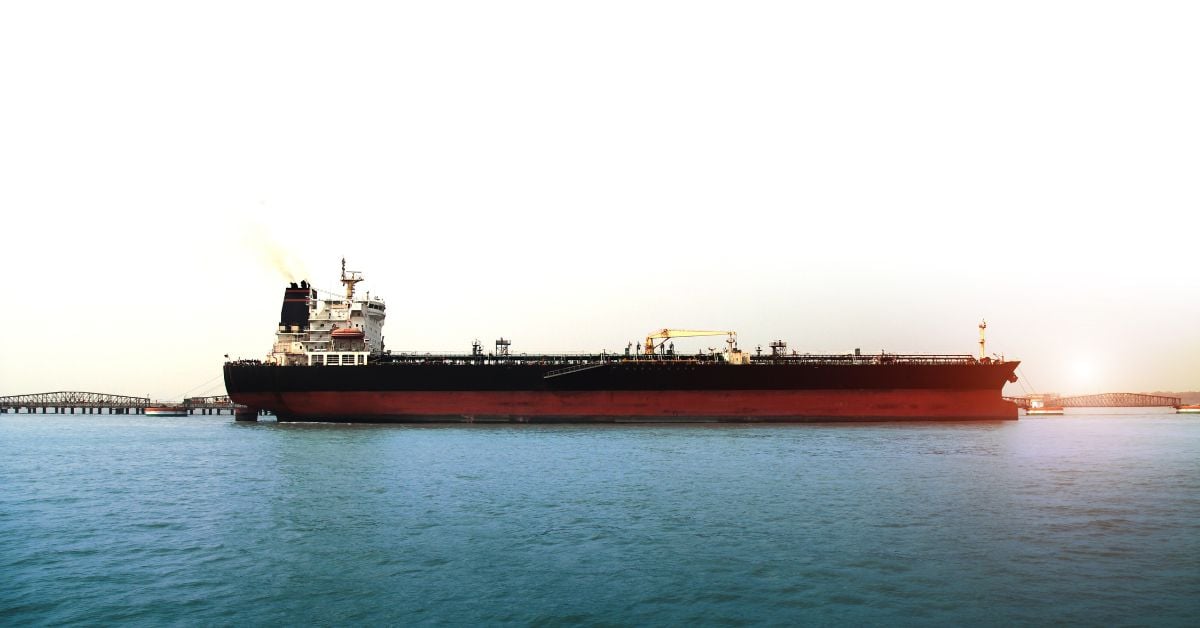
The Strait of Hormuz is once again a flashpoint, with the UKMTO flagging a separate incident involving a vessel in its waters. Conflicting reports of detentions are doing little to calm a region already bracing for disruption. These are not abstract metrics; they are real-world friction with global consequences. The situation demands precise, empirical monitoring, not alarmism.