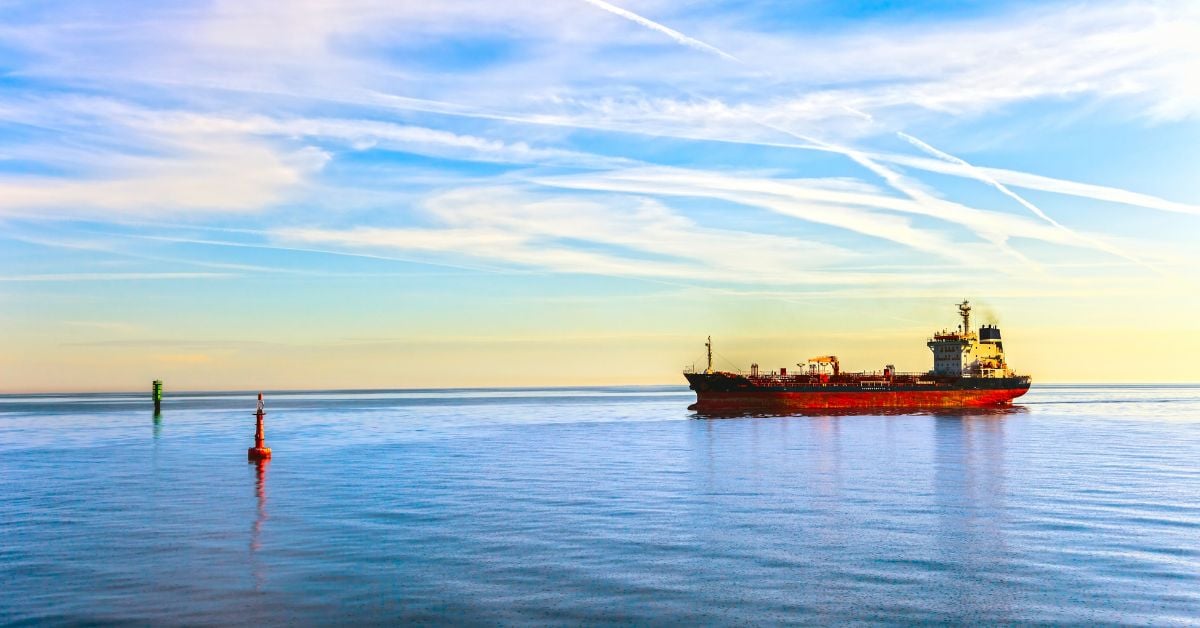
The Strait of Hormuz has become a chokepoint not just for oil, but for the rules that govern global shipping. The reported strike on a supertanker carrying two million barrels of crude oil after hitting a naval mine is a direct consequence of a waterway transformed into a contested military zone. Iran's Revolutionary Guard Corps claims the vessel was using an unauthorised route with its tracking system switched off, a violation of the very protocols that keep maritime transit predictable. We should treat this incident as a calibrated escalation, not a random accident, and the practical takeaway for every nation dependent on this route is that the cost of unresolved geopolitical rivalry is now being measured in barrels lost and supply chains disrupted.
The absence of basic details, the ship's name, its flag, the crew's condition, tells us more than any official statement. When authorities withhold the identity of a vessel involved in a two-million-barrel explosion, they are controlling the narrative as much as the waterway. This is consistent with Iran's broader strategy of tightening its grip over Hormuz, demanding permission from the Islamic Republic before any crossing. Meanwhile, the United States maintains its naval blockade of Iranian ports and insists the strait remains an international waterway under the freedom of navigation. The standoff is not theoretical; Diplomatic Talks Test Conditions for Reopening the Strait of Hormuz show that reopening discussions remain stalled over sanctions and regional hostilities. The proposal is on the table, but neither side appears willing to concede the fundamental issue: who gets to set the terms of passage.
This latest incident also exposes the operational strain on both parties. The U.S. has had to extend warship deployments in the Middle East, with crew on one aircraft carrier reporting food shortages, deteriorating mental health, and a lack of basic hygiene. A naval blockade is only sustainable if the forces enforcing it are adequately supported, and these reports suggest the logistical tail is fraying. Iran, for its part, issued a strict warning days before the strike: ships must not switch off their navigation systems, and violators will be treated severely. That warning now looks less like a deterrent and more like a justification for what followed. The pattern is familiar, escalation followed by rhetoric, and it echoes the kind of airborne threats seen elsewhere, such as the French Defense Vessel Neutralizes Airborne Threat in Bab el-Mandeb Strait, where a frigate destroyed a drone judged to be a threat. In both cases, military responses are becoming the default mechanism for managing commercial shipping risks.
What should we watch next? The condition of the crew and the fate of the two million barrels are the immediate unknowns, but the larger question is whether this incident forces a change in behaviour. If insurers begin to refuse coverage for vessels transiting Hormuz without armed escort or explicit permission, the economic pressure will mount faster than any diplomatic breakthrough. The Drone damage and severe weather ground two vessels near Istanbul demonstrates how quickly secondary disruptions, weather, mechanical failure, or attack, can compound into broader shipping delays. The concrete point to track is whether shipping companies start rerouting around Hormuz entirely, because that decision, made in boardrooms rather than command centres, will determine whether this strait remains a viable route or becomes a permanent liability.