Black Sea
Black Sea at World Data Ocean is a file of 100 stories. The newest of them: “Bulgarian DNA tests confirm human remains found on tanker linked to Wine Trader”, “Validated maritime security risks demand calibrated protections for seafarers globally”, and “France Extends Black Sea Patrols as Maritime Drones Challenge Detection Capabilities”. Bulgarian prosecutors have ordered DNA tests on severely damaged human remains found aboard a chemical tanker linked to the drone-hit Wine Trader. The IMO Council has condemned attacks on commercial vessels and reaffirmed its commitment to protecting seafarers worldwide. A Global Hub for Ocean Intelligence 4 World Data Ocean is a centralized digital platform where researchers, scientists, and ocean enthusiasts converge to… The list below is every Black Sea story on World Data Ocean, newest first.
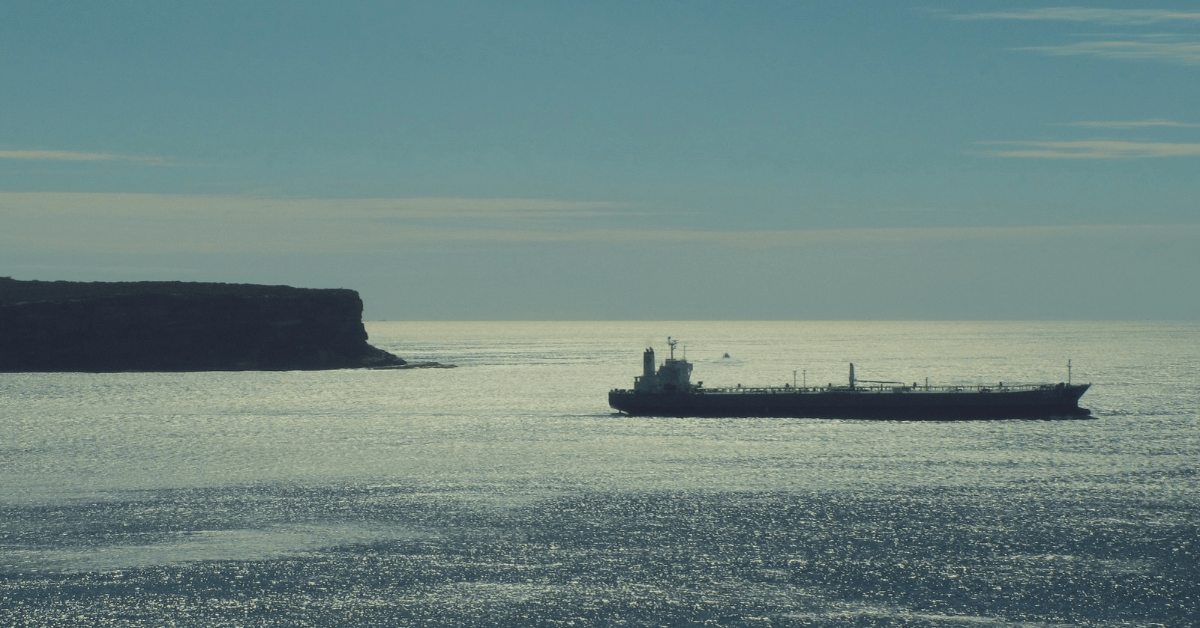
Bulgarian DNA tests confirm human remains found on tanker linked to Wine Trader
Bulgarian prosecutors have ordered DNA tests on severely damaged human remains found aboard a chemical tanker linked to the drone-hit Wine Trader. The empirical evidence emerging from this investigation underscores a stark reality: maritime security threats are not abstract risks but measurable, human tragedies. Validated forensic data will be essential for establishing accountability. For deeper analysis of the systemic dangers seafarers now face, read our coverage of the IMO Council's recent statement on calibrated protections.

Validated maritime security risks demand calibrated protections for seafarers globally
The IMO Council has condemned attacks on commercial vessels and reaffirmed its commitment to protecting seafarers worldwide. Validated maritime security risks demand calibrated protections, this is not abstract policy. It is about seafarers navigating real threats. The Council's stance is measured, empirical, and necessary. For deeper context on how merchant mariners are negotiating licensing systems amid the Red Sea crisis, our related coverage connects these evolving security pressures directly.
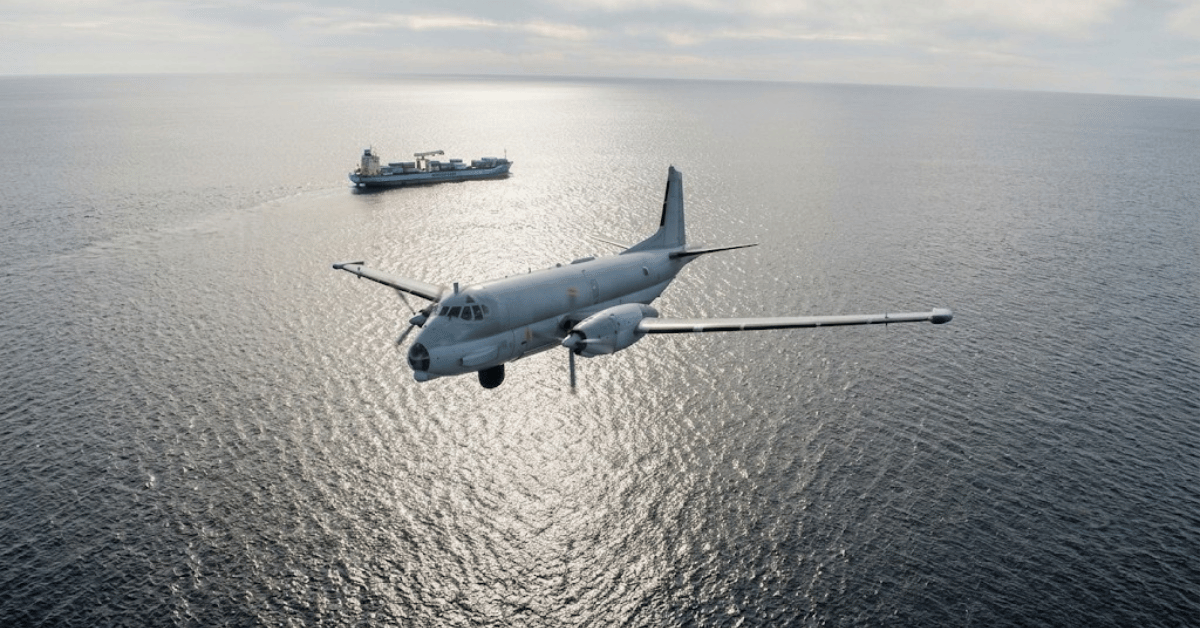
France Extends Black Sea Patrols as Maritime Drones Challenge Detection Capabilities
France extends its Black Sea patrols, yet the Atlantique 2's commander admits the aircraft can detect maritime drones but cannot stop them. This reveals a critical gap in naval defense, surveillance without interdiction is incomplete. The *Drifting Tanker With 11,000 Tonnes of Sunflower Oil Prompts Measured Response* incident underscores the region's volatility. Measured capability must now match measured awareness. Detection alone is not enough; actionable response defines true ocean intelligence.
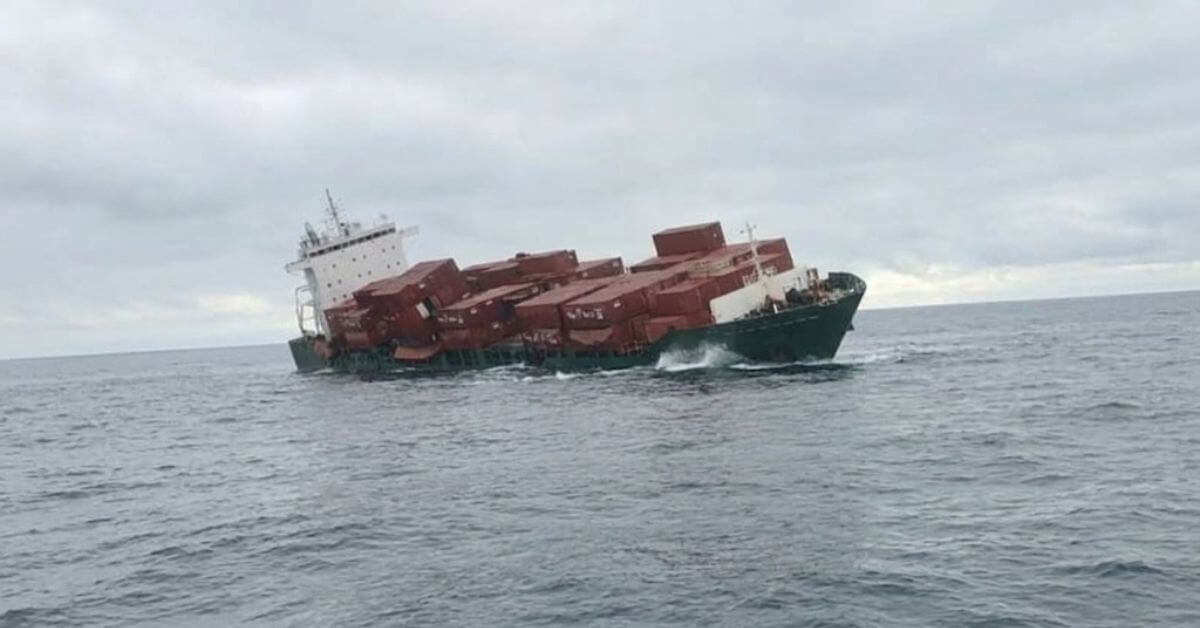
Drone strike sinks Black Sea container ship, 14 Filipino crew rescued at sea
A drone strike sank a container ship in the Black Sea, yet the rescue of all 14 Filipino crew members offers a measured counterpoint to the violence at sea. Their return to the Philippines is a human outcome we can validate. These incidents underscore a broader, measurable threat to civilian vessels. Our related coverage on "Securing the Global South's industrial future demands safety for civilian vessels at sea" frames this as an urgent global challenge. Understanding these risks drives protection.
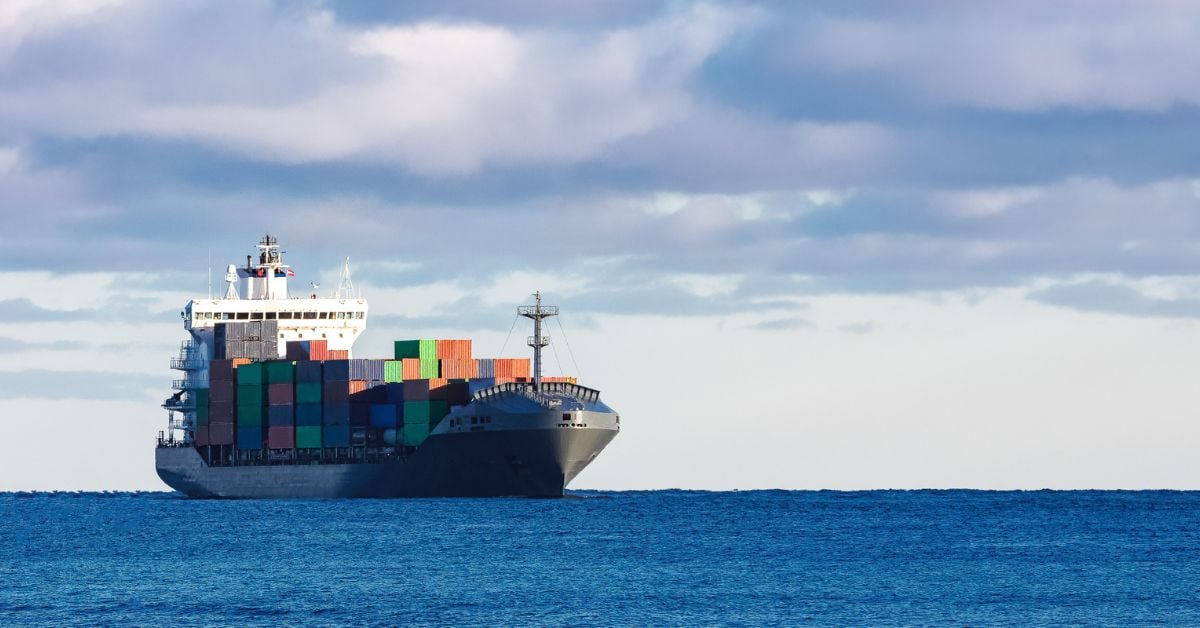
Drone strike sinks Greek container vessel in Black Sea, raising war spillover concerns
A Greek container vessel has been sunk by a drone strike in the western Black Sea, a direct hit that sharpens fears of the Russia-Ukraine war spilling further across the region. This is not a stray incident; it is a calibrated escalation in a waterway already under pressure. The pattern is measurable and the risk is real. For deeper context on regional maritime security, see our coverage of India's new naval warship project.
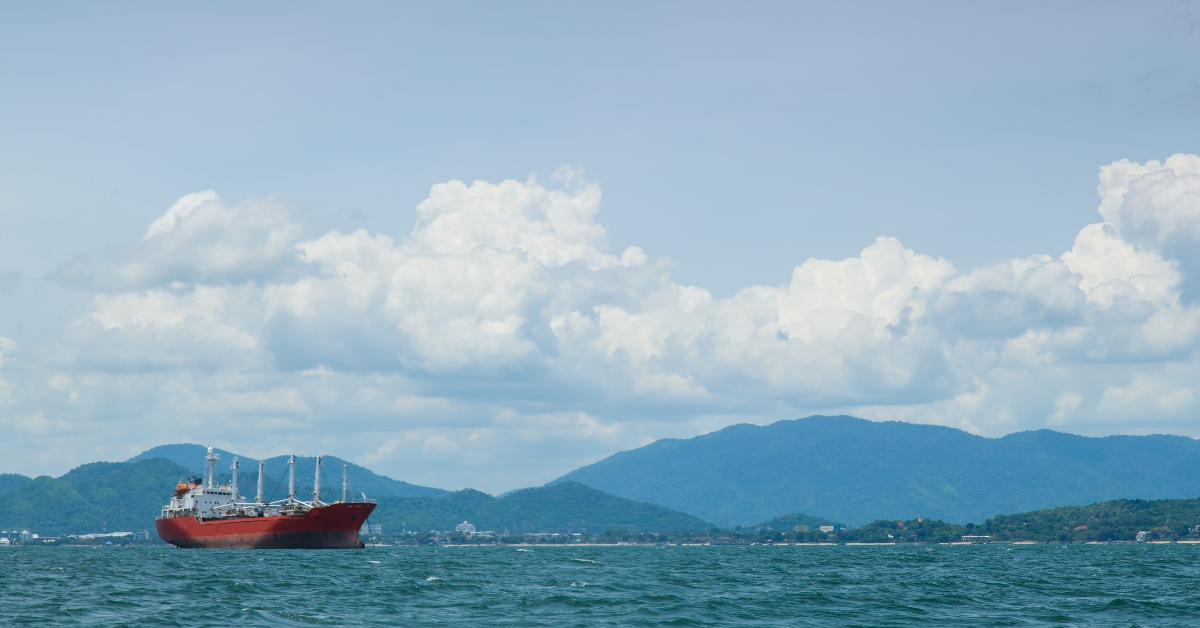
Black Sea drone strike sinks cargo ship, Bulgarian Navy rescues 18 crew
Three naval drones struck the Liberian-flagged container ship Contship Jet off Bulgaria's Black Sea coast, sinking the vessel. The Bulgarian Navy rescued all 18 crew members. This attack underscores the escalating threat to commercial shipping in a region already under strain. For context on shifting maritime dynamics, see our coverage of measured transit through the Northern Sea Route, which is projected to exceed 7 million tonnes. Understanding these patterns drives informed maritime security.

Grain shipping resumes from Russian Black Sea ports for first time since July
Grain shipping has resumed from the Russian Black Sea ports of Temryuk and Kavkaz for the first time since July, with permission to depart granted on October 26. This measured reopening offers a calibrated signal for global food security and maritime logistics. For deeper context on shifting trade routes, see our coverage of measured transit through the Northern Sea Route projected to exceed 7 million tonnes. Understanding these integrated flows is essential for tracking climate indicators and ocean intelligence.
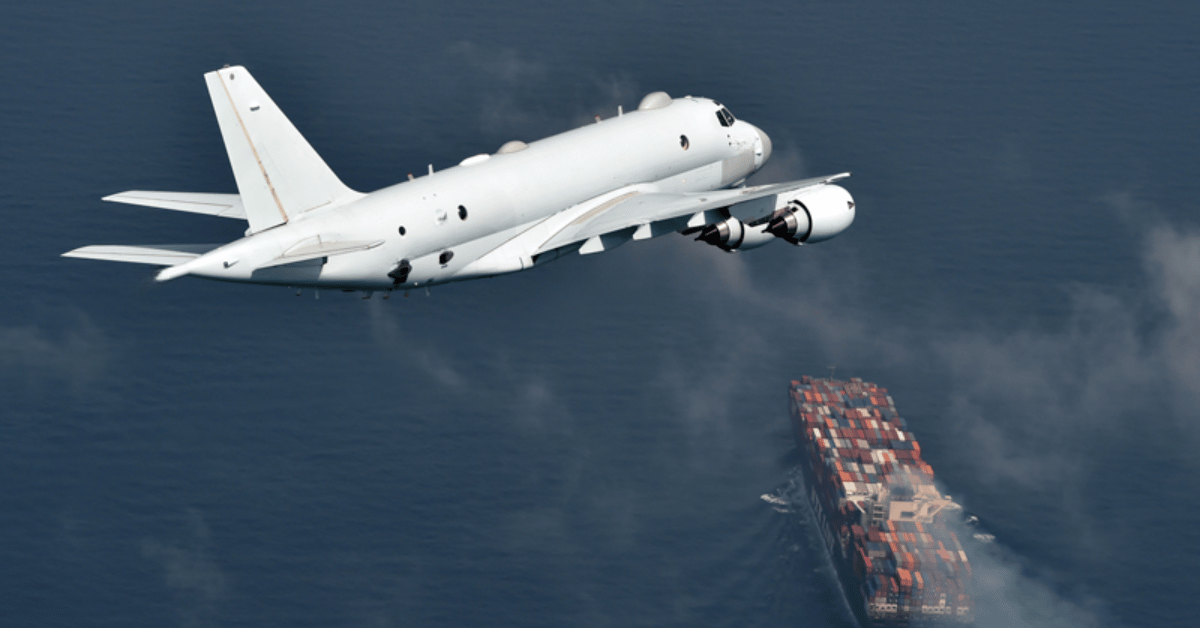
France Deploys Maritime Patrol Aircraft to Black Sea Amid Escalating Ship Attacks
France has deployed maritime patrol aircraft to the Black Sea, reinforcing surveillance after drone attacks struck ships near Romania and Bulgaria. This measured response reflects a growing need for empirical monitoring in a region where seafarer casualties are climbing, our recent report, "Measured in Lives: Black Sea and Hormuz Log 40 Seafarer Casualties," documents the human toll. Understanding drives protection. From orbit to ocean floor, integrated data ecosystems must guide these operations.
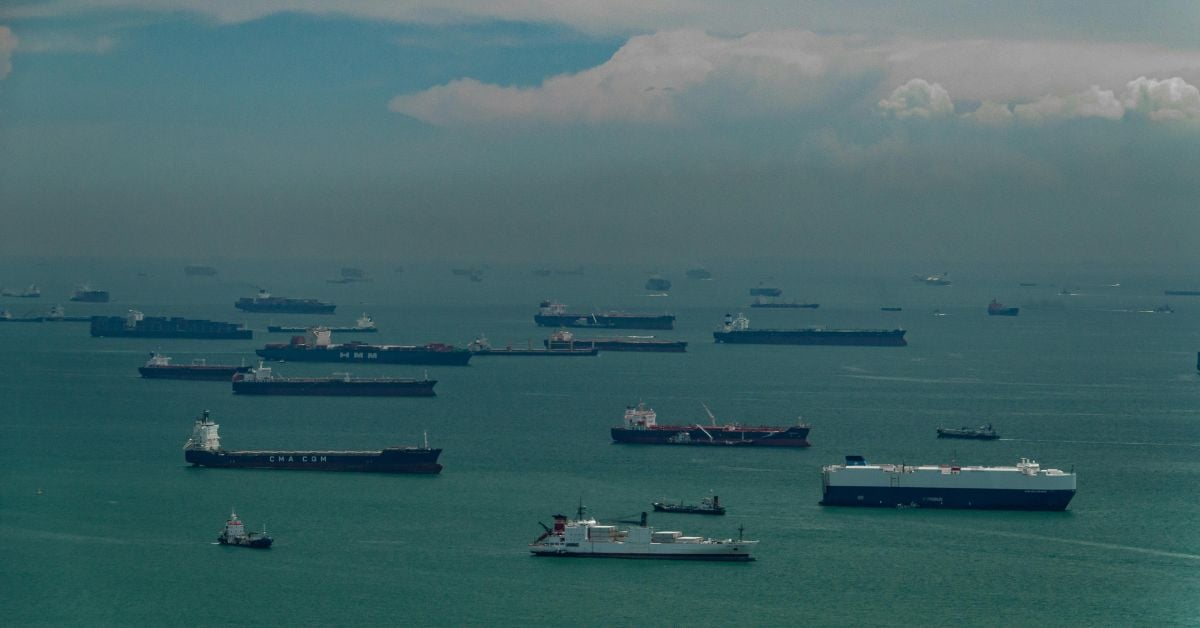
Measured in Lives: Black Sea and Hormuz Log 40 Seafarer Casualties
At least 40 seafarers have been killed in Black Sea ship attacks, with 24 more confirmed dead in the Strait of Hormuz. These are measured losses, each one a life, not a statistic. The human cost of maritime conflict demands empirical accountability, not hollow rhetoric. Our report on fake ship registries exposes how systemic failures leave crews unprotected and families without recourse. Understanding drives protection. We owe these seafarers more than acknowledgment; we owe them action.
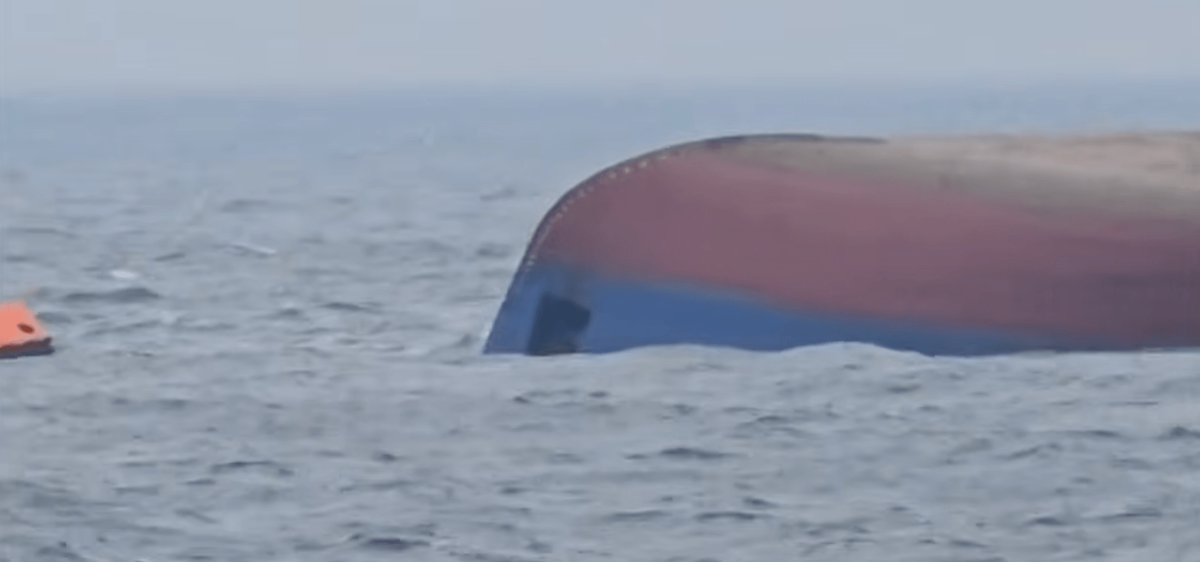
Black Sea drone strike claims life, cargo vessel loss underscores maritime threat
A seafarer is dead and three remain missing after a drone strike sank the Comoros-flagged cargo vessel *Khoryv* in the Black Sea. This loss is a grim, measurable indicator of how maritime threats are escalating. Understanding these dangers drives protection. For deeper context on regional security measures, see our coverage of NATO's integrated sensor and aerial surveillance deployments in the area. The ocean's intelligence demands we track these patterns.
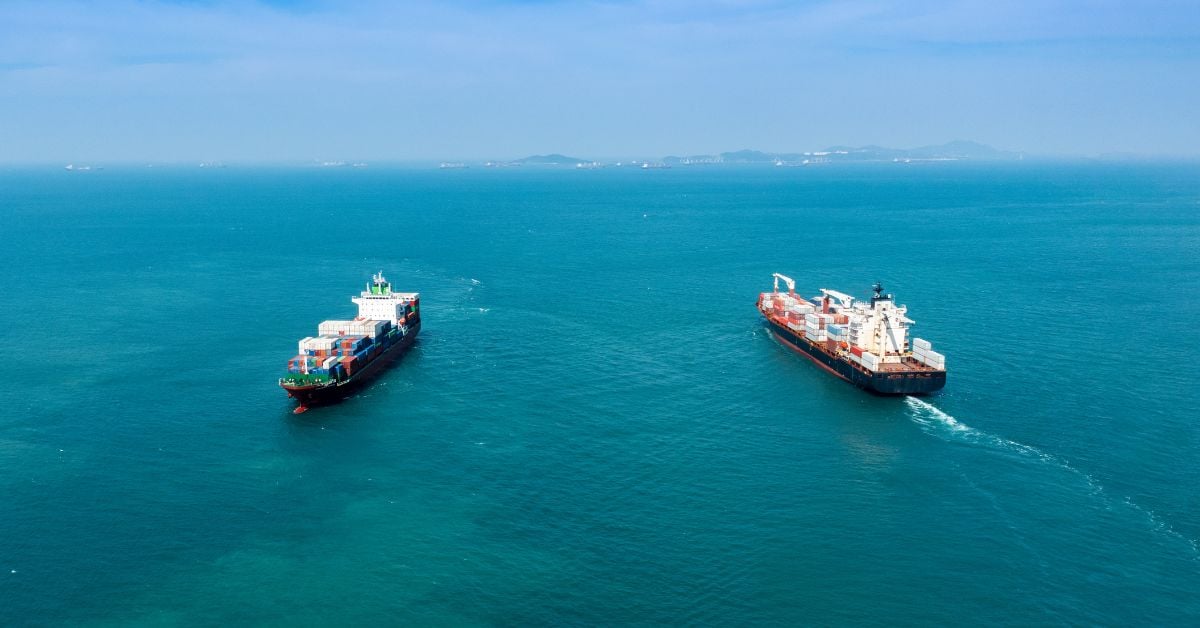
Integrated sensors and aerial surveillance reinforce Black Sea maritime security
Integrated sensors and aerial surveillance reinforce Black Sea maritime security as ship attacks escalate. NATO's deployment of surveillance aircraft, drones, and radar systems across the region signals a calibrated, real-time response to growing threats. This measured escalation prioritizes empirical data over alarm, understanding drives protection. For deeper context on maritime vulnerabilities, see our coverage of the supertanker mine strike in the Strait of Hormuz. From orbit to ocean floor, integrated monitoring remains our strongest defense.
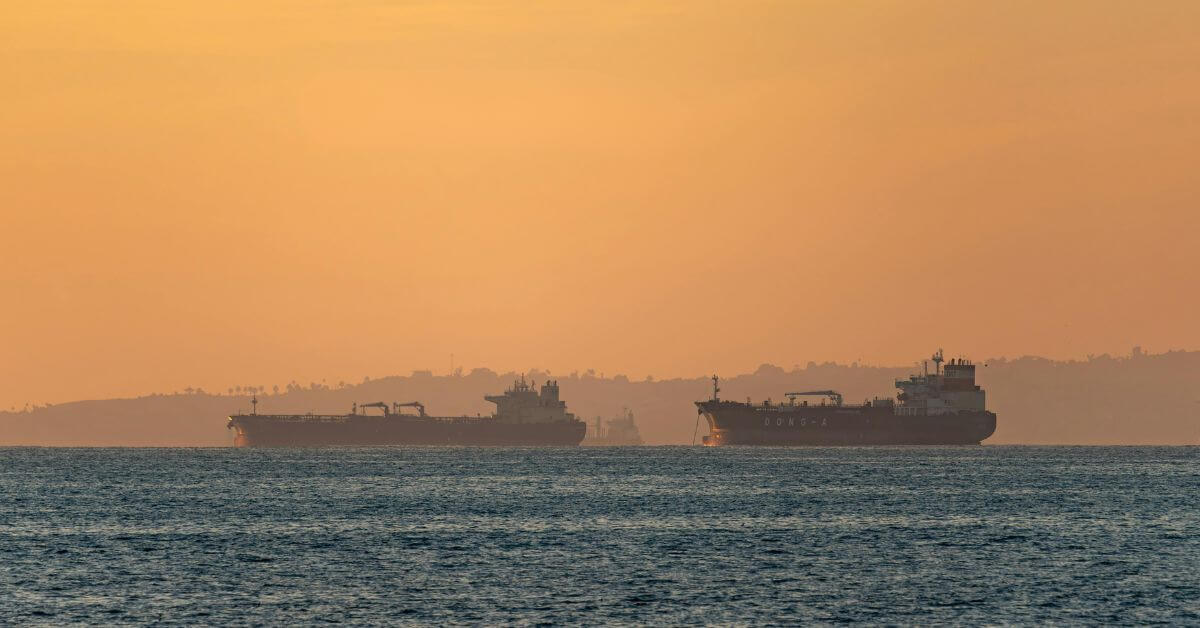
Drone damage and severe weather ground two vessels near Istanbul
Two commercial vessels have grounded near Istanbul, one after drone damage and another following severe weather. These incidents follow multiple reported drone attacks on commercial shipping in the Black Sea throughout October. The convergence of conflict-driven threats and natural hazards in a single maritime corridor is a measurable risk that demands integrated monitoring. For deeper context on regional drone escalation, see our coverage of the Black Sea tanker attacks off Romania.
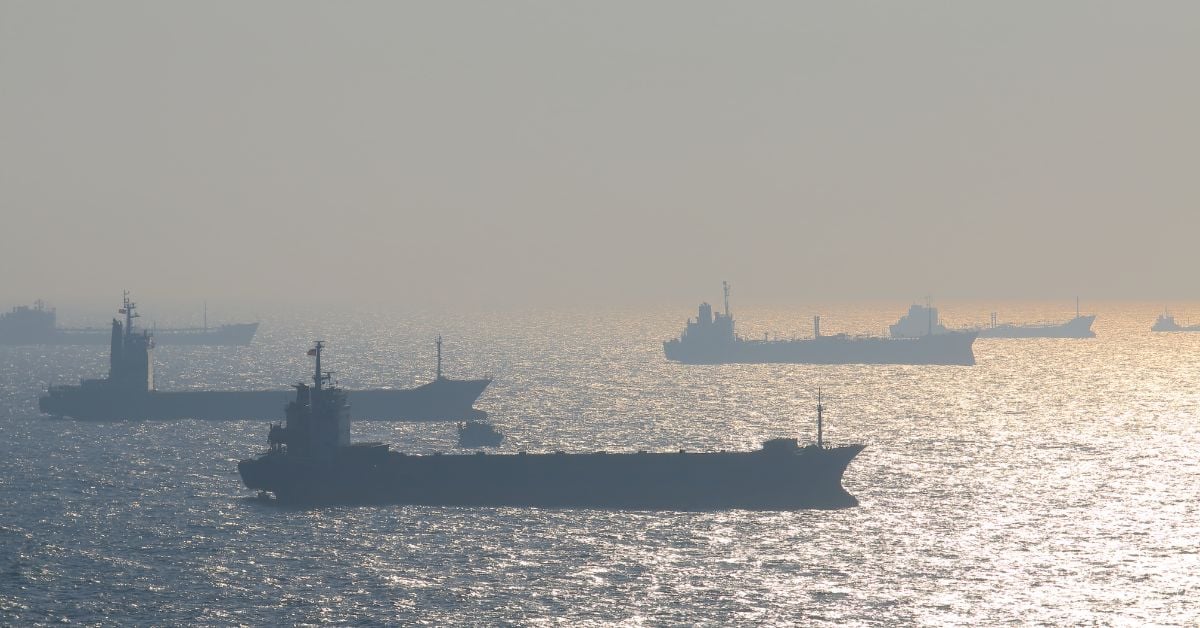
Drone Attacks Ignite Russian Tankers Off Romania's Black Sea Coast
Two tankers of Russian origin were struck by drones off Romania's Black Sea coast, igniting fires that underscore the growing intersection of geopolitical conflict and maritime risk. This incident demands empirical attention: such attacks disrupt trade routes and threaten marine ecosystems in a region already under environmental stress. For deeper context on how shifting trade dynamics and climate pressures are reshaping shipping, see our related coverage on maritime fees signaling friction in trade amid climate and shipping integration.
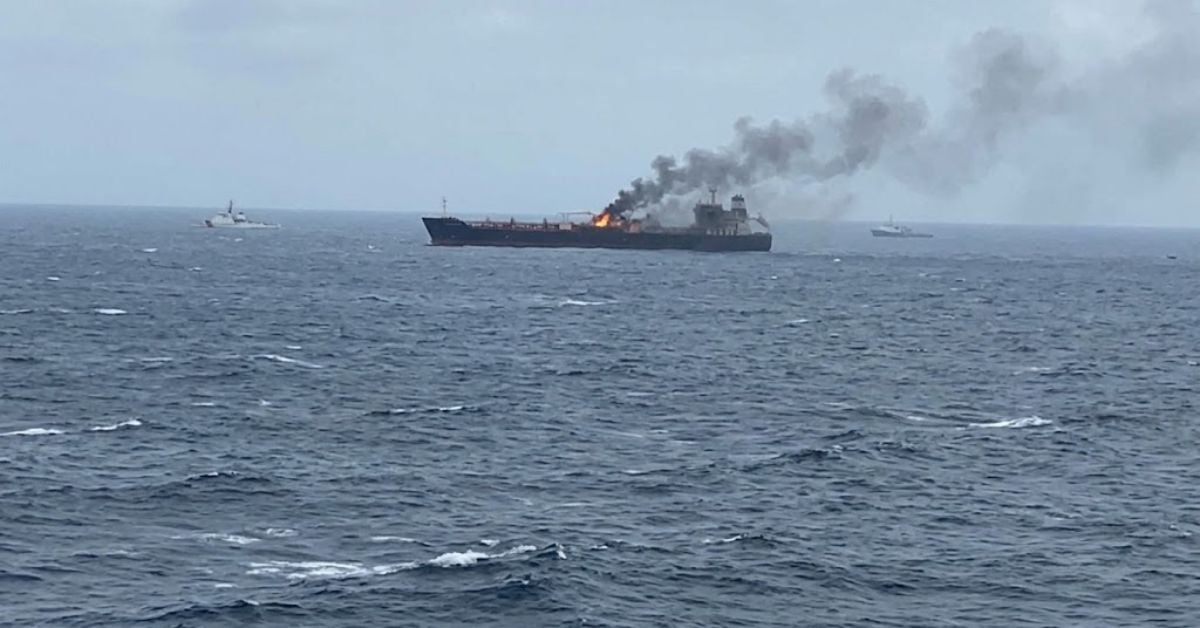
Black Sea Tanker Fire Prompts Investigation After Romanian Drone Reports
A chemical tanker anchored off Romania's coast is now the subject of an investigation after a fire broke out aboard the Yara J, 8-10 nautical miles southeast of the Sulina Canal. The Black Sea remains a theater of compounding threats, where environmental risk from aging vessels meets geopolitical instability. For readers tracking these converging maritime crises, our coverage of the *Three-drone strike sinks Maltese-flagged vessel near Bulgarian coast* documents an equally sobering intersection of commerce and conflict.
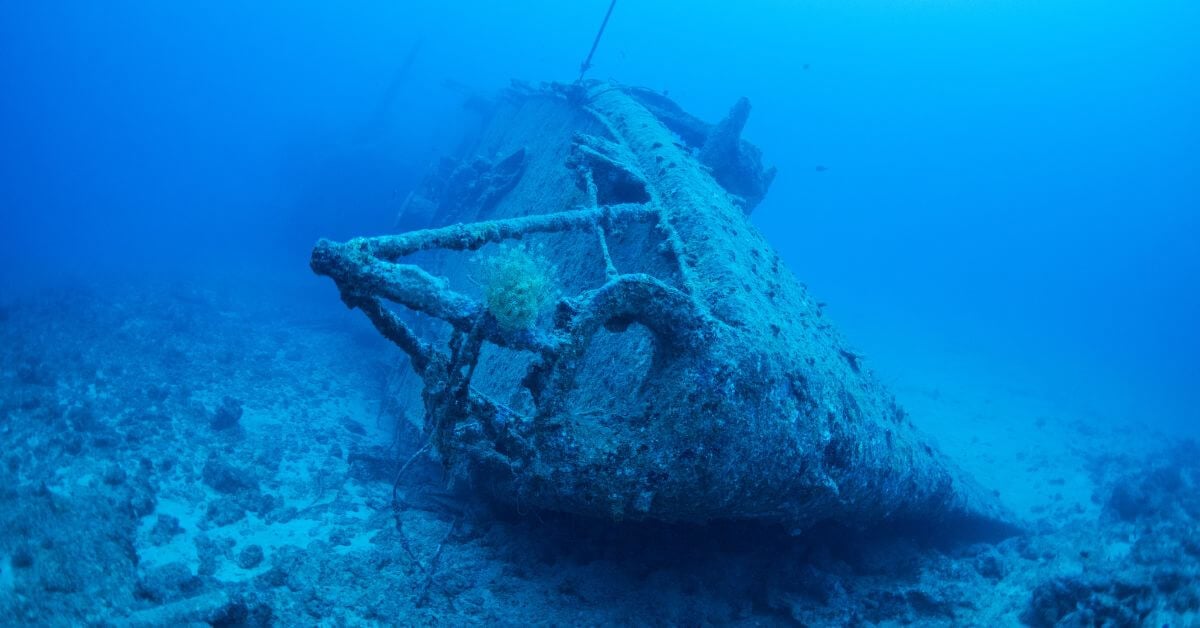
A 4,700-Year-Old Shipwreck Extends Mediterranean Voyage Records
A 4,700-year-old shipwreck has been discovered off the Turkish coast, pushing back the known timeline of Mediterranean voyaging. This vessel, dating to around 2700 BCE, sailed during the Early Bronze Age, long before classical antiquity. Such empirical evidence reshapes our understanding of ancient maritime networks. For context on modern maritime risks, our coverage of the Black Sea cargo vessel attack offers a sobering contrast. Understanding drives protection, whether we are studying millennia-old trade routes or today's seafarers.
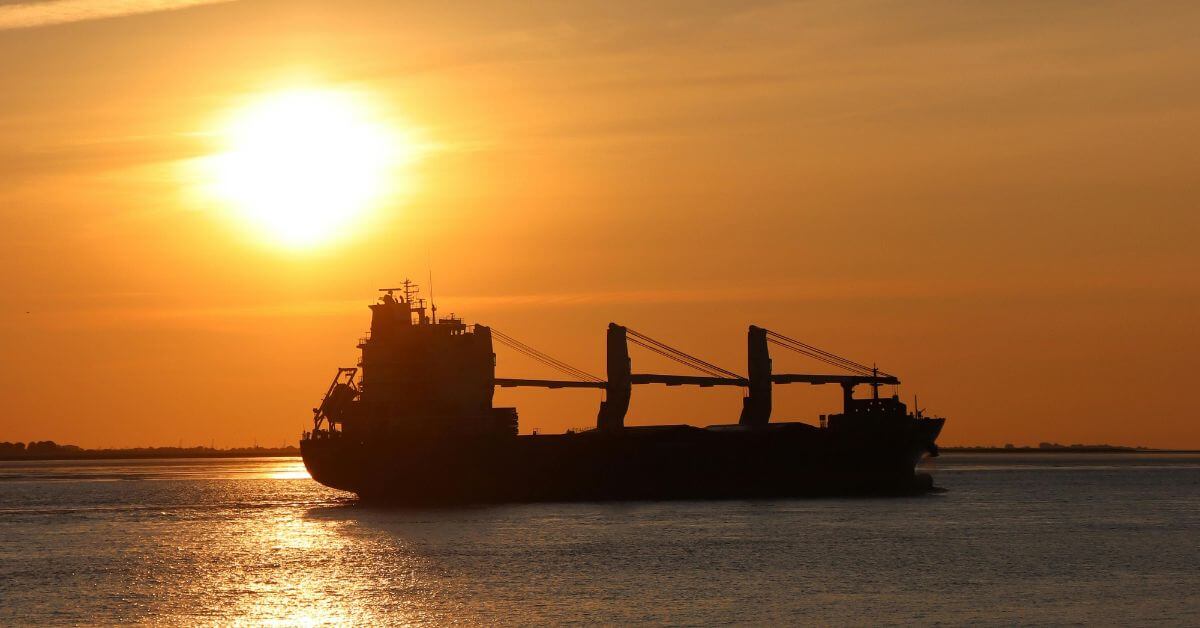
Black Sea cargo vessel lost in attack leaves 11 seafarers missing
A cargo vessel lost in an attack on the Black Sea has left 11 seafarers missing. Five crew members were rescued from the sunken ship, identified by the Bulgarian President as the Guinea-Bissau-flagged *HS Dignity*. This incident follows a troubling pattern of escalating risk to commercial shipping in the region, as detailed in our coverage of the drone strike that sank the Maltese-flagged *Chelsea 3*. The human cost is a sobering, empirical indicator of maritime vulnerability.
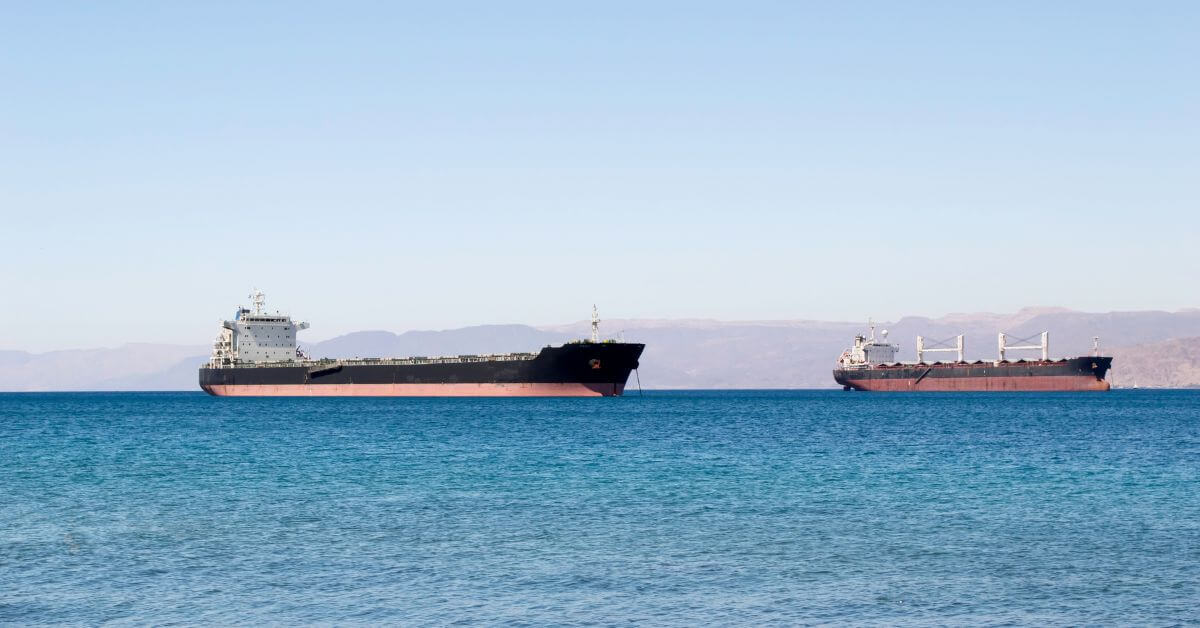
Three-drone strike sinks Maltese-flagged vessel near Bulgarian coast
Three drone strikes sent the Maltese-flagged Chelsea 3 to the seabed off Bulgaria's coast, a measured, precise attack on a Ukrainian-owned vessel. This is not alarmism; it is an empirical signal of evolving maritime threats. Understanding drives protection, which is why our coverage traces these changes. For deeper context on how navies adapt, see *Baltic Allies Validate Uncrewed Target Engagement in Gulf of Bothnia Exercise*. The data tells a clear story: the rules at sea are being rewritten.
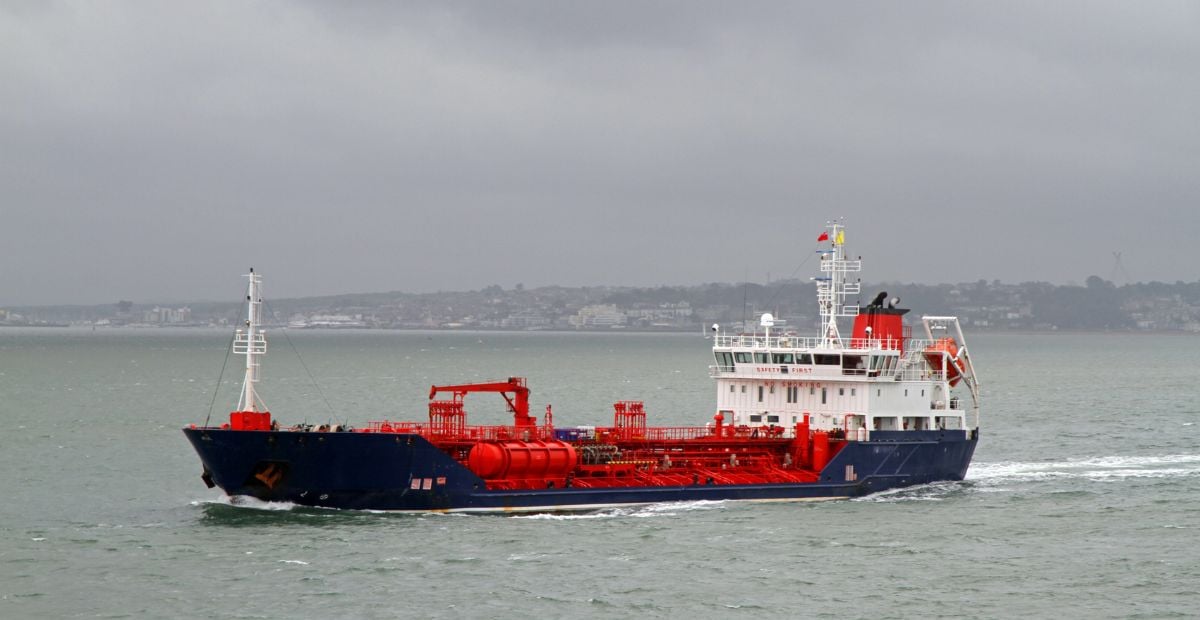
Engine Failure in Bosphorus Halts Traffic as 6,000-Ton Tanker Drifts Toward Shore
A 6,000-ton chemical tanker drifting toward shore in the Bosphorus is a stark reminder of how fragile maritime safety can be. The IVYAN's engine failure halted one of the world's busiest straits, demanding immediate coordination from local authorities. These incidents underscore why integrated monitoring and real-time data are essential for navigational security. For context on regional risks, see our coverage of the drone-struck abandoned cargo ship drifting through the Black Sea toward Bulgaria.
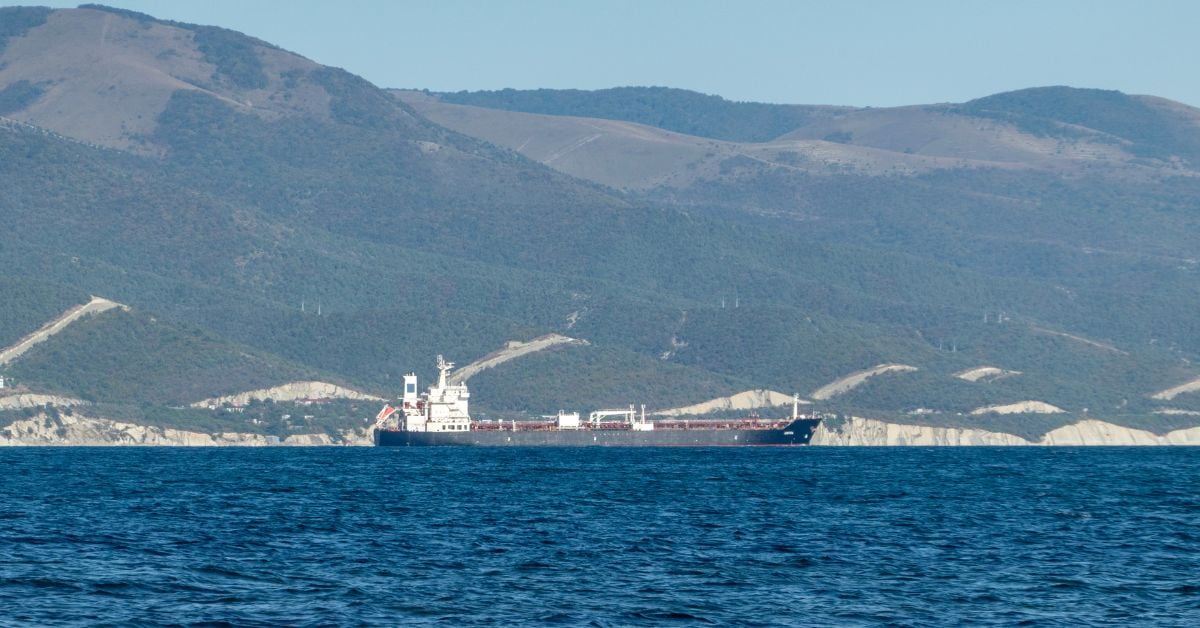
Drone strike targets Panama-flagged tanker with 22 Indian crew at Sharjah anchorage
A Panama-flagged crude oil tanker with 22 Indian crew members was struck by a drone at the Sharjah Anchorage. This incident underscores a troubling pattern: commercial vessels increasingly find themselves in harm's way. Our coverage of the abandoned cargo ship drifting through the Black Sea after a Russian drone strike reinforces that no maritime region is insulated from these threats. Measurable stability at sea remains a climate and food security indicator we cannot afford to ignore.
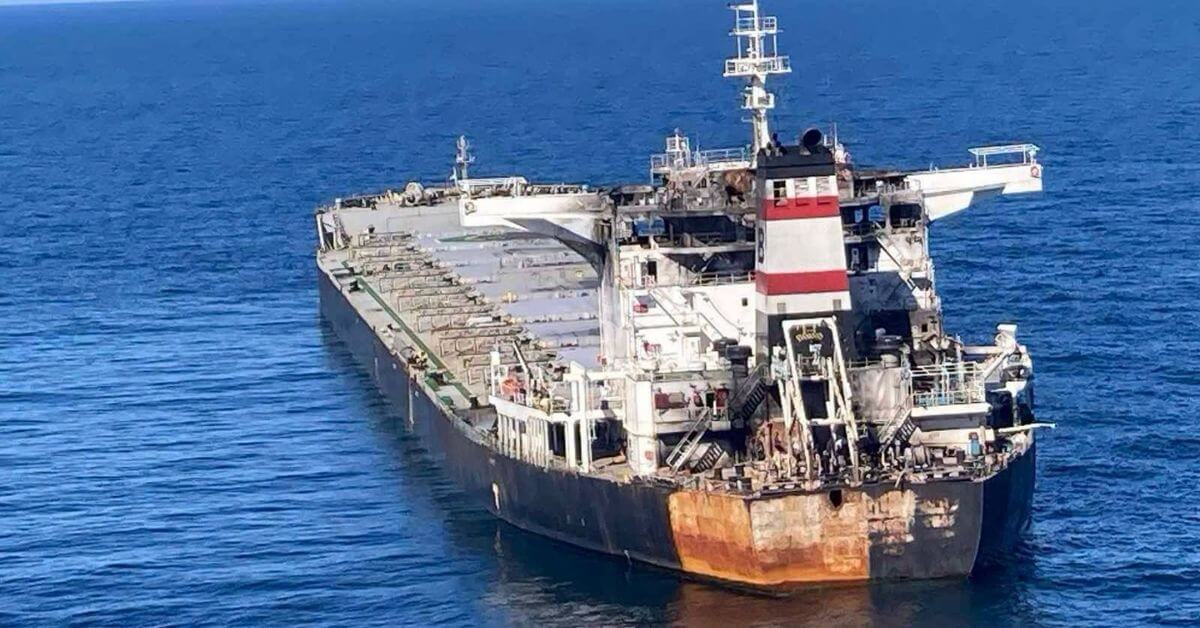
Drone-Struck Abandoned Cargo Ship Drifts Through Black Sea Toward Bulgaria
A single abandoned cargo ship, damaged by a Russian drone near Odesa in August, is now drifting through the Black Sea toward Bulgaria. The vessel's unguided path underscores how fragile maritime security remains in the region. Each drifting hull is a measurable reminder that stability here is not abstract; it is a climate and food security indicator. For deeper context on these risks, our related coverage on Black Sea stability offers a broader view.
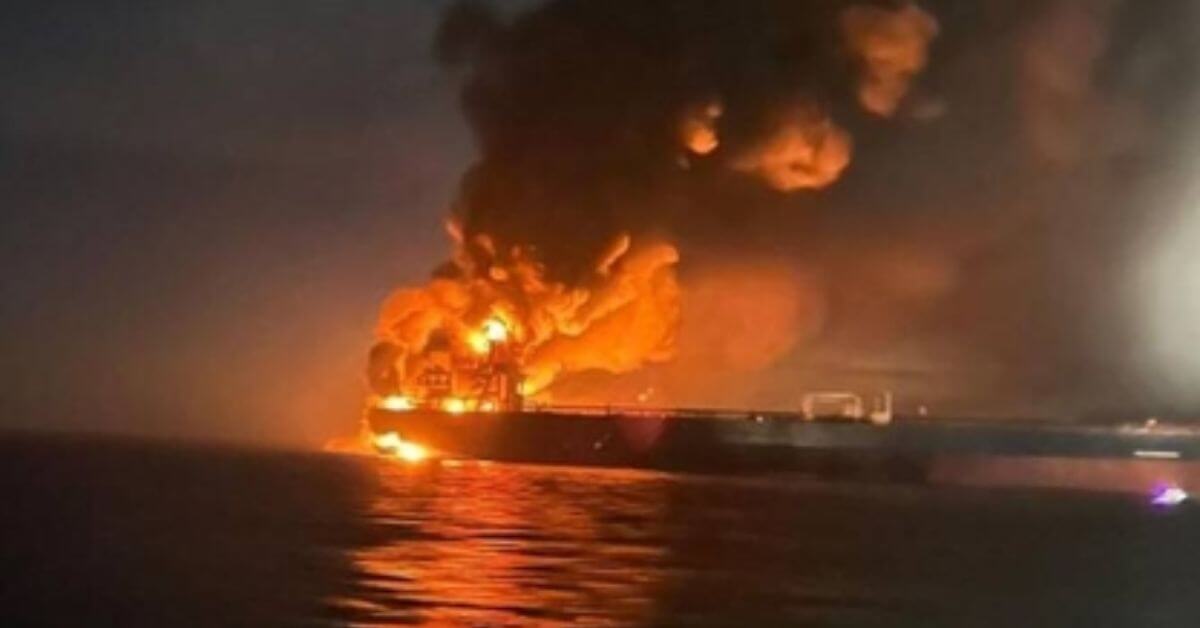
Black Sea stability is a measurable climate and food security indicator
Black Sea stability is a measurable climate and food security indicator. When maritime attacks disrupt grain shipments, the consequences ripple far beyond regional borders. Turkish Foreign Minister Hakan Fidan's warning underscores a basic truth: ocean intelligence is food intelligence. These waters are not a side conflict. They are a calibrated signal of global risk. For deeper context on mounting maritime threats, see our coverage of the recent attacks that injured two Indian seafarers.
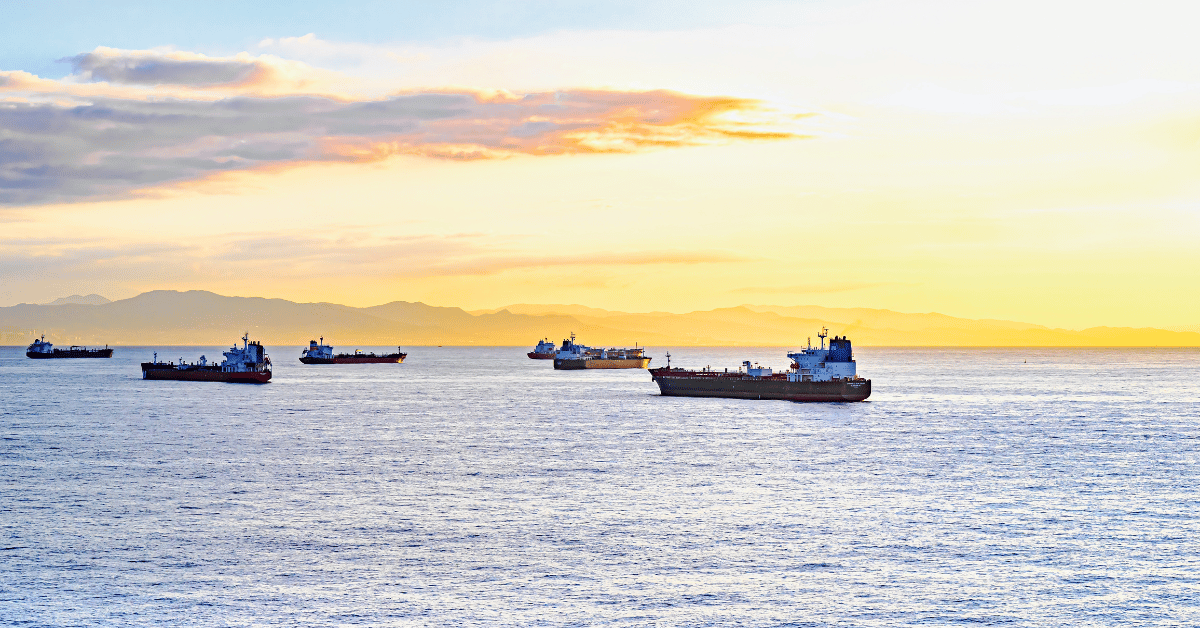
Black Sea Maritime Attacks Injure Two Indian Seafarers, Urge Immediate Action
Two Indian seafarers were injured in separate attacks on commercial vessels in the Black Sea, prompting India's Ministry of External Affairs to demand an immediate halt to hostilities. The MEA flagged a sharp escalation: four ships came under fire within 48 hours, a pattern that threatens the crew, cargo, and the region's fragile maritime order. This is not abstract geopolitics; it is measured, real-world harm. For deeper context on regional response, see our related piece on India's proposed maritime truce.
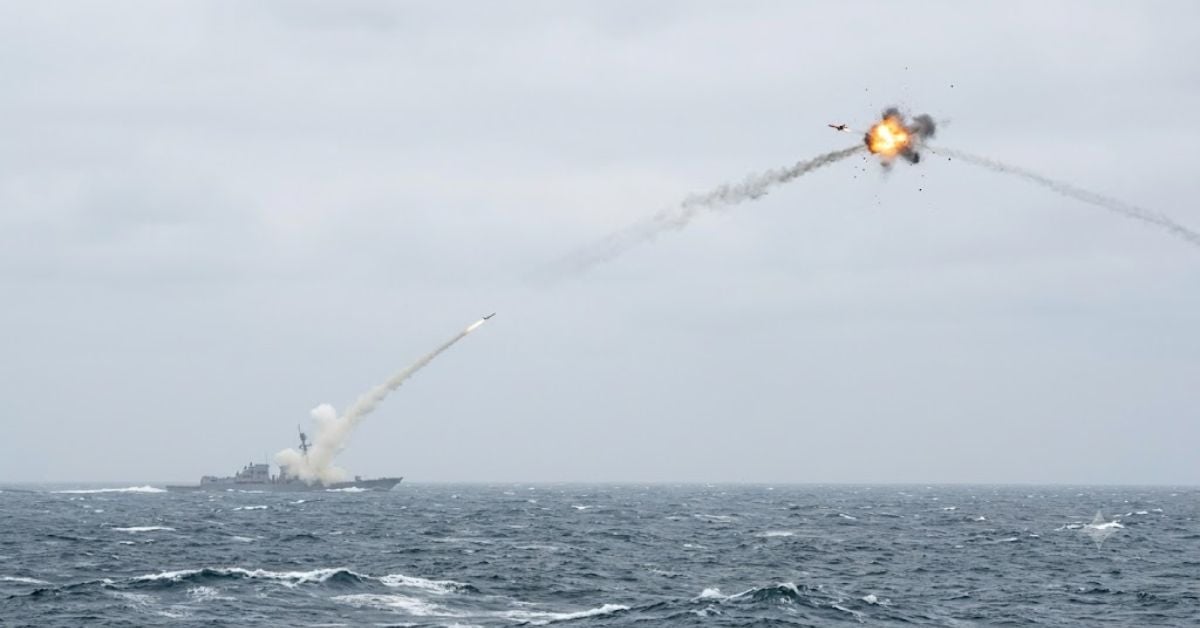
Mesh-networked USV engages aerial drone in validated maritime combat
A mesh-networked unmanned surface vessel has demonstrated validated maritime combat by shooting down a Russian Shahed-type drone. The Ukrainian Navy's Sargan-3000 operated through an integrated data ecosystem, proving that coordinated, real-time autonomy can deliver measurable results in contested waters. This is not abstract theory, it is empirical, peer-reviewed capability. Understanding drives protection. For deeper context on escalating Black Sea threats, see our coverage of the Bulgarian search for missing crew after a drone strike in its waters.
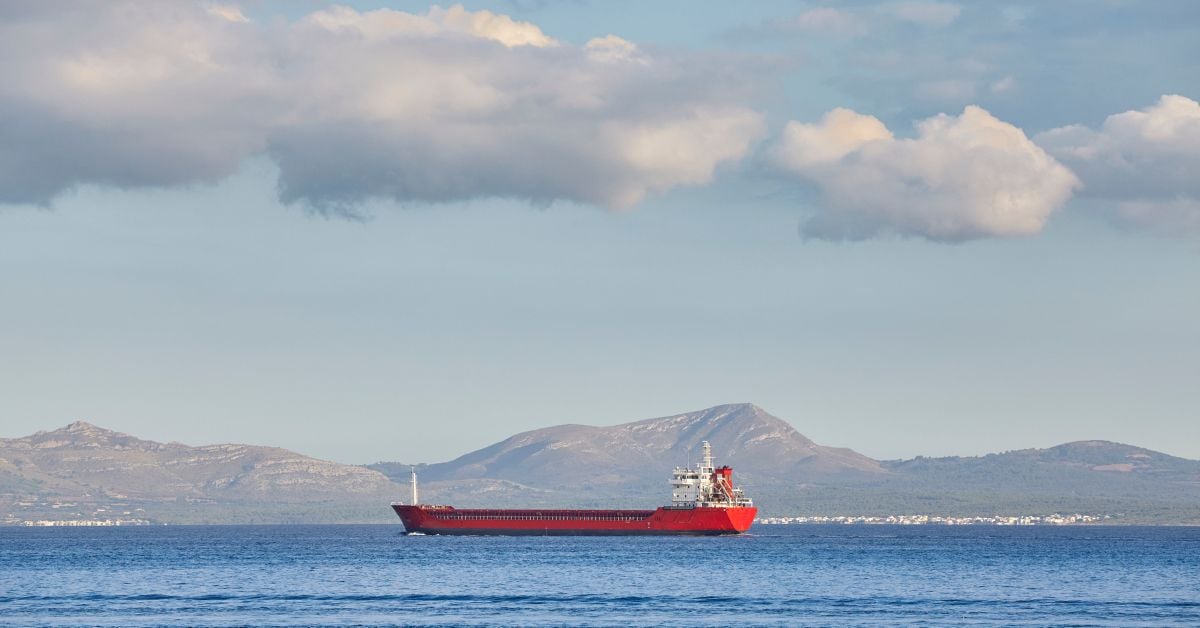
Bulgaria concludes search for missing crew after drone strike in its waters
Bulgaria has ended the search for missing crew members of a cargo vessel that sank 70 nautical miles off its coast after a drone strike. This measured decision reflects the grim realities of escalating maritime threats. The incident is not isolated; as our coverage notes, "Black Sea Maritime Attacks Injure Two Indian Seafarers, Urge Immediate Action" documents four vessels attacked in just 48 hours. These empirical data points demand integrated, real-time monitoring to protect seafarers and global supply chains.