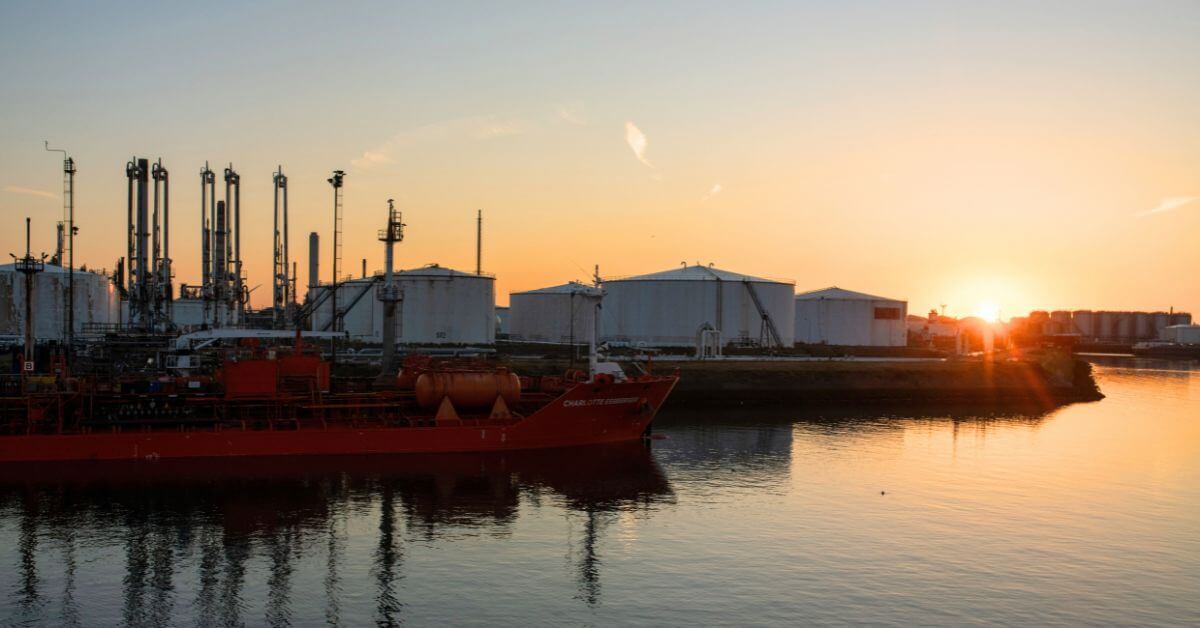
The confirmed strikes on Ukrainian ports and cargo vessels on Thursday mark another instance where the Black Sea's commercial arteries have been weaponized. Russia's stated rationale is that these targets were carrying military supplies, which places civilian shipping in a precarious position as a direct extension of the conflict. For the global maritime community, this is not an abstraction; it is a hardening of operational reality where the distinction between a legitimate military target and a commercial lifeline is being deliberately blurred. We see this as a calculated pressure point, not a random escalation.
This action fits a broader pattern of Russian maritime strategy that extends beyond the immediate theatre of war. Our coverage of the Vostok Project Launches Arctic Oil Exports Amid Geopolitical Shifts shows Moscow pivoting its export flows eastward, while Russia Calibrates Export Revenue for Northern Sea Route Icebreaker Fleet demonstrates a long-term commitment to monetizing those alternate routes. When you connect these dots, Thursday's attack looks less like a spontaneous military decision and more like a coordinated effort to degrade Ukraine's economic capacity while signaling to neutral shippers that no corridor is truly safe. The fact that these strikes hit cargo vessels specifically suggests an intent to raise insurance premiums, deter foreign investment in Ukrainian grain exports, and test the limits of NATO's response without triggering a direct Article 5 confrontation.
For our readers, the practical takeaway is a question of risk assessment and adaptation. If you are operating in the Black Sea or considering contracts involving Ukrainian ports, the threat model has shifted from piracy and mine hazards to state-sponsored interdiction. The data we track on maritime incidents shows that vessels transiting this region now require enhanced security protocols, real-time intelligence sharing, and a legal review of war-risk clauses. We would tell a reader asking for guidance that the era of assuming safe passage in these waters is over; the only reliable strategy is to assume that port calls in the region are contingent on volatile security conditions. This is not alarmism, it is a calibrated reading of the situation based on confirmed military action.
The open question we are watching is how the international community responds to this precedent. If striking commercial vessels becomes an accepted tactic without significant consequence, it lowers the threshold for similar actions elsewhere, particularly in the Mediterranean where Russian Maritime Activity Raises Concerns of Drone Operations in Mediterranean is already a concern for NATO planners. The concrete point to monitor is the next round of sanctions or naval escort proposals; if those fail to materialize, we can expect more of these strikes. For now, the takeaway is clear: the ocean is not a neutral space, and every voyage through these chokepoints is now a calculated risk.