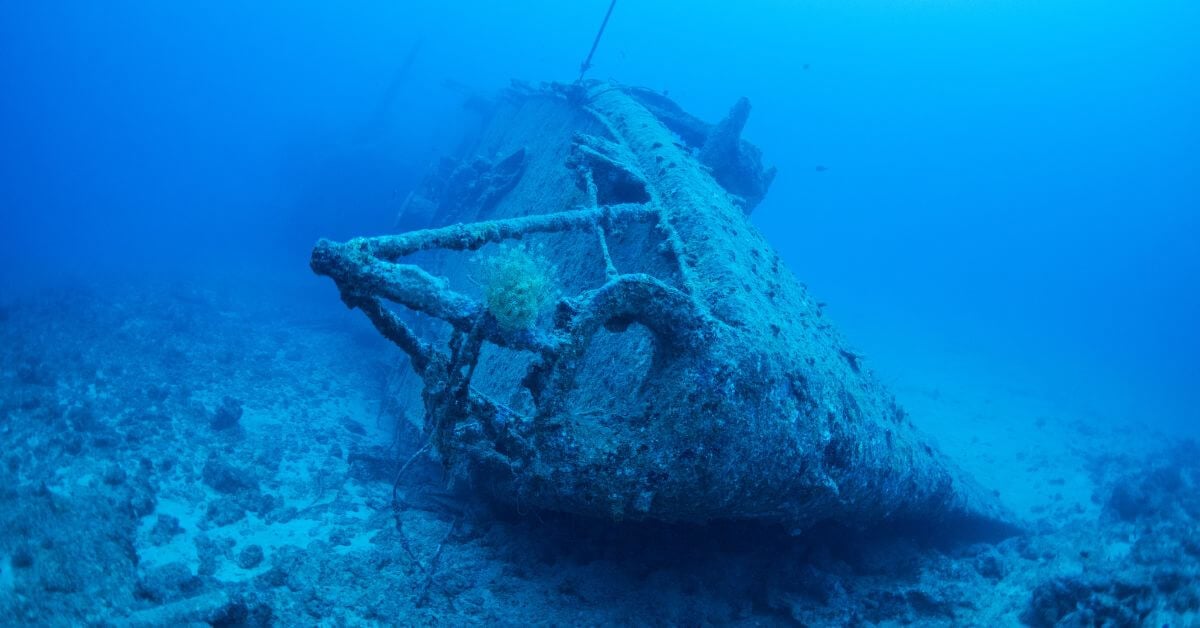
The discovery of a 4,700-year-old shipwreck off the Turkish coast is not merely a record-setting find; it is a recalibration of our timeline for maritime commerce. This vessel, resting 30 metres underwater near Kekova Island, pushes back the documented history of open-water trade by centuries, and it demands we update our understanding of how early civilisations connected.
What makes this find so significant is not the age alone, but the evidence it carries. The ship was transporting more than 30 ceramic amphorae, some still holding traces of a thick, shining substance that researchers are now analysing. Professor Hakan Öniz of Akdeniz University led the expedition, and his team dated the wreck by comparing the jars' two handles, ridges, and flattened bases to Early Bronze Age pottery from Egypt and the Middle East. Radiocarbon dating was impossible, as the wooden hull has long since vanished, but the ceramic typology is conclusive. Öniz stated plainly: "Comparing the decoration techniques… we can definitely say our wreck is Early Bronze Age. This is 100%." That confidence matters. It moves this from speculation to validated archaeology.
For our readers, the practical implication is direct: the Mediterranean was a working highway, not a barrier, 4,700 years ago. The ship, likely about 10 metres long, was carrying cargo somewhere along the eastern coast, possibly to Troy or the Minoans of Crete. We now have proof that such voyages were routine, not exceptional. This connects to the modern reality of maritime risk. The waters around Kekova Island have strong currents and winds, and hundreds of wrecks have been found there. That same geography remains hazardous today, as evidenced by recent losses. A Black Sea cargo vessel lost in attack leaves 11 seafarers missing and a three-drone strike sinks Maltese-flagged vessel near Bulgarian coast remind us that the sea's dangers are persistent. The ancient sailors who navigated these waters without modern instruments faced a different kind of peril, but the sea itself has not changed.
The substance inside the jars is the detail to watch. Dr. Karin Sowada of Macquarie University is studying the material, which could be olive oil, wine, or tree resin. She cautions that the jars may have been reused before the ship sank, meaning the contents might not be original cargo. That uncertainty is part of the scientific process, and it is exactly why this discovery matters beyond its age. The wreck also predates the Dokos shipwreck in Greece by roughly 500 years, and it offers a rare glimpse into a period for which we have little direct maritime evidence.
The recovered objects will go on display at the new Mediterranean Underwater Archaeology Museum in Antalya when it opens. That is a concrete outcome, but the deeper consequence is intellectual. This wreck validates that long-distance trade networks existed earlier than many models assumed. It also raises an open question: what else lies beneath these waters, and what will it tell us about the people who built, loaded, and sailed these ships? Öniz said he often thinks about the sailors, the potters, and the dockworkers connected to this vessel. That human thread, stretched across millennia, is the reason we study the sea. The next jar opened, the next substance analysed, could rewrite another chapter of our shared history.