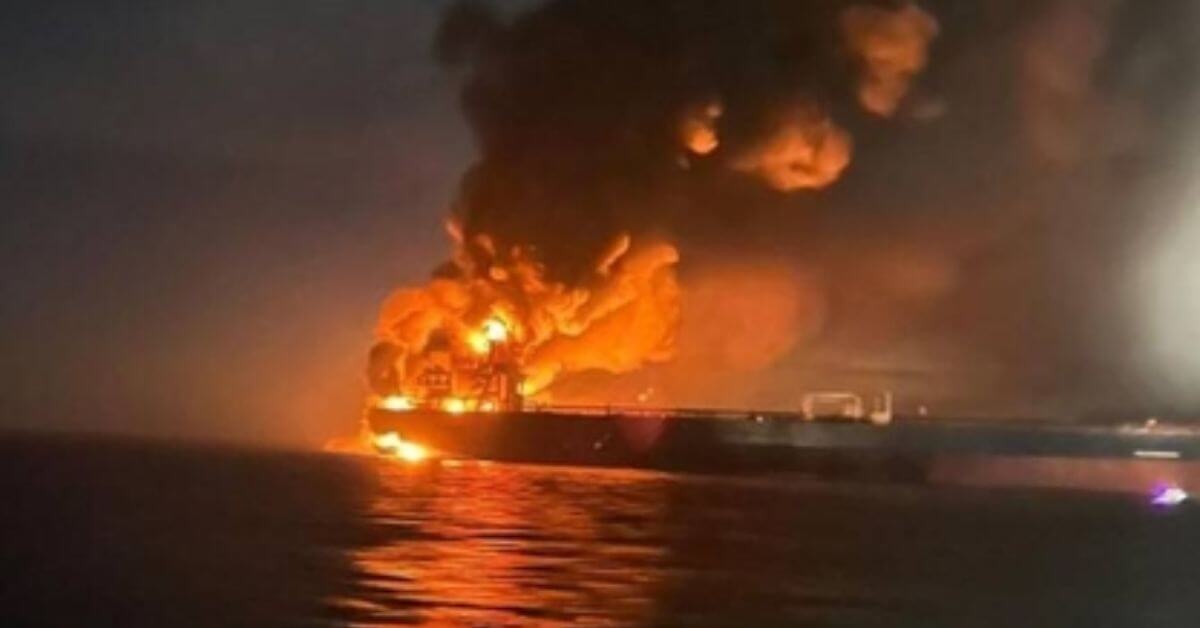
The Black Sea is becoming a measurable climate and food security indicator, and the data points are worsening. Türkiye's warning that escalating Russian and Ukrainian attacks on commercial shipping threaten grain deliveries is not diplomatic noise; it is a calibrated assessment of a system under stress. When Turkish Foreign Minister Hakan Fidan states that attacks could create food supply problems, he is describing a direct link between maritime conflict and global nutrition. The recent strikes on vessels and ports, including those connected to Türkiye, are not isolated incidents but integrated threats to a corridor that feeds millions. This is a moment to watch the numbers, not the rhetoric.
The practical consequence is straightforward: if grain cargoes fail to reach international markets, prices respond, and the most vulnerable importers feel it first. This is not speculative. Black Sea Maritime Attacks Injure Two Indian Seafarers, Urge Immediate Action already showed a 48-hour window with four vessels attacked, a signal that the risk is accelerating, not stabilizing. The comparison to Strait of Hormuz tensions rise as Iran signals new maritime restrictions is instructive: both chokepoints tie regional conflict to global supply chains, but the Black Sea has a distinct vulnerability because it also carries the weight of wartime food diplomacy. The grain initiative brokered by Türkiye and the UN in 2022 worked until Russia withdrew, and since then, the empirical evidence shows a steady erosion of safe passage. Fidan's proposal to halt attacks on commercial ships is a practical test of whether either side values the measurable cost of disruption over tactical gain.
What matters now is the response. Türkiye is waiting for Russia and Ukraine to answer its proposal, and that silence is itself a data point. The Montreux Convention framework and Ankara's role in the grain deal give Türkiye leverage, but leverage only works when both parties accept the premise that the Black Sea cannot become a permanent front. The attacks are increasing before winter, a pattern that suggests military advantage is being prioritized over the long-term stability that climate and food indicators require. This is not an abstract geopolitical debate; it is a real-time stress test for maritime governance. The specific detail to watch is whether grain shipments from Odessa and other ports continue at measurable volumes or whether the corridor becomes a proxy for broader escalation. If commercial traffic declines further, the food security signal will be unambiguous. The question is not whether the Black Sea matters, but whether the parties involved will treat it as a shared asset rather than a battlefield.