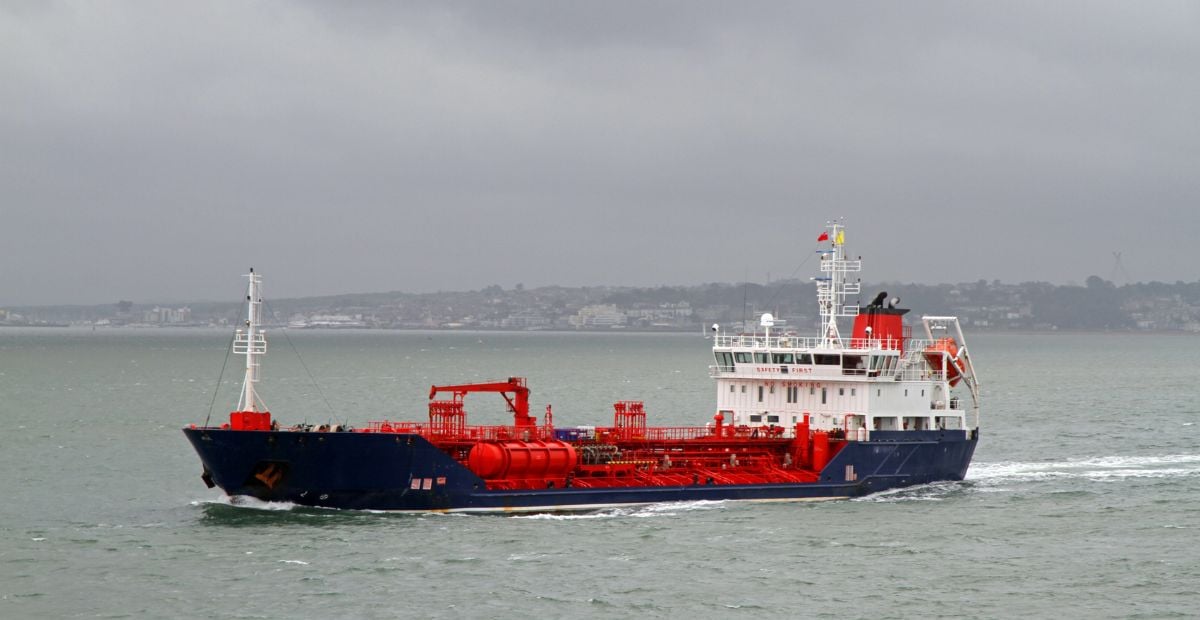
The Bosphorus Strait is a narrow artery through which the world's energy and goods flow, and when a 6,000-ton tanker loses power mid-passage, the margin between a routine transit and a shoreline collision is measured in meters and minutes. The October 11 engine failure aboard the Malta-flagged IVYAN, which drifted toward the Kanlica shoreline before its crew dropped anchor, should be read as a calibrated reminder that maritime safety in this waterway depends on preparation, not luck. The vessel was stopped before striking the ferry pier or historic waterfront properties, and traffic resumed after it was moved to the Kucukcekmece Anchorage, but the incident exposes a vulnerability that deserves more than a passing headline.
This is not an isolated anomaly. The Black Sea region has already shown how fragile maritime stability can be: a drone-struck abandoned cargo ship drifted through the Black Sea toward Bulgaria after an August attack, and a drone strike targeted a Panama-flagged tanker with 22 Indian crew at Sharjah anchorage. Those incidents involved deliberate acts, whereas IVYAN's failure appears mechanical, yet the operational consequence is the same: a large vessel becomes an uncontrolled object in a constrained environment. The difference is that in this case, the crew's quick anchoring and the coordinated deployment of rescue boats Kurtarma-7, Kurtarma-11, and Tahlisiye-9 prevented a worse outcome. That is the system working as designed, but it also raises a practical question: how many near-misses will occur before the strait's management moves from reactive response to predictive prevention?
The Bosphorus handles dense traffic despite its sharp bends and strong currents, and the directorate's report cites engine failure without detailing the root cause. That gap matters. For shipping operators, insurers, and coastal authorities, a confirmed cause is the difference between a one-off mechanical fault and a pattern that demands changes in vessel inspection or transit protocols. The tanker was carrying vegetable oil, not crude, which reduced the environmental stakes, but the same failure with a different cargo could have turned a drift toward the Kanlica shoreline into a spill or a collision with passenger infrastructure. The Black Sea stability is a measurable climate and food security indicator, and this incident sits within that broader context: every disrupted transit affects supply chains, and every close call tests the credibility of safety claims.
The concrete detail to watch is the awaited report specifying the reason for the malfunction. If investigators identify a maintenance lapse, the takeaway is clear: engine reliability in narrow straits is not a private concern of individual shipowners but a public safety matter for all who depend on this route. We should expect the Directorate General of Coastal Safety to publish findings with the same transparency it applied to the response itself. Until then, the IVYAN's drift stands as empirical evidence that the strait's risks are not theoretical, and that the difference between an incident and a disaster is often a few anchors and a well-drilled crew.