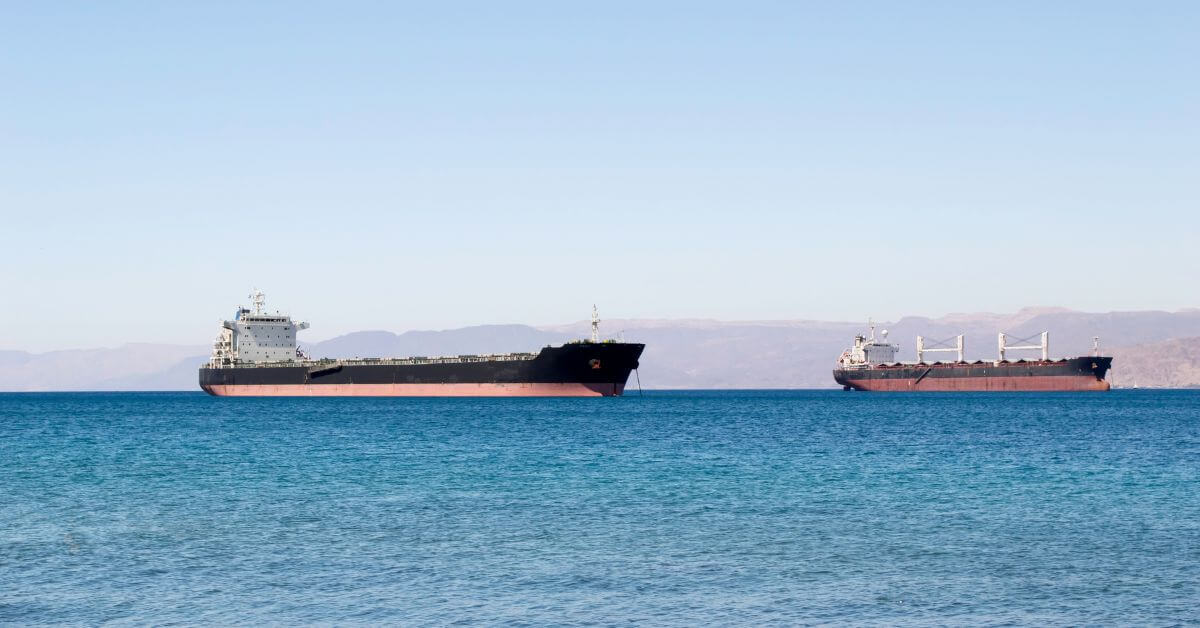
The targeting of a civilian cargo vessel by drones in the Black Sea is not an isolated incident; it is a dangerous escalation with measurable consequences for global maritime security. The sinking of the Ukrainian-owned, Maltese-flagged Chelsea 3 off the Bulgarian coast reinforces a troubling pattern we have tracked closely, most recently in Baltic Allies Validate Uncrewed Target Engagement in Gulf of Bothnia Exercise, where allied navies are actively testing defenses against exactly this kind of uncrewed threat. The difference is that those exercises are controlled and calibrated; the attacks near Bulgarian waters are real, unprovoked, and targeting merchant crews.
Bulgarian Prime Minister Rumen Radev described the strike as "absolutely unacceptable," and his assessment is empirically sound. The Chelsea 3 was hit by three drones at approximately 1:30 a.m., 18 nautical miles off the coast. All 15 crew members, seven Ukrainians and eight Azerbaijanis, were rescued, and five received medical treatment. But the fact that a second vessel was also struck, and at least one sank, tells us this was not a one-off miscalculation. It is a deliberate campaign against commercial shipping in a region already under pressure from shifting trade routes, as highlighted in Baltic States Call for EU to Halt Russian Grain Transit Amid Trade Route Shifts. The Black Sea corridor is not just a war zone; it is a critical artery for grain and global supply chains. Each drone strike adds a layer of risk that operators must calculate into every voyage.
There is no definitive forensic proof of who launched the drones, but the pattern of responsibility is clear. Radev stated that while evidence is lacking, "the outcome benefits the Russian Federation." That is a measured, evidence-based conclusion, not an accusation. The Russian embassy in Sofia denied involvement, and its Defence Ministry called for an investigation. Yet, given that a similar attack a week earlier hit the Togo-flagged Alfa Watan and the grain ship Able, with Ukrainian President Zelenskyy blaming Russia, the burden of proof lies with those who benefit from destabilizing the region. What our readers should watch is not the blame game but the operational reality: drones are now a normalized threat to merchant shipping outside active conflict zones. Bulgaria is a NATO member without a land border to either Russia or Ukraine, yet its exclusive economic zone is being used as a staging ground for strikes.
One specific takeaway stands out. The number of crew members rescued, 15 from the Chelsea 3 and one from the sunken vessel, shows that lifesaving coordination still works, but it is being tested under extreme conditions. The Persistent Lifebelt Signal Guides Cargo Ship to Rescue After 20 Hours at Sea demonstrated how even a single piece of calibrated rescue gear can save lives. The question now is whether the maritime industry can integrate similar real-time tracking and drone-avoidance protocols into standard operations before the next attack happens. The ocean intelligence we rely on must account for threats that operate below the radar, literally. We will be watching to see whether NATO's response includes the kind of uncrewed validation exercises already underway in the Baltic, or whether the Black Sea remains a theater where commercial vessels are treated as expendable.