World Data Ocean

A Global Hub for Ocean Intelligence 4 World Data Ocean is a centralized digital platform where researchers, scientists, and ocean enthusiasts converge to explore, analyze, and share the latest data… Read more
Page 14

💪oceanography: things about the sea
oceanography: things about the sea

Can anyone explain this phenomenon?

The intriguing observation of regularly striped dark material in the water along a North Uist beach presents a fascinating coastal phenomenon. These bands, concentrated just below the tide line, likely result from localized sediment transport—potentially dark sands or organic matter—carried and deposited by tidal currents and wave action. Factors such as seabed topography and variations in water density can contribute to this patterned distribution. Further investigation, perhaps utilizing oceanographic data, could reveal the precise mechanisms at play.
💪Marine Biology Subreddit
Marine Biology Subreddit

Is there a way to look up underwater geography?

The observed shell distribution along the central California coast presents an intriguing geographic puzzle. World Data Ocean’s integrated data ecosystem provides tools to investigate such patterns. Utilizing bathymetric data—the measurement of underwater terrain—allows for analysis of seabed features that may influence shell dispersal. Examining depth contours, substrate composition, and potential underwater currents can reveal the source and explain the stark ecological divide. For deeper insights into marine biodiversity, consider exploring Jeffrey Marlow’s book on life at the bottom of the oceans, available on our site.
Creature found Hilton Head
Marine Biology Subreddit

Creature found Hilton Head

A fascinating discovery was reported from Hilton Head, South Carolina: a squishy, unidentified creature found clinging to driftwood. The individual described a unique feature—a spiral on its head from which it expelled water. While identification remains pending, this encounter highlights the surprising biodiversity found along our coastlines. Further exploration of marine life can be found in articles like "Why does this wild whale shark have orange on its snout?", which investigates unusual coloration in marine species.
💪oceanography: things about the sea
oceanography: things about the sea

How do you actually get your instruments/AUVs & ROVs to remote ocean locations, what does it cost and how long does it take?

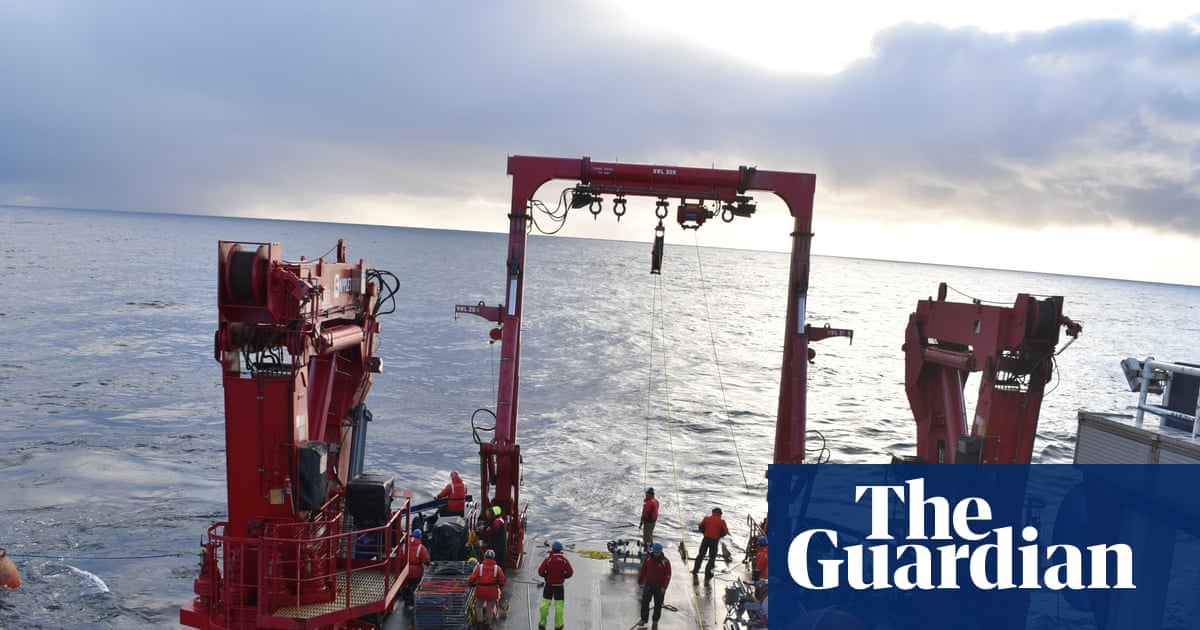
Accessing remote ocean locations for research presents a significant logistical challenge. Deployment of instruments, AUVs, and ROVs requires specialized vessels, incurring substantial costs and time commitments. Typical expenses range from tens of thousands to millions of dollars, with project timelines often extending months for planning and execution. Delays and cancellations due to vessel availability are common. Researchers sometimes leverage alternative vessels like cargo ships or fishing boats, but this introduces unique complexities.
💪Marine Biology Subreddit
Marine Biology Subreddit

Sea urchins

Sea urchins, submitted by /u/Div-In, represent a vital, often overlooked, component of marine ecosystems. These invertebrates play a significant role in controlling algae populations and shaping seabed habitats. Longitudinal studies reveal their sensitivity to ocean acidification and warming, making them valuable climate indicators. Observed declines in urchin populations globally signal broader ecosystem stress, emphasizing the need for integrated ocean intelligence to monitor their health and predict future impacts. Further research, leveraging real-time data, is critical for informed ocean stewardship.
💪oceanography: things about the sea
oceanography: things about the sea

Can anyone recommend an engineer or team to build a Saildrone-like platform?

Seeking experienced engineering expertise for an autonomous ocean surface vehicle (USV) project, mirroring Saildrone’s capabilities? This funded initiative requires design and development of a platform for ocean monitoring and carbon dioxide research, targeting six-month deployments. Key requirements include autonomous operation, renewable energy integration (wind/solar), satellite communications, and environmental sensor support. Familiarity with USVs, marine robotics, and autonomous systems is essential. Consider this project's scope comparable to challenges explored in "Are gliders overkill for coastal work?". Recommendations for qualified engineers or teams are welcome.
A massive asteroid hit the North Sea and triggered a 330-foot tsunami
Oceanography News -- ScienceDaily

A massive asteroid hit the North Sea and triggered a 330-foot tsunami

A decades-long scientific debate concludes with definitive confirmation: the Silverpit Crater in the North Sea is the result of an asteroid impact. Recent seismic imaging and analysis of shocked minerals validate that a roughly 160-meter asteroid struck the seabed approximately 43–46 million years ago. The event generated a substantial plume and a powerful tsunami, estimated at over 100 meters (330 feet) in height. This discovery underscores the significant, and often overlooked, role of extraterrestrial impacts in shaping Earth’s geological history.
💪oceanography: things about the sea
oceanography: things about the sea

Hypothetical: What if the water disappeared from the deepest places on Earth?

The hypothetical removal of water from Earth’s deepest ocean trenches presents a compelling scientific thought experiment. Such a scenario would trigger profound geophysical shifts. Reduced hydrostatic pressure could destabilize submerged geological structures, potentially leading to the collapse of formations and the emergence of previously unseen hydrothermal vents, perhaps even manifesting as volcanic activity. Furthermore, the absence of water would alter sediment dynamics and drastically impact deep-sea ecosystems.
Why does this wild whale shark have orange on its snout?
Marine Biology Subreddit

Why does this wild whale shark have orange on its snout?

The striking orange coloration observed on some whale shark snouts presents a fascinating subject for oceanographic inquiry. While the precise mechanisms remain under investigation, current empirical evidence suggests a likely interplay of factors. Algal growth, particularly dinoflagellates, is a validated contributor, creating a temporary pigment overlay. Scarring from past encounters, though possible, appears less probable given the consistent distribution observed in affected individuals. Further longitudinal studies are needed to fully calibrate the influence of environmental conditions and behavior.
Australia Reports 4,174 Marine Incidents In 2025, Including 4 Fatalities And 228 Injuries
Marine Insight

Australia Reports 4,174 Marine Incidents In 2025, Including 4 Fatalities And 228 Injuries

Australia’s maritime safety authority has reported 4,174 marine incidents within its waters during 2025, representing a significant dataset for ocean intelligence analysis. These incidents resulted in four fatalities and 228 injuries, underscoring ongoing challenges in maritime operations. Collisions, groundings, and failures of power, propulsion, and critical systems remain the most prevalent incident types. For further exploration of marine biodiversity and related oceanographic topics, readers may find Jeffrey Marlow’s work insightful. [link]
💪oceanography: things about the sea
oceanography: things about the sea

Can I get into oceanographic instrumentation with a dual degree in biochemistry and physics?

A dual degree in biochemistry and physics provides a surprisingly strong foundation for a career in oceanographic instrumentation. Your analytical skillset is highly valuable. While instrument design is a viable path—requiring further specialized training—the oceanographic field offers numerous avenues for contribution. Consider roles leveraging your physics background in areas like sensor calibration or data analysis, or applying biochemical knowledge to marine chemical monitoring. Pursuing a master’s or PhD will be critical for focused expertise.
💪oceanography: things about the sea
oceanography: things about the sea

Can anyone tell me where I can see octopuses in nature?

Observing octopuses in their natural habitat requires careful planning and an understanding of their distribution. Several locations offer opportunities for sightings, with the Indo-Pacific region consistently ranking highest for biodiversity. Specifically, destinations like the Coral Triangle (Indonesia, Philippines, Malaysia) and parts of Australia provide reliable encounters. Additionally, the Eastern Pacific, including coastal regions of California and Baja California, hosts several octopus species. Empirical data suggests visibility improves with appropriate diving experience and guided tours utilizing ocean intelligence platforms.
Antarctica has a strange gravity hole and scientists finally know why
Oceanography News -- ScienceDaily

Antarctica has a strange gravity hole and scientists finally know why

Recent research has illuminated a perplexing phenomenon in Antarctica: a measurable gravitational anomaly, or "gravity hole," where gravitational pull is demonstrably weaker than anticipated. This isn't a sudden shift, but the culmination of slow, deep-Earth rock movements spanning tens of millions of years. Utilizing earthquake data to construct a planetary interior model, scientists have traced the anomaly’s evolution, noting a strengthening period between 50 and 30 million years ago.
💪oceanography: things about the sea
oceanography: things about the sea

The Baltic Sea is hiding two completely different mysteries at once — one is unexplained, one we understand but can't easily fix

The Baltic Sea presents a compelling duality: two distinct mysteries unfolding simultaneously. One, an unexplained anomaly on the seabed—a 60-meter circular formation with unusual features and reported equipment malfunctions—remains a subject of speculation despite initial geological explanations. Simultaneously, record-low water levels, the lowest since 1886, reveal a concerning depletion of approximately 275 km³ of water due to wind-driven shifts.
💪oceanography: things about the sea
oceanography: things about the sea

Marine Biology book recommendations

Delve into the fascinating world of marine life with these recommended books, curated by /u/angelicsploshh. This collection offers a spectrum of perspectives, from foundational ecological principles to cutting-edge research exploring ocean conservation. Whether you’re a budding marine biologist or simply captivated by the ocean’s biodiversity, these titles provide valuable insights. For those exploring research methodologies, our "RESEARCH HELP" article details a fascinating study utilizing artificial coral structures—a testament to innovative approaches in oceanography. Expand your understanding and contribute to ocean intelligence today.
💪oceanography: things about the sea
oceanography: things about the sea

Using surface currents on earth as a reference for fictional world-building

Crafting realistic biomes for a fictional world demands a grounded approach to its climate systems. As /u/Gaiiiiiiiiiiil explores, accurately modeling wind and ocean currents is crucial. Primarily, temperature gradients drive these patterns—cold currents are generally predictable, while warm currents’ trajectories are more complex. Consider how continental landmasses influence current direction, and the interplay between equatorial warmth and polar conditions. Understanding these forces allows for the creation of believable, scientifically-informed ecosystems, as detailed in "Marine Biology book recommendations."
💪oceanography: things about the sea
oceanography: things about the sea

If bones can't exist at Titanic's depth, how can they fossilize in the deeper Diamantina Zone?

The common assumption that bone dissolution precludes fossilization at depths exceeding the carbonate compensation depth—as often cited regarding the Titanic—is challenged by recent discoveries. A remarkable 5.3-million-year-old whale necropolis in the Diamantina Zone reveals fossilization occurring far below typical CCD levels. Extended seabed exposure, facilitated by exceptionally slow sedimentation rates, appears crucial. The observed fossilization of dense beaked-whale rostra, enhanced by mineral accumulation, demonstrates surprising resilience. This raises a pertinent question: could human remains, unlike those at Titanic, persist for centuries?
💪oceanography: things about the sea
oceanography: things about the sea

seeking marine knowledge as a side hobby~

Welcome! Your passion for the ocean is admirable, and pursuing it as a hobby is a fantastic way to maintain well-being, particularly during times of restriction. As a beginner seeking marine knowledge, consider exploring introductory online courses, citizen science initiatives (many offer free participation), or local beachcombing—a readily accessible starting point. You might also find “Ocean Therapy” a compelling read, as discussed in a recent community submission, for insights into the restorative power of the marine environment.
Comparative transcriptomic analysis of the megalopa metamorphosis development reveals candidate genes associated with developmental remodeling and putative brachyurization in the mud crab Scylla paramamosain
Frontiers in Marine Science | New and Recent Articles

Comparative transcriptomic analysis of the megalopa metamorphosis development reveals candidate genes associated with developmental remodeling and putative brachyurization in the mud crab Scylla paramamosain

Comparative transcriptomic analysis provides critical insights into the complex biological processes governing metamorphosis. Our research, focused on the mud crab *Scylla paramamosain*, identifies candidate genes significantly associated with developmental remodeling during megalopa metamorphosis. Specifically, we observed gene expression patterns suggesting a role in putative brachyurization, the evolutionary shortening of appendages. These findings contribute to a deeper understanding of crustacean development and offer valuable data for ocean intelligence initiatives focused on species adaptation.
Human dimensions of harmful algal blooms in coastal Peru: perceived impacts, adaptation, and governance challenges
Frontiers in Marine Science | New and Recent Articles

Human dimensions of harmful algal blooms in coastal Peru: perceived impacts, adaptation, and governance challenges

Harmful algal blooms (HABs) pose escalating threats to coastal communities worldwide, impacting marine ecosystems, human health, and economies. This study investigates the human dimensions of HABs in coastal Peru, revealing critical social-ecological dynamics through participatory workshops. Findings highlight that perceived impacts primarily revolve around production and income losses, particularly affecting small-scale producers. Effective adaptation necessitates integrated strategies including early warning systems and intersectoral coordination—as further explored in "Ocean pollution and marine debris" from the National Oceanic and Atmospheric Administration—to build coastal resilience and address inequalities.
Plastic waste discharge to the global ocean constrained by seawater observations - Nature
"World Data Ocean" - Google News

Plastic waste discharge to the global ocean constrained by seawater observations - Nature

A groundbreaking study published in *Nature* provides the most comprehensive, seawater-constrained estimate to date of global plastic waste discharge into the ocean. Utilizing validated empirical data, researchers have quantified riverine plastic transport, revealing critical pathways and volumes. This work significantly advances our understanding of the scale of the problem and informs targeted mitigation strategies. Further exploration of plastic accumulation zones, such as those highlighted in "The Great Pacific Garbage Patch - The Ocean Cleanup," offers valuable context for this vital research.
Top 10 Things You Didn’t Know About the Ocean - USGS (.gov)
"World Data Ocean" - Google News

Top 10 Things You Didn’t Know About the Ocean - USGS (.gov)

The ocean, covering over 70% of our planet, remains largely unexplored, harboring countless surprises. The U.S. Geological Survey (USGS) unveils ten compelling facts you likely didn't know about this vast ecosystem, from underwater volcanoes to bioluminescent creatures. Discover the astonishing scale of deep-sea trenches and the crucial role the ocean plays in regulating global climate. For a deeper understanding of the sources contributing to ocean plastic pollution, explore "River Plastic Pollution Sources" from The Ocean Cleanup.
The Great Pacific Garbage Patch - The Ocean Cleanup
"World Data Ocean" - Google News

The Great Pacific Garbage Patch - The Ocean Cleanup

The Great Pacific Garbage Patch represents a significant concentration of marine debris, primarily plastics, within the North Pacific Subtropical Gyre. Estimated to cover an area twice the size of Texas, this accumulation highlights the global challenge of ocean pollution and underscores the need for innovative solutions. The Ocean Cleanup is actively engaged in developing and deploying technologies to remove this plastic, contributing to vital ocean health restoration efforts.
River Plastic Pollution Sources - The Ocean Cleanup
"World Data Ocean" - Google News

River Plastic Pollution Sources - The Ocean Cleanup

## River Plastic Pollution Sources - The Ocean Cleanup Rivers represent a primary pathway for plastic waste entering the global ocean, accounting for an estimated 80% of marine plastic pollution. Our analysis identifies key river systems as significant contributors, with factors like population density, waste management infrastructure, and rainfall patterns influencing discharge rates. Understanding these sources is critical for targeted intervention strategies.
In Search of the Rivers that Carry Plastic into the Ocean | Updates - The Ocean Cleanup
"World Data Ocean" - Google News

In Search of the Rivers that Carry Plastic into the Ocean | Updates - The Ocean Cleanup

The global challenge of marine plastic pollution demands rigorous investigation. The Ocean Cleanup’s "In Search of the Rivers that Carry Plastic into the Ocean" project utilizes innovative data analysis to identify and quantify the primary pathways of plastic entering our oceans. This ongoing initiative employs advanced technologies to map riverine plastic flows, providing validated, measurable data crucial for targeted intervention strategies. For a broader perspective on global efforts, explore the World Bank Group’s work addressing marine plastic pollution, as highlighted in their recent report.
How the World Bank Group is addressing Marine Plastic Pollution - World Bank Group
"World Data Ocean" - Google News

How the World Bank Group is addressing Marine Plastic Pollution - World Bank Group

Marine plastic pollution represents a significant global challenge, demanding coordinated action. The World Bank Group is actively addressing this crisis through integrated data-driven solutions, focusing on improved waste management infrastructure and policy frameworks in coastal nations. Our approach emphasizes measurable impact and longitudinal data to validate interventions. We support projects aimed at reducing plastic leakage into waterways and oceans, fostering a circular economy, and promoting sustainable practices.
Ocean pollution and marine debris - National Oceanic and Atmospheric Administration (.gov)
"World Data Ocean" - Google News

Ocean pollution and marine debris - National Oceanic and Atmospheric Administration (.gov)

Ocean pollution, encompassing marine debris and chemical contaminants, poses a significant threat to ocean ecosystems and human health. The National Oceanic and Atmospheric Administration (NOAA) provides validated data and research on sources, impacts, and mitigation strategies. This includes tracking plastic pollution pathways—a challenge explored further by The Ocean Cleanup in their work identifying key rivers contributing to oceanic plastic influx. NOAA’s ongoing efforts emphasize empirical monitoring and integrated data analysis to inform effective policy and promote ocean stewardship.
Where the World's Ocean Plastic Waste Comes From - Voronoi by Visual Capitalist
"World Data Ocean" - Google News

Where the World's Ocean Plastic Waste Comes From - Voronoi by Visual Capitalist

A staggering 11 million metric tons of plastic waste enter the world’s oceans annually, a problem demanding urgent attention. Visual Capitalist’s “Where the World’s Ocean Plastic Waste Comes From – Voronoi” presents a compelling, data-driven visualization of these sources, revealing that Asia is the primary contributor. This analysis, drawing upon peer-reviewed research, highlights the critical role of river systems in transporting plastic debris.
The United States’ contribution of plastic waste to land and ocean - Science | AAAS
"World Data Ocean" - Google News

The United States’ contribution of plastic waste to land and ocean - Science | AAAS

The United States generates a significant, measurable contribution to global plastic waste entering both terrestrial and marine environments. A recent *Science* study quantifies this impact, revealing substantial plastic discharge rates. This research builds upon existing data, including observations detailed in "Plastic waste discharge to the global ocean constrained by seawater observations" published in *Nature*, reinforcing the urgency of addressing plastic pollution. Understanding the scale of this contribution is critical for developing effective mitigation strategies and fostering global collaboration toward ocean stewardship.
New EU Project To Cut Emissions And Fuel Costs Through Wind Propulsion In Shipping - Ocean News & Technology
"World Data Ocean" - Google News

New EU Project To Cut Emissions And Fuel Costs Through Wind Propulsion In Shipping - Ocean News & Technology

A new European Union project is poised to significantly reduce emissions and fuel costs within the shipping industry through the implementation of wind propulsion technologies. This initiative represents a key step toward a more sustainable maritime sector, leveraging validated engineering solutions to address climate indicators. The integrated approach promises measurable reductions in reliance on traditional fuels. For a broader understanding of the ocean's role in climate monitoring, readers may find our related article, "To Study Earth’s Climate, Look to the Ocean," particularly insightful.
The State of Ocean Plastic Pollution In 2026 - Earth911
"World Data Ocean" - Google News

The State of Ocean Plastic Pollution In 2026 - Earth911

## The State of Ocean Plastic Pollution In 2026 In 2026, ocean plastic pollution remains a critical global challenge, with validated data indicating continued accumulation despite mitigation efforts. Longitudinal studies reveal a complex interplay of factors, including evolving waste management practices and shifting oceanic currents. Measurable concentrations persist across all major ocean basins, impacting marine ecosystems and posing escalating risks to human health.
Assessing the Global Climate in 2020 - NOAA National Centers for Environmental Information (NCEI) (.gov)
"World Data Ocean" - Google News

Assessing the Global Climate in 2020 - NOAA National Centers for Environmental Information (NCEI) (.gov)

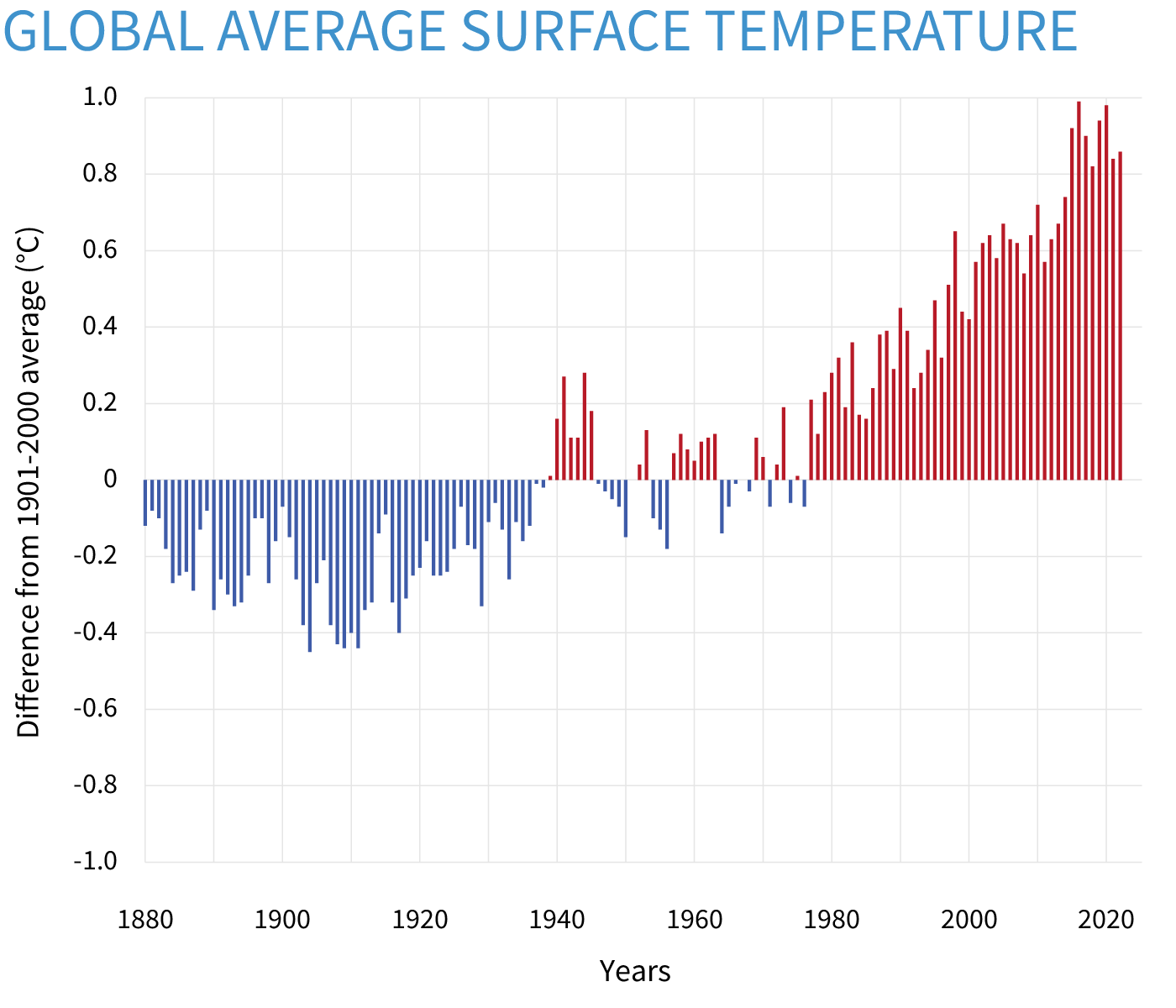
## Assessing the Global Climate in 2020: A Summary NOAA’s National Centers for Environmental Information (NCEI) has released its comprehensive assessment of the global climate in 2020, confirming it as one of the warmest years on record. This peer-reviewed analysis integrates validated data from multiple sources, providing a longitudinal view of key climate indicators. Findings underscore the escalating impact of climate change, emphasizing shifts in temperature and precipitation patterns worldwide.
Assessing the Global Temperature and Precipitation Analysis in 2025 - NOAA National Centers for Environmental Information (NCEI) (.gov)
"World Data Ocean" - Google News

Assessing the Global Temperature and Precipitation Analysis in 2025 - NOAA National Centers for Environmental Information (NCEI) (.gov)

The NOAA National Centers for Environmental Information (NCEI) presents its comprehensive Global Temperature and Precipitation Analysis for 2025. This validated assessment utilizes longitudinal, empirical data to provide a calibrated view of global climate indicators. Findings will be crucial for policymakers and researchers tracking climate trends and informing ocean stewardship strategies. Further exploration of related global events and scientific advancements can be found in articles such as "Brains break and repair DNA to grow," highlighting the interconnectedness of Earth systems.
To Study Earth’s Climate, Look to the Ocean - NOAA National Centers for Environmental Information (NCEI) (.gov)
"World Data Ocean" - Google News

To Study Earth’s Climate, Look to the Ocean - NOAA National Centers for Environmental Information (NCEI) (.gov)

Here's a concise introduction, adhering to the Brand Voice Summary and critical instructions: Understanding Earth’s climate requires a comprehensive view, and the ocean provides a crucial, often overlooked, perspective. NOAA’s National Centers for Environmental Information (NCEI) highlight the ocean’s role as a primary driver of global climate patterns, offering validated data and longitudinal analysis. Key climate indicators are inextricably linked to oceanic conditions, demanding integrated observation and rigorous assessment.
Seabed 2030: Map the Gaps - NOAA National Centers for Environmental Information (NCEI) (.gov)
"World Data Ocean" - Google News

Seabed 2030: Map the Gaps - NOAA National Centers for Environmental Information (NCEI) (.gov)

The Seabed 2030 project, supported by NOAA’s National Centers for Environmental Information (NCEI), aims to comprehensively map the entire ocean floor by 2030, addressing critical gaps in our understanding of this vast environment. This initiative provides essential, validated data for scientific research, resource management, and climate modeling. Precise seabed mapping informs crucial climate indicators and contributes to a more integrated data ecosystem. For further exploration of the ocean's role in climate analysis, see our article, "To Study Earth’s Climate, Look to the Ocean."
U.S May Move Gulf Military Bases Hit By Iran Westward, Possibly To Israel
Marine Insight

U.S May Move Gulf Military Bases Hit By Iran Westward, Possibly To Israel

Following recent Iranian attacks on bases in the Gulf, the United States is reportedly considering a strategic shift, potentially relocating some military assets westward. This move could include establishing a presence in Israel, demonstrating a recalibration of regional defense posture. The potential repositioning reflects an assessment of escalating tensions and the need for enhanced responsiveness. For deeper analysis of the current geopolitical landscape, see our article, "Iran Reasserts Control Over Hormuz After Ship Attack Near Oman, Warns Gulf States Against Backing US."
Shipping Must Not Be Used As Collateral In U.S-Iran War, Says IMO Chief
Marine Insight

Shipping Must Not Be Used As Collateral In U.S-Iran War, Says IMO Chief

The International Maritime Organization (IMO) has issued a stark warning: shipping must not be exploited as collateral in the escalating U.S.-Iran conflict. IMO Secretary-General Arsenio Dominguez emphasized this critical point, underscoring the potential for disruption and danger to global trade. This stance follows recent events in the Strait of Hormuz, including a drone attack on a cargo ship, prompting concerns about regional instability. As highlighted in our report, "US Strikes Iranian Missile and Drone Storage Facilities," the situation demands careful navigation to safeguard maritime operations.
Trump Blames Iran For ‘Foolish Violation’ Of Ceasefire Agreement Over Ship Attack In Strait Of Hormuz
Marine Insight

Trump Blames Iran For ‘Foolish Violation’ Of Ceasefire Agreement Over Ship Attack In Strait Of Hormuz

President Donald Trump has asserted that Iran is responsible for a recent attack on a cargo ship in the Strait of Hormuz, characterizing the incident as a "foolish violation" of a ceasefire agreement. The strike, involving a drone, underscores escalating tensions in a critical waterway for global trade. This event follows a pattern of destabilizing actions in the region, prompting concerns about maritime security. For further analysis on potential shifts in U.S. military posture, see our related article, "U.S.
Fire Aboard U.S. Navy Combat Ship USS Indianapolis Injures 7 Sailors At Florida Naval Base
Marine Insight

Fire Aboard U.S. Navy Combat Ship USS Indianapolis Injures 7 Sailors At Florida Naval Base

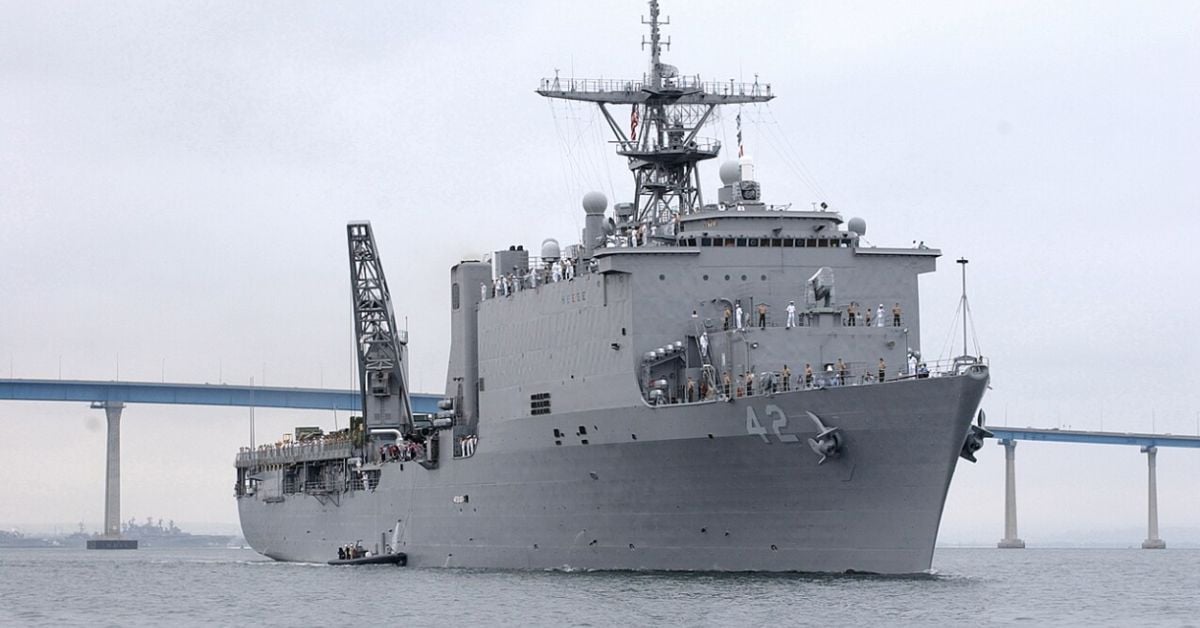
A fire aboard the U.S. Navy combat ship USS Indianapolis at Naval Base Mayport, Florida, resulted in injuries to seven sailors. Fire and Emergency Services, alongside the ship's crew, responded swiftly, extinguishing the blaze. The incident underscores ongoing operational challenges within the maritime domain, highlighting the importance of readiness and rapid response capabilities. For further context on collaborative maritime training efforts, see our recent article on RIMPAC 2026, which anticipates participation from over 30 nations. Investigations into the cause of the fire are underway.
Iran Reasserts Control Over Hormuz After Ship Attack Near Oman, Warns Gulf States Against Backing US
Marine Insight

Iran Reasserts Control Over Hormuz After Ship Attack Near Oman, Warns Gulf States Against Backing US

Following a recent attack on a cargo ship near Oman, Iran has asserted its control over the Strait of Hormuz, issuing a warning to Gulf states against supporting the United States. Tehran characterized the joint US-Gulf statement as “interventionist.” This escalation follows a US response involving strikes on Iranian missile and drone storage facilities, underscoring heightened tensions in a critical maritime chokepoint.
22 US-Interdicted Iranian Tanker Crew Members Arrive In Pakistan For Repatriation
Marine Insight

22 US-Interdicted Iranian Tanker Crew Members Arrive In Pakistan For Repatriation

Following their interdiction by U.S. forces, the 22 crew members of an Iranian tanker have arrived in Pakistan to facilitate repatriation. Arrangements are underway with Iranian officials to ensure their safe return. This event underscores the heightened tensions and maritime security concerns within the vital Strait of Hormuz. Recent incidents, including an attack on a container ship impacting a UN-led evacuation mission, highlight the potential for disruption to global trade routes, as evidenced by subsequent fluctuations in oil prices.
Oman Says Strait Of Hormuz Unlikely To Return To Pre-War Status, Signals Possible Transit Fees For Ships
Marine Insight

Oman Says Strait Of Hormuz Unlikely To Return To Pre-War Status, Signals Possible Transit Fees For Ships

Oman’s recent statement indicates a sustained shift in the geopolitical landscape of the Strait of Hormuz, with officials asserting a return to pre-war conditions is improbable. This signals the potential implementation of transit fees for vessels navigating the critical waterway – a development poised to significantly impact global shipping costs, potentially adding billions annually for companies and traders.
US Strikes Iranian Missile And Drone Storage Facilities After Attack On Cargo Ship In Strait Of Hormuz
Marine Insight

US Strikes Iranian Missile And Drone Storage Facilities After Attack On Cargo Ship In Strait Of Hormuz

Following a recent attack on a container ship transiting the Strait of Hormuz, the United States has conducted targeted strikes against Iranian missile and drone storage facilities. The cargo vessel, departing the Strait along Oman’s coast, sustained damage from a one-way attack drone. This action underscores escalating tensions in a critical waterway vital for global trade. The incident has also disrupted a UN-led ship evacuation mission, as detailed in our report, "Attack On Container Ship Halts UN-Led Strait Of Hormuz Ship Evacuation Mission."
BIMCO, ICS Forecast Global Merchant Fleet Will Need 113,735 More Officers By 2030 Amid Potential Shortage
Marine Insight

BIMCO, ICS Forecast Global Merchant Fleet Will Need 113,735 More Officers By 2030 Amid Potential Shortage

A recent BIMCO/ICS forecast projects a significant global merchant fleet officer shortage, estimating a need for 113,735 additional officers by 2030. Currently, 2.57 million seafarers operate the world's 85,148 merchant ships. This projected deficit underscores the increasing demand for skilled maritime professionals. Heightened geopolitical tensions, as demonstrated by recent disruptions in the Strait of Hormuz—potentially impacting transit fees, according to Oman—further complicate the operational landscape and highlight the critical need for robust maritime workforce planning.
Why Antarctic waters are cooling in a warming world - Earth.com
"World Data Ocean" - Google News

Why Antarctic waters are cooling in a warming world - Earth.com

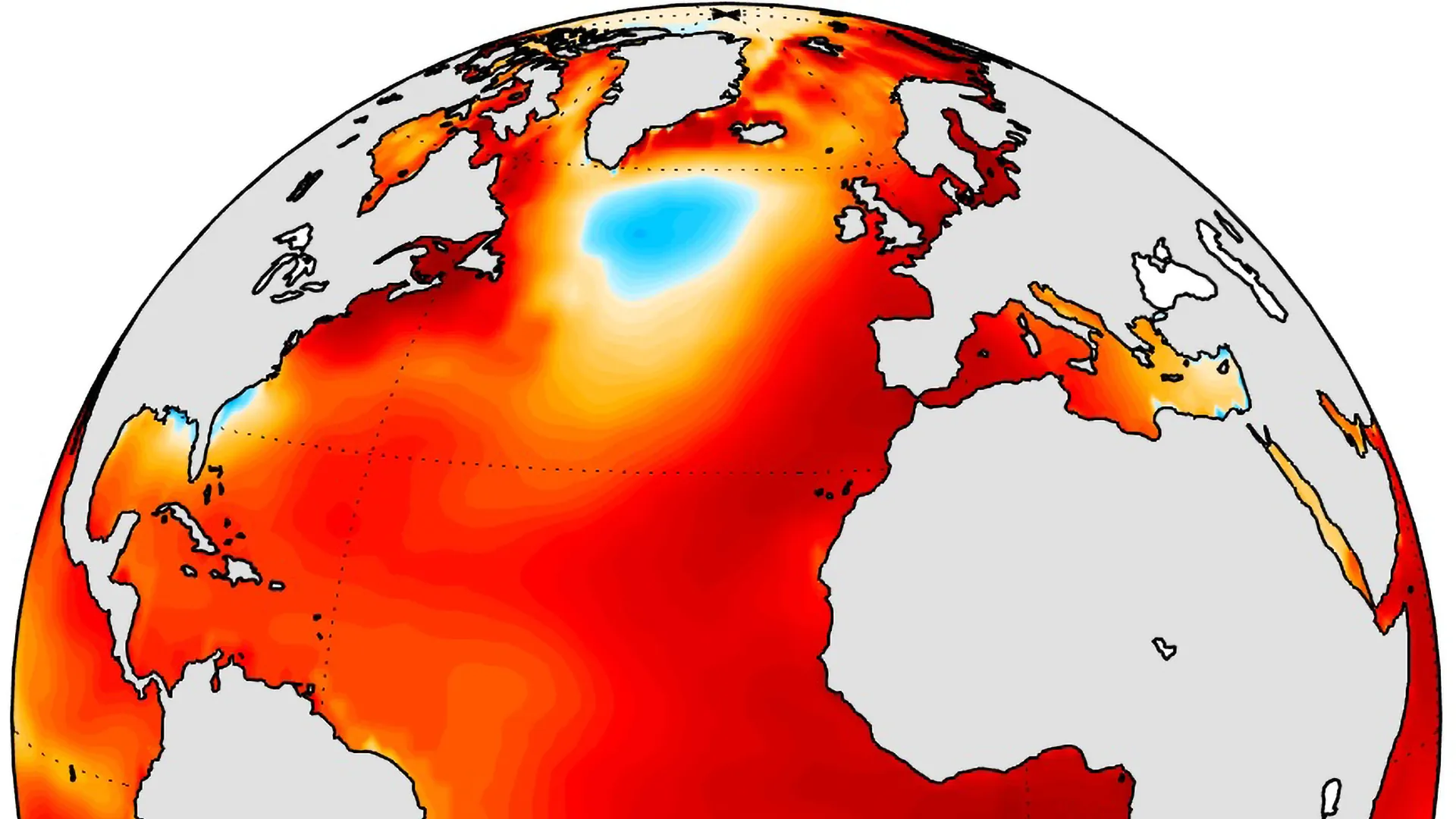
Despite global warming trends, Antarctic waters are exhibiting a counterintuitive cooling effect, a phenomenon demanding rigorous scientific investigation. Recent Earth.com reporting highlights this anomaly, attributing it primarily to increased ice melt and subsequent freshwater influx. This influx disrupts ocean salinity and density, impacting thermohaline circulation and resulting in localized cooling. Understanding this complex interaction is critical for refining climate models and accurately predicting future ocean behavior, emphasizing the need for continued, validated longitudinal data collection.
Attack On Container Ship Halts UN-Led Strait Of Hormuz Ship Evacuation Mission
Marine Insight

Attack On Container Ship Halts UN-Led Strait Of Hormuz Ship Evacuation Mission

A significant disruption has impacted the United Nations-led maritime evacuation mission in the Strait of Hormuz. A container ship was struck by an unidentified projectile approximately 7.5 nautical miles southeast of Oman's Port of Dahit, effectively halting operations. The incident underscores heightened tensions in a critical global waterway. Market responses have been immediate, with oil prices experiencing a notable increase. For further context on evolving geopolitical dynamics, see our report on China's accelerated submarine development.
Oil Prices Jump Over 2% After Cargo Ship Hit By Unidentified Projectile Near Strait Of Hormuz
Marine Insight

Oil Prices Jump Over 2% After Cargo Ship Hit By Unidentified Projectile Near Strait Of Hormuz

Global oil prices experienced a sharp increase of over 2% following an incident involving a cargo ship struck by an unidentified projectile near the Strait of Hormuz. While a White House official cautioned against premature attribution, the event has heightened geopolitical tensions in a critical maritime transit route. This disruption underscores the interconnectedness of global trade and resource security. For further exploration of complex biological systems, consider our recent article, "Brains break and repair DNA to grow," detailing groundbreaking research on neuronal DNA repair.
World’s Biggest Maritime Exercise, RIMPAC 2026, Sees Participation From 30 Nations & 30 Plus Warships In Hawaii
Marine Insight

World’s Biggest Maritime Exercise, RIMPAC 2026, Sees Participation From 30 Nations & 30 Plus Warships In Hawaii

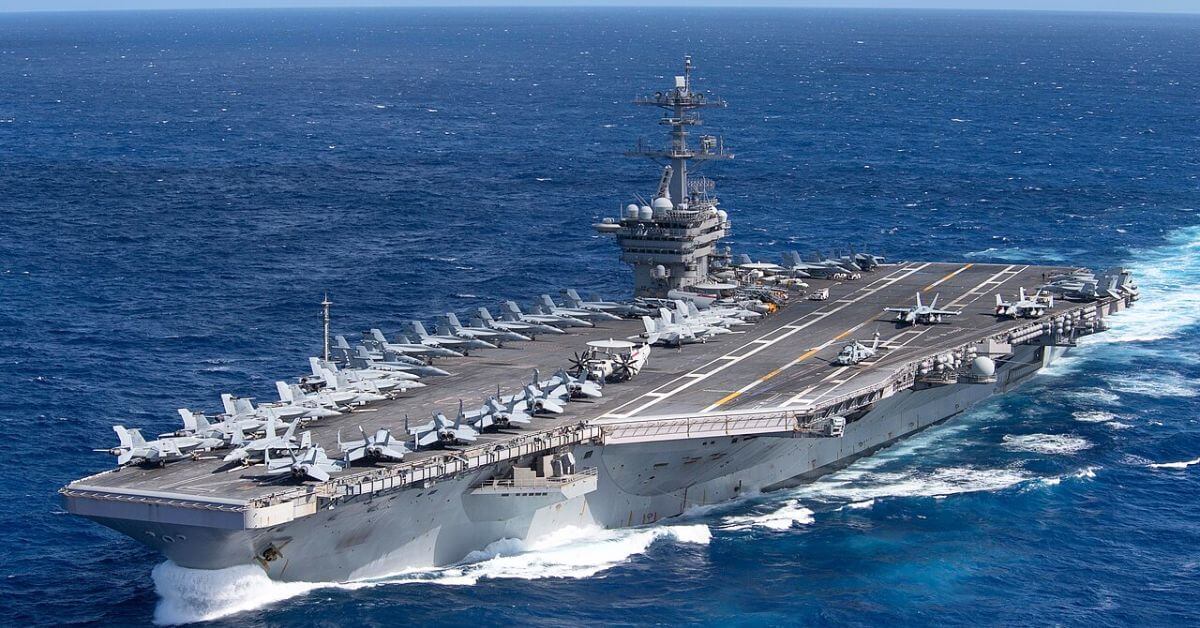
RIMPAC 2026, the world’s largest maritime exercise, will convene in Hawaii, uniting forces from over 30 nations and deploying more than 30 warships. This collaborative effort, facilitated by the U.S. Navy, provides a crucial opportunity for participating countries to enhance interoperability and reinforce strategic partnerships. The exercise underscores a commitment to shared maritime security objectives. Recent developments in the region, including Iran's advisory regarding Strait of Hormuz transit routes—detailed in our article, "Iran’s IRGC Navy Warns Ships..."—highlight the importance of such multinational training initiatives.
Europe’s Largest River Cruise Ship AmaRudi To Be Launched On Danube River In 2027
Marine Insight

Europe’s Largest River Cruise Ship AmaRudi To Be Launched On Danube River In 2027

Scheduled for launch on the Danube River in 2027, the AmaRudi represents a significant advancement in river cruising. Europe’s largest river cruise ship, it’s meticulously designed to accommodate just 196 guests across 98 staterooms and suites, providing an unparalleled level of personal space. This innovative approach prioritizes guest comfort and elevates the overall travel experience. Recent reports, such as the World Shipping Council’s findings on increased container losses at sea, highlight the importance of secure and reliable transport—a principle AmaRudi embodies through its refined design.
China Emerges As World’s Fastest-Growing Submarine Builder Overtaking U.S & Russia Combined
Marine Insight

China Emerges As World’s Fastest-Growing Submarine Builder Overtaking U.S & Russia Combined

China has rapidly ascended as the world’s leading submarine builder, surpassing the combined output of the United States and Russia. This surge in production is underscored by China’s expanding submarine exports, notably the recent construction of four Hangor-class submarines for Pakistan through a joint production agreement. This development reflects a significant shift in global naval power dynamics. For further insight into regional maritime exercises and preparedness, see our analysis of "World’s Biggest Maritime Exercise, RIMPAC 2026."