ocean
93 stories filed under ocean on World Data Ocean. The newest of them: “From waste to wave: measuring ocean plastic's true share”, “From analytics to ocean intelligence: a data career pivot gains purpose”, and “From citizen observations to calibrated ocean intelligence”. A single bottle cap adrift in the North Pacific tells one story. A data analyst laid off as AI replaces his team, he now holds a dive license and a dream of the ocean. A Global Hub for Ocean Intelligence 4 World Data Ocean is a centralized digital platform where researchers, scientists, and ocean enthusiasts converge to… The list below is every ocean story on World Data Ocean, newest first.
From waste to wave: measuring ocean plastic's true share
A single bottle cap adrift in the North Pacific tells one story. A validated, peer-reviewed model tells the true one. Our new analysis cuts through the uncertainty, providing a measurable estimate of plastic's journey from waste to wave. This is empirical ocean intelligence. For a deeper view of how we gather such data, explore "AI Illuminates the Ocean's Hidden Data, From Surface to Seafloor." Understanding drives protection.
From analytics to ocean intelligence: a data career pivot gains purpose
A data analyst laid off as AI replaces his team, he now holds a dive license and a dream of the ocean. This isn't a career pivot into the unknown; it's a recalibration toward purpose. The path from analytics to ocean intelligence is measurable, requiring a bachelor's in biology, not a blind leap. For those questioning where to start, our guide on "Where to Study Marine Biology" aligns location with science goals. Validated steps, not guesswork.
From citizen observations to calibrated ocean intelligence
A citizen's observation, when calibrated and integrated into a global framework, becomes ocean intelligence. This submission from Fun-Structure-1024 demonstrates how individual contributions can be validated and scaled into measurable, empirical data. We see this as a powerful model for collaborative science. For deeper context on how such data can reshape marine research, our related coverage of "A renewed research platform, charting a broader course for marine science" explores a parallel effort to broaden our collective understanding.
A rising population of sea lions observed off La Jolla Cove
A measurable increase in the California sea lion population has been observed off La Jolla Cove, offering a real-time indicator of shifting marine conditions. These integrated data points are empirically validated through longitudinal studies, reinforcing that understanding drives protection. For deeper context on the human side of ocean science, see our related coverage of the workplace culture allegations at One Ocean, a reminder that collaboration must extend from the field to the lab.
A renewed research platform, charting a broader course for marine science
A renewed research platform charting a broader course for marine science deserves more than a dormant community. This captain-turned-moderator understands that rigorous conversations about monitoring technology, coastal policy, and Earth systems matter as much as the charismatic megafauna. The rules hold. The subject demands better. We see the same commitment in "Validated data and selective gear drive sustainable crab harvesting", empirical approaches that make fisheries work. Drop anchor here. The tide is turning.
A decade of empirical data illuminates the ocean's hidden reef ecosystems
A decade of empirical data now reveals the hidden architecture of our ocean's reef ecosystems, measured, validated, and mapped in real-time. These are not speculative models; they are calibrated observations from orbit to ocean floor. Understanding drives protection. For deeper context on the systemic challenges facing marine environments, see our related coverage on validated data gaps in Europe's marine policy demanding integrated solutions. The science is clear; the call to act is measurable.
Mapping marine phosphorus cycling with a global alkaline phosphatase dataset
A new global dataset of alkaline phosphatase activity now maps marine phosphorus cycling with empirical, peer-reviewed precision. Understanding this nutrient's biological availability is essential for predicting ocean productivity and climate indicators. This integrated data ecosystem complements related work such as NOAA's Global Drifter Network, which delivers real-time ocean intelligence to sharpen forecasts. Together, these efforts build a measurable foundation for shared ocean stewardship, from orbit to ocean floor.
Closing the data gap: disclosure as a calibrated step toward ocean action
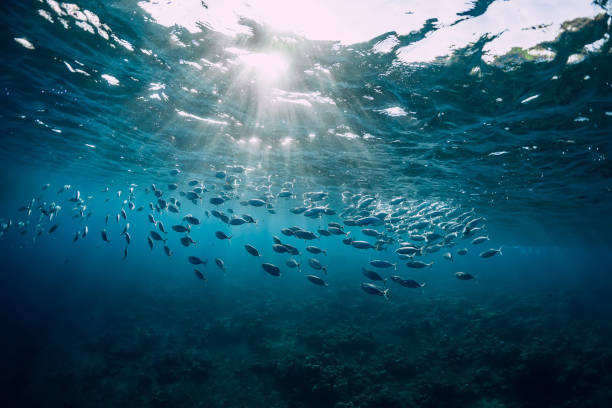
Disclosure is a calibrated step, not a final destination. This World Ocean Day, the conversation shifts from identifying the data gap to closing it, because what gets measured gets managed. Measuring the ocean's warming pulse at 2,000 meters gives us the empirical evidence needed for real action. We cannot protect what we do not understand. Transparency builds trust. A shared, measurable data ecosystem turns observation into obligation, making ocean stewardship not just urgent, but achievable.
A thousand rivers drive eighty percent of ocean plastic emissions
A thousand rivers drive eighty percent of ocean plastic emissions, a finding that demands a calibrated, not alarmist, response. This is not about panic; it is about measurable action. Understanding the source of the problem allows us to target interventions where they matter most. For deeper context on how disclosure transforms data into accountability, see our related coverage, "Closing the data gap: disclosure as a calibrated step toward ocean action." Precision, not hype, guides real protection.
Mapping Ocean Plastic Accumulation to Future Climate Indicators
Plastic doesn't just float; it accumulates in distinct ocean zones that now serve as measurable climate indicators. Understanding where our debris settles reveals more than pollution patterns, it exposes future warming trajectories. Our World in Data maps this convergence, connecting observable accumulation zones to broader environmental shifts. The findings are empirical, calibrated, and urgent. For deeper context on how integrated data reshapes ocean observation, see our related piece "From orbit to ocean floor: integrated data reshapes our view of the sea."
The Global Ocean Speaks Through a Shared, Measurable Data Ecosystem
The World Ocean Database 2023 transforms how we understand our planet's largest life-support system by integrating validated, peer-reviewed data from across the global community. It is not merely a repository, it is a shared, measurable ecosystem of ocean intelligence. This foundational resource empowers researchers and policymakers alike to track real-time climate indicators with precision. For deeper context on one critical signal, see our related coverage of "Measuring the Ocean's Warming Pulse at 2,000 Meters." Understanding drives protection.
From orbit to ocean floor: big data maps the seafloor with precision
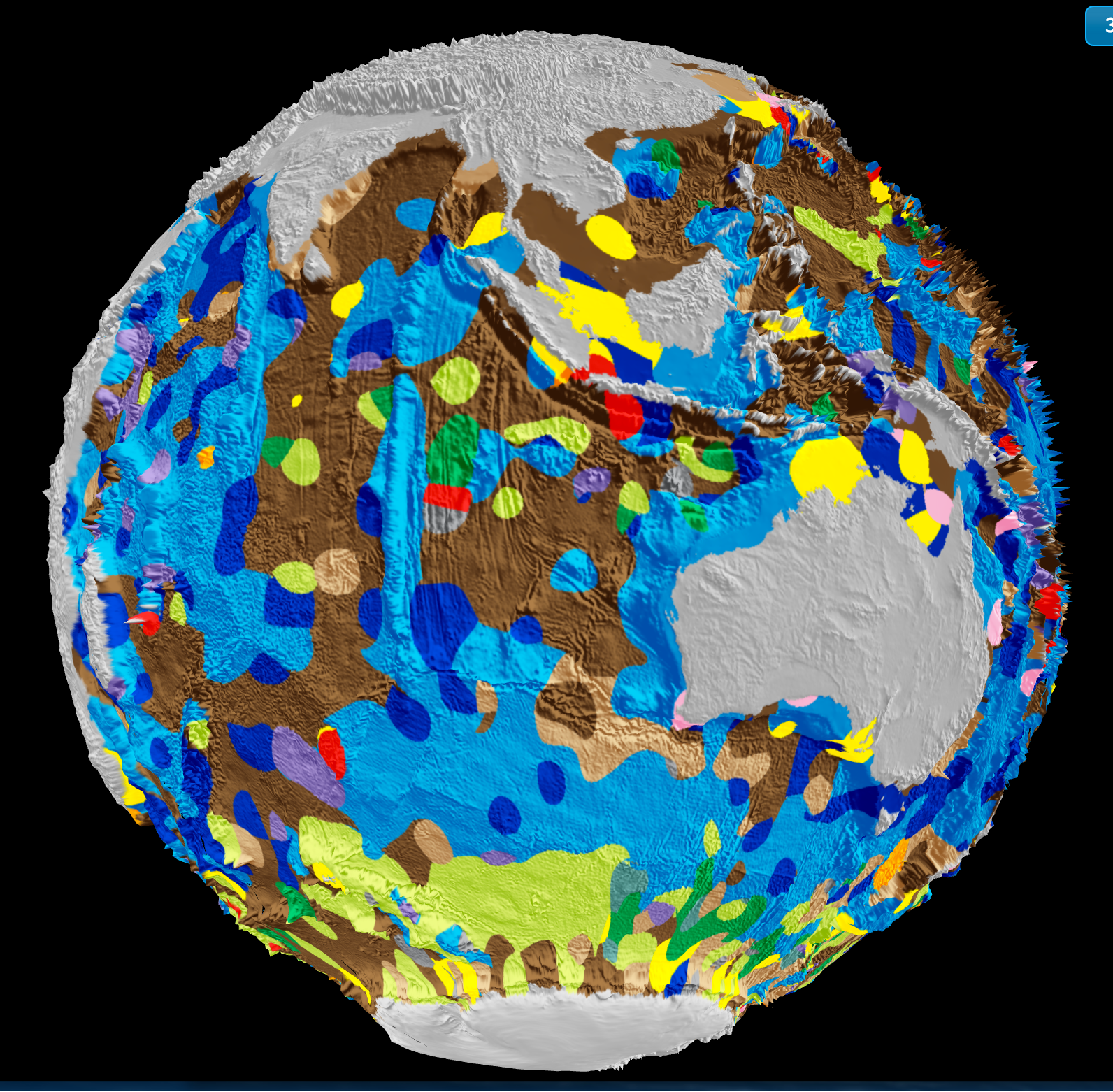
A University of Sydney-led team has integrated satellite altimetry with shipboard sonar data to produce a calibrated, high-resolution map of the global seafloor. This isn't just a sharper image, it's a validated baseline for measuring change. Understanding drives protection. When we can track sediment transport, tectonic activity, and benthic habitat shifts with empirical precision, ocean stewardship becomes measurable. For deeper context on how ocean intelligence reveals system-wide change, see our coverage of the century-long current slowdown.
A calibrated shipboard dataset now measures the full ocean water cycle
A calibrated shipboard dataset now measures the full ocean water cycle from the deck of a vessel. OceanRAIN delivers validated, real-time data on all water-cycle components, giving us an empirical view of precipitation and evaporation at sea. This is ocean intelligence built on measurement, not model. Understanding drives protection. For a deeper look at how marine environments can host next-generation computing infrastructure, see our coverage of submerged servers validating a new frontier for efficient ocean intelligence.
Empirical ocean data powers the measurable path to energy transition
The ocean's role in the energy transition is not theoretical, it is empirical. Measurable ocean data powers the path forward, validating climate indicators and calibrating our decisions. The World Economic Forum makes this clear: data is the foundation. For those tracking the science beneath the surface, our coverage of the Ocean Carbon and Acidification Data System offers a peer-reviewed look at how validated, integrated data ecosystems turn ocean intelligence into actionable climate insight. Understanding drives protection.
From orbit to ocean floor, data refines ocean stewardship
A small ocean drone returned validated data from inside a Category 5 hurricane, proving that even the most extreme conditions can yield empirical ocean intelligence. From orbit to ocean floor, integrated data systems refine our understanding of marine ecosystems. This is how we transform stewardship from reactive concern into measurable action. For deeper coverage on peer-reviewed findings from extreme environments, see "Small ocean drone returns validated data from inside Category 5 hurricane."

A Square Map That Reframes Our View of Ocean Connectivity
A square map that reframes our view of ocean connectivity, the Spilhaus World Ocean Map in a Square, reorients how we see the planet's most vital system. By centering the oceans rather than continents, it reveals the integrated, borderless nature of ocean intelligence. This is not a novelty; it is a calibrated perspective for understanding climate indicators and real-time ocean simulations.
Calibrating a new global standard for dissolved organic phosphorus
Measuring dissolved organic phosphorus across the global ocean has long been a fragmented effort. The DOPv2021 database changes that. By integrating decades of peer-reviewed data into a single, calibrated standard, this work gives researchers a validated baseline for tracking nutrient cycles and their influence on climate indicators. Understanding drives protection. For a related view of ocean intelligence in action, see how Saildrone captured first-ever video from inside a hurricane, another example of real-time observation expanding what we know.
A validated global atlas of ocean thermohaline structure from WOA18
A validated global atlas of ocean thermohaline structure from WOA18 now offers the scientific community an empirical, peer-reviewed baseline for understanding ocean circulation and climate indicators. This integrated data ecosystem transforms decades of measurements into a measurable, calibrated resource. Understanding drives protection. For deeper context on how real-time ocean intelligence is gathered, see our coverage of Royal Caribbean Group's expanded role as a calibrated platform for ocean data.
A validated data system for tracking ocean carbon and acidification
A validated, peer-reviewed system now tracks ocean carbon and acidification with measurable precision. The Ocean Carbon and Acidification Data System, published in *Scientific Data* *Nature*, delivers calibrated, real-time ocean intelligence for researchers and policymakers alike. This is the integrated data ecosystem we need. Understanding drives protection. For deeper exploration of how the atmosphere forces ocean dynamics, see our related work on data-driven global ocean modeling in *Science*.

An Atlantic water mass reveals its global circulation pathway
A single Atlantic water mass now reveals its global circulation pathway, the "Grand Tour" it takes around the world. Scripps Institution of Oceanography maps this journey with empirical precision, showing how a current that begins near the Azores becomes a measurable, real-time climate indicator across hemispheres. Understanding drives protection. For deeper context on how we validate such ocean intelligence, see our coverage of the calibrated global salinity dataset.
Submerged servers validate a new frontier for efficient ocean intelligence
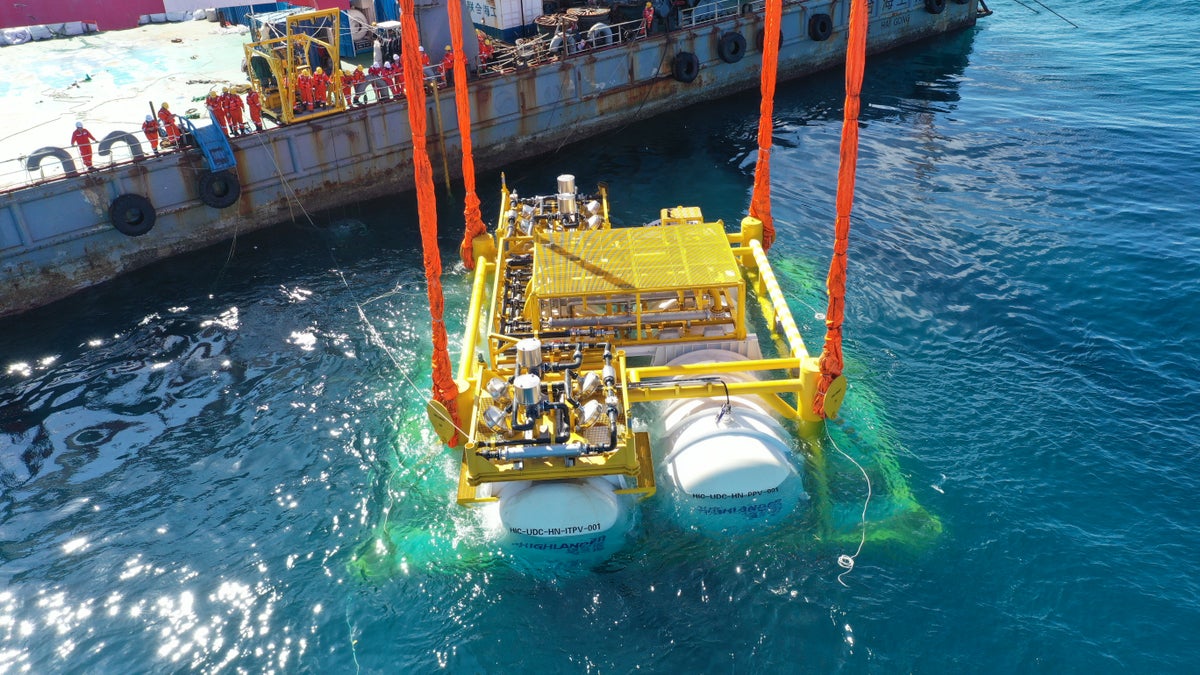
Submerged data centers validate a new frontier for efficient ocean intelligence. China's deployment of ocean-cooled servers is not a speculative experiment, it is a measurable step toward integrating computing infrastructure with the marine environment. This approach addresses a real constraint: the energy cost of keeping processors cold. For a fuller picture of how life and energy move through these systems, see our related mapping of life's mass across oceans, land, and deep subsurface.
Calibrating our ocean intelligence for a sustainable data ecosystem
Every ocean dataset carries a hidden cost: the energy, materials, and infrastructure required to collect, store, and process it. Unchecked data growth risks undermining the very sustainability we seek to measure. Calibrating our ocean intelligence means building an integrated data ecosystem where every byte is validated, measurable, and purpose-driven. We must treat data stewardship as seriously as ocean stewardship. For deeper context, our coverage of "From orbit to ocean floor" examines how integrated observations strengthen Earth system predictions without expanding our footprint.
A Century of Ocean Intelligence Reveals a Measurable Current Slowdown
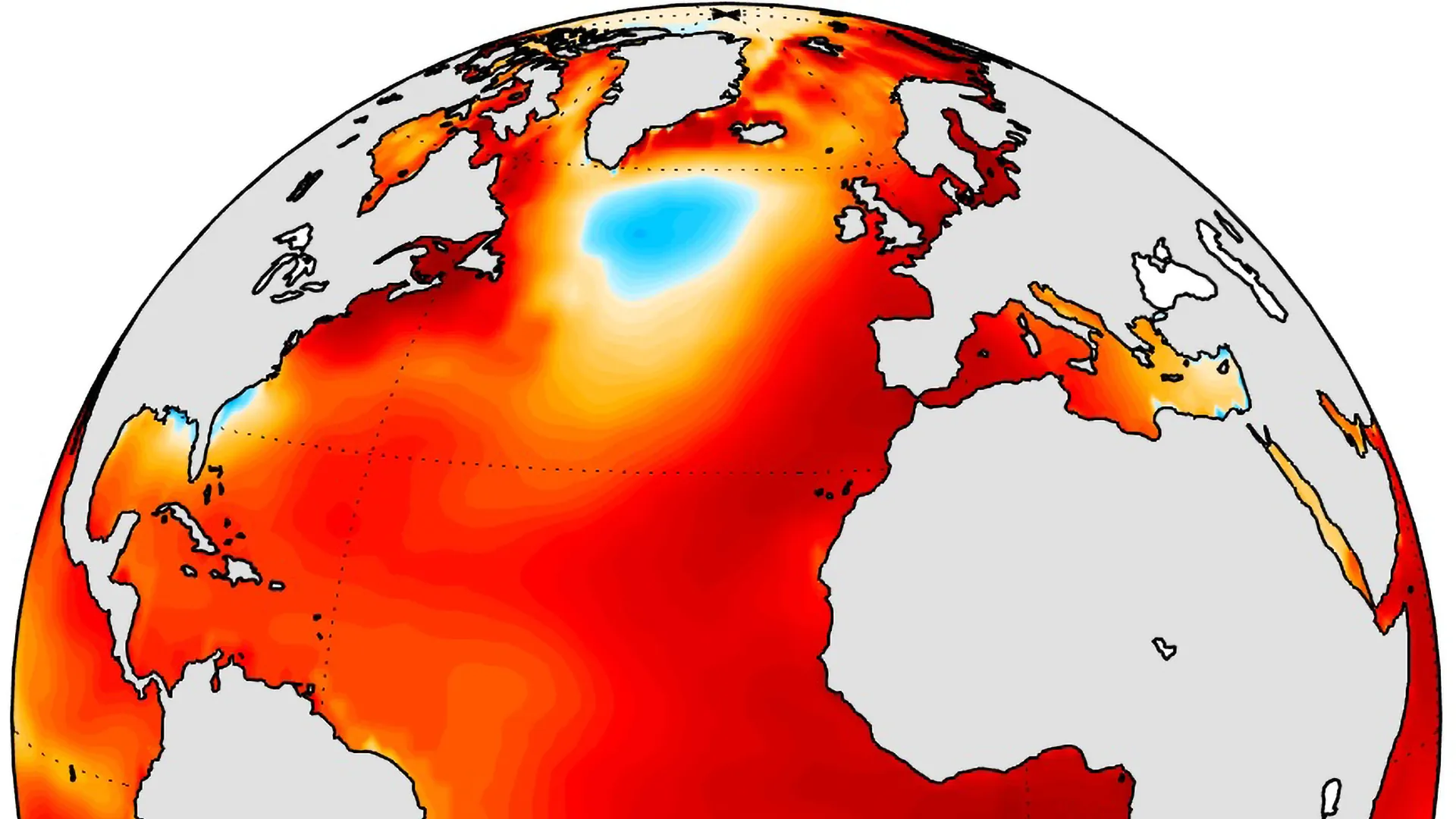
A century of ocean intelligence now delivers a measurable finding: the Atlantic Meridional Overturning Circulation is slowing. This is not a model projection. It is an empirical, validated signal drawn from decades of peer‑reviewed data. The current's weakening carries real implications for climate indicators and global heat distribution. Understanding drives protection. For a deeper look at how integrated data ecosystems track these changes, see our coverage of the ECCO‑Darwin model's first multi‑decadal global ocean CO₂ flux estimates.
Calibrating Your Inquiry with Validated Ocean Intelligence
A single uncalibrated sensor can skew an entire investigation. That is why the Global Investigative Journalism Network's new tipsheet focuses on the foundation of credible ocean reporting: validated, peer-reviewed data. It walks reporters through the practical steps of grounding their work in empirical ocean intelligence rather than raw, unverified streams. For deeper context on how these measurements are collected and shared globally, see our related guide to the World Ocean Database from ncei.noaa.gov. Understanding drives protection, and protection begins with precision.