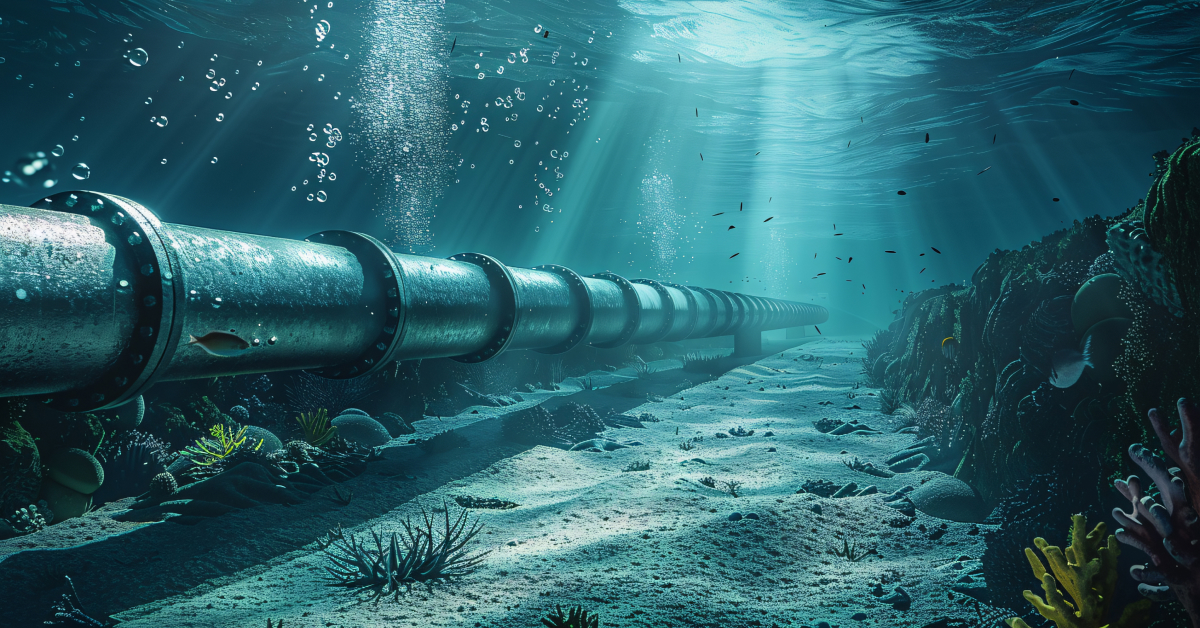
Submerging compute infrastructure in the ocean is no longer a thought experiment; it is a pilot project generating real, measurable data. The recent findings from Samsung C&T's underwater data center cooling trials offer a compelling case that the ocean itself may be our most efficient heat sink. This is not a speculative leap, but a logical extension of empirical work in subsea engineering, work that is already proving its value in other domains, such as the precision rock-installation capabilities of Van Oord's new Vindnes and Vestnes: New Fallpipe Vessels Advance Subsea Rock Installation vessels. When the same industry that places megatonnes of material on the seabed with millimeter accuracy turns its attention to thermal management, the implications are immediate and practical.
For our readers, researchers, policymakers, and ocean intelligence practitioners, the significance lies in the calibrated integration of two systems that have historically operated in isolation: data processing and ocean observation. A submerged data center is not merely a cooler; it is a potential node in an integrated data ecosystem. If these pilots validate the long-term reliability of subsea compute, we could see ocean-based facilities that process climate indicators in real time, directly where the measurements are taken. This would reduce the energy cost of transmitting petabytes of sensor data to land-based servers, while simultaneously eliminating the freshwater consumption that plagues conventional cooling towers. The ocean's thermal mass is a validated, measurable resource; using it to cool high-density compute is a question of engineering, not physics.
What makes this development particularly worth watching is its alignment with parallel innovations in ocean electrification. The same technical rigor that ABB is applying to Electrification and Innovation Redefine Ocean Sailing with Hypersail Yacht is directly transferable to managing power distribution and heat exchange on a submerged server rack. These are not separate frontiers; they are converging lines of inquiry. The ocean is becoming a platform for infrastructure that serves both digital and physical systems. The question is no longer whether we can put compute underwater, but whether we can do so at a scale that meaningfully offsets the carbon footprint of the cloud.
The concrete point to track is thermal stratification. Every pilot to date has assumed that cold deep water will remain consistently available, but longitudinal data from these tests will reveal whether seasonal shifts, currents, or warming surface layers degrade cooling efficiency. That empirical answer, not the hype, will determine whether subsea data centers become a standard tool or a niche experiment. For now, the data is promising, and the ocean is listening.