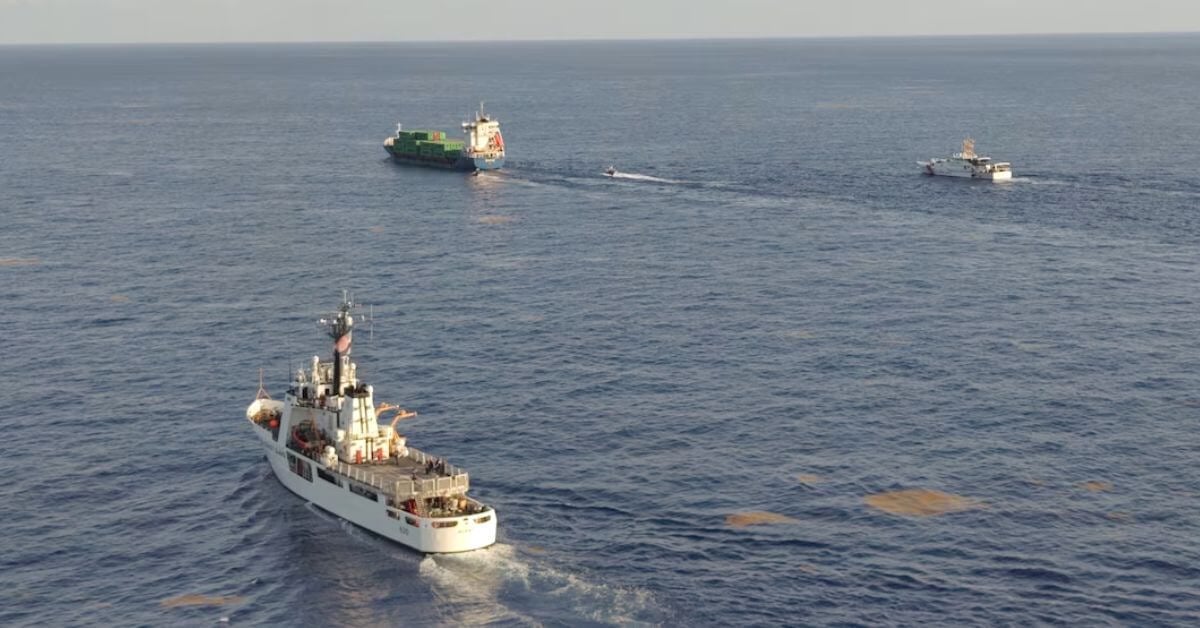
The Gulf transit is not open water; it is a corridor of consequence. The interception of the M/V Grace between Cuba and Mexico, with Coast Guard personnel boarding and redirecting the vessel to Mexican jurisdiction, is a direct enforcement of a policy that too often exists only on paper. Our position is plain: this action is a calibrated demonstration that marine governance is operational, not aspirational. For our readers, researchers, policymakers, and maritime operators, this is not a headline about a single ship. It is a measurable data point in the evolving system of transboundary control.
The legal scaffolding for such interdictions is precisely the kind of innovation we have argued is necessary for ocean stewardship. As we noted in Closing the Gap in Transboundary Marine Protection Through Legal Innovation, marine governance must be understood as a form of global governance because the systemic nature of marine challenges ignores jurisdictional lines. The Grace incident validates that premise: a fuel shipment bound for Cuba, halted not by Cuba or Mexico alone, but by a coordinated enforcement response, demonstrates how legal frameworks can close gaps that geography leaves open. The practical implication is that vessels operating in these waters must now account for a higher probability of inspection, a real-time shift in operational risk, not a theoretical one.
What makes this case instructive is the transparency of the response. The vessel was stopped, boarded, and taken to Mexico, actions that are measurable and attributable. This aligns with the principle that ocean intelligence must be validated and empirical, not anecdotal. Just as the validated open-access observatory for Africa’s multi-ecosystem ocean intelligence provides longitudinal data for ecological understanding, enforcement actions like this one provide longitudinal evidence for political and legal behavior. We can track how often interdictions occur, where they happen, and how states respond. That is the kind of integrated data ecosystem the ocean community needs to move beyond reactive commentary.
The specific takeaway is this: watch how Mexico handles the vessel's cargo and crew. The choice to take the ship to Mexican jurisdiction rather than a U.S. port signals a division of labor in enforcement that has not yet been codified. Will Mexico's disposition of the fuel align with U.S. embargo policy, or will it introduce a diplomatic variable? The answer will set a precedent for future interdictions in the region. For those of us who track ocean intelligence, this is a live case study in how legal and operational decisions intersect. The data will arrive in the form of port records, court filings, and diplomatic cables. We intend to read them.