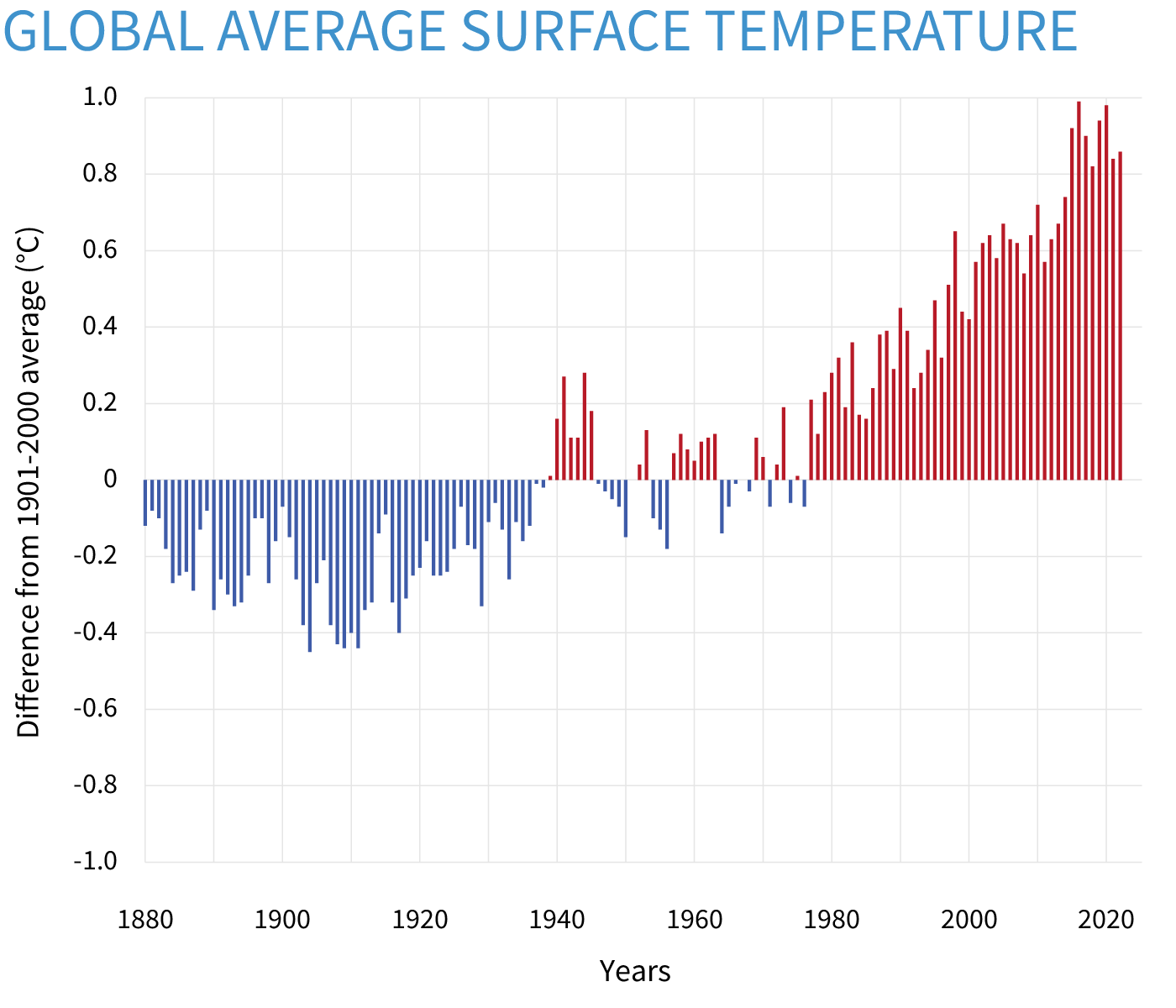
Decades of empirical data have now validated what the ocean has been signaling for years: global temperatures are rising, and the margin for delay has vanished. The evidence is not a forecast or a model run, it is measured, repeatable, and peer-reviewed. For our readers who work with ocean intelligence, this confirmation is both a scientific milestone and a practical recalibration. The question is no longer whether the trend exists, but how precisely we can track its effects and respond with calibrated action.
This is where integrated data ecosystems become indispensable. As we detailed in Eleven data-driven innovations sharpen our ocean intelligence, real-time monitoring systems and longitudinal datasets are transforming how we observe ocean warming, acidification, and current shifts. The global temperature record is not an abstract line on a graph, it is a climate indicator that directly informs energy transition strategies and coastal resilience planning. When we combine empirical ocean data with atmospheric measurements, we move from anecdotal observation to measurable, actionable insight. The empirical ocean data powers the measurable path to energy transition makes this link explicit: without validated baselines, investment in offshore wind, marine carbon capture, or blue carbon projects operates blind. Temperature rise is the anchor measurement; everything else hinges on its accuracy.
For policymakers and researchers, the practical takeaway is direct: calibrate your inquiry against validated ocean intelligence. The Calibrating Your Inquiry with Validated Ocean Intelligence tipsheet offers a framework for exactly this work, how to distinguish between raw data and peer-reviewed findings, how to weight multiple climate indicators, and how to avoid the noise of unverified claims. In a field where decisions affect billions of people and trillions in infrastructure, the difference between a calibrated sensor and a drifting one is not academic. It determines whether a coastal adaptation plan succeeds or fails.
What we are left with is not a call to alarm, but a call to precision. The temperature record is settled. The open question is whether our monitoring networks, from orbit to ocean floor, can keep pace with the rate of change. Watch the next update of the global climate indicators closely: the gap between what we measure and what we act on is the only margin that still matters.