vessels
vessels at World Data Ocean is a file of 75 stories. The newest of them: “Recycling declines 13% as high freight rates keep aging vessels in service”, “Projectiles Strike Two Tankers Near Strait of Hormuz, UKMTO Reports”, and “Singapore Hub Advances Digital Twins and AI for Ocean Decarbonisation”. A 13% decline in ship recycling this year signals a troubling shift in maritime economics. Projectiles striking two tankers near the Strait of Hormuz, as reported by UKMTO, underscore the persistent volatility in this critical maritime corridor. A Global Hub for Ocean Intelligence 4 World Data Ocean is a centralized digital platform where researchers, scientists, and ocean enthusiasts converge to… The list below is every vessels story on World Data Ocean, newest first.
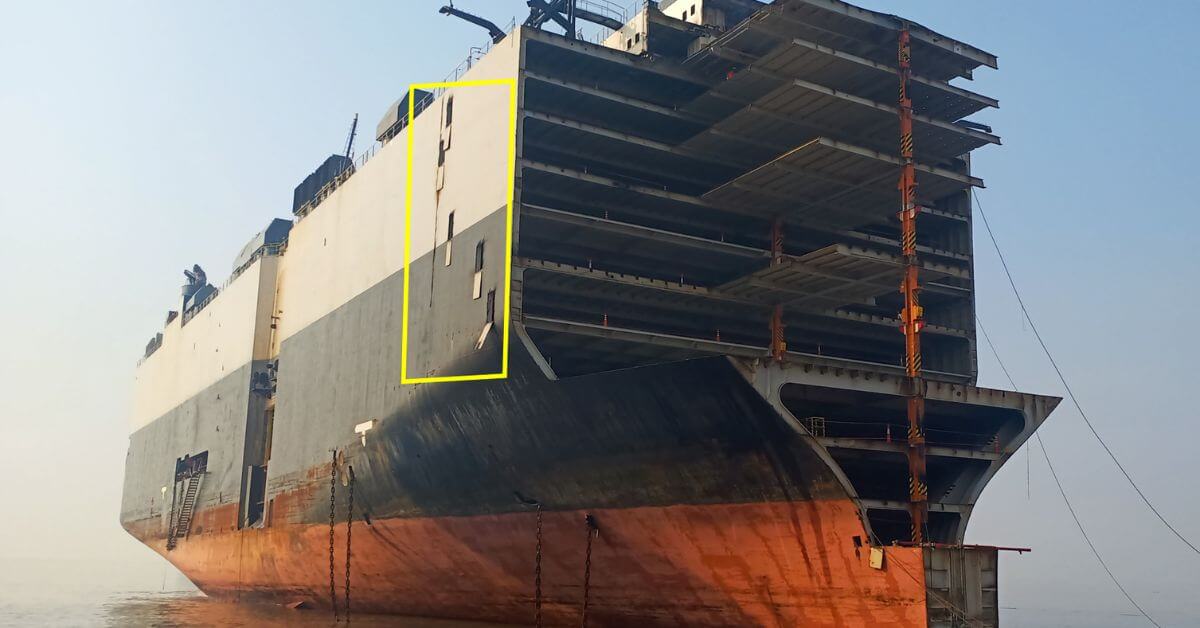
Recycling declines 13% as high freight rates keep aging vessels in service
A 13% decline in ship recycling this year signals a troubling shift in maritime economics. High freight rates are incentivizing owners to keep aging vessels in service rather than sending them for scrap. This postpones much-needed fleet modernization and extends the operational life of less efficient ships. Understanding these market forces is critical for measuring progress across the sector. For deeper insights into vessel design innovation, read our coverage of Wallenius Marine's WinPrOVeDD project.
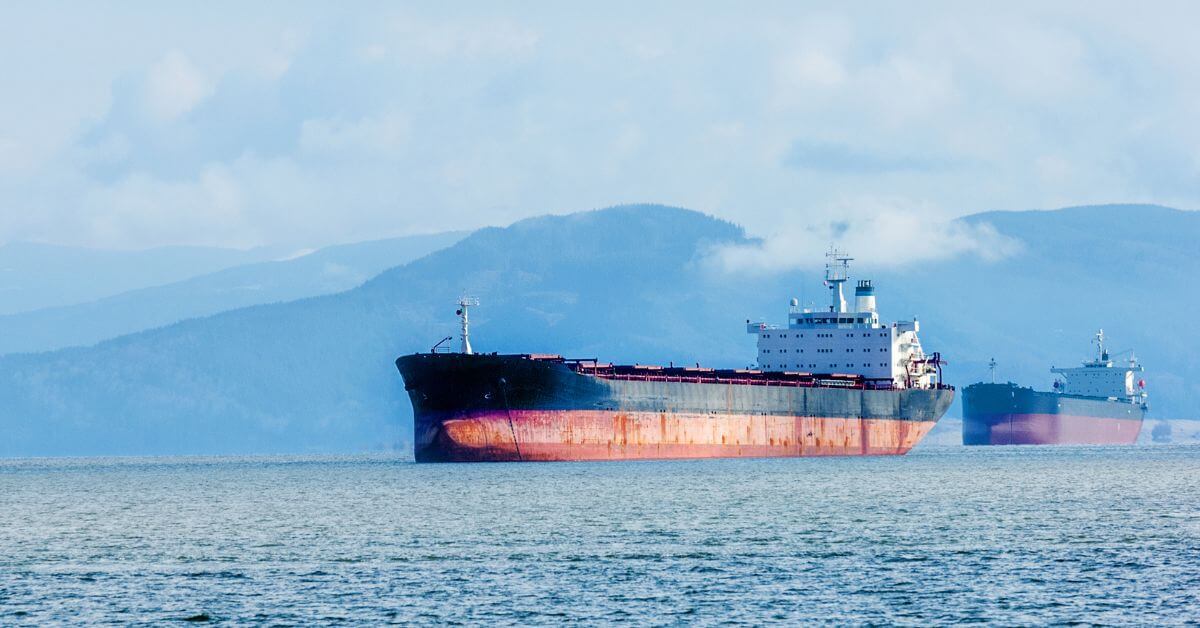
Projectiles Strike Two Tankers Near Strait of Hormuz, UKMTO Reports
Projectiles striking two tankers near the Strait of Hormuz, as reported by UKMTO, underscore the persistent volatility in this critical maritime corridor. Such direct threats to commercial vessels demand rigorous, real-time monitoring and collaborative security frameworks. The incident follows a similar disruption at Yanbu Port, where an unidentified projectile ignited a fire, highlighting a troubling pattern. Understanding these empirical threats is the first step toward developing calibrated responses that protect global shipping and ocean intelligence.
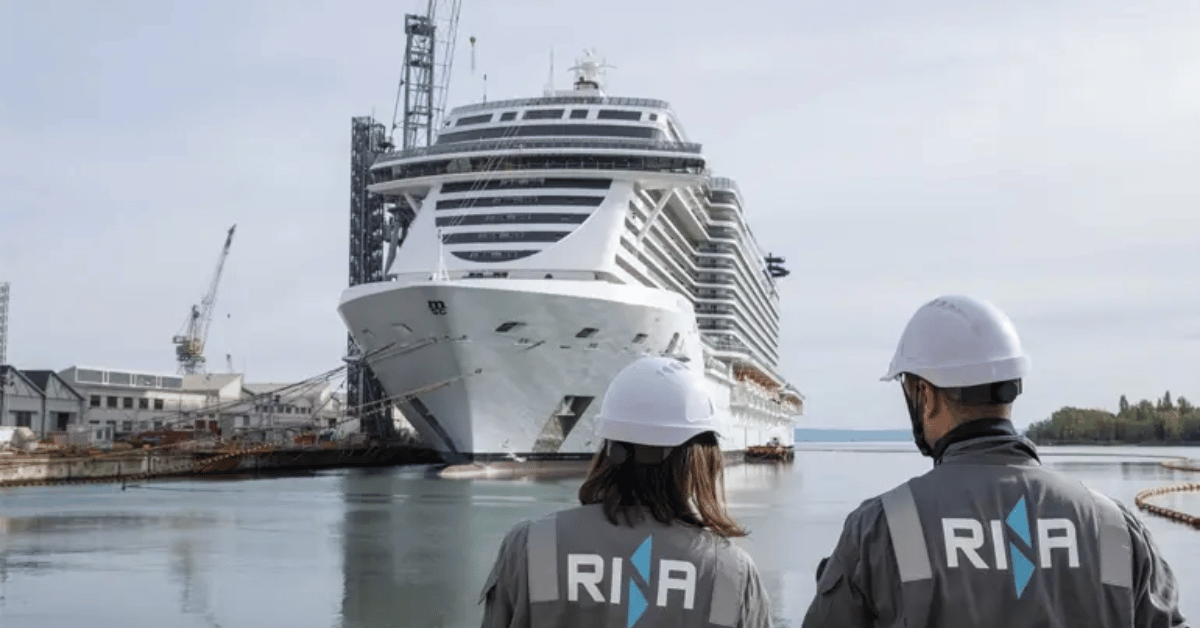
Singapore Hub Advances Digital Twins and AI for Ocean Decarbonisation
RINA's Singapore Open Innovation Hub is expanding with EDB support, sharpening its focus on digital twins, decarbonisation, and AI-driven maritime solutions. It is a measured step toward practical ocean intelligence, where simulation and real-time data converge to cut emissions. The work complements broader regional momentum, such as India's first e-methanol plant fueling cleaner Asia-Europe routes. Together, these efforts signal a pragmatic shift: decarbonisation is not a distant ideal but an operational target, and Singapore is positioning itself at the centre of that transition.
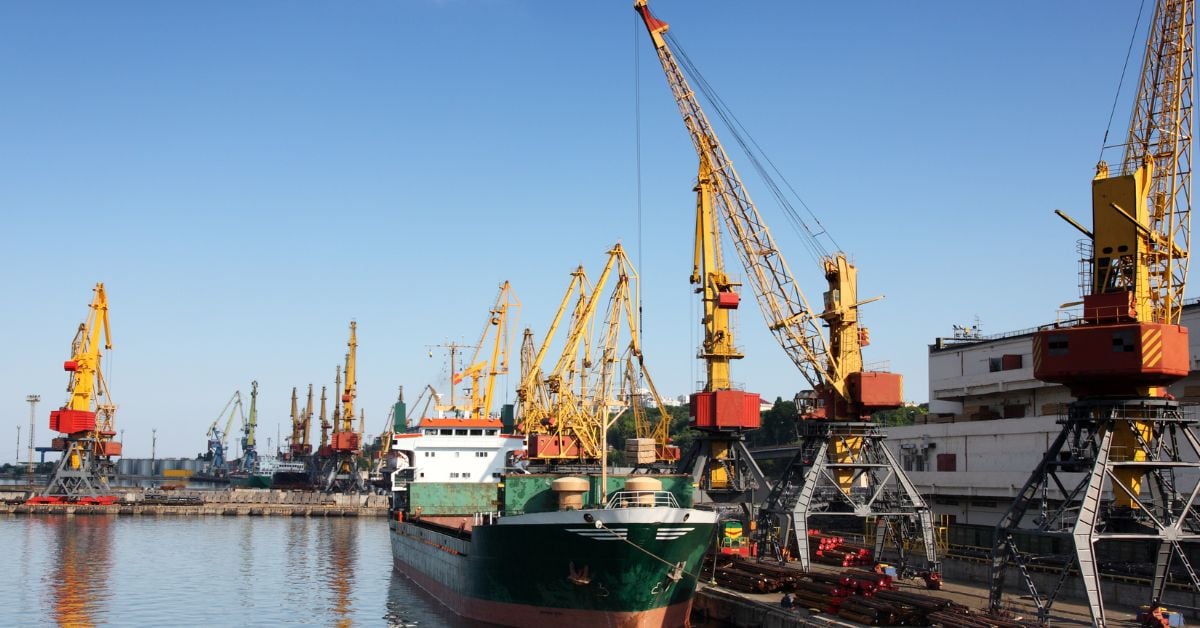
Cochin Shipyard Expands Design Capabilities with Conoship Equity Stake
Cochin Shipyard Limited is acquiring a 23% stake in Conoship International Holding BV, a Dutch ship design and engineering firm. The move signals a deliberate step toward strengthening in-house design capabilities rather than relying solely on external expertise. It is a measured, strategic investment, one that aligns with the yard's long-term ambitions in a competitive global market. Such integration of Dutch engineering knowledge could yield tangible gains in vessel innovation.
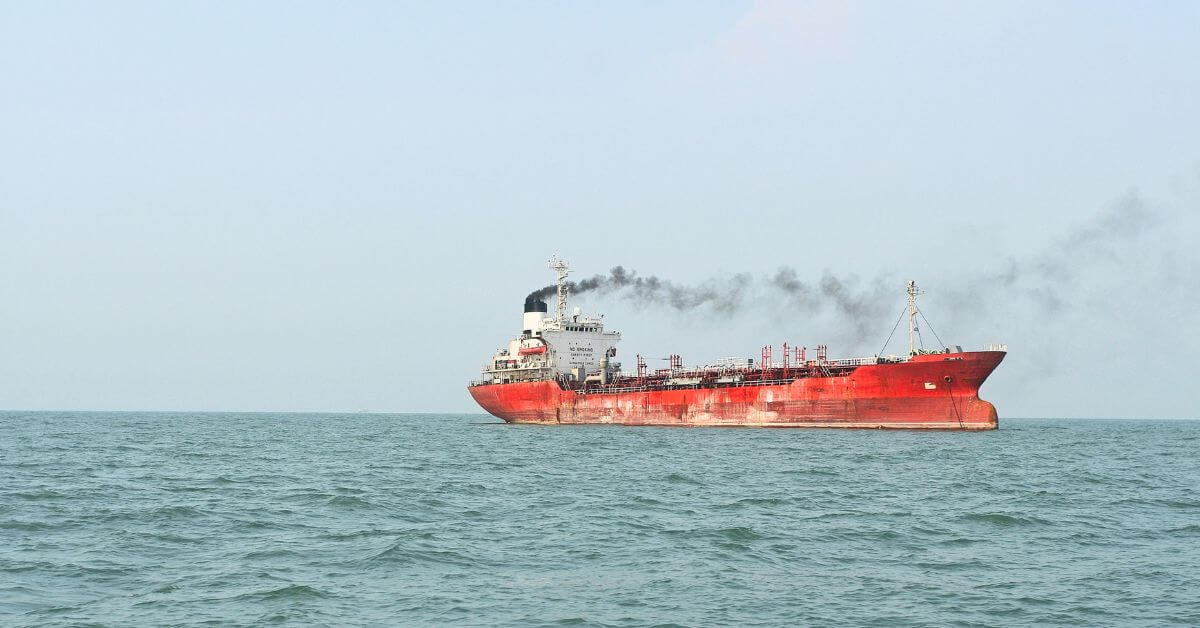
Fatal Attack on Cargo Ship Highlights Black Sea Shipping Risks
The attack on a cargo ship sailing under the flag of Antigua and Barbuda, reported Sept. 23 by the Ukrainian Sea Port Authority, sharpens the profile of risk in Black Sea shipping. This is not an isolated incident but a measurable indicator of a waterway under strain. We track these incidents because each one validates the need for integrated maritime data.
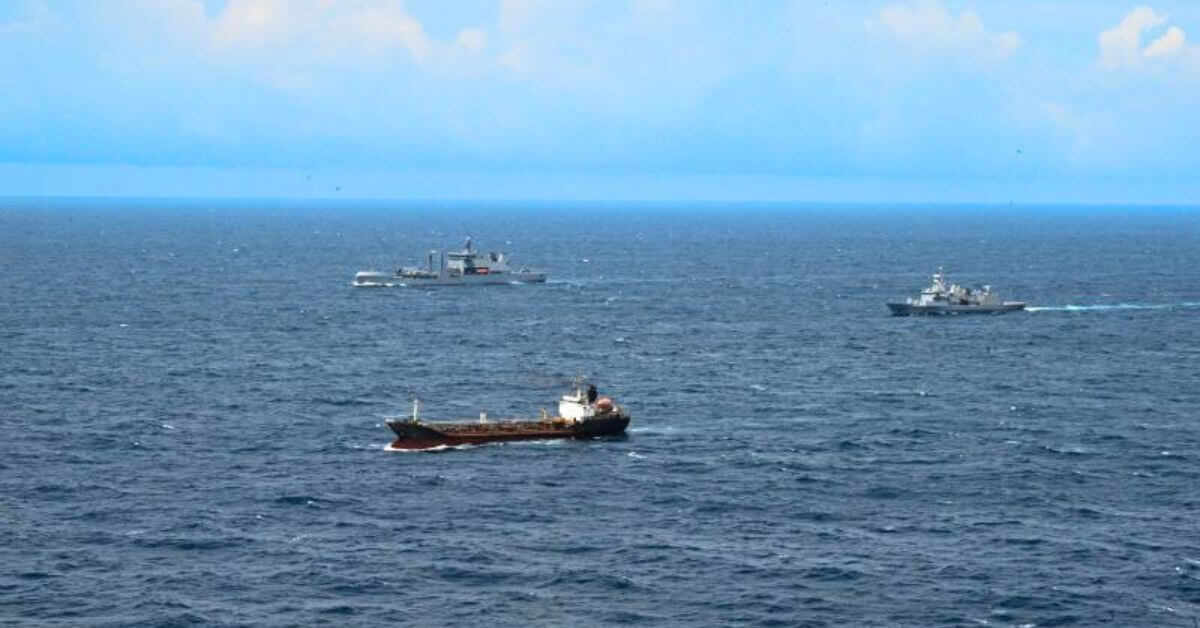
Kiwi Frigate Monitors Sanctions, Enhancing Global Maritime Security Intelligence
For three months, a Royal New Zealand Navy task group has monitored possible violations of UN sanctions against North Korea, turning a routine patrol into a concrete measure of maritime accountability. This is the kind of quiet, persistent work that gives "ocean intelligence" its weight. The deployment strengthens global security, yet it rarely makes headlines. It should. For deeper context on how regional navies are expanding their reach, see our related piece, "New Zealand Vessels Traverse Taiwan Strait En Route to Philippines Exercise.
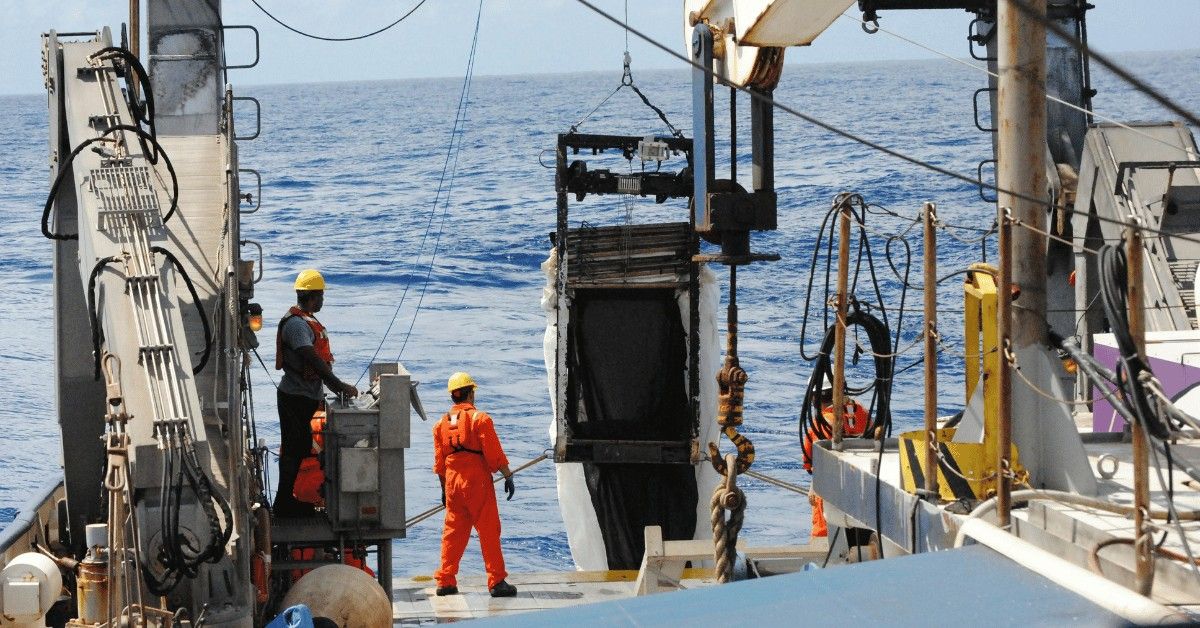
Seafarer Welfare: Integrated Data Reveals Persistent Gaps, Urges Accountability
Five years after the Seafarers' Rights Code set sail, the data is clear: progress remains uneven. While the framework has driven measurable improvements, persistent gaps in pay, crewing, and wellbeing show that accountability is still catching up to intent. That is not a failure of the code; it is a call to calibrate its implementation. For context on how maritime infrastructure is evolving, our coverage of Cochin Shipyard's design expansion offers a useful parallel. Seafarers deserve more than promises; they need validated, integrated action.
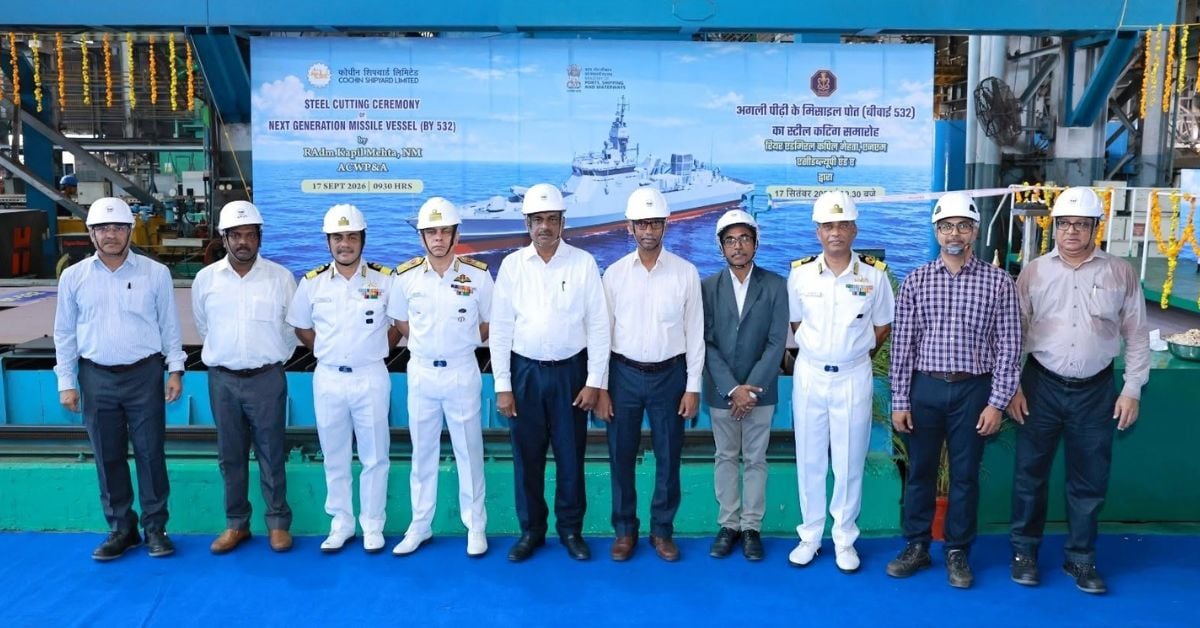
Next-Generation Missile Vessels Advance Indian Navy Capabilities.
The Indian Navy's next-generation missile vessels are built for speed, plain and simple. At 33 knots with a crew of 80, these ships prioritize rapid response without sacrificing operational heft. That is a practical step toward a leaner, more agile fleet. We see this as a deliberate move to keep pace with shifting maritime demands. For broader context on India's shipbuilding momentum, our piece on Cochin Shipyard's design expansion offers useful grounding. Speed alone does not secure waters, but it certainly narrows the gap.
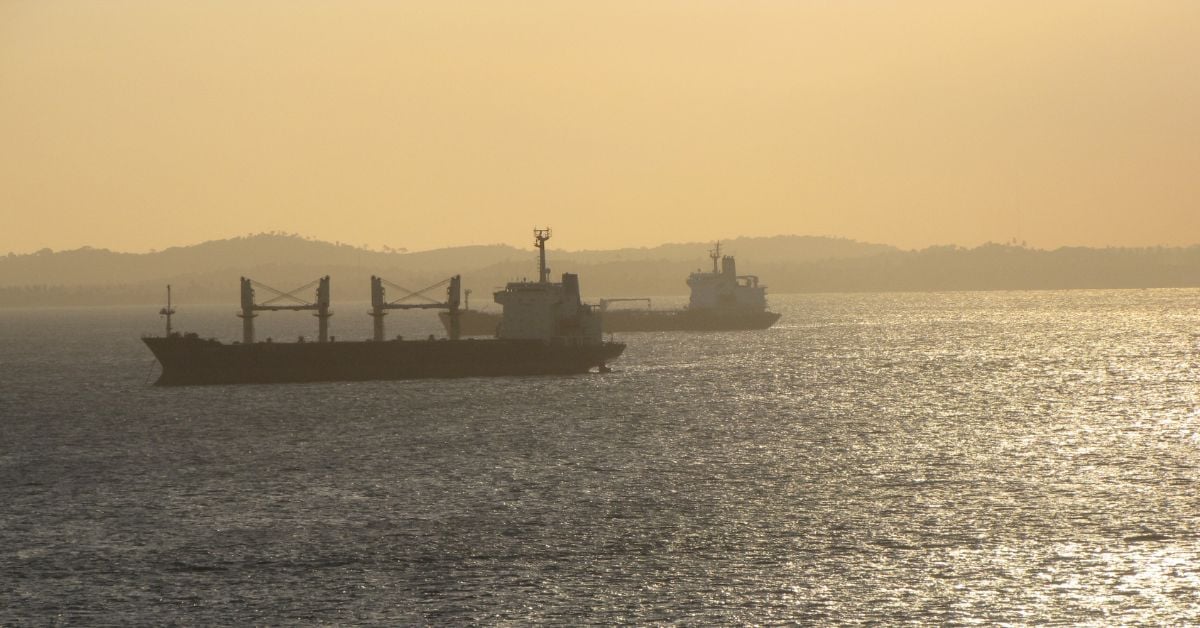
Maritime Cybersecurity Incident: U.S. Coast Guard Boards Vessels Following Cyber Breach
The U.S. Coast Guard's boarding of vessels on August 21, following a cyber breach attributed to "foreign cyber actors," signals a sobering reality: maritime security now extends well beyond physical threats. This action is a measured, necessary response, yet it raises questions about the vulnerability of our integrated data ecosystems. The Coast Guard's restraint in naming the actors is understandable, but the incident underscores a collective urgency. Such disruptions ripple across global shipping lanes, reminding us that ocean intelligence must include cybersecurity.

Advancing Ocean Access: New 1,700-Tonne Boat Hoist Under Construction.
A 1,700-tonne vessel demands more than a routine haul-out. Italian manufacturer ASCOM has begun building a boat hoist capable of lifting that weight, a move that signals serious investment in heavy marine infrastructure. This is the kind of practical, engineering-led progress that keeps shipyards competitive. For readers tracking broader sector momentum, Cochin Shipyard's recent design equity stake in Conoship shows similar strategic thinking. The hoist is a concrete step; the pattern around it is worth watching.
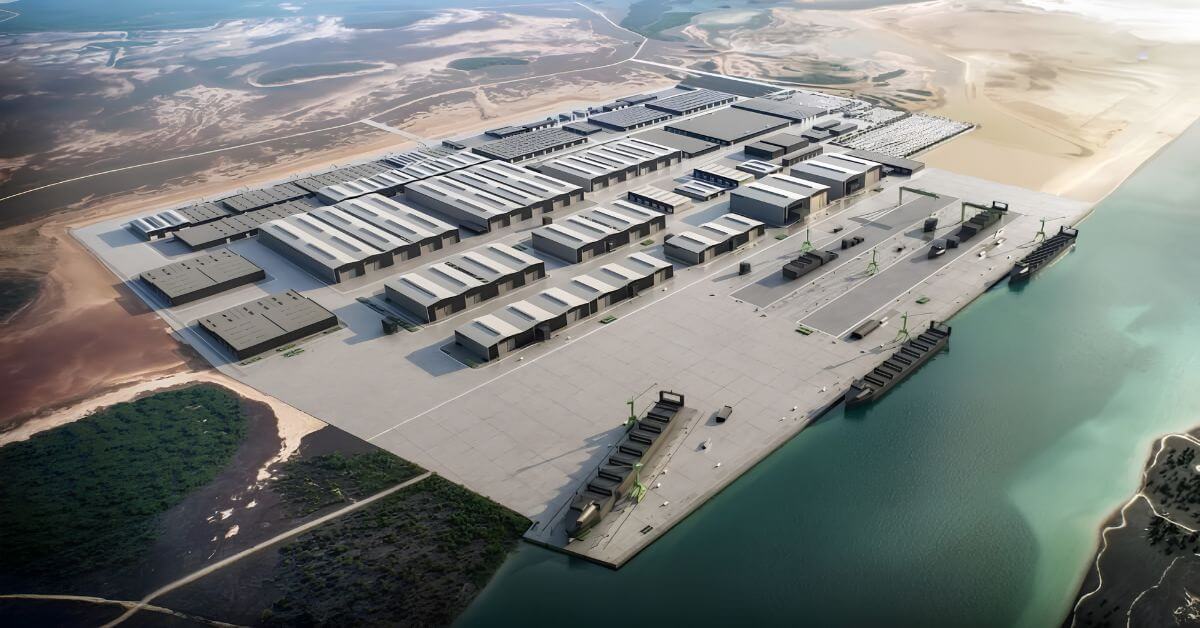
Port Alpha Shipyard to Build Navy Landing Craft, Boosting Ocean Data Access
Port Alpha Shipyard in Texas will build the Navy's next landing craft under a firm fixed-price agreement, an OTA award that anchors production on the U.S. Gulf Coast. This vessel marks the yard's first such contract, a practical step for naval mobility. Shipbuilding decisions like this carry weight beyond hulls; they shape ocean intelligence. For broader context on maritime capability, see our coverage of China's New Nuclear Carrier Signals Extended Naval Operations Capability. Measured investment in construction is how data-driven stewardship gains ground.
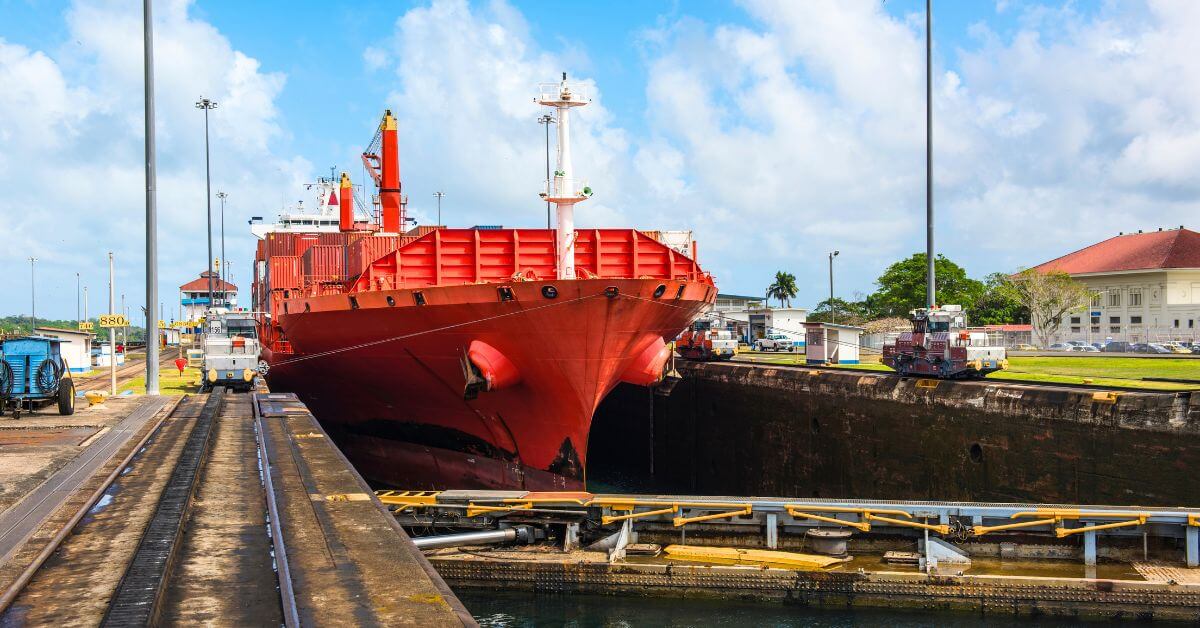
Reduced Canal Transits: Drought Impacts Global Shipping Routes.
The Panama Canal is tightening its grip. Starting in October, an average of 29.5 vessels per day will be allowed through, a direct response to the drought that is reshaping global shipping routes. This is not an abstract climate indicator; it is a measurable constraint on trade. We see the canal's draft plan as a practical, if difficult, calibration of limited resources. For context on how other chokepoints are straining, our piece on Gulf of Oman STS transfers offers a parallel view.
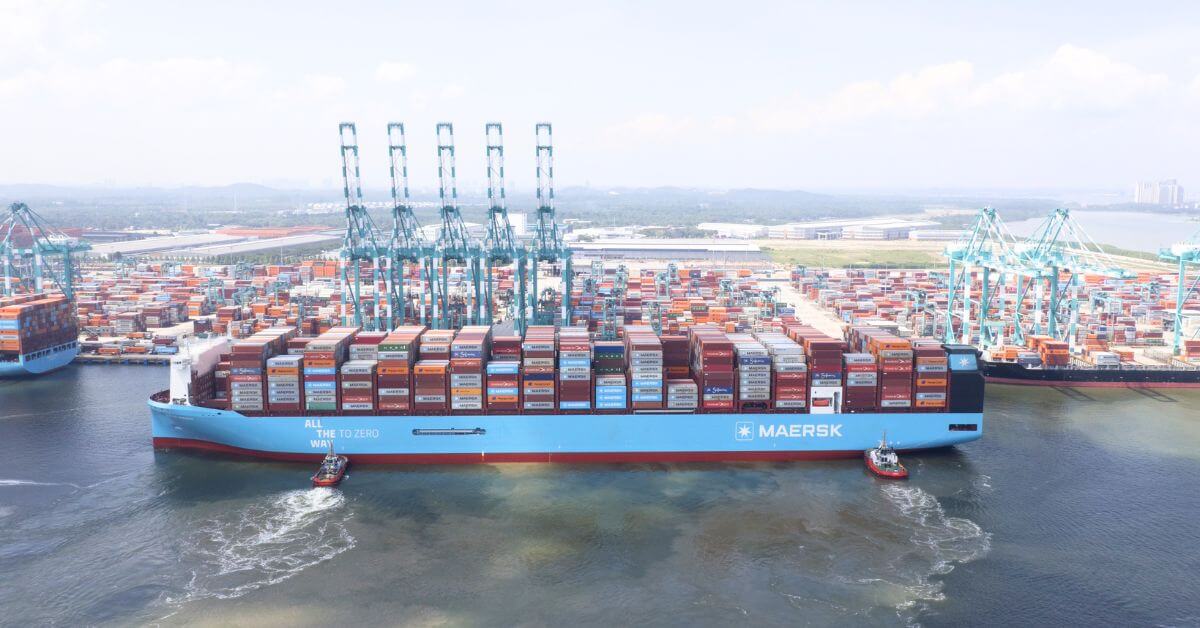
Maersk’s Fleet Expansion Signals Continued LNG Investment in Global Shipping
Maersk's planned order of 42 dual-fuel LNG vessels, including 12 ships at 24,000 TEU, signals a decisive, long-term commitment to gas as a transitional marine fuel. This is not speculative hedging; it is calibrated capacity building. The scale is measurable, and the direction is clear. For context on how port infrastructure is evolving alongside such fleet strategies, our related piece, "Paradip Port Designated a Mega Port, Anchors Eastern India's Maritime Growth," offers a useful lens.
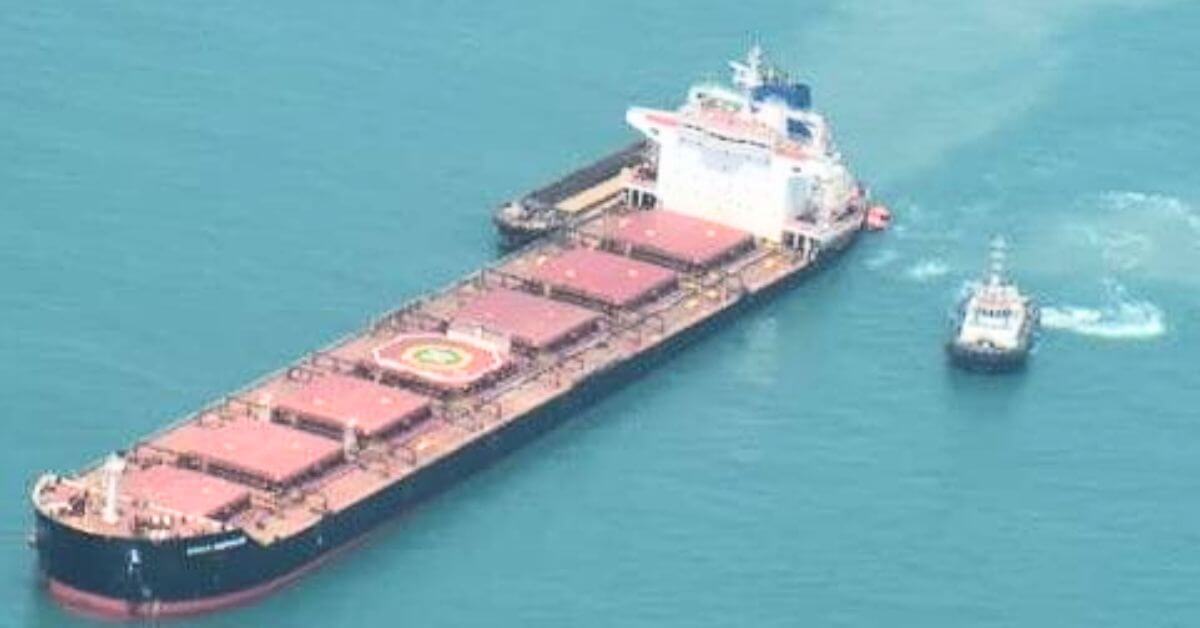
Crew Rescued After Merchant Ship Collision Near India’s Coast.
A collision off India's coast forced the evacuation of 21 crew members from the merchant vessel MV KMAX EMPEROR. The Coast Guard's rapid response prevented a greater crisis, but this incident underscores the persistent risks in busy shipping lanes. Maritime safety demands continuous vigilance, not just reaction. For deeper context on related maritime emergencies, read our coverage of the cargo ship fire near Mykonos, each event reminds us that ocean intelligence must extend to human safety at sea.

Shipping Caution Advised: Incident Near Strait of Hormuz Impacts Transit
The UKMTO's warning on September 10 is a measured but necessary response to an incident near the Strait of Hormuz. Vessels in that corridor now face heightened risk, and the call for cautious transit and reporting of suspicious activity reflects a reality we cannot ignore. This is not alarmism, it is empirical caution. For deeper context on the pressures shaping this waterway, our article "Phased Negotiations Aim to Ease Restrictions on Strait of Hormuz" examines the diplomatic efforts underway. Understanding drives protection.
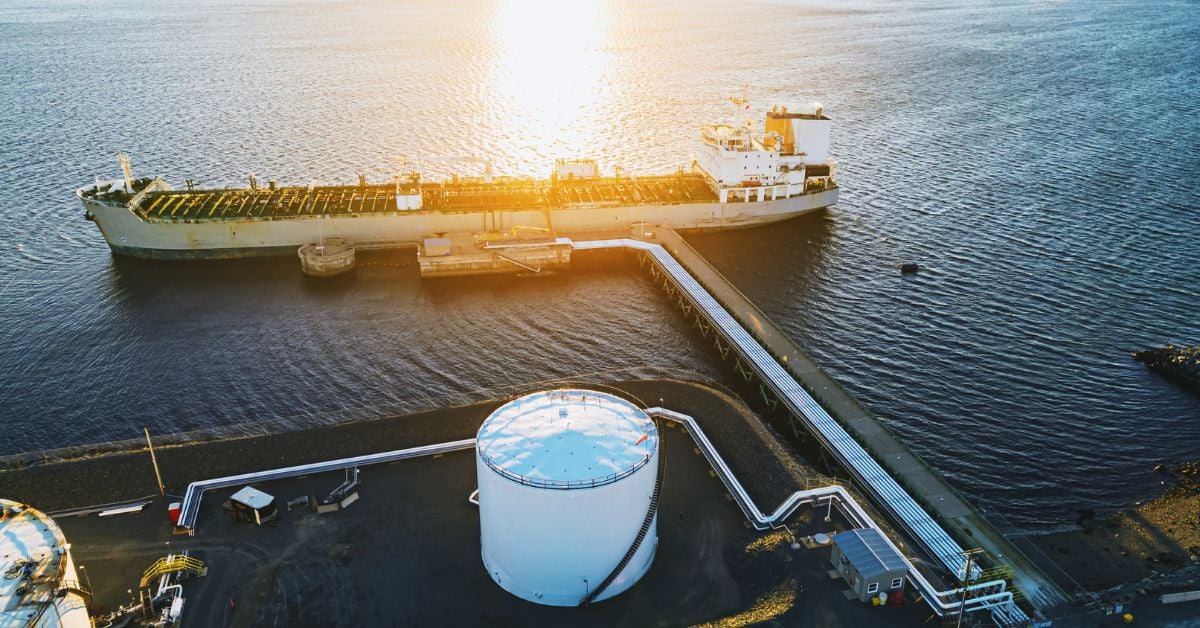
Escalating Tensions: Iran Issues Warnings to Tanker Crews in Persian Gulf
Iran's Islamic Revolutionary Guard Corps Navy has warned tanker crews near Kuwaiti and Bahraini ports to abandon their vessels. This escalation injects measurable risk into an already volatile Persian Gulf. Regional maritime stability is not a theoretical concern, it is a climate indicator of geopolitical friction. For deeper context on how such tensions intersect with energy routes, see our related coverage on "Phased Negotiations Aim to Ease Restrictions on Strait of Hormuz." Understanding these pressures is essential for calibrating both security and environmental responses.
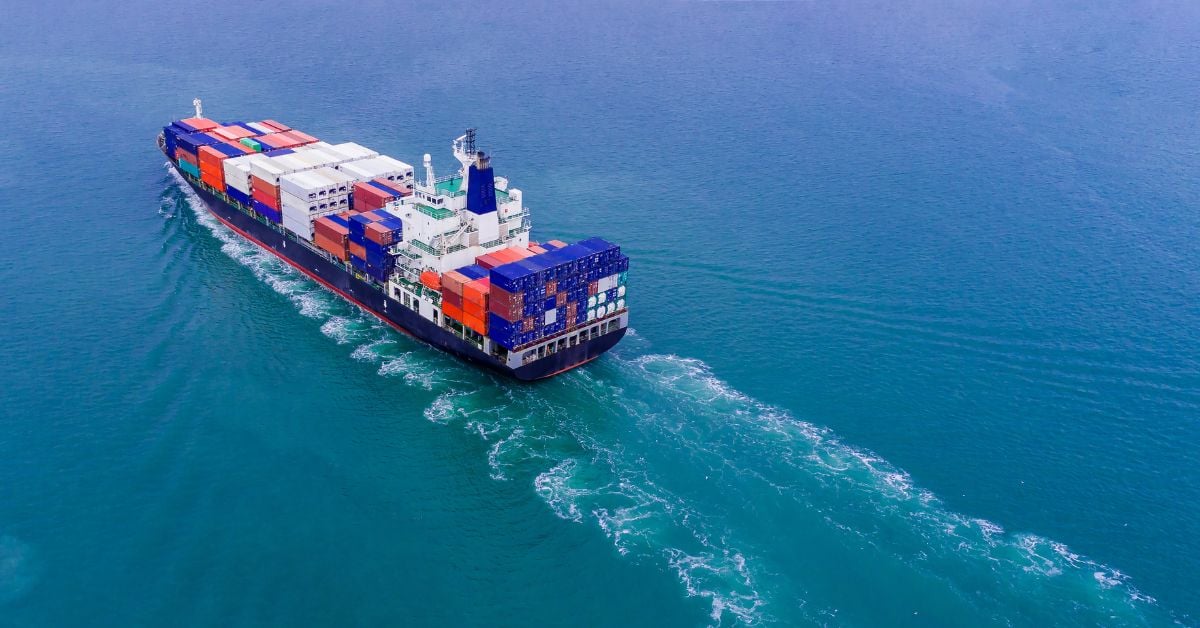
Scaling Seas: Gigamax Container Ships Forecasted for East-West Trade.
A 27,500-TEU vessel represents more than a simple capacity increase. It signals a recalibration of global trade infrastructure, where scale itself becomes a strategic asset. These Gigamax ships will demand deeper ports, stronger cranes, and tighter scheduling across entire supply chains. The question is whether our current systems can absorb that pressure. For context on how maritime nations are already adapting, see our coverage of "Russia Calibrates Export Revenue for Northern Sea Route Icebreaker Fleet."
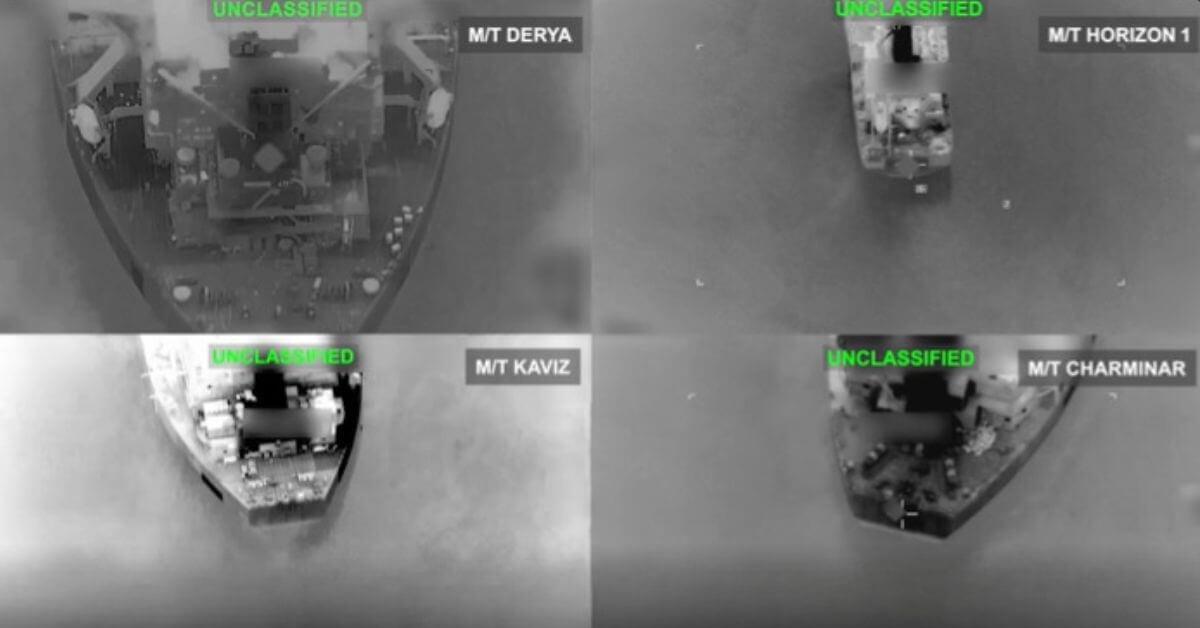
Escalation in Persian Gulf: U.S. Responds to Iranian Maritime Actions
Before the strikes, U.S. forces instructed crews to leave the tankers, a measured step that prioritizes human safety over escalation. CENTCOM confirmed the vessels were left inoperable, signaling a calibrated response to Iranian maritime actions. The Persian Gulf remains a flashpoint where empirical monitoring and integrated intelligence are essential. For deeper context on global naval strategy, our article on India's projected fleet expansion examines how nations are preparing for these contested waters. Understanding drives protection.
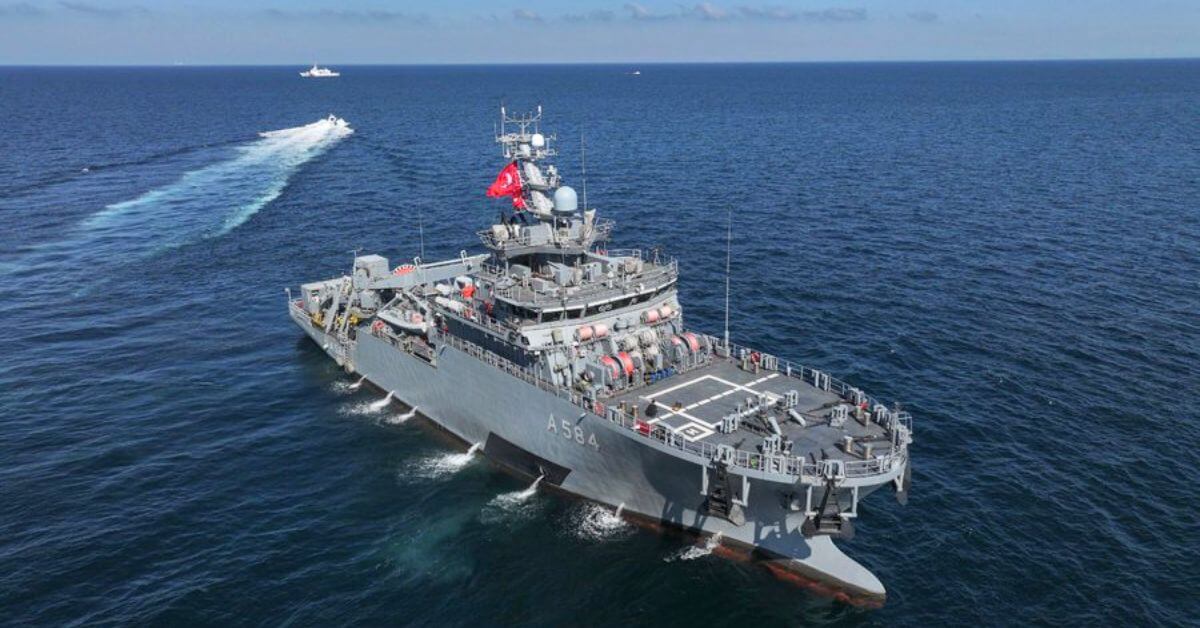
Search Continues for Crew After Collision and Sinking Near Istanbul
A collision in the dark hours near Istanbul has sent a search into motion. The Tugberk Imamoglu struck the Turkish-flagged Alsu at roughly 3 a.m. local time on Wednesday, Sept. 2, and crew members remain unaccounted for. The incident underscores how quickly maritime operations can shift from routine passage to response. For those tracking the human element of ocean intelligence, this is a sobering reminder that data and vigilance must always serve safety first. We continue to follow the search as it unfolds.
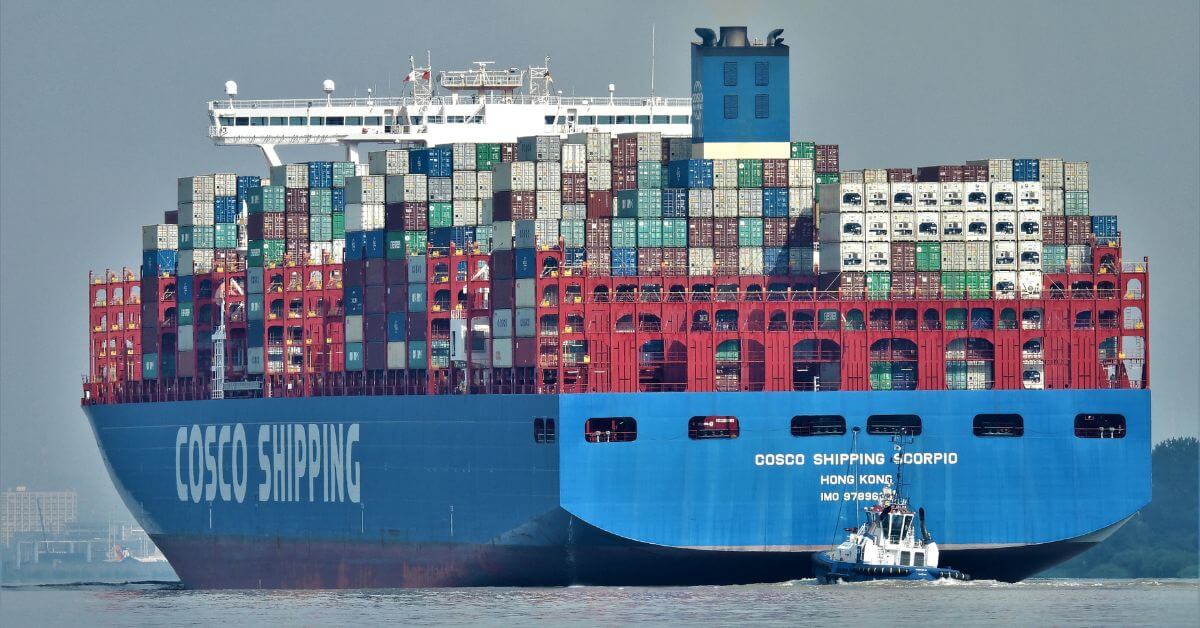
COSCO Rejects U.S. Claims of Espionage via Shipping Vessels
COSCO has firmly rejected U.S. accusations that its vessels collected military intelligence for Beijing, calling the claims unfounded. The denial cuts through a narrative that risks conflating legitimate global commerce with espionage, a distinction that matters for the rule-based shipping lanes the world depends on. Allegations without peer-reviewed evidence weaken trust, and trust is the ballast of maritime stability.
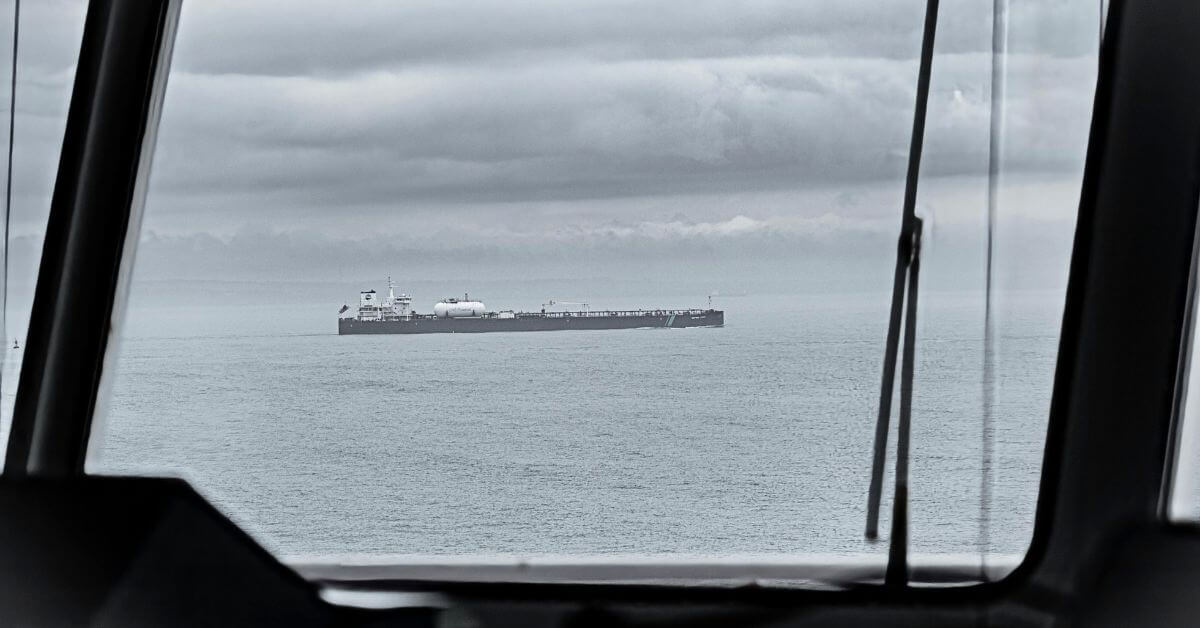
Enhanced Maritime Safety: India's New System Monitors High-Risk Regions
India's Directorate has issued a direct mandate: every vessel carrying Indian crew in designated high-risk regions must be registered in the new monitoring system without delay. That is not bureaucratic noise; it is a calibrated safety net. The move follows intense pressure on maritime routes, from Gulf of Oman STS transfers maxing out to pirate interventions off Somalia. This system is about prevention, not reaction. For crews operating where risk is highest, this is validation that their safety is measurable and prioritized.
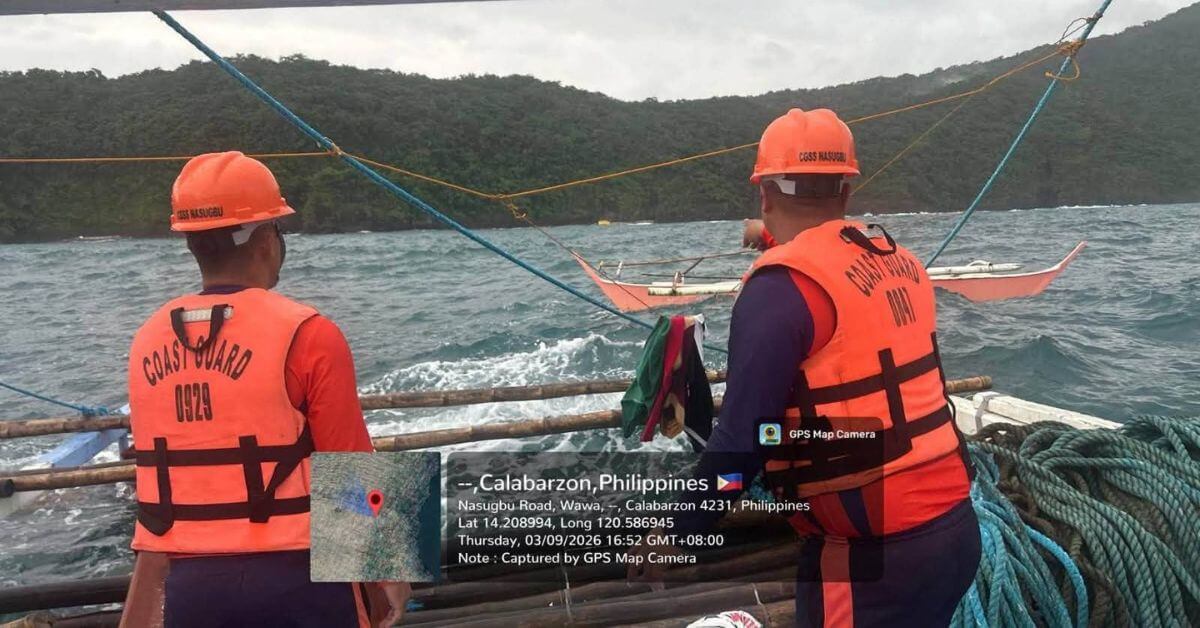
Container Spill Near Philippines: Coast Guard Responds, Monitors Ocean Impact
The Coast Guard has launched recovery operations after containers fell into the sea near Hamilo Point in Nasugbu, Batangas, with response teams now monitoring the ocean impact. Swift action matters here, though the scale of the challenge is considerable. Containers at sea are not just navigational hazards; they carry consequences for marine ecosystems that can outlast the immediate response. For deeper context on maritime incidents, our piece on the cargo ship fire near Mykonos offers a parallel look at how authorities handle unfolding emergencies.
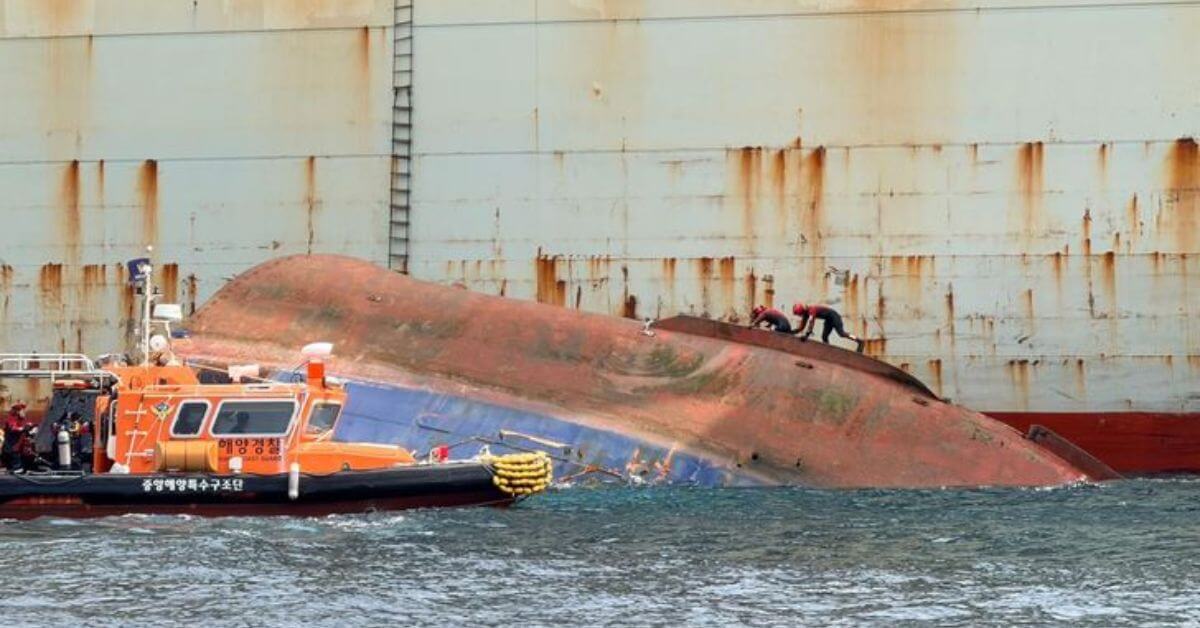
Tugboat Sinking Near Busan: Search Underway for Six Missing Crew.
A 286-tonne tugboat capsized and sank east of Oryukdo Island, leaving six crew members missing. The TNS Catcher went down at roughly 1:29 p.m., fully disappearing beneath the surface by 3:27 p.m. Search operations are underway, and every minute matters in these waters. Maritime emergencies like this remind us how quickly conditions can turn. For broader context on recent incidents, our coverage of the cargo ship fire near Mykonos offers a similar case of rapid response.
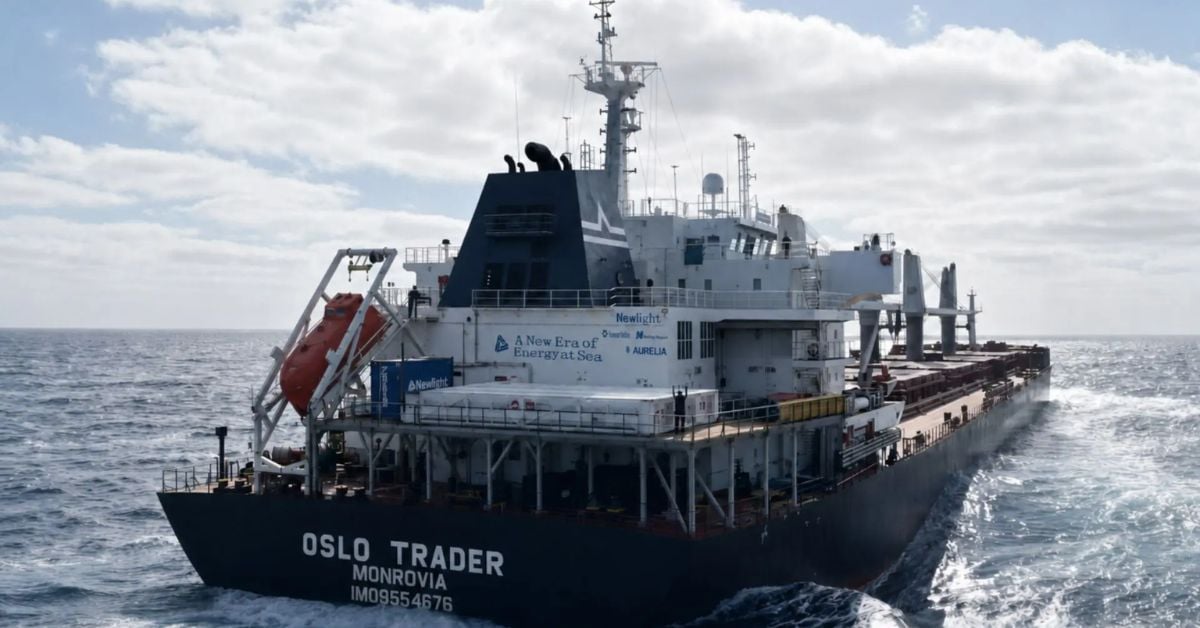
Hydrogen-Hybrid Propulsion Validates 24% Fuel Reduction on Transoceanic Voyage
A hydrogen-hybrid retrofit has delivered a 24% fuel reduction on a transoceanic voyage, a result that moves marine decarbonization from theory into measurable practice. Newlight's system, fitted to a bulk carrier's diesel engine, completed the 8,500-nautical-mile run from Singapore to Ghana with validated efficiency gains. This is the kind of empirical progress shipping needs, real-world performance, not pilot-project promise. For more on how such vessels face persistent hazards, see our coverage of the bulk carrier freed after grounding near Gladstone, Australia.