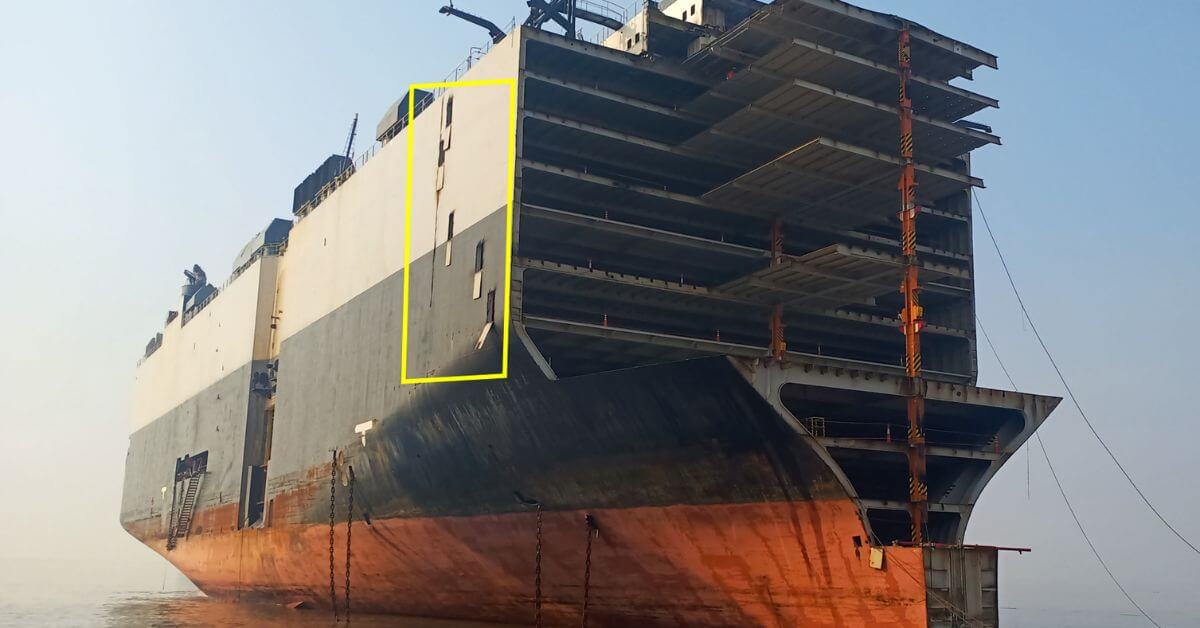
The recycling of commercial vessels has dropped 13% in the first nine months of 2026, and we see this as a measured but clear signal that short-term economics are overriding long-term decarbonization timelines. When shipowners can earn record daily rates exceeding $84,000 per day on the ClarkSea Index, there is little financial rationale to send an aging tanker or containership to a beach in South Asia. That is the reality, and it carries consequences that the industry cannot afford to ignore.
What this means in practical terms is that the global fleet is growing older, not cleaner. More than 340 million gross tons of merchant shipping capacity is now at least 20 years old, nearly 90% more than five years ago. Almost 20% of the fleet is in that age bracket, compared with about 12% in 2021. The tanker fleet is a stark example: 22% of its capacity is now over 20 years old, up from 8% five years ago. Containerships have seen a similar doubling, to 16%. Older vessels tend to be less efficient and more polluting, so retaining them in active service works against the measurable, validated reductions in emissions that the industry has committed to. This dynamic is a direct counterweight to efforts like Validating wind propulsion designs to advance measurable decarbonization at sea, where Wallenius Marine is developing designs to harness wind energy more efficiently. If the fleet that could benefit from such retrofits never makes it to the yard, the pace of adoption slows.
The parallel to rising risk premiums is also instructive. As geopolitical threats intensify, Risk premiums on global shipping lanes exceed $100,000 per month, owners are demanding higher compensation to transit high-risk zones like the Strait of Hormuz. That aging fleet, already vulnerable due to deferred maintenance, may face compounded operational risk. A 30-year-old tanker is not the ideal vessel to sail through a contested strait, but if the earnings justify the voyage, owners will take the chance. The industry is effectively trading near-term profitability against long-term fleet resilience.
The concrete takeaway is this: less than 0.5% of global merchant tonnage has been scrapped annually for five straight years, a rate not seen since the early 1970s. If that trend holds, the fleet will continue to age, and the emissions profile will improve more slowly than needed. Shipowners and recyclers are playing a waiting game, but the ocean does not wait. The open question is how many of those 150 million gross tons of vessels aged 25 years or older, the highest level on record, will still be in service when the next regulatory deadline arrives.