vessels
vessels at World Data Ocean is a file of 75 stories. The newest of them: “Maersk Considers Bangladesh Shipbuilding Investment, Recycling Potential Explored”, “Indian Ship Recycling Yards Gain EU Approval, Boosting Sustainable Practices”, and “Data-Driven Insights Predict Maritime Emergencies, Highlighting Weather Risks”. AP Moller-Maersk is weighing direct investment in Bangladesh's shipbuilding sector, a move that pairs commercial pragmatism with the country's growing recycling potential. The European List's inclusion of two Indian ship recycling yards marks a measured step toward higher operational standards. A Global Hub for Ocean Intelligence 4 World Data Ocean is a centralized digital platform where researchers, scientists, and ocean enthusiasts converge to… The list below is every vessels story on World Data Ocean, newest first.
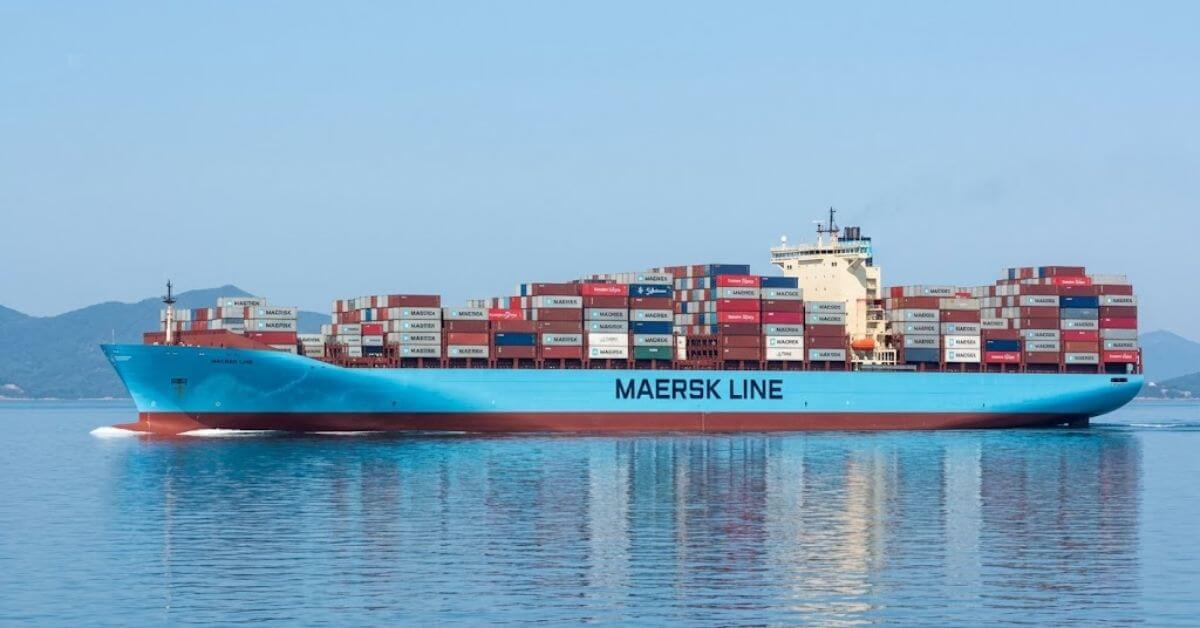
Maersk Considers Bangladesh Shipbuilding Investment, Recycling Potential Explored
AP Moller-Maersk is weighing direct investment in Bangladesh's shipbuilding sector, a move that pairs commercial pragmatism with the country's growing recycling potential. The logic is sound: established yards and expanding industrial capacity offer Maersk a foothold in a region where vessel construction and end-of-life dismantling increasingly overlap. This is not speculative ambition; it is calibrated expansion. For context on how similar partnerships are shaping regional capabilities, our piece on the collaborative shipbuilding initiative in India offers a useful counterpoint.
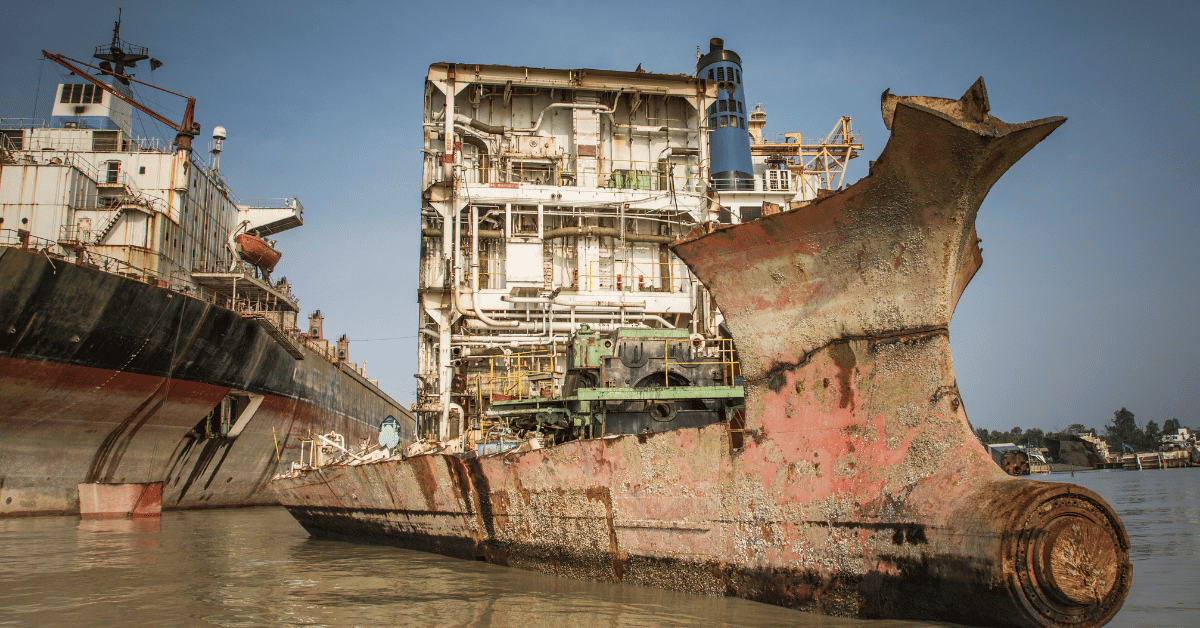
Indian Ship Recycling Yards Gain EU Approval, Boosting Sustainable Practices
The European List's inclusion of two Indian ship recycling yards marks a measured step toward higher operational standards. This approval validates years of investment in safer, cleaner practices, aligning the subcontinent's capacity with the compliance demands of global shipping lines. It is a practical win for an industry often scrutinized for its environmental record. For readers tracking naval advancements, our coverage of the Kiwi Frigate's sanctions monitoring offers a complementary look at maritime governance.
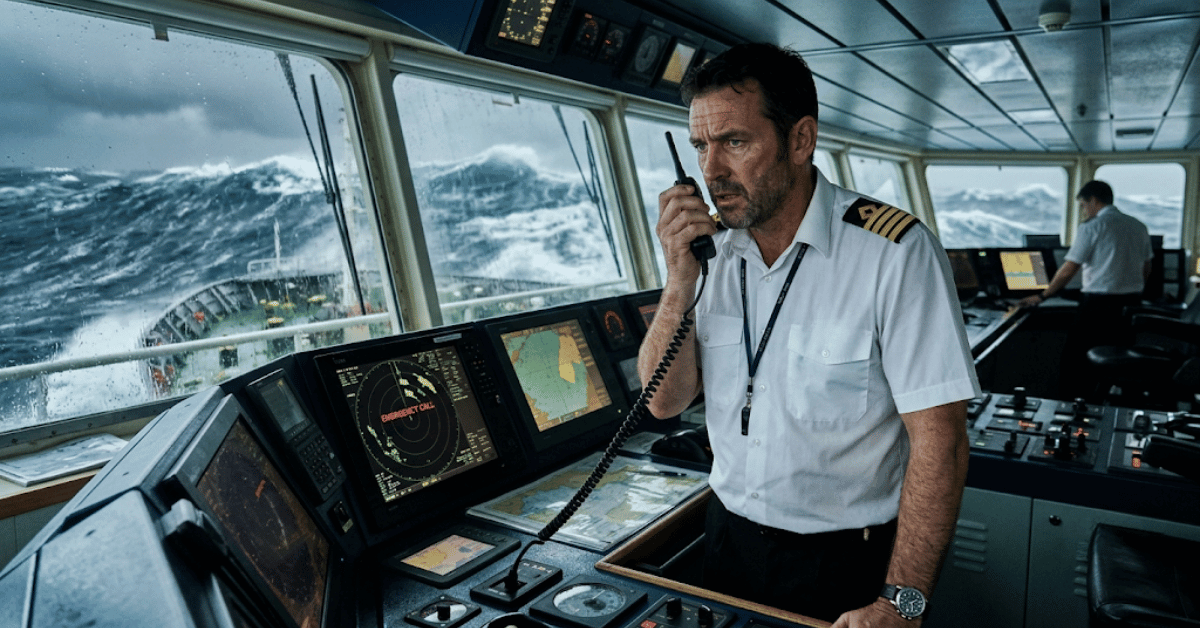
Data-Driven Insights Predict Maritime Emergencies, Highlighting Weather Risks
Weather emerges as the dominant force in maritime safety, according to Inmarsat's analysis of 106,975 safety broadcasts. The data is clear: urgent warnings stem most frequently from weather-related risks, reinforcing that preparedness begins with environmental awareness. This is actionable intelligence for an industry where foresight saves lives. For readers tracking operational resilience, our coverage of Russia's icebreaker fleet strategy offers a complementary perspective on how nations are calibrating infrastructure against Arctic conditions. Understanding these patterns is not optional; it is the foundation of safer seas.
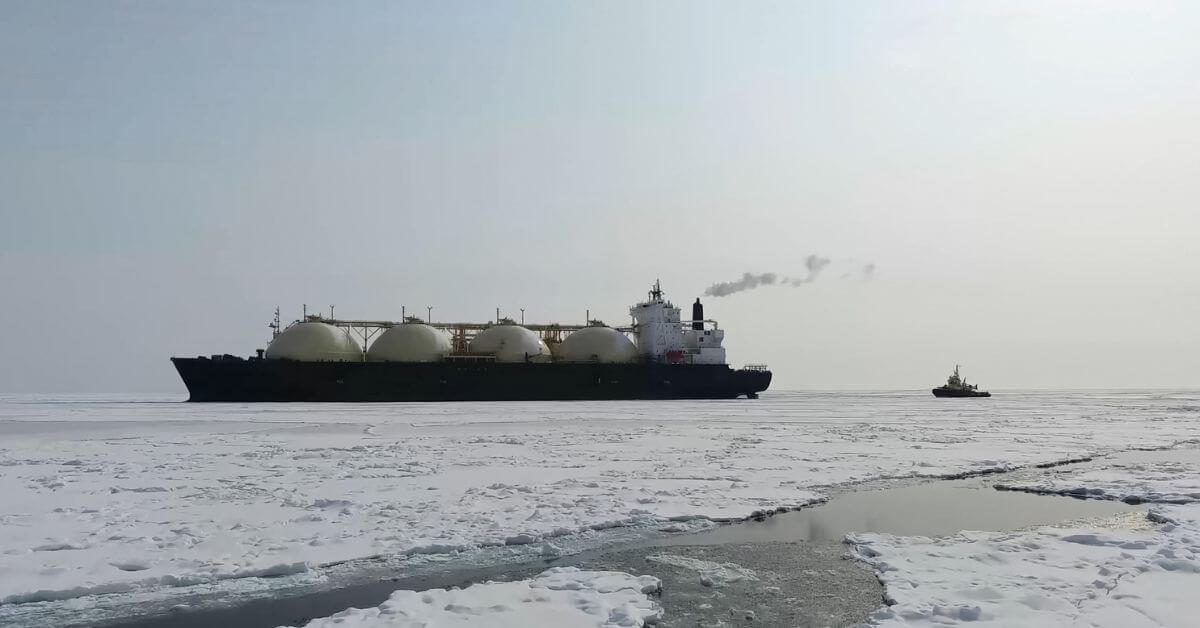
Arctic LNG 2 Capacity Expands with New Ice-Class Carrier Fleet.
The Arctic's harshest routes just became more navigable. A Russian-built, advanced ice-class LNG carrier has joined the fleet serving Arctic LNG 2, enabling year-round operations in waters that once dictated seasonal limits. This is practical ocean intelligence: the capacity to move gas reliably through extreme conditions strengthens the entire maritime energy chain. For readers tracking parallel shifts in global shipping, our coverage of Paradip Port's new mega port status offers another example of infrastructure evolving to meet demand.
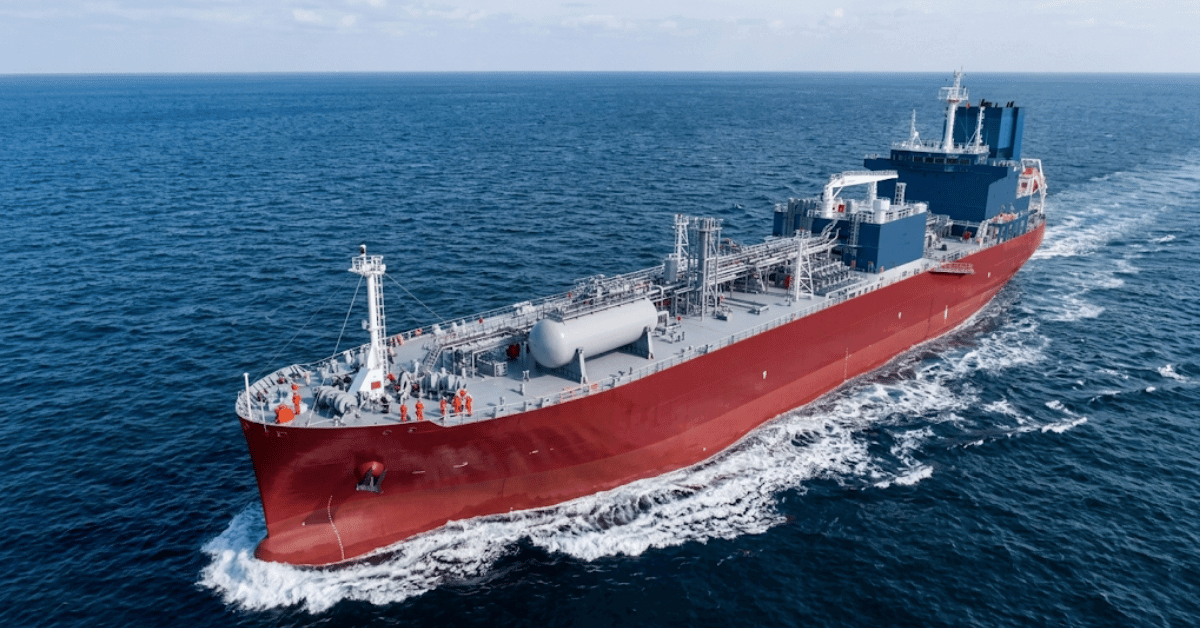
Validated Carbon Capture Offers Significant Emissions Reduction for Shipping.
Onboard carbon capture is no longer a distant concept. Lloyd's Register's latest analysis confirms that validated systems can deliver significant CO₂ emissions reductions for existing ships, offering a practical bridge while alternative fuel supply chains mature. That is a measured, credible step, not a silver bullet. The maritime sector needs every viable tool in the decarbonization toolkit, and this approach lets the current fleet act now.
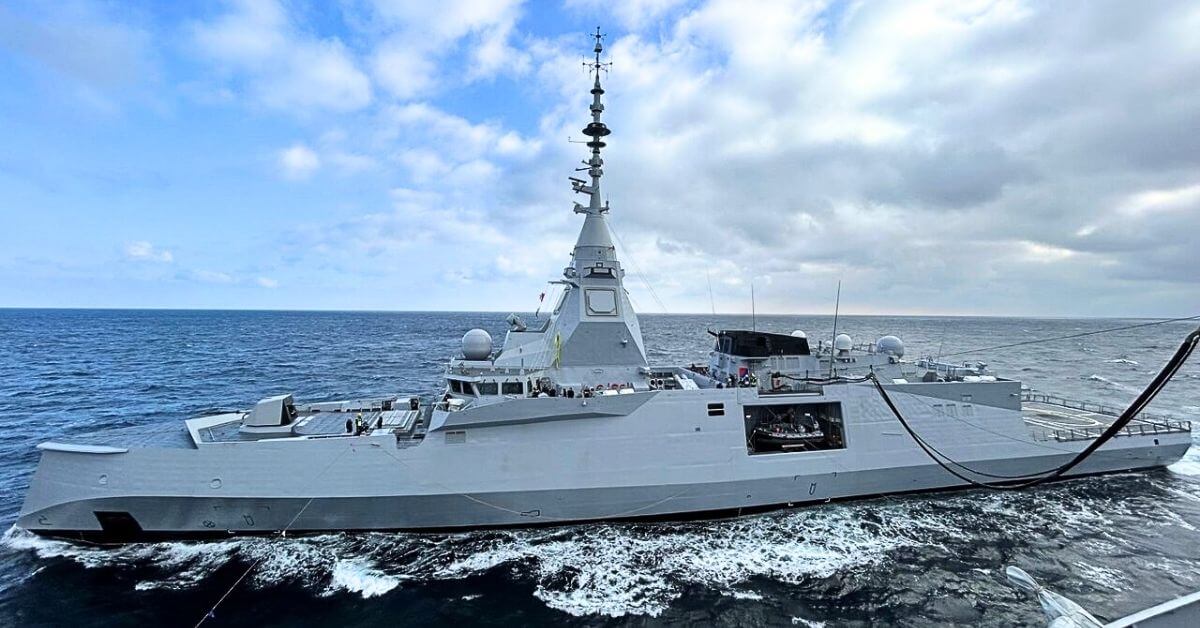
Sweden Bolsters Naval Capabilities with Acquisition of Four Advanced Frigates
Sweden's decision to acquire four advanced frigates marks a measured step toward a stronger naval presence, with the first delivery slated for 2030. These vessels will become the largest in the Swedish fleet, a practical response to shifting maritime realities. The investment signals patience and precision, not panic. For readers tracking parallel developments in naval strategy, our coverage of Russia's Northern Sea Route icebreaker plans offers useful context. Sweden is building capacity deliberately, and that intent is worth watching.

Integrated Vessel Management Bolsters Safety Across MOL's Fleet
MOL's decision to consolidate management of over 200 vessels under MOLGSM signals a firm commitment to operational rigor across the fleet. Centralizing oversight under one banner should sharpen accountability and streamline safety protocols, which is exactly the kind of integrated thinking the industry needs. It is a practical move, grounded in structure rather than spectacle. For readers tracking how operational efficiency intersects with design innovation, our piece on LNG carrier optimization offers a useful counterpoint.
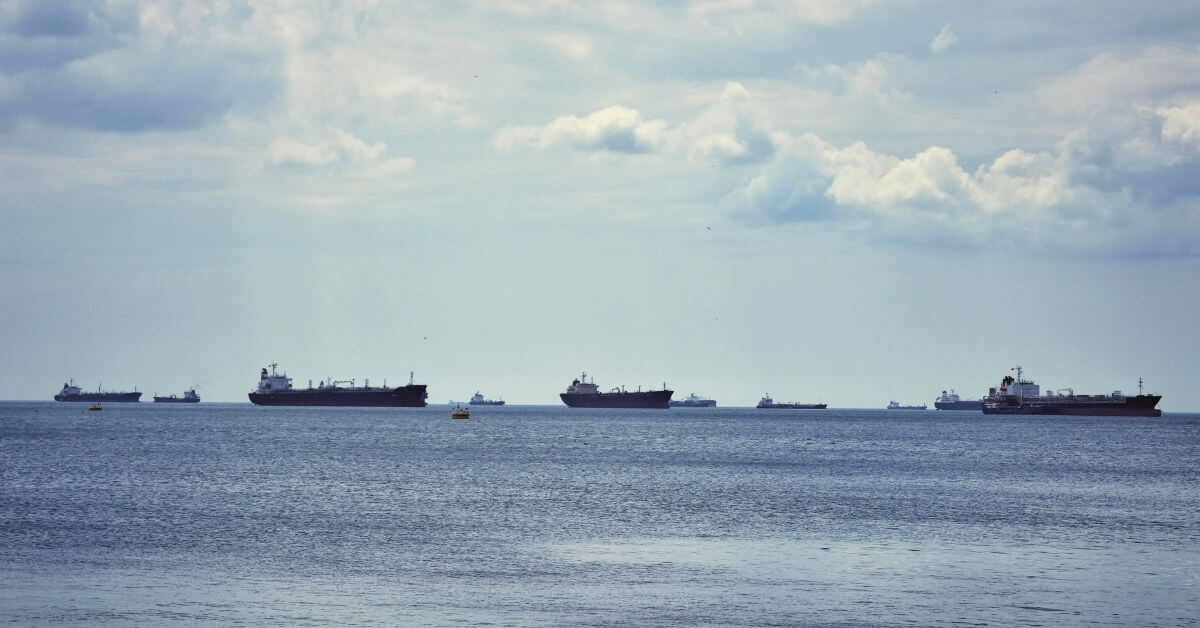
Maritime Traffic Shifts: Iran Intercepts Vessels Near Strait of Hormuz.
The Strait of Hormuz has become a chokepoint under pressure, with more than 1,500 oil tankers and 1,700 commercial vessels transiting the designated route before the war began in January 2026. Now, Iran's interceptions of vessels near these waters signal a hardening reality. This is not alarmism; it is measured observation. Disruptions here carry global consequences, and understanding the pattern matters. For broader context, our related piece on Gulf of Oman STS transfers offers a useful lens on how regional capacity is straining.
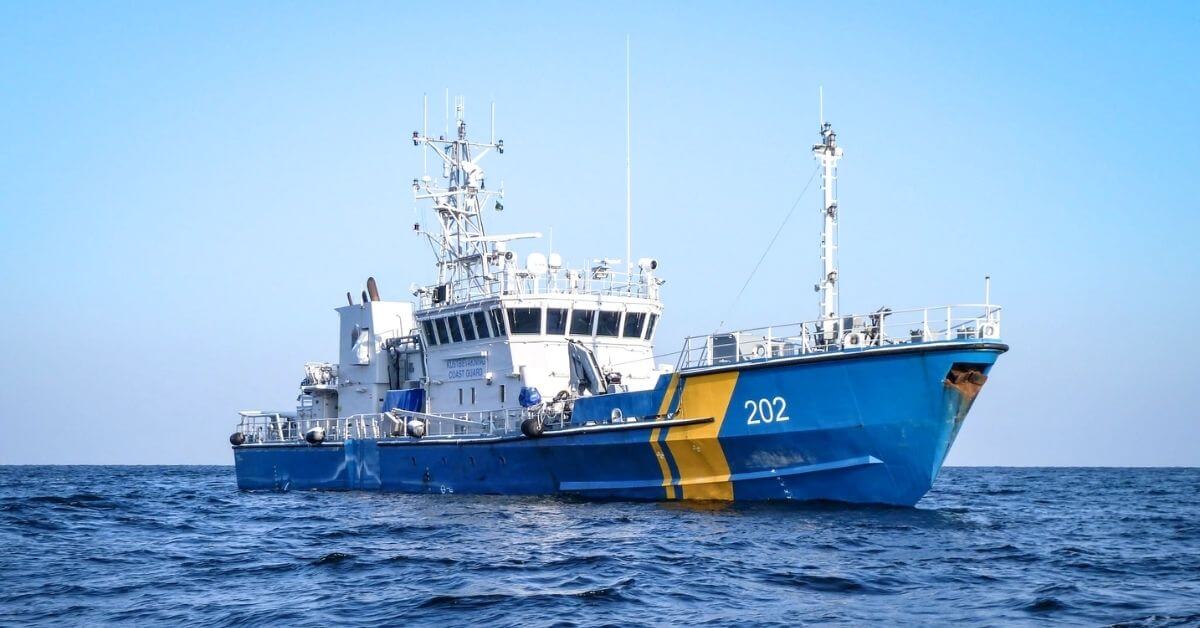
Sweden Bolsters Ukraine's Maritime Capabilities with Coast Guard Vessel Donation
Sweden's donation of ten Coast Guard vessels to Ukraine is a measured, practical step for maritime resilience. These boats, earmarked for mine clearance, transport, towing, and rescue, address immediate operational needs without theatrical posturing. It is a quiet reinforcement of capability, the kind of support that matters when every voyage carries risk. For context on the broader stakes, our related piece on the fatal attack on a cargo ship highlights how volatile these waters remain.
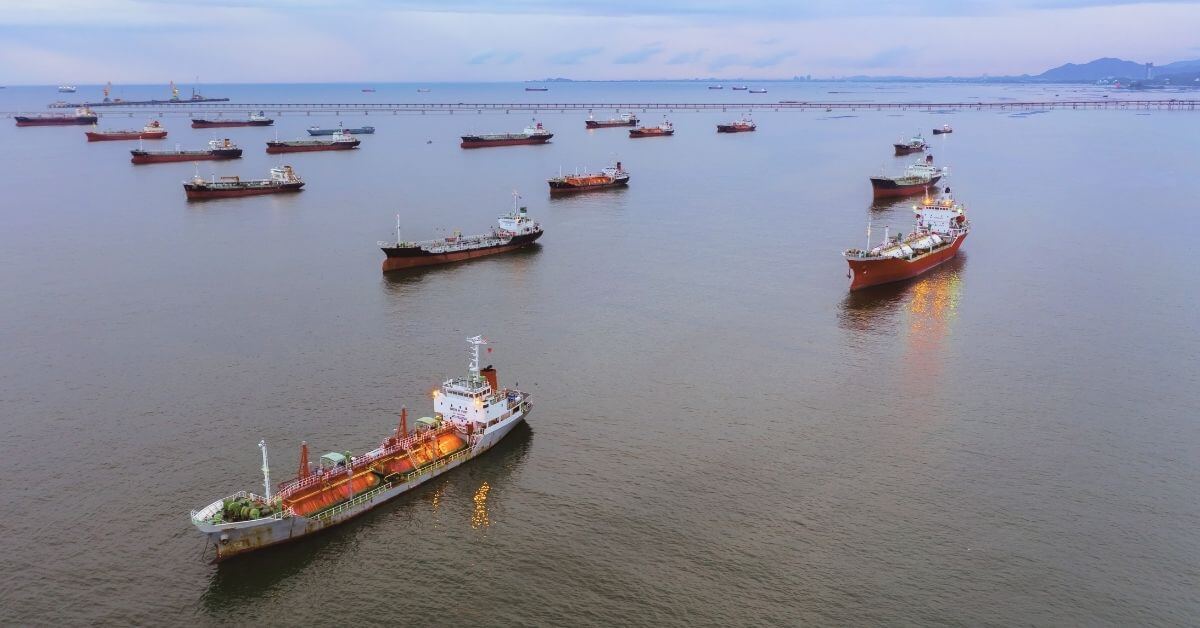
Strait of Hormuz Impasse: Uncertainty Impacts Thousands of Seafarers.
Since late February, the Strait of Hormuz has become a holding pattern for thousands of seafarers. The impasse leaves crews in limbo, their movements frozen by geopolitical friction that shows no sign of easing. It is a precarious position for the people who keep global energy moving. For context on how regional dynamics are straining maritime operations, our coverage of the Gulf of Oman STS transfers offers a related look at the pressure points.
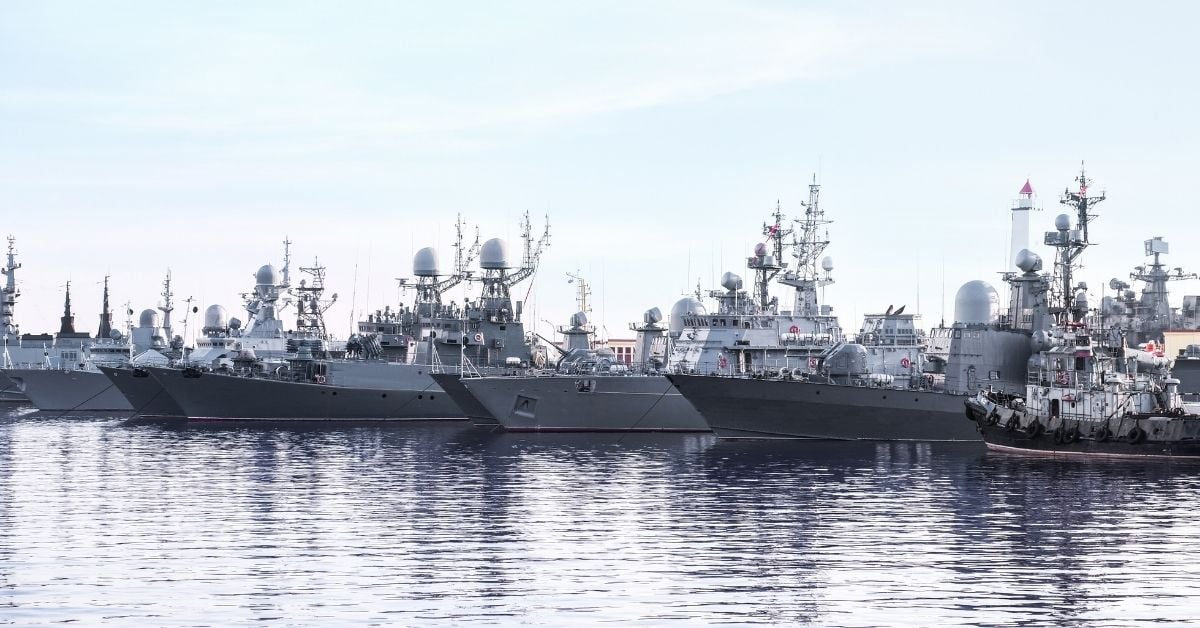
Multinational Task Force Maintains Maritime Security in the Indian Ocean.
Six months after deployment, Combined Task Force 151 has effectively suppressed piracy activity in the Indian Ocean, a success that warrants attention. This isn't merely a routine patrol; it reflects a calibrated, integrated approach to maritime security that holds up under real-world conditions. When operational discipline meets clear objectives, the results are measurable. For readers tracking the region's shifting dynamics, our coverage of the Gulf of Oman STS transfers offers a useful counterpoint.
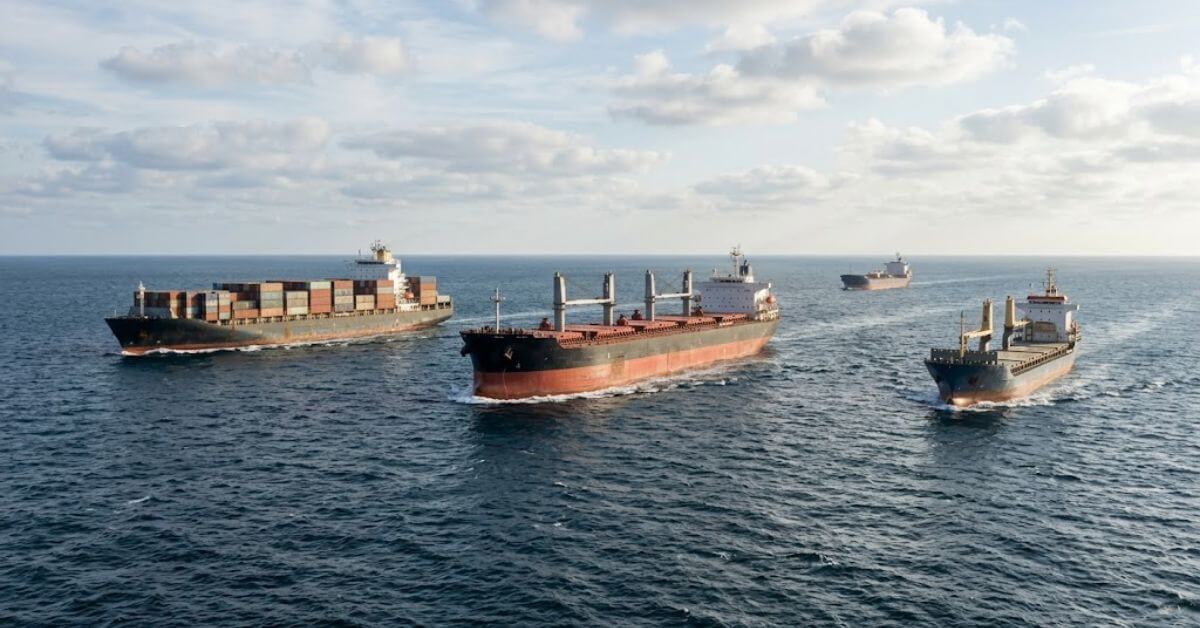
Expanding India's Fleet: A Push for Maritime Independence and Cost Parity
Indian ship owners face a 16-20% cost penalty flying the national flag, a gap that undermines maritime self-reliance before it can scale. Closing that differential is not merely fiscal; it is strategic. Lower operational costs would shift tonnage back to Indian registry, strengthening supply-chain security and bargaining power. The push toward cost parity aligns with broader regional momentum, including Russia's calibrated export levies for its icebreaker fleet. This is a practical, measurable step toward independence, and one worth watching closely.
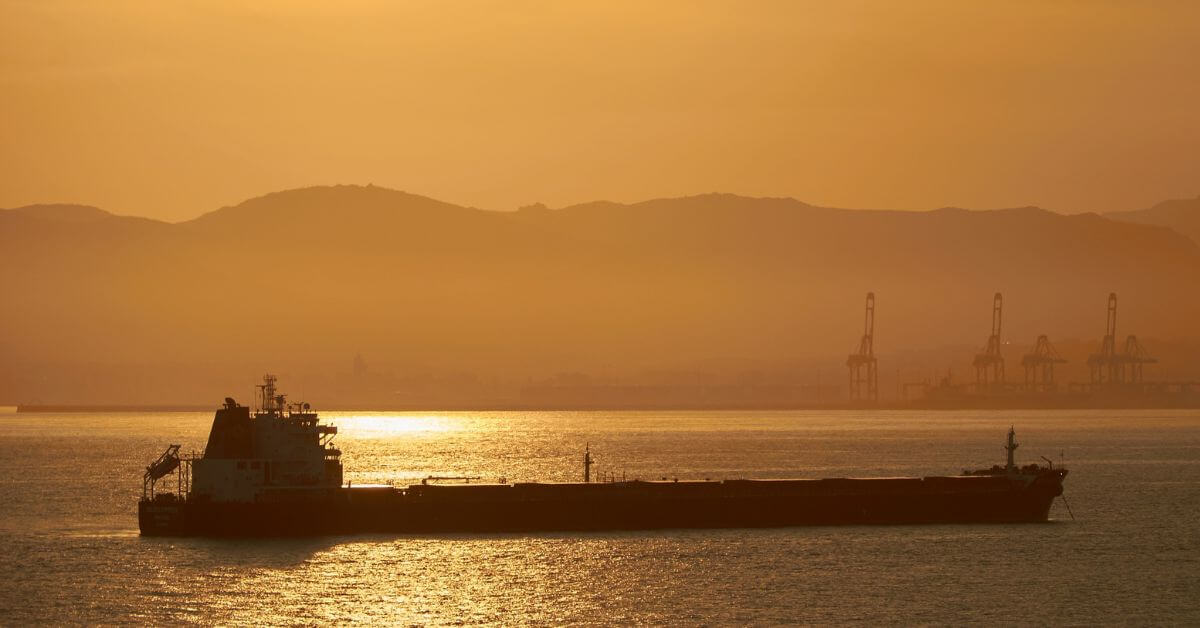
Strait of Hormuz Incident Raises Concerns Over Maritime Security and Trade.
New tolls and targeted attacks in the Strait of Hormuz are not abstract threats; they are live disruptions to the trade routes that move global energy. Iran's actions against vessels it accuses of bypassing its preferred path introduce a volatile new layer of risk, turning a critical waterway into a flashpoint. This escalation demands measured, empirical observation.

Grain Shipments Stalled: 70 Vessels Await Danube Canal Access
Seventy vessels sit idle near the Sulina Canal, their holds empty as grain shipments stall at Ukrainian ports. This bottleneck is more than a logistical snag; it is a measurable disruption to global food supply chains. The wait underscores how fragile export routes remain under persistent threat. For context on the broader pattern, our related coverage in "Fatal Attack on Cargo Ship Highlights Black Sea Shipping Risks" outlines the human and operational costs already incurred. Reliable passage is not a given.

Extended Deployment: Abraham Lincoln Carrier Highlights Naval Endurance at Sea
The Abraham Lincoln's extended deployment underscores the US Navy's capacity for endurance when strategic demands require it. While six to nine months is the standard, conflict-driven extensions are a calculated reality, not a failure of planning. This is maritime persistence measured in readiness, not rhetoric. For broader context on regional pressure points, our related piece on Gulf of Oman STS transfers outlines how operational tempo shifts elsewhere. The carrier's longevity at sea remains a practical demonstration of sustained naval power.

Attacks Target Key Ukrainian Black Sea Port Infrastructure.
Russia's latest strikes on Ukrainian Black Sea port infrastructure, including Pivdennyi and Odesa, along with fuel storage at Chornomorsk, underscore a deliberate strategy to disrupt maritime export capacity. These are not incidental hits; they are calibrated pressure on a critical economic artery. The pattern echoes broader efforts to constrain Ukraine's access to global markets, as seen in our related piece, "Russia Calibrates Export Revenue for Northern Sea Route Icebreaker Fleet." For now, the resilience of these ports remains the counterweight to Moscow's campaign.

Iran Enforces Transit Rules in Strait of Hormuz, Threatens Fines and Detentions
Iran's Ports and Maritime Organization now threatens fines and detentions for ships bypassing transit rules in the Strait of Hormuz, extending scrutiny to vessels linked with those already on its Non-Compliant Vessels list. The move tightens a choke point already strained by regional oil flows. Enforcement here is measured, but the message is clear: compliance is not optional. For broader context, our related piece on Gulf of Oman STS transfers shows how pressure is building across nearby shipping lanes.

Shipping Traffic in Strait of Hormuz Declines Amid Geopolitical Tensions
Tracking shipping through the Strait of Hormuz has become a sharper exercise in reading the gaps. Recent data shows a decline in transiting vessels, but the figures carry a caveat: some ships have switched off their transponders while crossing this critical waterway. That means the true volume is likely higher than reported, a reminder that geopolitical tension distorts even our most reliable metrics.

Connecting Inland Rivers: China's Pinglu Canal Project Advances.
Guangxi's Pinglu Canal is set to open, and with it comes a direct line from inland rivers to the sea. This is infrastructure with a purpose: it shortens routes, cuts logistics costs, and ties southern China more tightly to global trade flows. The project is a practical step toward integrated river-sea connectivity, not a symbolic one. For readers tracking regional shifts, our coverage of record port activity reflects the same momentum.

Shipbuilding Orders Surge, Signaling Accelerated Maritime Growth.
The global shipbuilding orderbook is climbing at a 27% year-on-year rate, the fastest pace since the 2008 financial crisis. That is a decisive signal, not a blip. It points to a maritime sector gearing up for sustained demand, likely tied to fleet renewal and shifting trade routes. We read this as a measured vote of confidence in ocean commerce's trajectory.

Maritime Trade Under Scrutiny: Singapore Authorities Intervene in Suspected Fuel Deal
Maritime Trade Under Scrutiny: Singapore Authorities Intervene in Suspected Fuel Deal Singapore's Police Coast Guard officers arrested nine men, aged 25 to 54, during a check on a tugboat in waters off Tuas, where a suspected fuel deal drew official attention. The intervention underscores the quiet vigilance required to keep maritime commerce credible. Enforcement actions like this matter because they protect the integrity of trade routes that depend on trust.

Empowering Filipino Seafarers with Green Energy Training for a Sustainable Future
On Aug. 17, a groundbreaking ceremony marked the unveiling of a new facility dedicated to empowering Filipino seafarers with green energy training, accredited by MARINA. This initiative responds to a clear need: equipping the maritime workforce with validated, forward-looking skills for a sustainable industry. Basic and advanced programs will anchor this effort, ensuring measurable competence. It is a purposeful step toward integrating environmental responsibility into seafaring. For broader context on maritime infrastructure growth, see our coverage of Paradip Port Designated a Mega Port.

Shifting Shipping Patterns: Omani Route Gains Prominence Through Strait.
A month ago, the Omani route saw almost no commercial traffic. Now, it is gaining prominence through the Strait, a shift that speaks to how quickly maritime dynamics can change. Kpler's data makes the pivot measurable, and that matters. This is not speculation; it is empirical movement. For deeper context on the pressure building in these waters, our piece on Gulf of Oman STS Transfers Max Out Amid Rising Saudi Oil Exports tracks the capacity constraints driving such realignments.

Fatal Attack on Bulk Carrier Highlights Strait of Hormuz Risks
The Strait of Hormuz claimed another life on August 17, when an attack on the Liberian-flagged bulk carrier Minoan Dignity killed a seafarer transiting the waterway. This is not an abstract statistic; it is a tangible cost of escalating risk in a passage that underpins global energy flows. The loss underscores how precarious maritime security has become.