United States
54 stories filed under United States on World Data Ocean. The newest of them: “Diplomatic Talks Test Conditions for Reopening the Strait of Hormuz”, “Tracking the nations with the largest share of historical CO₂ emissions”, and “China's electric vehicle acceleration offers measurable data for global climate indicators”. Diplomatic talks on reopening the Strait of Hormuz remain stalled, with Washington and Tehran locked over sanctions, regional hostilities, and Iran's nuclear programme. A small number of nations account for the vast majority of historical CO₂ emissions. A Global Hub for Ocean Intelligence 4 World Data Ocean is a centralized digital platform where researchers, scientists, and ocean enthusiasts converge to… The list below is every United States story on World Data Ocean, newest first.
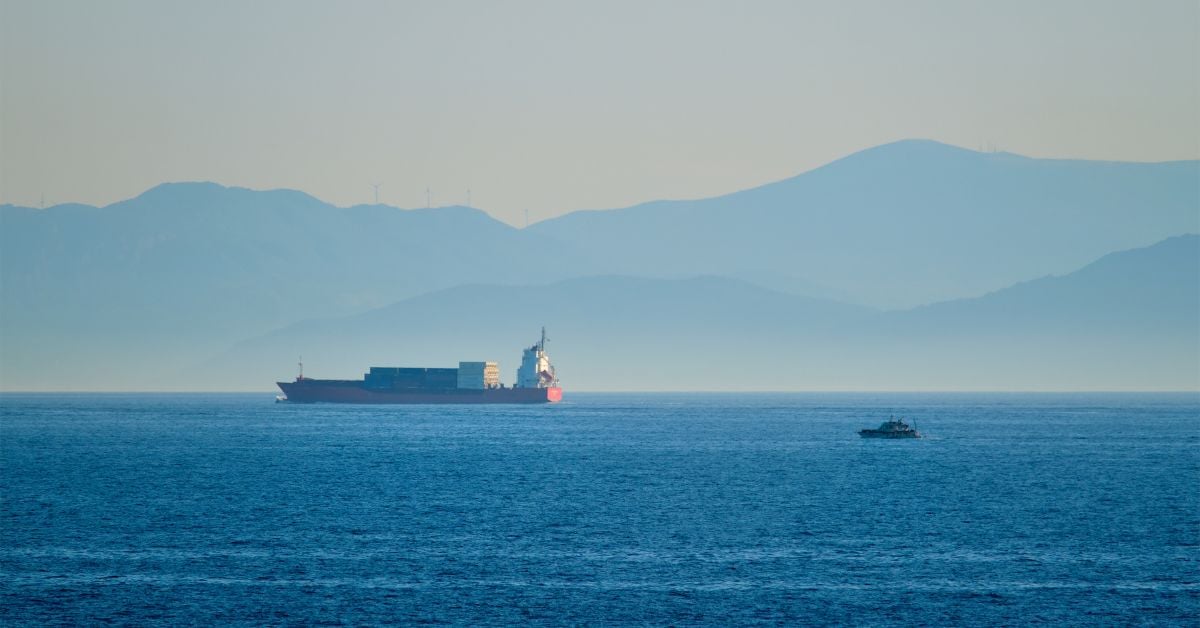
Diplomatic Talks Test Conditions for Reopening the Strait of Hormuz
Diplomatic talks on reopening the Strait of Hormuz remain stalled, with Washington and Tehran locked over sanctions, regional hostilities, and Iran's nuclear programme. These test conditions demand calibrated, empirically grounded negotiation, not alarmist posturing. Measurable progress on security guarantees and validated compliance mechanisms could unlock a pathway. For context on maritime security dynamics, see our coverage of the French frigate Languedoc neutralizing an airborne threat in the Bab el-Mandeb Strait. Understanding drives protection, and shared ocean intelligence is essential here.
Tracking the nations with the largest share of historical CO₂ emissions
A small number of nations account for the vast majority of historical CO₂ emissions. The United States leads, followed by the broader European Union and China, yet cumulative responsibility looks very different from annual rankings. This distinction matters for climate equity. Understanding these validated, empirical differences in contribution is essential for calibrating global action. For a complementary perspective on how economic pressures reshape regions, see our related piece on uneven house price surges across EU member states.
China's electric vehicle acceleration offers measurable data for global climate indicators
China's electric vehicle adoption is accelerating faster than in the European Union or the United States, providing validated, real-world data for global climate indicators. This measurable shift demonstrates how policy and innovation can align to reduce emissions at scale. For deeper context on the nations that have shaped our carbon legacy, see our related analysis, "Tracking the nations with the largest share of historical CO₂ emissions." Understanding these trajectories is essential for informed ocean stewardship.
Postwar fertility trends reveal a measurable shift in US population dynamics
The baby boom was not a gentle rise, it was a sharp, measurable surge in US fertility, a demographic pulse still shaping our population today. Understanding these postwar shifts is essential, because population trajectories directly influence climate indicators. For deeper context, see our related article on divergent population paths reshaping global climate indicators. Validated data turns historical patterns into actionable ocean intelligence.
US healthcare spending per capita leads G7 nations without leading outcomes
The United States spends more per capita on healthcare than any other G7 nation, yet its health outcomes do not lead the group. This is a measurable, empirical disconnect that demands scrutiny. Higher spending does not automatically translate to better results, and understanding why is essential. Our related coverage on how two centuries of uneven growth have shaped today's global inequality offers a broader context for these kinds of systemic disparities. The data compels us to ask harder questions.
Divergent population trajectories reshape global climate indicators
India, China, Europe, and the United States are charting profoundly different demographic futures, and these divergent population trajectories are reshaping global climate indicators. As some nations age and others grow, the pressure on resources and emissions shifts in measurable ways. Understanding these calibrated, real-time changes is essential. For deeper context, our piece on the aging global population doubling by mid-century explores how these demographic shifts are reshaping coastal systems.
Measurable shift in homophobic attitudes across Western Europe and US
A measurable shift is underway: homophobic attitudes have fallen across Western Europe and the United States, according to Our World in Data. This is not a marginal trend but a calibrated, empirical change in social climate indicators. Understanding drives protection, and these longitudinal data validate that societal progress is real. For deeper context on how empirical research itself is being reshaped, see our related coverage on AI compute doubling every six months.
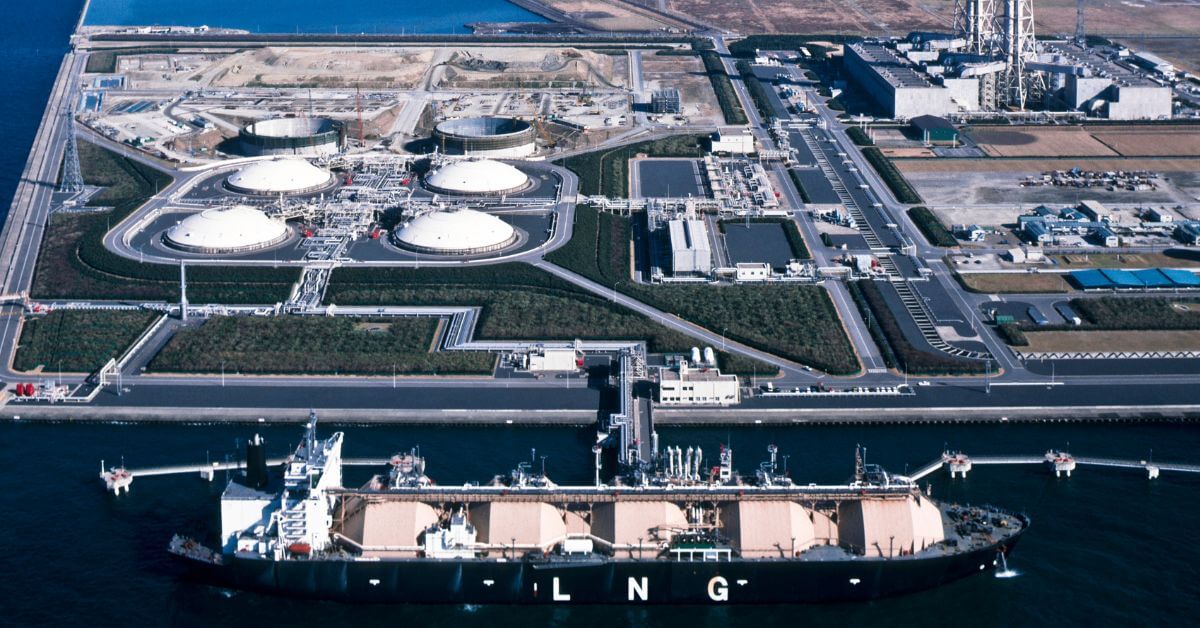
$200B Korean investment anchors new US nuclear capacity and LNG export corridor
A $200 billion Korean investment is set to anchor new nuclear capacity and an LNG export corridor in the United States, adding measurable power generation while supporting future exports to Asian markets. This is a calibrated move, longitudinal in its implications for energy security and climate indicators. It reflects integrated, forward-thinking collaboration on a global scale. For deeper context, see our coverage of phased negotiations to ease Strait of Hormuz restrictions.
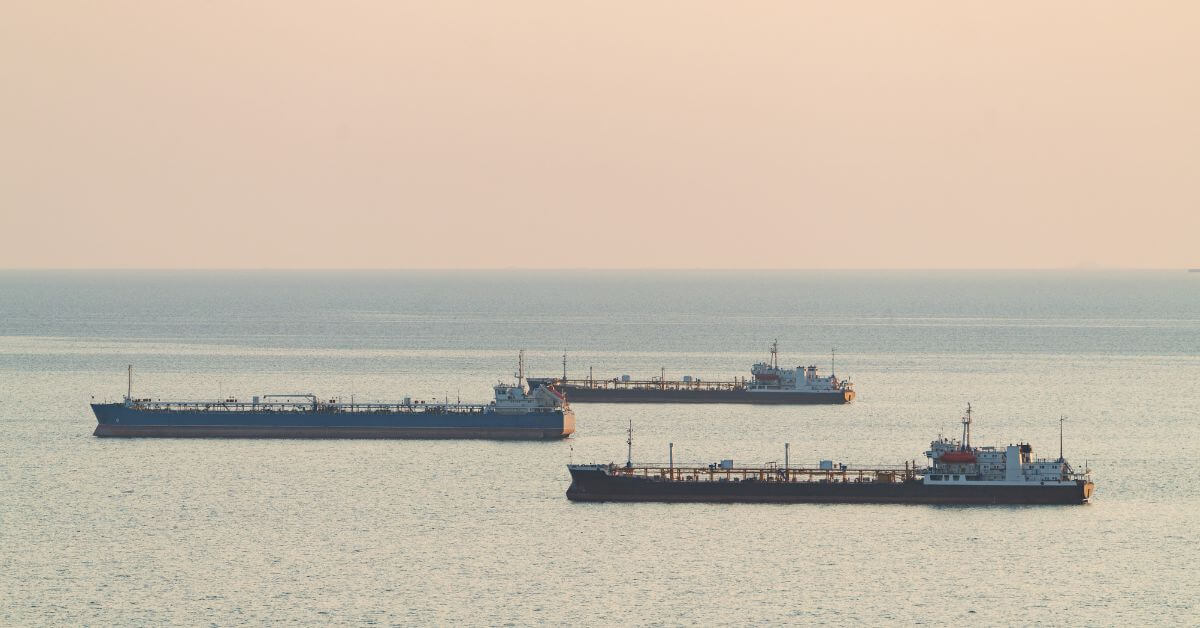
Six million barrels of Iranian crude cross Atlantic under US authority
Six million barrels of Iranian crude, valued at roughly $600 million, are now crossing the Atlantic under U.S. authority, after three tankers were seized. This is a calibrated assertion of maritime jurisdiction, not a provocation. The movement underscores how ocean intelligence and legal frameworks intersect in real-time geopolitical operations. For context on regional tensions, see our coverage of the second U.S. underwater drone reportedly seized in the Strait of Hormuz. Understanding these patterns drives protection of shared marine interests.
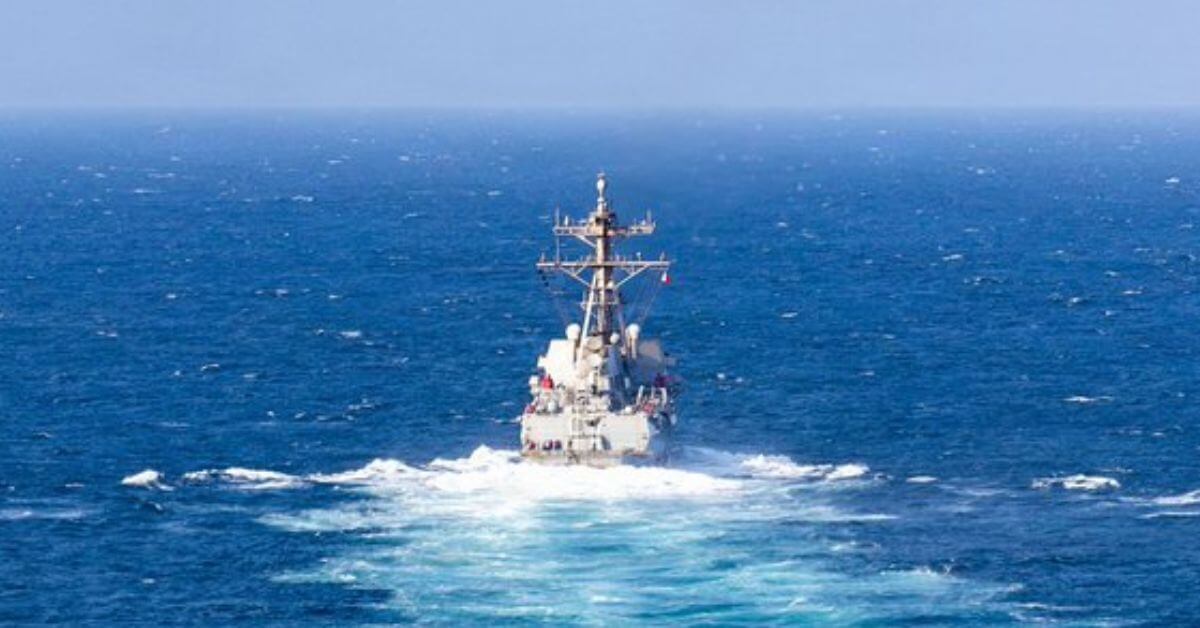
Phased Negotiations Aim to Ease Restrictions on Strait of Hormuz
The United States and Iran are now discussing a phased deal that could reopen the Strait of Hormuz and lift the US economic blockade. This is measured, incremental diplomacy, and that is precisely why it deserves attention. A full reopening would stabilize a shipping lane the entire world depends on. For readers tracking the region's momentum, our related coverage on Gulf of Oman STS transfers shows how strained the system has become. The path forward is narrow, but it is finally being walked.
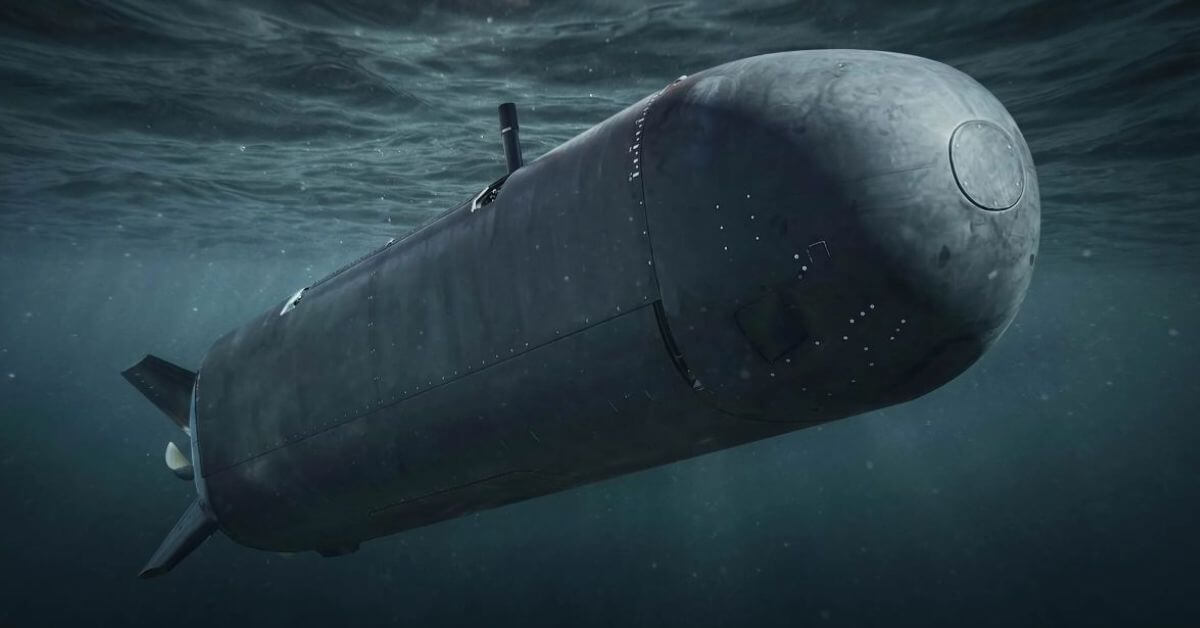
Autonomous Vessel Demonstrates Advanced Torpedo Deployment Capability
For the first time, Britain and the United States have test-fired a torpedo from an uncrewed underwater vessel, marking a calibrated step in maritime defense. The demonstration validates the integration of autonomous systems into complex operational roles, shifting the focus from concept to empirical capability. This is not about spectacle; it is about measurable progress in how we deploy ocean intelligence.

Yellowstone's Eruption Sequence: Monitoring Volcanic Activity and Potential Impacts
Yellowstone's next super-eruption would not catch us off guard. Weeks of escalating unrest, swarming earthquakes, rapid ground uplift, shifting geyser patterns, and rising gas emissions, would precede any cataclysm. In a worst-case VEI 8 event, ash would blast tens of kilometers skyward, pyroclastic flows would incinerate the landscape, and much of North America's infrastructure could grind to a halt. It is a sobering forecast, but one grounded in measurable, peer-reviewed monitoring.
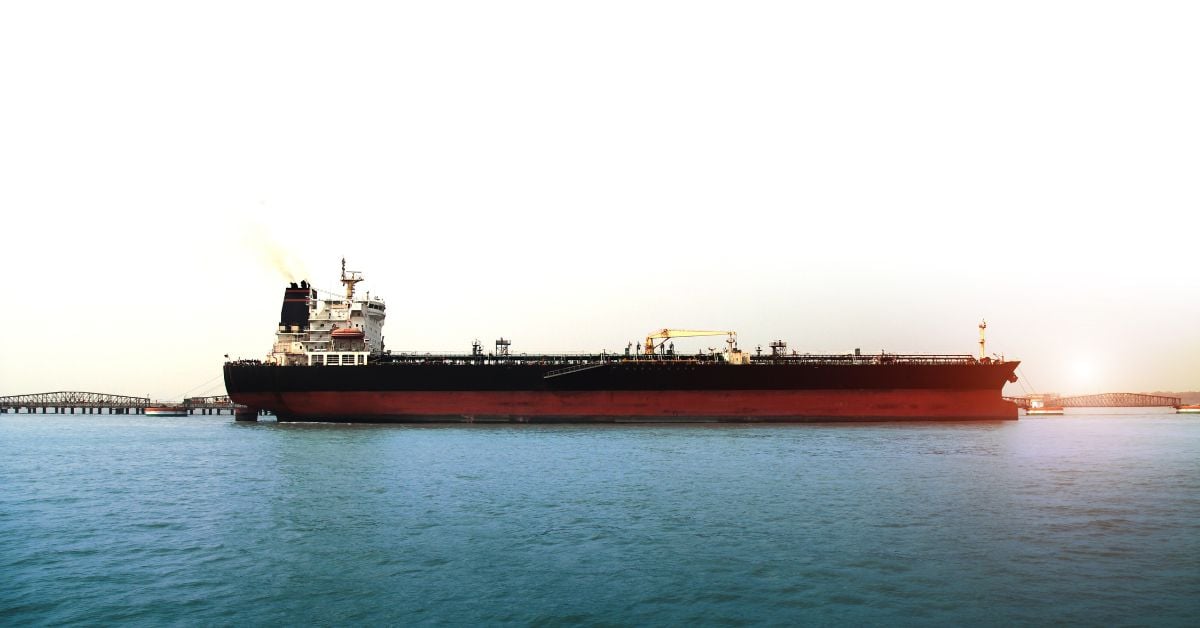
Strait of Hormuz: Conflicting Reports of Vessel Detentions Raise Tensions.
The Strait of Hormuz is once again a flashpoint, with the UKMTO flagging a separate incident involving a vessel in its waters. Conflicting reports of detentions are doing little to calm a region already bracing for disruption. These are not abstract metrics; they are real-world friction with global consequences. The situation demands precise, empirical monitoring, not alarmism.
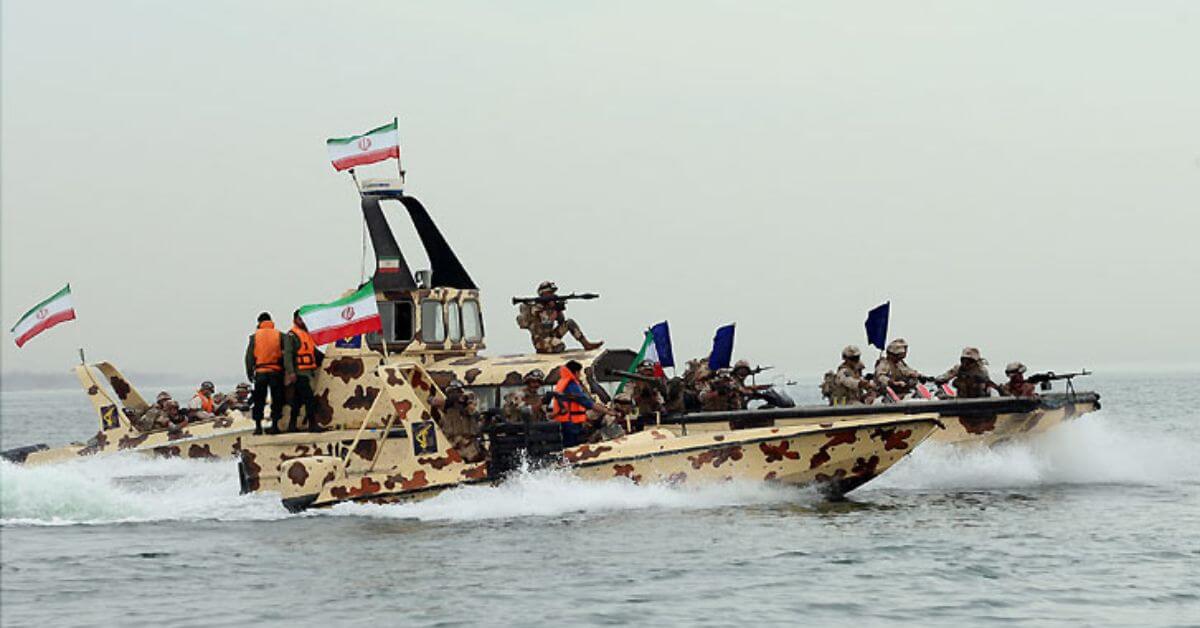
US Navy Responds to Iranian Attempt to Intercept Autonomous Saildrone.
The US Navy's response to an Iranian attempt to intercept one of its autonomous Saildrone vessels underscores a quiet but firm escalation in maritime competition. At roughly 25 feet, this uncrewed craft operates alone, yet its presence clearly signals strategic intent. This is measured deterrence, not provocation. The Navy's growing reliance on such platforms aligns with its broader push to integrate robotic systems, a move that also echoes in the Indian Navy's fleet projections.
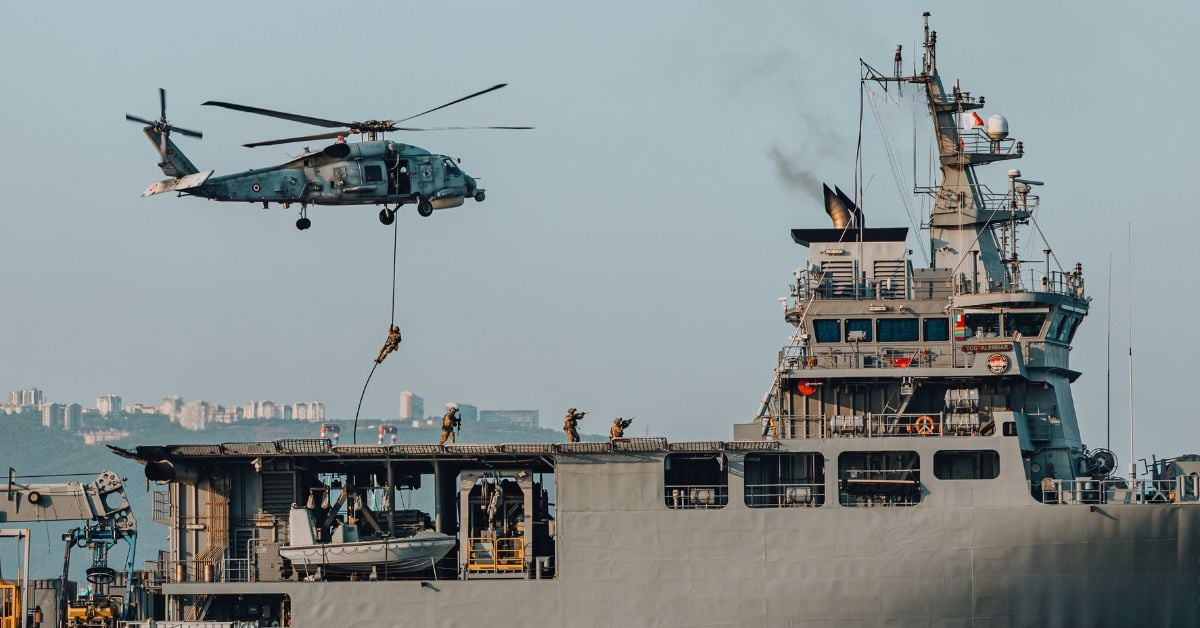
Simulated Drills Assess Maritime Defense Strategies in the South China Sea
A bilateral naval exercise in the South China Sea has put simulated Chinese People's Liberation Army Navy formations at the center of a realistic defense drill. Both nations calibrated these scenarios to test maritime strategies for protecting Manila's territorial waters. Such empirical, peer-reviewed training sharpens readiness without alarmism. Understanding drives protection. For deeper insight into regional security dynamics, see our coverage of phased negotiations aimed at easing restrictions on the Strait of Hormuz.
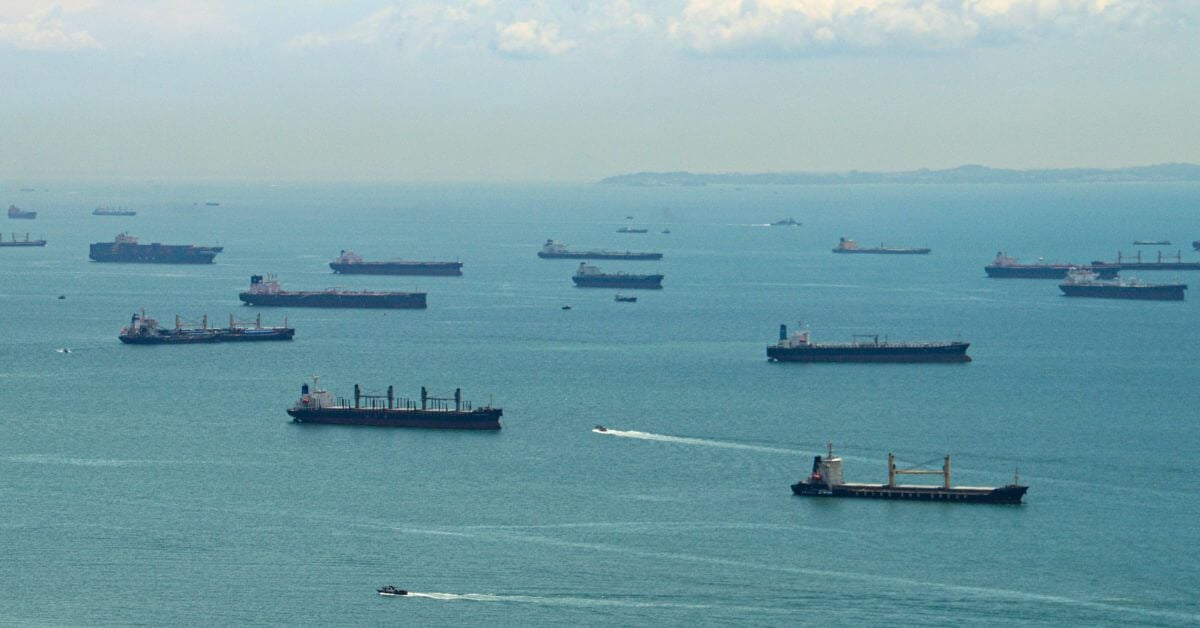
Escalation in Strait of Hormuz: Maritime Traffic Disrupted by Reported Attacks
Reports of multiple merchant vessels struck in the northern Gulf and Gulf of Oman signal a dangerous escalation in the Strait of Hormuz. Maritime traffic is now disrupted, and the immediate consequences for global energy flows are measurable. This is not a moment for alarmist speculation, but for empirical observation. For deeper analysis on regional capacity pressures, readers may consult our related report on Gulf of Oman STS transfers maxing out amid rising Saudi oil exports.
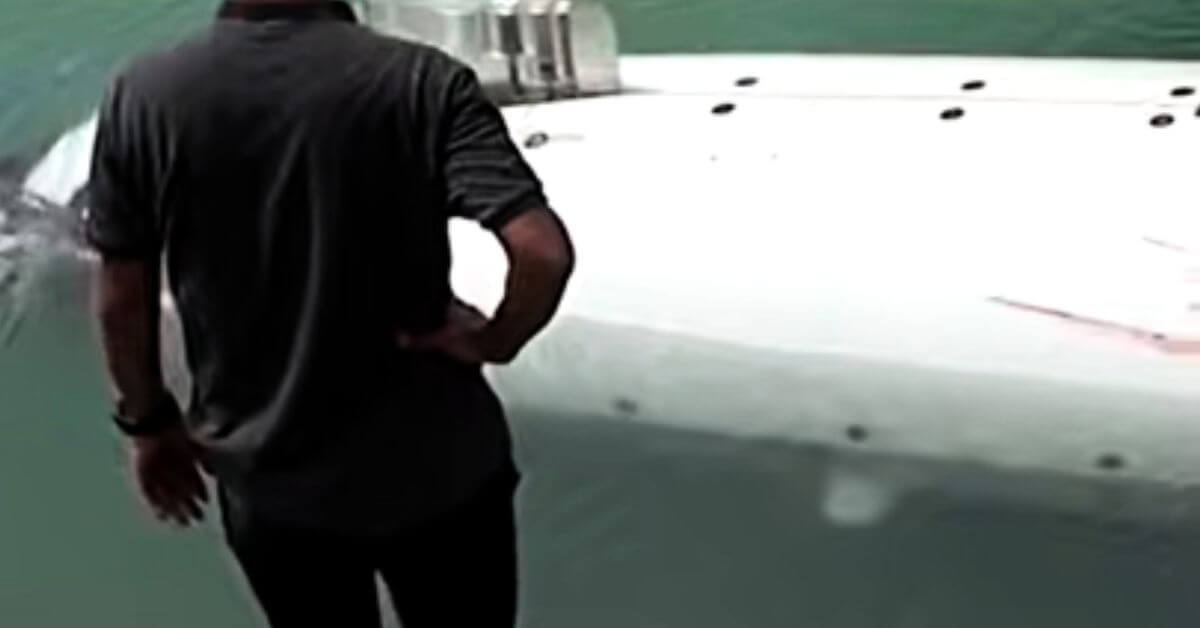
Iranian Forces Recover Advanced U.S. Unmanned Submarine in Hormuz.
Iranian forces have recovered an advanced U.S. unmanned submarine in the Strait of Hormuz, claiming the drone was added to the American fleet in 2025. The IRGC released video footage it says shows the craft. This incident unfolds against a backdrop of heightened maritime tension. For broader context on regional shipping pressures, our coverage of "Phased Negotiations Aim to Ease Restrictions on Strait of Hormuz" examines diplomatic efforts to restore navigation through this critical chokepoint.
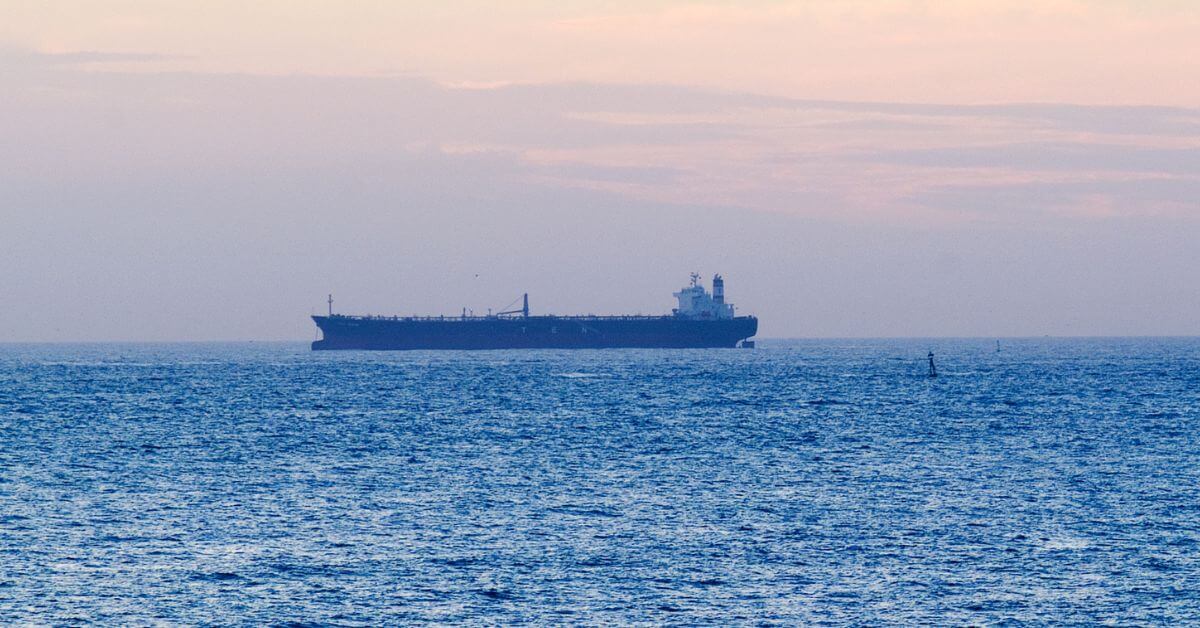
Strait of Hormuz Attack: Incident Highlights Regional Maritime Risks
Two Filipino crew members were killed in the attack on a Bahri vessel near the Strait of Hormuz. This is not an isolated incident; it is a measurable data point in a region where maritime risks are escalating. The human cost is validated by empirical reports from Saudi Arabia's shipping company. Understanding these threats drives protection of global trade routes. For deeper context, our article "Gulf of Oman STS Transfers Max Out Amid Rising Saudi Oil Exports" examines related capacity pressures.
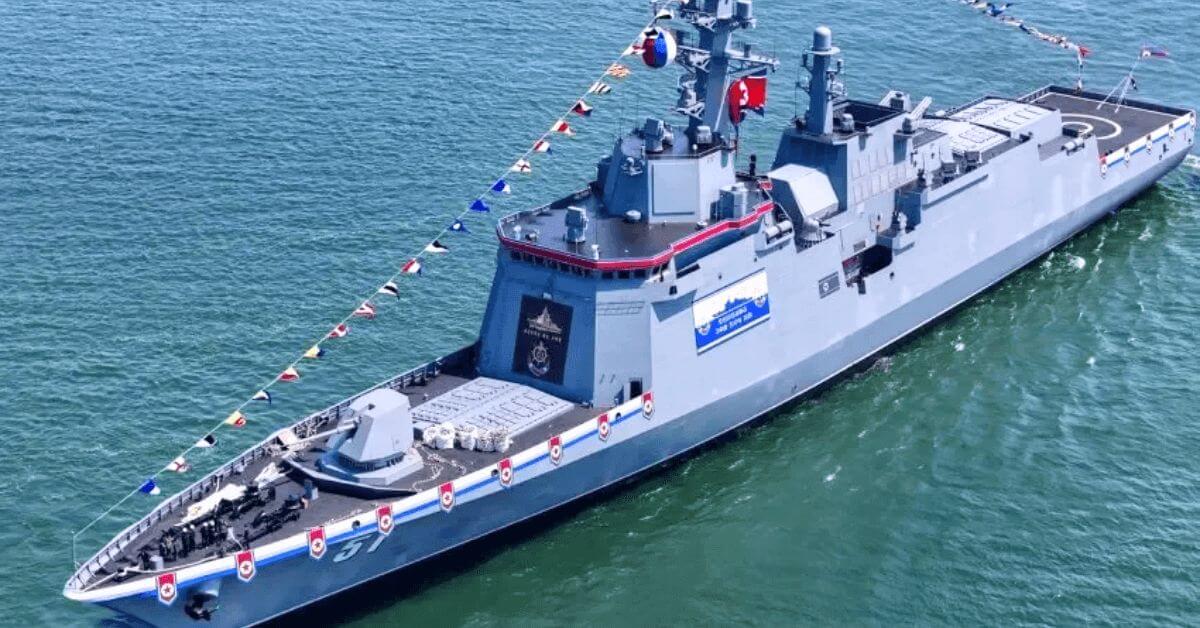
North Korea Launches Nuclear-Capable Destroyer Amidst Military Exercises
North Korea commissioned a nuclear-capable destroyer just as the United States, South Korea, and Japan prepared to launch their five-day Freedom Edge exercise. The timing is deliberate, a signal of resolve that widens an already tense maritime theater. Warships are political statements, and this one speaks clearly. For a fuller picture of regional naval competition, see our piece on India's projected fleet expansion. Understanding these moves matters; the ocean is where deterrence meets diplomacy.
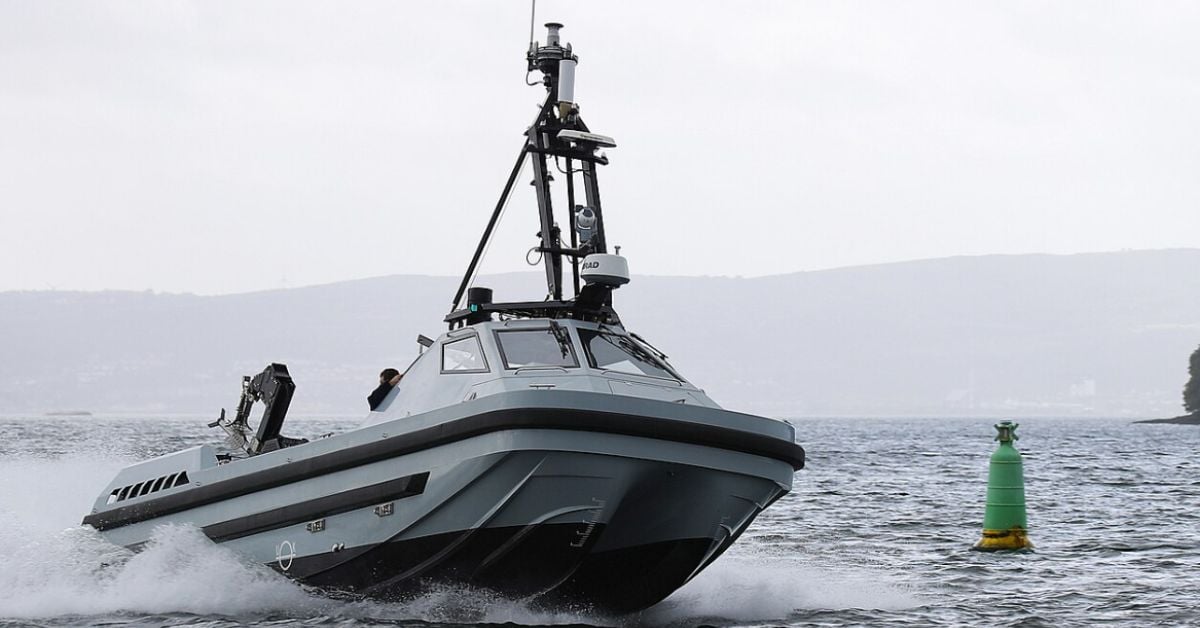
Disputed Incident: Iran Claims Attack on U.S. Unmanned Vessel in Hormuz.
Iran's claim that it attacked an unmanned U.S. vessel in the Strait of Hormuz marks another calculated escalation in a waterway already strained by maximum-capacity oil transfers. The move, framed as a response to a vessel entering a restricted area, underscores how quickly regional tensions can tip into direct confrontation. For a region where phased negotiations and multilateral pressure are already in play, this incident adds a volatile new variable.
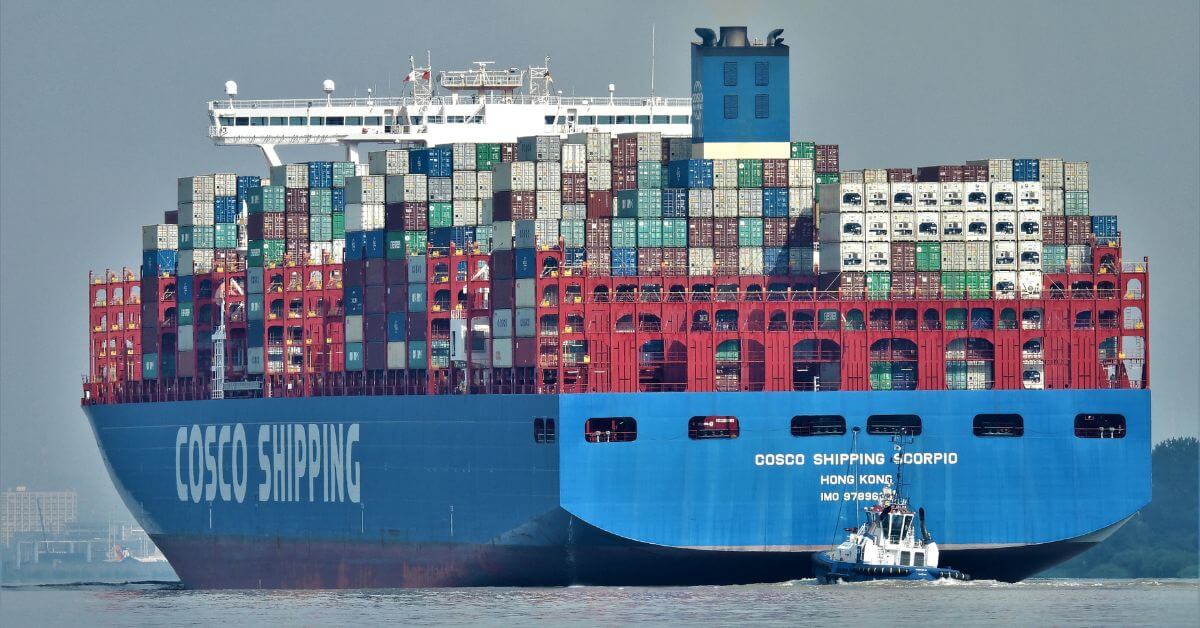
COSCO Rejects U.S. Claims of Espionage via Shipping Vessels
COSCO has firmly rejected U.S. accusations that its vessels collected military intelligence for Beijing, calling the claims unfounded. The denial cuts through a narrative that risks conflating legitimate global commerce with espionage, a distinction that matters for the rule-based shipping lanes the world depends on. Allegations without peer-reviewed evidence weaken trust, and trust is the ballast of maritime stability.
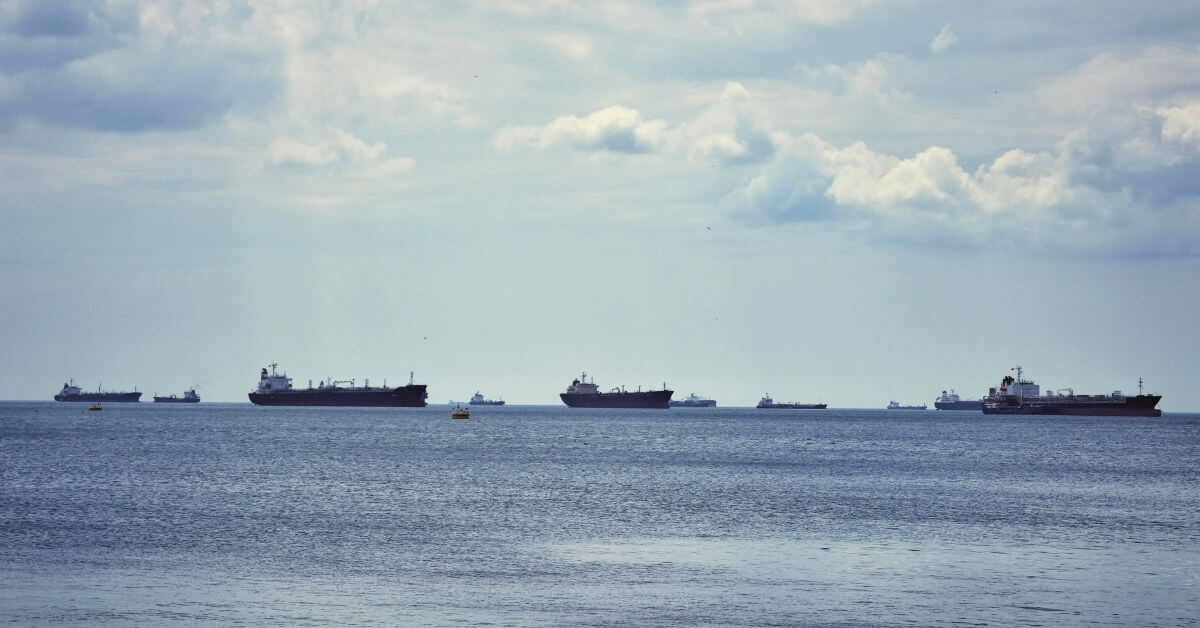
Maritime Traffic Shifts: Iran Intercepts Vessels Near Strait of Hormuz.
The Strait of Hormuz has become a chokepoint under pressure, with more than 1,500 oil tankers and 1,700 commercial vessels transiting the designated route before the war began in January 2026. Now, Iran's interceptions of vessels near these waters signal a hardening reality. This is not alarmism; it is measured observation. Disruptions here carry global consequences, and understanding the pattern matters. For broader context, our related piece on Gulf of Oman STS transfers offers a useful lens on how regional capacity is straining.
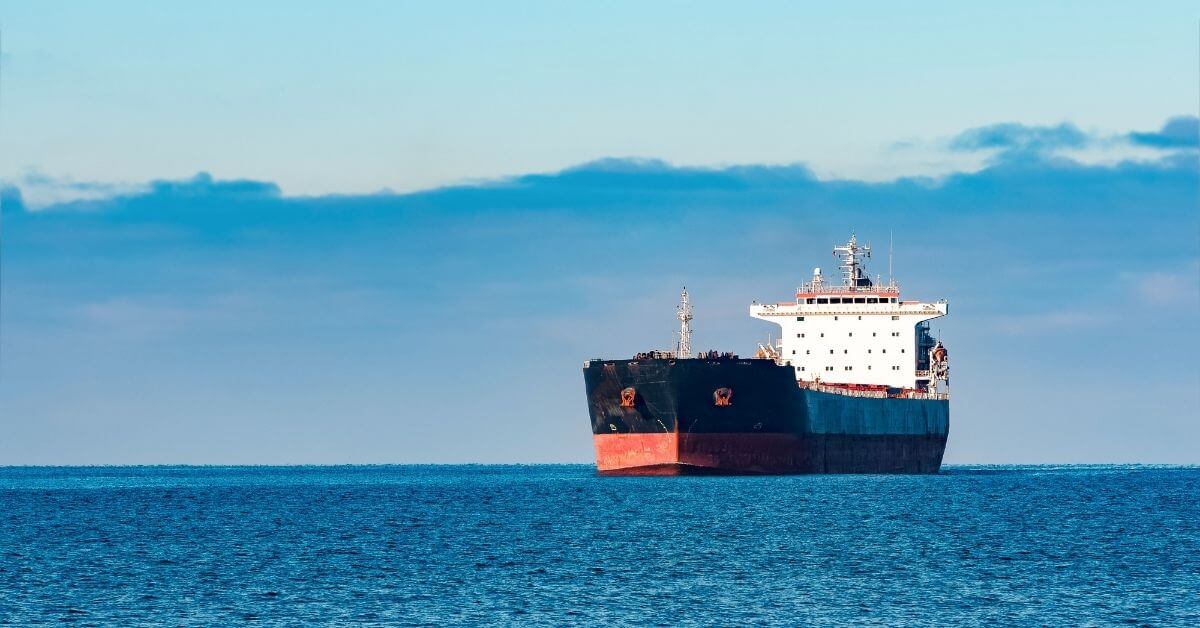
Escalating Tensions: Iran Condemns New Sanctions Amid Strait of Hormuz Discussions
Iran's designation of the new U.S. sanctions as "economic terrorism" sharpens a confrontation with direct consequences for civilian welfare across the region. The measures, as framed by Tehran, place the health and livelihoods of millions in a precarious balance, and that framing demands attention. This is not abstract geopolitics; it is a tangible pressure point with human cost.
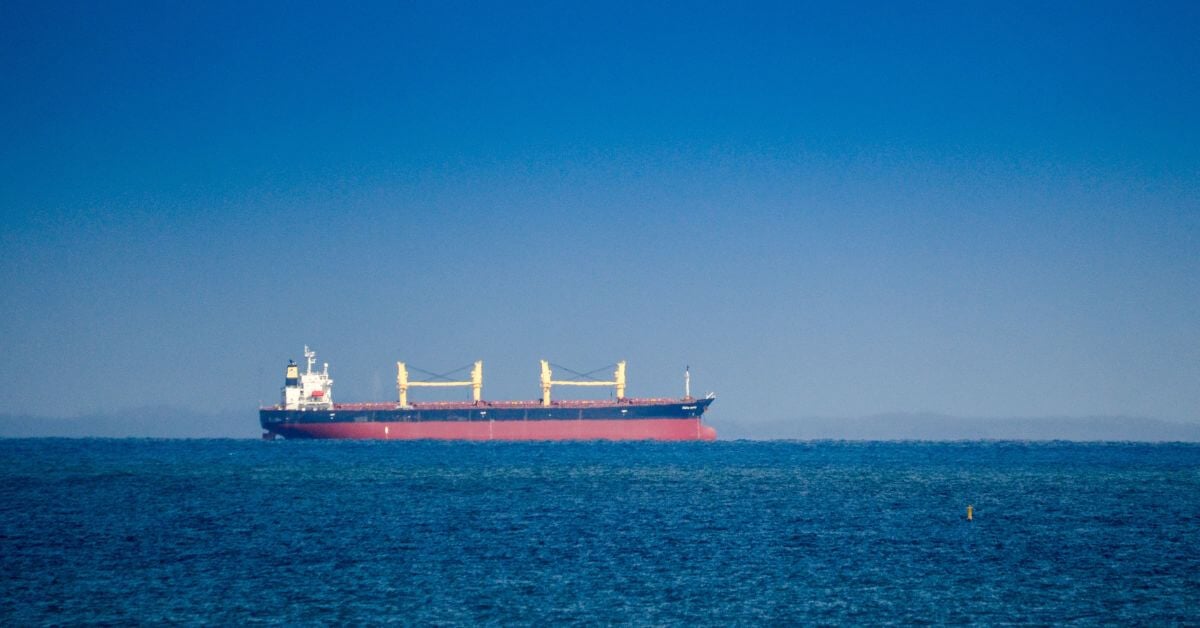
Maritime Traffic and Revenue Sharing Agreement Reached Between Iran and Oman.
Iran and Oman have reached a maritime traffic and revenue sharing agreement, a practical step toward regional coordination. Yet commercial shipping continues to face genuine risk in these waters, even as direct US-Iran hostilities have cooled in recent weeks. We view this pact as a measured, useful move, but not a cure-all. For context on the broader pressures, our related piece on Gulf of Oman STS transfers maxing out shows how strained regional logistics have become. Understanding drives protection.