United States
54 stories filed under United States on World Data Ocean. The newest of them: “Strait of Hormuz Incident Raises Concerns Over Maritime Security and Trade.”, “Joint Navigation Corridor Proposed to Enhance Strait of Hormuz Transit”, and “Iran Implements Transit Fees for Ships Through Strait of Hormuz”. New tolls and targeted attacks in the Strait of Hormuz are not abstract threats; they are live disruptions to the trade routes that move global energy. A joint navigation corridor through the Strait of Hormuz offers a practical path forward, pairing immediate transit security with a coordinated mine-clearing effort. A Global Hub for Ocean Intelligence 4 World Data Ocean is a centralized digital platform where researchers, scientists, and ocean enthusiasts converge to… The list below is every United States story on World Data Ocean, newest first.
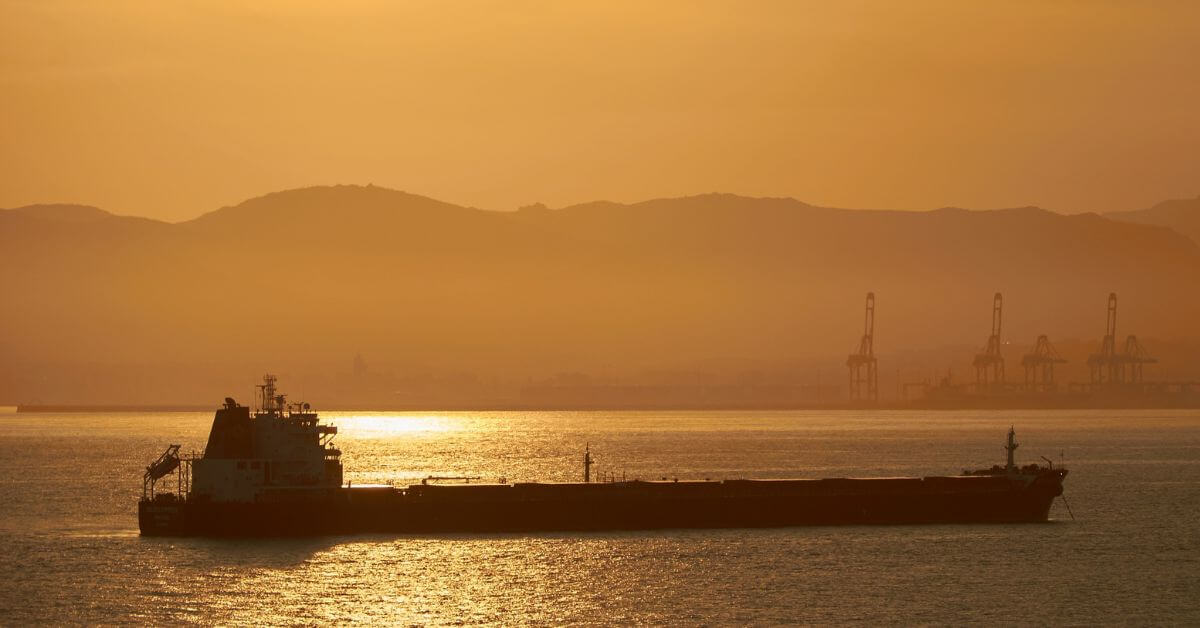
Strait of Hormuz Incident Raises Concerns Over Maritime Security and Trade.
New tolls and targeted attacks in the Strait of Hormuz are not abstract threats; they are live disruptions to the trade routes that move global energy. Iran's actions against vessels it accuses of bypassing its preferred path introduce a volatile new layer of risk, turning a critical waterway into a flashpoint. This escalation demands measured, empirical observation.

Joint Navigation Corridor Proposed to Enhance Strait of Hormuz Transit
A joint navigation corridor through the Strait of Hormuz offers a practical path forward, pairing immediate transit security with a coordinated mine-clearing effort. The proposal is measured and specific, which is what makes it credible. It treats the waterway not as a symbol, but as a system that can be stabilized through deliberate, shared action. For readers tracking the region's pressure points, our related coverage on Gulf of Oman STS transfers provides useful context on how commercial traffic is already adapting to constraints.

Iran Implements Transit Fees for Ships Through Strait of Hormuz
Iran's decision to impose transit fees on ships passing through the Strait of Hormuz introduces a calibrated layer of accountability to one of the world's most vital maritime corridors. Covering navigation, environmental support, fuel supply under specific conditions, and insurance, the measure frames safety as a service with measurable value. It is a pragmatic step, though one that warrants close observation. For broader context on regional shipping pressures, our related coverage of Gulf of Oman STS transfers offers useful perspective.

Naval Shift: George Washington Arrives as Lincoln Deployment Concludes
The turnover of crews is a constant in naval operations, but the conclusion of the *Lincoln*'s deployment carries a weight that extends beyond routine rotation. It lands as families raise valid questions about life aboard, and those concerns merit more than standard assurances. The arrival of the *George Washington* provides operational continuity, yet it also signals a moment to listen. For deeper context on how the Navy is modernizing its approach, our piece on autonomous systems integration offers a relevant perspective.

Australia Advances AUKUS Submarine Program with New Shipyard Construction
The Henderson shipyard's new construction phase marks a deliberate step in Australia's 20-year commitment to host nuclear-powered attack submarines. This is infrastructure built for the long haul, not a headline. The project's value lies in its patience and precision, turning a West Australian port into a credible maintenance hub. For readers tracking maritime logistics, our coverage of the bulk carrier freed near Gladstone reminds us that Australian waters demand both advanced capability and practical resilience. This program answers that demand with measured intent.

Iran Asserting Control Over Vital Strait of Hormuz Passage
Iran's assertion that it manages and controls the Strait of Hormuz is a statement of strategic fact, not posturing. For a nation whose economy and security are tied to the waterway, claiming this position is both logical and consequential. The strait's role as a global energy artery makes such declarations inherently significant, and we should treat them with the gravity they demand. For broader context on regional shipping pressures, our coverage of Gulf of Oman STS transfers offers a useful parallel.

Navigating Geopolitics: ADNOC Facilitates Iraqi Oil Transit Through Hormuz.
Amid heightened Strait of Hormuz tensions, ADNOC has distinguished itself as one of the Gulf's most effective producers at moving crude through the critical chokepoint. Its operational discipline underscores how logistical reliability becomes a geopolitical asset. The company's facilitation of Iraqi oil transit reflects a measured, collaborative approach to regional energy flows. For context on how nearby routes are straining, our piece on Gulf of Oman STS transfers shows capacity limits rising. This is pragmatic leadership, not posturing.

Geopolitical Tensions Mount: Strait of Hormuz Control Disputed.
The Strait of Hormuz remains a flashpoint, with Iran holding the waterway's reopening hostage to unmet US demands. This is not posturing; it is a calculated standoff with global energy implications. The pressure is measurable, and the stakes are empirical. For deeper context on how such tensions shape regional flows, our piece on "Gulf of Oman STS Transfers Max Out Amid Rising Saudi Oil Exports" offers a related view. The channel's status is not a given; it is a condition under negotiation.

Deep-Sea Mining: Navigating Talent, Strategy, and a Shifting Global Landscape
The International Seabed Authority's failure to adopt the Mining Code in 2026, paired with the United States' fast-track domestic permitting, has turned deep-sea mining into an immediate contest. This paper argues that human capital, not capital or technology, will decide the emerging order. China leads on research and policy but lags critically on rule-literate international talent, precisely as the rule-making window narrows. The proposed DSM-TCI index makes this measurable, and the recommended consortium offers a practical path forward.

Iran Links Strait Passage to U.S. Actions, Raising Geopolitical Tensions
Iran's top military official, Rezaei, has tied the Strait of Hormuz's fate directly to U.S. policy, demanding an end to the war and blockade, the release of frozen assets, and a broader regional ceasefire. The linkage sharpens an already volatile maritime standoff, where every action carries measurable consequence. For those tracking the Gulf's pressure points, this is a clear escalation in rhetoric, not just posturing.

Geopolitical Tensions Ease: US and Iran Dialogue Advances in Strait of Hormuz
The Strait of Hormuz remains a flashpoint, yet Tuesday's talks in Tehran signal a measured step toward de-escalation. Iranian Foreign Minister Abbas Araqchi's meeting with Pakistan's Interior Minister Mohsin Naqvi underscores that dialogue, however tentative, is advancing. We view this as a pragmatic move; the region's stability depends on such channels. For context on how pressure is building elsewhere, our piece on Gulf of Oman STS Transfers Max Out Amid Rising Saudi Oil Exports highlights the logistical strains already reshaping tanker traffic.

Naval Deployment Bolsters U.S. Enforcement of Maritime Restrictions in the Middle East
The U.S. Navy's forward deployment in the Middle East sharpens the teeth of maritime enforcement, with CENTCOM confirming warships are now supporting "strict enforcement" of the blockade against Iran. This is measured, calibrated pressure, not saber-rattling. It signals a firm commitment to contested waters where commercial traffic and geopolitical friction converge. For readers tracking the region's fluid energy flows, the adjacent reporting on Gulf of Oman STS transfers offers useful context on how these restrictions ripple through real-time trade routes.

Charting New Maritime Pathways: Iran and Oman Negotiate Hormuz Route.
Iranian Foreign Minister Abbas Araqchi confirmed that a deal with Oman would establish new shipping routes through the Strait of Hormuz once conditions are met. The negotiation signals a practical step toward stabilizing a waterway critical to global energy flows. Diplomatic progress here matters, though implementation will test both sides. For context on how pressure is building in nearby waters, our piece on Gulf of Oman STS transfers offers useful background. Measured agreements are welcome, but the real measure lies in execution.

Iran Imposes Shipping Fees, Restricts U.S. and Israeli Vessels Through Hormuz.
Iran's move to impose shipping fees of up to 7% of cargo value on vessels transiting the Strait of Hormuz, alongside 20% fines for violations, injects a new layer of economic pressure into an already tense maritime corridor. The measure is direct and measurable, a calibrated response that signals resolve without escalating to confrontation. For shippers and insurers, the calculus shifts immediately. This follows patterns seen in our coverage of Gulf of Oman STS transfers, where capacity constraints already test regional logistics.

Protecting Indian Shipping: Union Calls for Naval Presence in Red Sea
The Forward Seamen's Union of India has called on the Modi Government to deploy Navy warships in the Red Sea, a direct response to mounting threats against Indian vessels and the seafarers who crew them. The request is measured and necessary. Protecting commercial routes is not an act of aggression; it is the baseline for stable trade and safer transit. This aligns with broader strategic discussions, including India's planned naval expansion toward a more contested maritime future.

Shipping Route Stability: Iran Maintains Control of Strait of Hormuz.
The pause in fighting has steadied immediate concerns over further military escalation, yet the Strait of Hormuz remains a corridor where stability is measured in transit, not promises. Iran's maintained control here is a decisive factor for global oil flows, and we read this as a calibrated signal rather than a closed chapter. The diplomatic path forward is fragile, but for now, the route holds. For broader context on regional pressure points, our piece on Gulf of Oman STS transfers offers useful perspective.

Mine Strike Damages Tanker in Strait of Hormuz; Shipping Risks Rise
A mine strike has damaged a tanker in the Strait of Hormuz after it left a shipping route designated by Iranian authorities, according to Tasnim. The incident underscores how quickly risk is escalating in a waterway that carries a third of global oil trade. This is not a distant threat; it is a live disruption with immediate consequences for maritime security.

Measured Response: U.S. Calibrates Asset Use for Strait of Hormuz Ship Damages
Sanctions have frozen billions in Iranian assets, with estimates ranging from $24 billion to $100 billion, yet the precise figure remains deliberately imprecise. That ambiguity matters now, as Washington calibrates its use of these holdings to address ship damages near the Strait of Hormuz. The move is measured, not reactionary, and that restraint reflects sound strategy. For readers tracking regional maritime pressure, our related coverage on Gulf of Oman STS transfers maxing out offers useful context.

Chabahar Strike: Iran Accuses U.S. of Committing a War Crime
Iran's assertion that the U.S. deliberately struck a civilian tower in Chabahar carries serious weight, and Esmaeil Baqaei's accusation of a war crime demands scrutiny. Such a targeted action, if confirmed, would mark a dangerous escalation, not just in rhetoric but in legal and humanitarian terms. The claim fits a troubling pattern of aggression that complicates any path to de-escalation. For broader context on the strained U.S.-Iran dynamic, our piece on "Phased Negotiations Aim to Ease Restrictions on Strait of Hormuz" offers a necessary counterpoint.

Tensions Rise as Vessel Fire Reported Near Strait of Hormuz
A fire aboard a vessel near the Strait of Hormuz has escalated tensions as the U.S.-Iran conflict enters its second week, with fresh attacks rippling across the region. The incident underscores how quickly maritime risks compound geopolitical instability. For context, recent reports of Gulf of Oman STS transfers maxing out highlight the strategic pressure on these waters. Reliable, real-time data remains essential for navigating such volatile conditions. Understanding these patterns is not optional; it is the foundation for measured response and resilient decision-making.

Escalation in Jordan, Strait of Hormuz Closure Threatens Global Shipping.
Two US troops killed, one missing, and the Strait of Hormuz transits down to eight vessels a day: the escalation in Jordan signals a sharp turn in an already volatile maritime corridor. These are not abstract metrics. They are calibrated warnings of how quickly regional conflict rewrites global shipping routes. The pressure on tanker movement is measurable, and it demands attention. For deeper context on how such constraints reshape oil flows, our piece on Gulf of Oman STS transfers offers a relevant thread.

Strait of Hormuz Incident Disrupts Key Energy Route; Data Needed.
The Strait of Hormuz, carrying roughly one-fifth of global oil and gas shipments, has become a flashpoint. The disruption here is not just a regional concern; it is a measurable shock to the world's energy calculus. We need validated, real-time data to calibrate the response effectively. Without empirical clarity, we are navigating blind. This incident underscores why integrated ocean intelligence is essential, not optional, for maintaining stability. For broader context on regional pressures, our coverage of Gulf of Oman STS transfers provides a useful baseline.

Escalation Risks: Maritime Chokepoints Face Potential Closures Amid Regional Tensions
A senior Houthi official has now warned that the group stands ready to close the Bab el-Mandeb Strait if Saudi attacks on Yemen persist. That is not a distant contingency; it is a direct escalation risk with immediate consequences for global shipping. Chokepoints are only reliable until they are not, and regional tensions have a way of turning transit lanes into flashpoints. The warning demands attention.

Naval Action: US Disables Tanker in Arabian Gulf, Escalating Tensions.
The U.S. Navy's disablement of a tanker in the Arabian Gulf marks the first publicly confirmed case of a merchant vessel being taken out of action since Washington reinstated its naval blockade on Iran. It is a deliberate, calibrated escalation, not an accident. The move signals that economic pressure has crossed into active maritime enforcement. For readers tracking the diplomatic path forward, our related piece on phased negotiations toward easing Strait of Hormuz restrictions provides essential context.