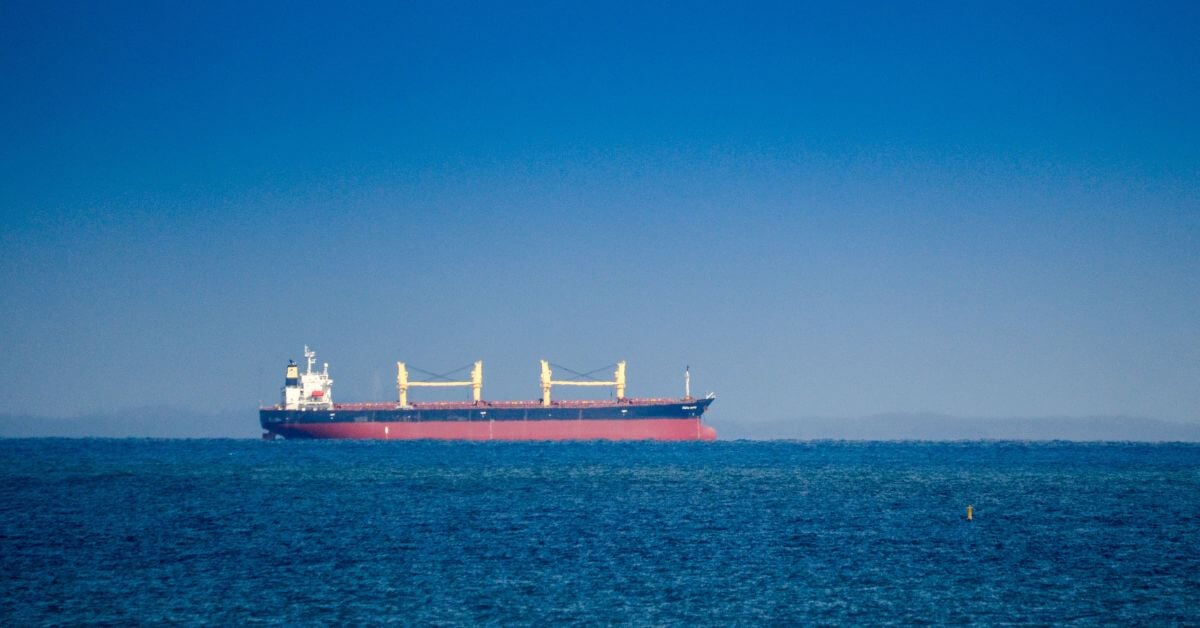
The agreement between Iran and Oman to share revenue from maritime traffic in the Strait of Hormuz is a pragmatic response to a persistent reality: commercial shipping remains exposed, even as active hostilities ease. This is not a return to normalcy, but an attempt to manage a fragile status quo. For the operators, insurers, and crews moving crude and goods through that chokepoint, the deal is a signal that the immediate threat of direct conflict has receded, but the underlying risks of miscalculation, harassment, or secondary conflict have not disappeared. It is a step toward predictability, not a guarantee of safety.
The timing is telling. This arrangement follows reports that Gulf of Oman STS Transfers Max Out Amid Rising Saudi Oil Exports, a sign that the market has already adapted to constrained passage by shifting cargoes to ship-to-ship transfers outside the strait. Meanwhile, Phased Negotiations Aim to Ease Restrictions on Strait of Hormuz suggest that diplomatic channels remain open, but the revenue-sharing mechanism between Tehran and Muscat introduces a new variable. It effectively monetizes the strait's continued operation, giving both Iran and Oman a direct stake in keeping the waterway open. That is a practical incentive that could outlast the current talks, but it also raises a hard question: what happens when the next escalation occurs? The deal does not eliminate that risk; it merely prices it.
Our read is that this is less a breakthrough and more a bridge. For readers tracking maritime logistics, the takeaway is concrete: the capacity constraints and rerouting strategies that emerged during the height of the crisis are not reversing quickly. The STS transfers in the Gulf of Oman are a workaround, not a solution, and the revenue-sharing agreement does nothing to address the underlying vulnerabilities of transiting near a conflict zone. We would tell a reader asking about this that the practical implication is to keep contingency plans active. If you are chartering, insuring, or routing vessels, do not assume that a calmer sea means a safer one. The deal may stabilize state-to-state finances, but it does not protect a single hull from a mine, a drone, or a mistaken interception.
The open question is whether this arrangement becomes a template for other contested waterways, or whether it remains an isolated fix. The Arctic, as seen with the Vostok Project Launches Arctic Oil Exports Amid Geopolitical Shifts, shows how quickly new routes can emerge when traditional lanes are threatened. But the Strait of Hormuz is not a new route; it is a critical artery that cannot be rerouted. The detail to watch is enforcement. How Iran and Oman divide fees, and whether they can coordinate on vessel inspections or convoy escorts, will tell us whether this is genuine cooperation or a temporary accommodation. For now, the prudent assumption is that the strait remains a high-risk, high-reward passage, and every operational decision should treat it as such.