Saudi Arabia Refutes Tanker Acquisition Claims Amid Rising Shipping Costs
Saudi Arabia has refuted accusations of acquiring 25 oil tankers valued at $4.5 billion, following claims by Iraq that these purchases are contributing to escalating shipping costs. The denial underscores ongoing…
·6 min read·Marine Insight
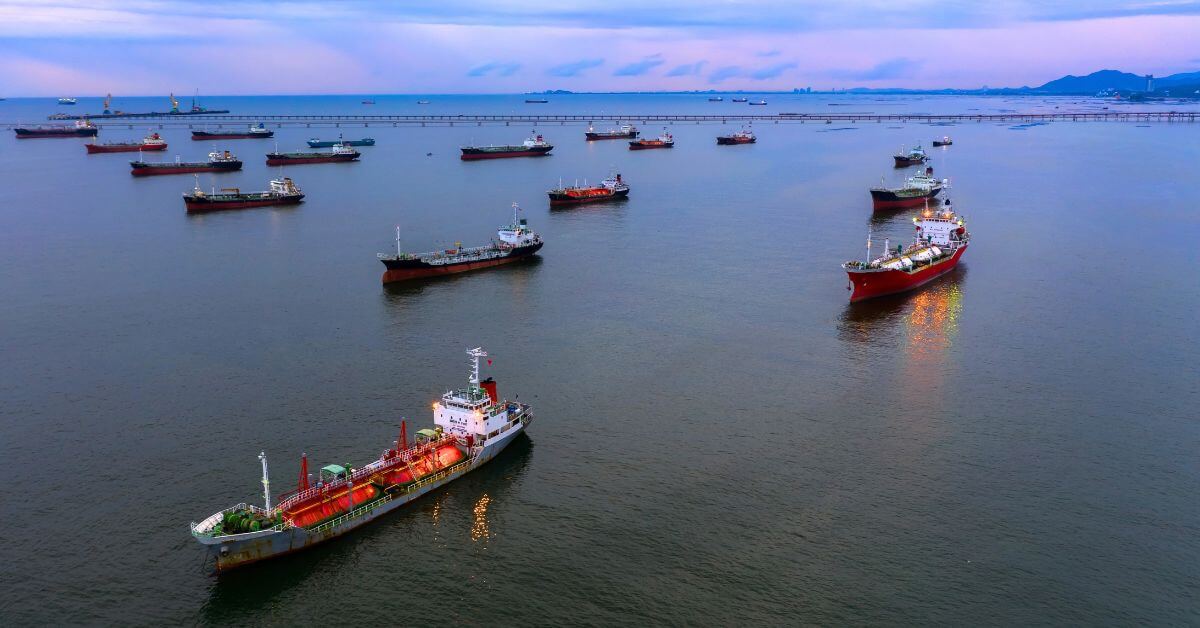
Image for representation purposes only
Saudi Arabia denied buying 25 oil tankers worth an estimated $4.5 billion on Tuesday, September 22, after Iraq blamed the alleged purchases for a sharp rise in the cost of shipping its crude.
Iraqi Oil Minister Basim Mohammed told parliament that Saudi Arabia had bought the tankers and that this had increased Iraq’s oil transport costs.
Mohammed said the cost had risen from $26 per barrel to $37 per barrel. An Iraqi media outlet published his remarks on Facebook on Monday.
Saudi Arabia’s Ministry of Energy said the claim was incorrect and that the Kingdom had not bought the 25 tankers mentioned during the parliamentary session.
The ministry said the higher shipping costs were instead linked to several factors, including the military conflict in the region and disruption to shipping through the Strait of Hormuz.
It also pointed to declared Iranian attacks on vessels.
The ministry said the situation had made shipping in the region more risky and pushed up insurance costs. Fewer tankers were also willing to operate in the area, it said.
These factors had pushed regional freight costs to “exceptional levels”, according to the ministry.
Saudi Arabia also rejected Iraq’s claim that the alleged tanker purchases had caused the higher cost of transporting Iraqi oil.
The Saudi statement was issued in response to remarks attributed to Mohammed and Ali Nizar Al-Shatari, chairman and director general of Iraq’s State Organisation for Marketing of Oil, or SOMO.
The Saudi ministry added that its statement did not affect the Kingdom’s right to make commercial and investment decisions based on its needs and interests.
The disagreement comes as shipping through the Strait of Hormuz remains well below pre-conflict levels. Ships are still facing attacks in the area.
Iraq has been among the countries most affected by the closure of the strategic waterway.
The disruption has also put pressure on the movement of oil through the region. Higher shipping risks, insurance costs and fewer available tankers have added to the cost of moving crude, according to the Saudi ministry.
Saudi Arabia and Iraq are the two largest oil producers in the Organisation of the Petroleum Exporting Countries. Public disagreements between their energy ministers are rare.
The dispute comes as attacks on Saudi cities, energy infrastructure and shipping continue. The attacks have raised concerns about global oil supplies and are also putting pressure on the Red Sea.
The Red Sea is an important alternative export route for Gulf producers while shipping through the Strait of Hormuz remains disrupted.