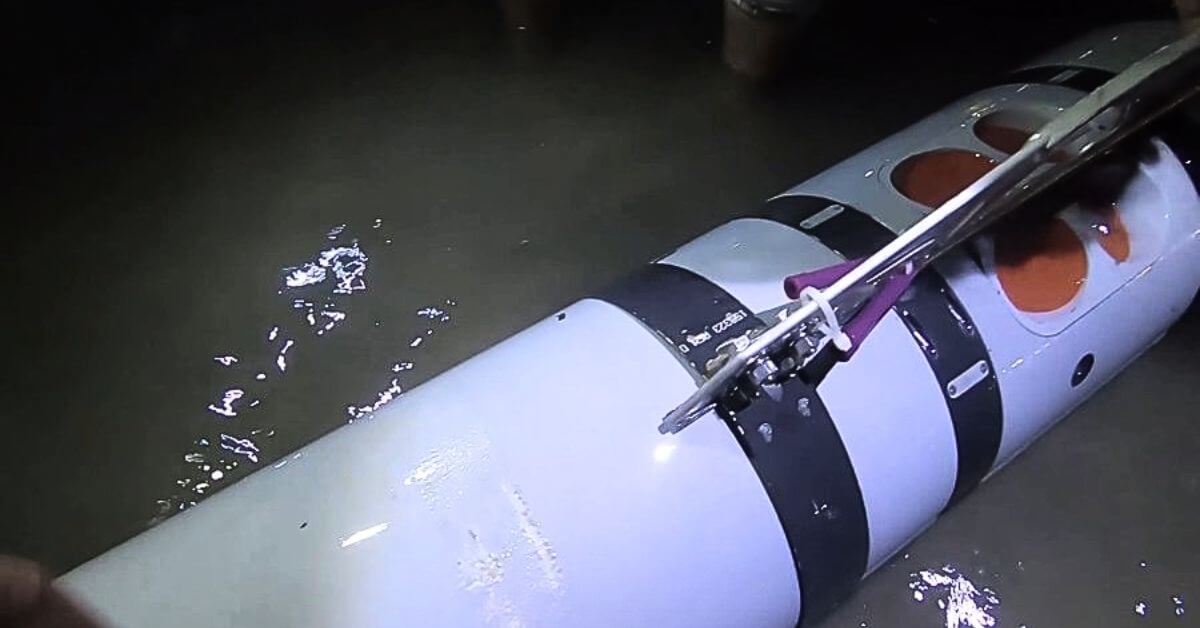
The seizure of a second US military underwater drone by Iran's IRGC Navy in the Strait of Hormuz is not an isolated incident; it is a data point in a pattern of escalating strategic friction in one of the world's most critical maritime chokepoints. This event occurs alongside reports that Gulf of Oman STS Transfers Max Out Amid Rising Saudi Oil Exports, signaling that commercial shipping is already adapting to constrained passage. Meanwhile, Phased Negotiations Aim to Ease Restrictions on Strait of Hormuz, suggesting diplomatic channels remain active even as assets are being interdicted. The convergence of these developments demands a calibrated, empirical reading rather than alarmist headlines.
From our vantage point, this is less about a single piece of hardware and more about the erosion of operational predictability in a corridor that moves roughly one-fifth of the world's oil. The drone itself, likely an uncrewed underwater vehicle used for environmental monitoring or naval reconnaissance, represents a validated, measurable asset whose loss degrades situational awareness. For our readers, whether researchers calibrating climate indicators or logisticians routing tankers, the practical consequence is immediate: the Strait is no longer a reliable blank slate for data collection or transit scheduling. Each seizure forces a reassessment of risk, pushing commercial and scientific operators to integrate contingency protocols that were previously optional.
Our take is direct: the only durable response is transparent, peer-reviewed data sharing and coordinated maritime governance. The IRGC's actions are a symptom of a region where trust has been depleted faster than the tide cycles. Yet we note with interest that diplomatic efforts are reportedly underway, even as Russian maritime activity raises parallel concerns about drone operations in the Mediterranean, another axis where uncrewed systems are altering the balance of observation and interception. The lesson for ocean intelligence is that no sensor network is secure if the political channel above the surface remains fractured. We would tell any reader asking us about this: watch the verifiable metrics, traffic volume in the Gulf of Oman, insurance premiums for transit, and the release frequency of peer-reviewed oceanographic data from the area. These empirical indicators will tell you more than any single headline.
One specific consequence to track is how Iran's seizure affects the calibration of oceanographic models in the region. If research-grade underwater drones become targets, the longitudinal datasets that underpin climate projections for the Arabian Sea and Gulf will suffer gaps. The open question is whether the scientific community can maintain the integrated data ecosystem needed to keep those measurements flowing, even as geopolitical currents turn hostile.