NATO
13 stories filed under NATO on World Data Ocean. The newest of them: “NATO Drills Off British Coast Test Naval Readiness in Simulated Threats”, “Autonomous Vessel Demonstrates Advanced Torpedo Deployment Capability”, and “Baltic Sea Incident: Russian Warship’s Flares Prompt International Concern”. NATO's recent drill off the British coast pressed allied forces to confront simulated threats, with a clear focus on Russian military scenarios. For the first time, Britain and the United States have test-fired a torpedo from an uncrewed underwater vessel, marking a calibrated step in maritime defense. A Global Hub for Ocean Intelligence 4 World Data Ocean is a centralized digital platform where researchers, scientists, and ocean enthusiasts converge to… The list below is every NATO story on World Data Ocean, newest first.
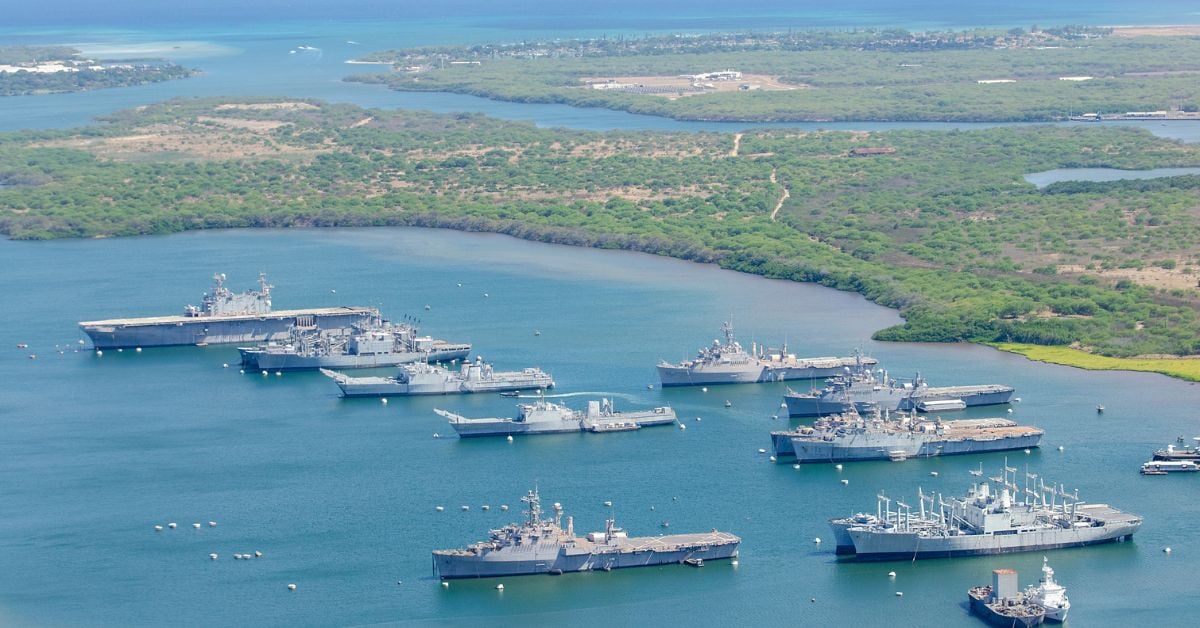
NATO Drills Off British Coast Test Naval Readiness in Simulated Threats
NATO's recent drill off the British coast pressed allied forces to confront simulated threats, with a clear focus on Russian military scenarios. This is the kind of calibrated readiness the alliance must sustain, empirical, measurable, and grounded in real-world pressures. Integrated naval exercises like this sharpen collective response without alarmism. For deeper context on evolving maritime security, our coverage of the EU urging naval reinforcements for the Red Sea escort mission connects directly to these same strategic pressures. Understanding drives protection.
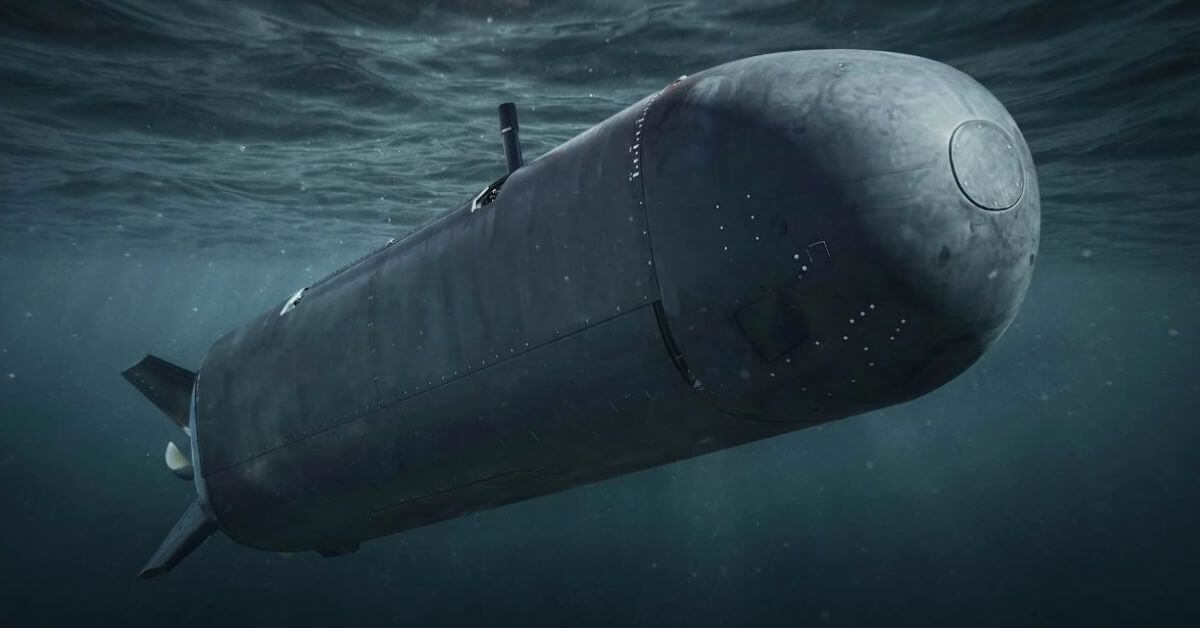
Autonomous Vessel Demonstrates Advanced Torpedo Deployment Capability
For the first time, Britain and the United States have test-fired a torpedo from an uncrewed underwater vessel, marking a calibrated step in maritime defense. The demonstration validates the integration of autonomous systems into complex operational roles, shifting the focus from concept to empirical capability. This is not about spectacle; it is about measurable progress in how we deploy ocean intelligence.
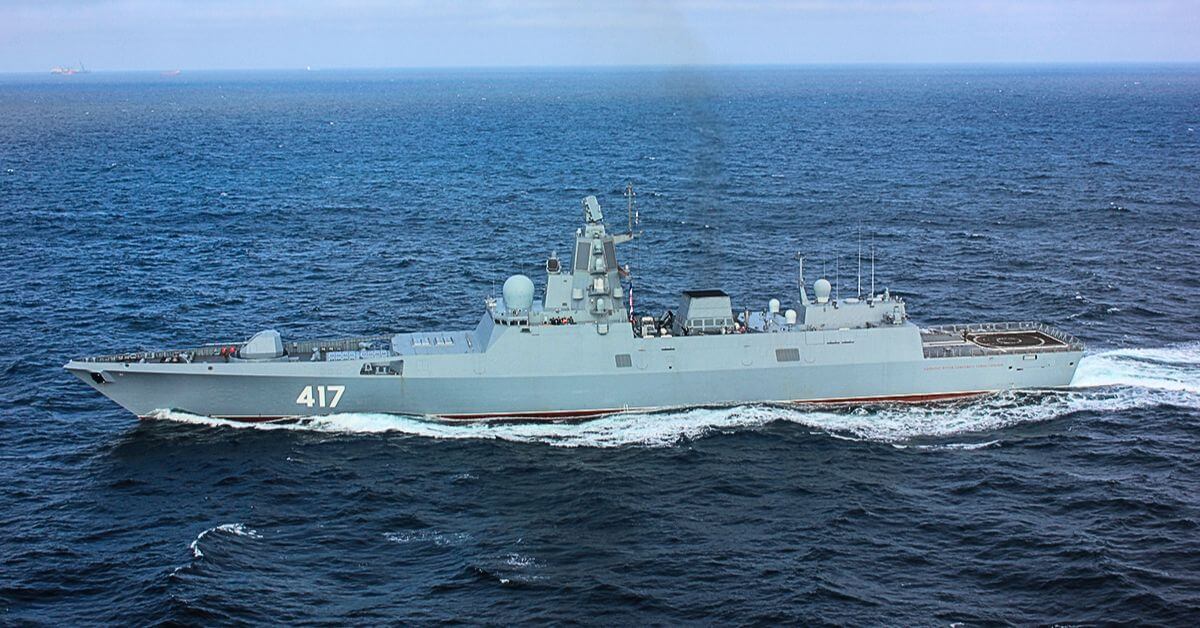
Baltic Sea Incident: Russian Warship’s Flares Prompt International Concern
The Baltic Sea's status as a corridor of strategic tension sharpened this week after a Russian warship fired flares, a move the European Union swiftly labeled "reckless and dangerous." The incident underscores how routine naval operations can escalate into international incidents with little warning. Such provocation demands measured, empirical scrutiny rather than alarm. For context on Moscow's broader maritime ambitions, our related coverage on Russia's icebreaker export revenue scheme offers useful grounding.

NATO Intervenes to Prevent Russian Subsea Cable Disruption Exercise
NATO intervened to prevent a Russian exercise aimed at disrupting subsea cables, a direct challenge to the global data networks we rely on. Two Western officials confirmed the vessels were stopped and later departed. This is not an isolated provocation. Our related coverage of *Russian Maritime Activity Raises Concerns of Drone Operations in Mediterranean* suggests a pattern of calibrated, high-risk behavior. Protecting ocean intelligence infrastructure is no longer theoretical; it is an operational necessity. Understanding drives protection.
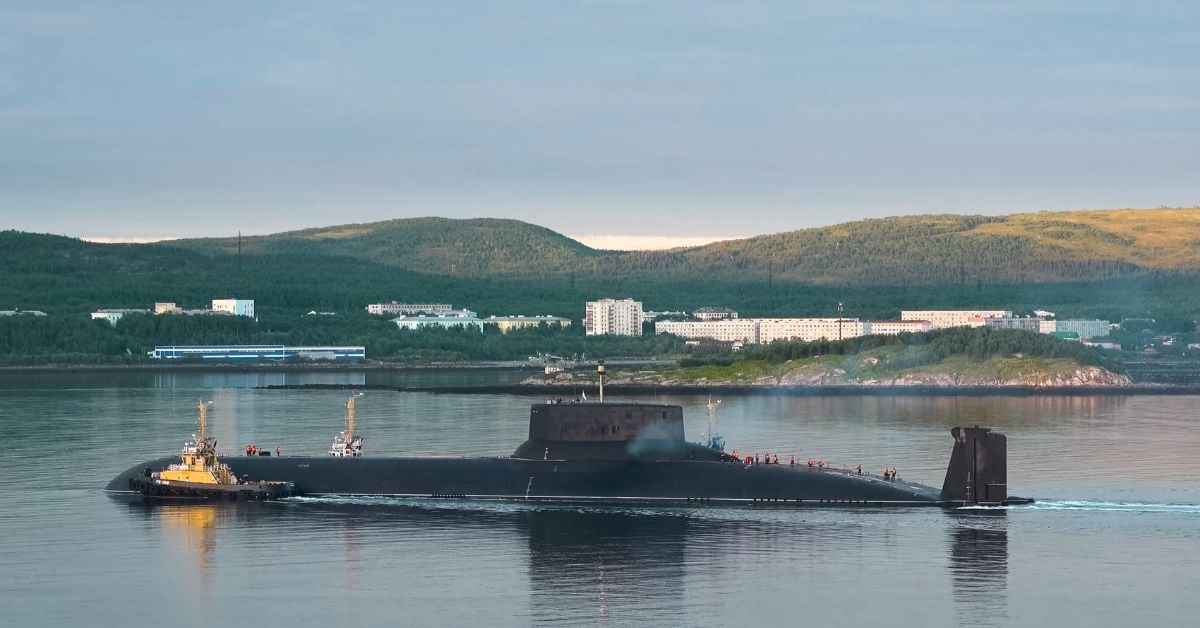
Rising Russian Submarine Activity Demands Enhanced NATO Ocean Intelligence.
A former NATO Commander has flagged the expansion of Russian submarine capabilities as a direct challenge to Atlantic security. This is not a distant concern, it is a measurable shift in naval defence infrastructure demanding calibrated response. Enhanced ocean intelligence, integrating real-time data from seabed to surface, becomes essential. For context, our coverage of the Vostok Project's Arctic oil exports shows how Russia's maritime ambitions extend beyond military posture, linking economic and strategic pressures in the same integrated data ecosystem.
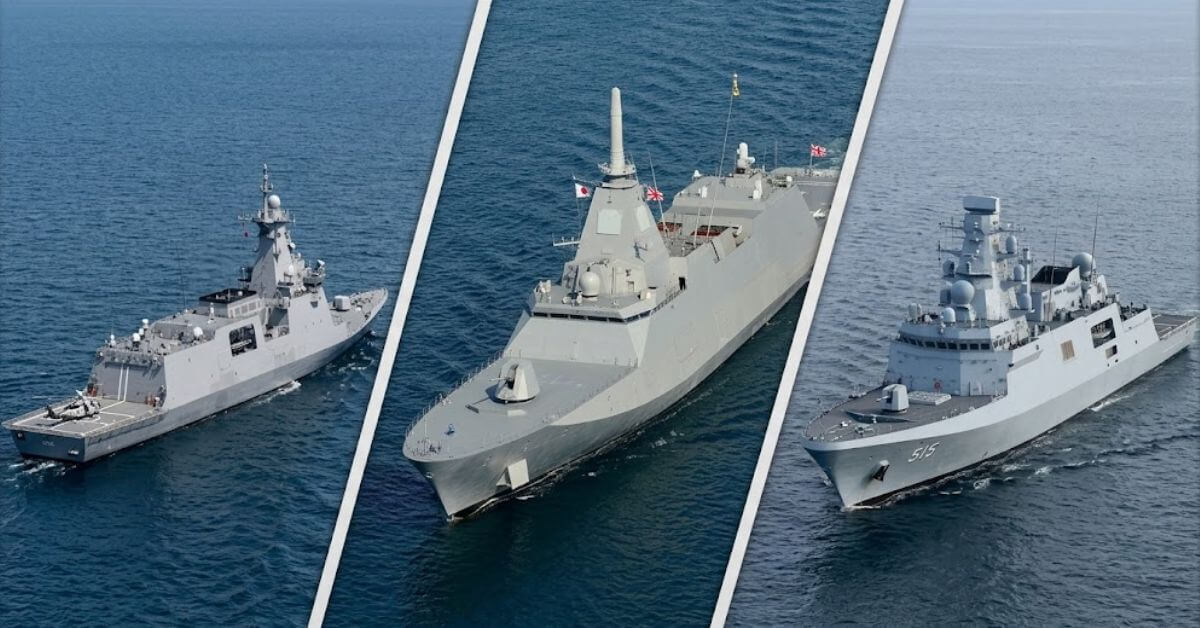
Global Shipbuilding Collaboration: Navy Explores International Frigate Options
The U.S. Navy's move to explore international frigate options signals a pragmatic shift toward speed without sacrificing domestic investment. This approach, which pairs foreign collaboration with targeted funding for U.S. shipyards and workforce expansion, reflects a measured strategy for meeting modern demands. It is a practical acknowledgment that no single nation can build everything alone, and that shared expertise strengthens overall capability. For readers tracking parallel efforts, our coverage of India's expanded naval fleet offers a useful counterpoint.
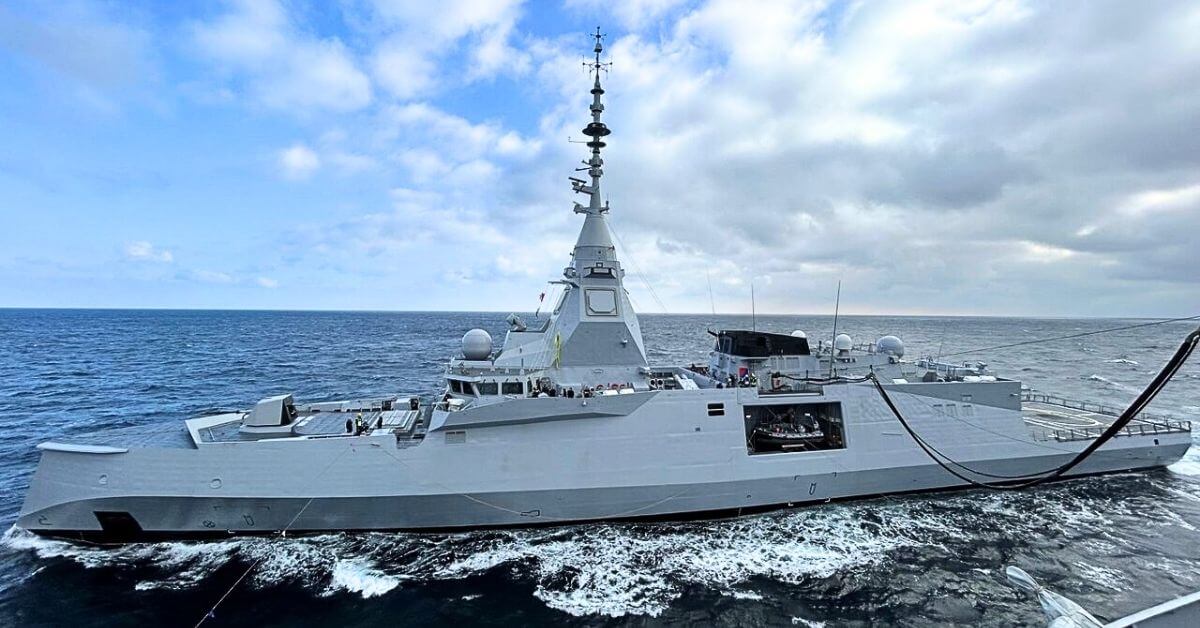
Sweden Bolsters Naval Capabilities with Acquisition of Four Advanced Frigates
Sweden's decision to acquire four advanced frigates marks a measured step toward a stronger naval presence, with the first delivery slated for 2030. These vessels will become the largest in the Swedish fleet, a practical response to shifting maritime realities. The investment signals patience and precision, not panic. For readers tracking parallel developments in naval strategy, our coverage of Russia's Northern Sea Route icebreaker plans offers useful context. Sweden is building capacity deliberately, and that intent is worth watching.
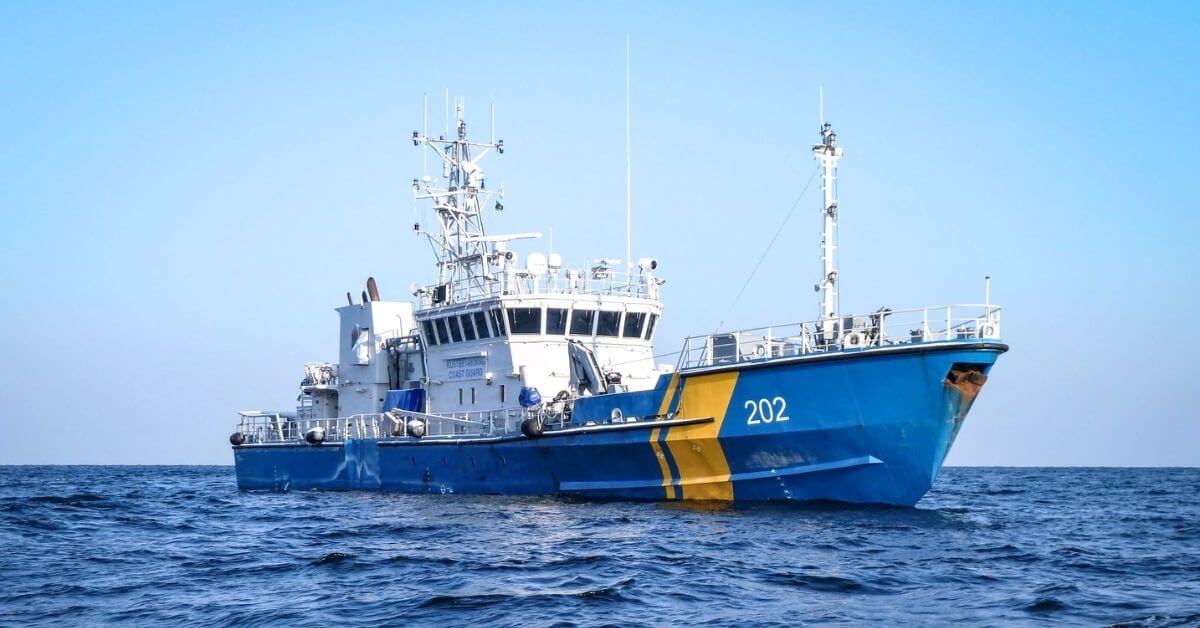
Sweden Bolsters Ukraine's Maritime Capabilities with Coast Guard Vessel Donation
Sweden's donation of ten Coast Guard vessels to Ukraine is a measured, practical step for maritime resilience. These boats, earmarked for mine clearance, transport, towing, and rescue, address immediate operational needs without theatrical posturing. It is a quiet reinforcement of capability, the kind of support that matters when every voyage carries risk. For context on the broader stakes, our related piece on the fatal attack on a cargo ship highlights how volatile these waters remain.
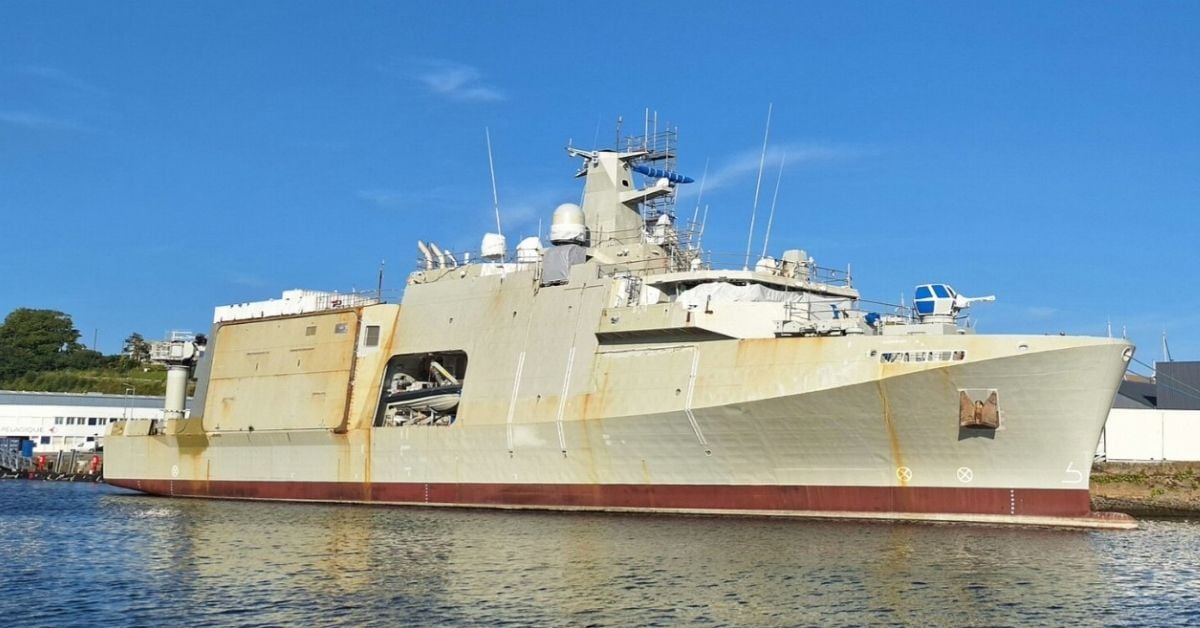
Bolstering Black Sea Security: Bulgaria Acquires Minehunters for Maritime Protection
Bulgaria is adding seven minehunters from Belgium and the Netherlands to its naval arsenal, a measured step toward securing Black Sea shipping lanes against naval mines. This acquisition is less about spectacle and more about practical defense, addressing a real and present hazard to commercial traffic. It is a sensible move, though one that also signals how tense the region has become. For broader context on Moscow's maritime ambitions, our piece on Russia's Arctic export plans offers a useful counterpoint.

Canada Bolsters Arctic Capabilities with New Icebreaker Fleet.
Canada is putting steel behind its Arctic strategy with a new icebreaker fleet that will give NATO its largest polar capability. The move sharpens a quiet but consequential gap: the United States operates just three aging polar icebreakers. This is what integrated ocean intelligence looks like in practice: measured, deliberate, and forward-deployed. For readers tracking the wider picture, our coverage of Russia's Northern Sea Route fleet plans offers a useful counterpoint. The Arctic is no longer a frontier; it is a jurisdiction.

Arctic Submarine Collaboration Expands: Germany, Norway, and Canada Unite.
Four days of talks in Kiel brought Germany, Norway, and Canada alongside TKMS, Kongsberg, and Multiconsult, signaling a deliberate step toward shared submarine capability. This is not merely procurement; it is the architecture of deterrence taking shape in Arctic waters. The collaboration reflects a practical recognition that no single nation patrols these expanses alone. For readers tracking Russia's icebreaker ambitions, including its calibrated export revenue scheme, this trilateral move adds a measured counterweight. We will follow how these industrial partnerships translate into operational reality.

Poland Launches First Modern Frigate, Bolstering Naval Capabilities
Poland's newest frigate has taken to the water, though its journey is far from complete. The vessel will return to the shipyard for equipment installation and testing, a reminder that naval modernization is a patient, calibrated process. This launch signals a deliberate step forward for Poland's maritime defense, measured and methodical. For readers tracking regional security shifts, our coverage of Taiwan's recent missile exercise offers a useful counterpoint on how navies validate readiness. Progress, here, is built on precision, not spectacle.

Navy Drone Data Transmission Raises Cybersecurity Concerns, Ministry Confirms
A routine cyber vulnerability check on navy drones took an unexpected turn when the cameras onboard transmitted a squark to a Chinese IP address, the Ministry confirmed. The detail is precise, measurable, and worth pausing on. We do not speculate on intent, but the incident underscores why calibrated, peer-reviewed security protocols are not optional. For broader context on shifting maritime data infrastructure, see our coverage of "Integrated Subsea Infrastructure Shifts to Enhance Indian Ocean Connectivity.