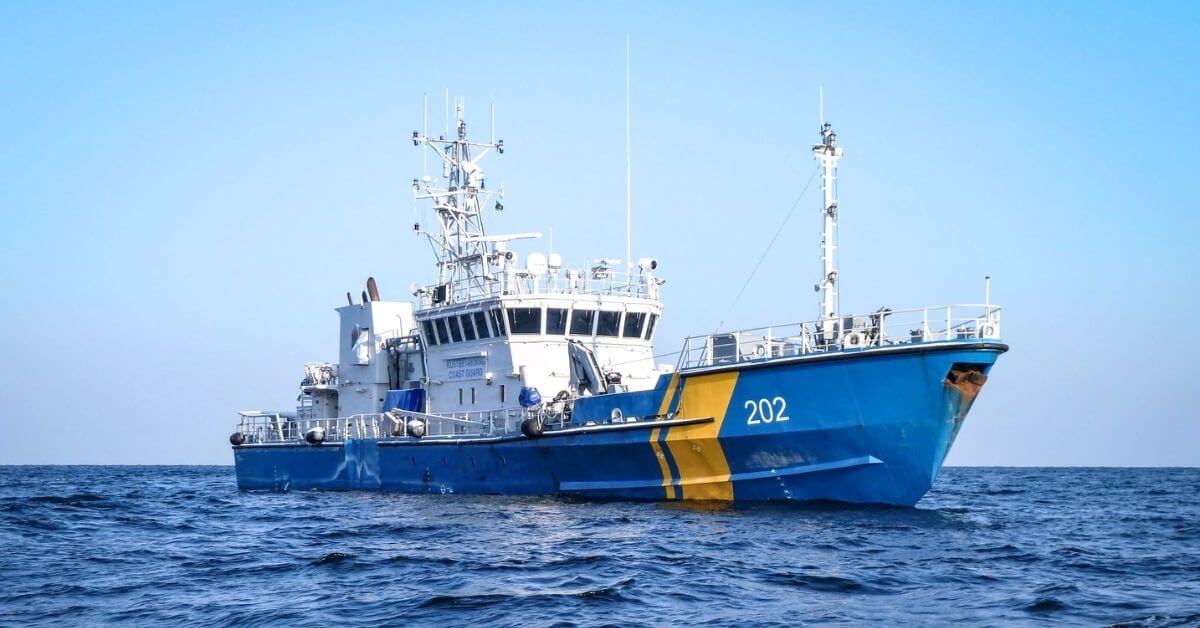
The donation of ten Swedish Coast Guard vessels to Ukraine is a quiet piece of operational pragmatism. These are not warships built for fleet engagements; they are working boats for mine clearance, transport, towing, and rescue. That list of tasks reflects the true nature of the conflict's maritime dimension, where logistics and survivability matter as much as firepower. This is a calibrated response to a clear need, and it deserves attention for its specificity.
The practical implications for our readers, particularly those tracking Black Sea security, are immediate. Mine clearance is not a background task; it is the prerequisite for any return to normal commercial shipping. Consider the recent Fatal Attack on Cargo Ship Highlights Black Sea Shipping Risks, which underscored how fragile any resupply corridor remains without dedicated countermeasure assets. The Swedish boats directly address that vulnerability. They also signal a wider pattern: support is shifting from symbolic pledges to functional tools that extend a navy's endurance. Alongside diplomatic efforts like Ukraine Supports India’s Initiative for Black Sea Shipping Routes, we are seeing a layered approach where military aid and political navigation are meant to work in tandem. The donation should be read as part of that integrated ecosystem, not as an isolated gesture.
This is also a lesson in how to measure maritime aid. The instinct to count hulls or compare tonnages misses the point. What matters is the validated capability to perform a specific function under duress. A tug that can pull a damaged ship out of a firing range has a strategic effect disproportionate to its size. Similarly, a rescue vessel operating near the front lines is not a humanitarian extra; it is what allows crews to risk transiting those waters at all. The Russian Arctic Vostok Project Launches Arctic Oil Exports Amid Geopolitical Shifts is a reminder that other state actors are making long-term bets on maritime routes. Sweden's contribution is a counterweight to that logic, investing in the resilience of a partner's coastal operations rather than in the extraction of resources.
What would we tell a reader who asks if this matters? The honest answer is that it matters less than the sum of its parts. Ten boats are not a fleet, but they are a tangible increase in Ukraine's capacity to keep its own waters open. The open question is how quickly these vessels can be crewed and integrated into existing patrol and response networks. We will be watching for that operational tempo. The concrete detail to watch is how these assets are deployed in the coming weeks, specifically whether they are used for escort duties in the mined approaches or held in reserve for rescue operations. That choice will tell us more about the immediate threat assessment than any policy statement. The takeaway is simple: operational aid is strategic aid, and this is a calibrated step toward a more secure maritime frontline.