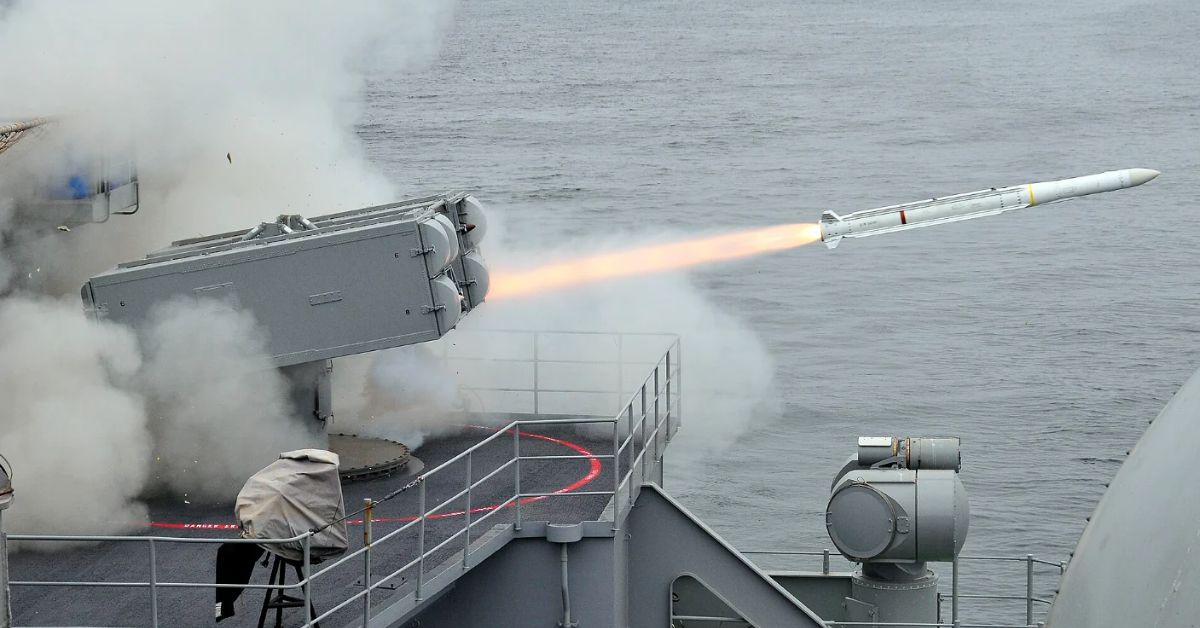
The 1,000th Evolved SeaSparrow Missile Block 2 delivery is not just a production milestone; it is a validated signal that allied naval defense is adapting to the realities of sustained conflict. For readers tracking the intersection of military readiness and industrial capacity, this achievement from the NATO SEASPARROW consortium confirms that the lessons learned in the Red Sea are being translated into tangible hardware. The delivery of the 500th missile occurred just last year, meaning production has effectively doubled in pace, a direct response to the operational tempo that has seen the U.S. Navy burn over 400 weapons in 15 months of operations against Houthi drone and missile attacks. This is not abstract planning; this is a calibrated, measurable reaction to empirical pressure.
The Block 2 variant's technical upgrades matter precisely because of the tactical limitations exposed in recent deployments. Its dual-mode guidance system, combining active and semi-active radar seekers, reduces reliance on a host ship's illumination radar, freeing combat systems to engage multiple threats simultaneously. This directly addresses the magazine capacity and reload challenges highlighted by Vice Adm. Brendan McLane's observations that warships cannot easily reload vertical launch cells at sea. The ability to quad-pack four ESSMs into a single Mk 41 VLS cell is not a marketing feature; it is a tactical multiplier for navies that have seen Naval deployments extend to 11 months, reshaping operational timelines at sea. When a ship must stay on station for nearly a year, every extra interceptor in the magazine counts.
The broader implication for the 12-nation consortium, including Australia, Belgium, Canada, Denmark, Germany, Greece, the Netherlands, Norway, Portugal, Spain, Türkiye, and the United States, is that joint production programs can scale under pressure. The NATO SEASPARROW Project, established in 1968, is one of the alliance's longest-running weapons collaborations, and this delivery validates that model. Yet the distribution of these 1,000 missiles among partner countries remains undisclosed, raising an open question about burden-sharing. As the Navy simultaneously advances maintenance efficiency with AI-powered robots accelerate naval hull inspections by fiftyfold, the industrial base is being asked to do more with fewer port calls and longer deployment cycles. The specific takeaway is clear: continuous production is no longer a peacetime goal but a wartime necessity, and the ESSM Block 2 delivery proves the system can respond. The next question is whether the logistics chain for reloading those VLS cells at sea can keep pace.