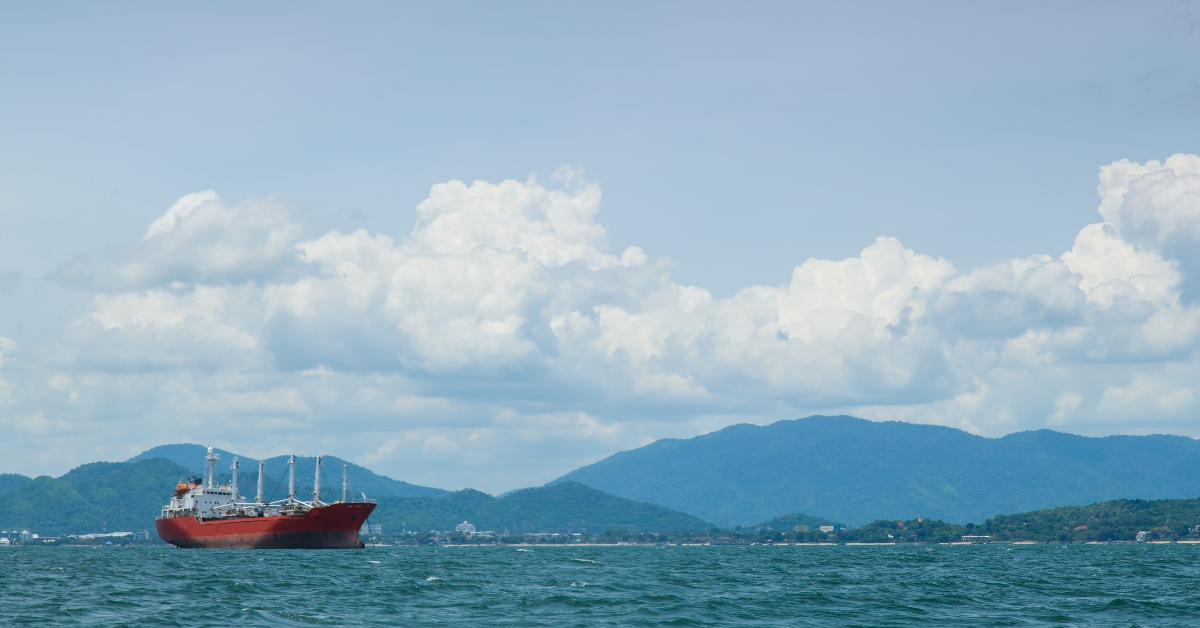
The attack on the *Contship Jet* off Bulgaria's coast is not an isolated incident; it is a direct consequence of the escalating weaponization of commercial shipping lanes in the Black Sea. While the Bulgarian Navy's swift rescue of all 18 crew members is commendable, the sinking of a Liberian-flagged container ship carrying 421 containers from Haifa to Romania signals a dangerous new phase in maritime insecurity. This is not merely a military matter, it is a crisis for ocean intelligence and the global supply chain, demanding a calibrated, empirical response.
The coordinated use of three naval drones, monitored by a French maritime patrol aircraft and the Bulgarian Navy's surveillance system, highlights both the sophistication of the threat and the critical value of integrated, real-time data. This incident follows a series of drone attacks off the Romanian and Bulgarian coasts in October 2026, as noted by the Bulgarian Defence Ministry. The pattern is clear, even if attribution remains unconfirmed. As we reported in our coverage of France Deploys Maritime Patrol Aircraft to Black Sea Amid Escalating Ship Attacks, the deployment of aerial surveillance assets is a necessary first step, but it is reactive. The sinking of the *Contship Jet* proves that detection alone is insufficient; we need integrated data ecosystems that link satellite, aerial, and naval sensor feeds into a single operational picture, enabling preemptive action rather than post-attack rescue.
For our readers, researchers, policymakers, and maritime operators, the practical takeaway is that the Black Sea has become a living laboratory for uncrewed surface vessel warfare, and the data emerging from this zone is both a warning and a resource. The Bulgarian Defence Minister's call for NATO and EU technical assistance for counter-drone capabilities is a validated request, but it must be matched by investment in shared ocean intelligence platforms. Compare this with the measured transit of 7 million tonnes through Russia's Northern Sea Route, as covered in Measured transit through Northern Sea Route projected to exceed 7 million tonnes. That projection relies on stable, predictable maritime corridors, a condition that the Black Sea no longer offers. The contrast is stark: one route is opening, the other is being systematically closed by drone strikes. The *Contship Jet* was carrying commercial cargo, not military supplies, yet it became a target. This blurs the line between conflict zone and commercial waterway, a distinction that international maritime law depends upon.
The specific detail to watch is the trilateral meeting between the Bulgarian, Turkish, and Romanian Defence Ministers. Their joint condemnation is a measured diplomatic step, but the open question remains: what calibrated counter-measures will follow? The French patrol aircraft provided a real-time view of the attack, but the gap between observation and interdiction is where the next vessel will be lost. We need to see empirical, peer-reviewed analysis of these drone trajectories and attack patterns shared across NATO and EU maritime command centers. The rescue of 14 Philippine and four Ukrainian sailors is a human success, but the *Contship Jet* now rests on the seabed. The next ship may not be so fortunate.