Middle East
40 stories filed under Middle East on World Data Ocean. The newest of them: “Rethinking sanctions on shadow tankers to steady global freight rates”, “Projectile Strike on Tanker Off Qatar Coast Yields Reported Casualties”, and “US Naval Deployments Continue as Middle East Operations Extend to Eighth Month”. A calibrated adjustment to sanctions on shadow tankers could steady global freight rates by allowing certain previously restricted vessels to carry oil and petroleum products not banned under US sanctions. Multiple projectiles struck an oil tanker off Qatar's northern coast, with casualties now reported among the crew. A Global Hub for Ocean Intelligence 4 World Data Ocean is a centralized digital platform where researchers, scientists, and ocean enthusiasts converge to… The list below is every Middle East story on World Data Ocean, newest first.
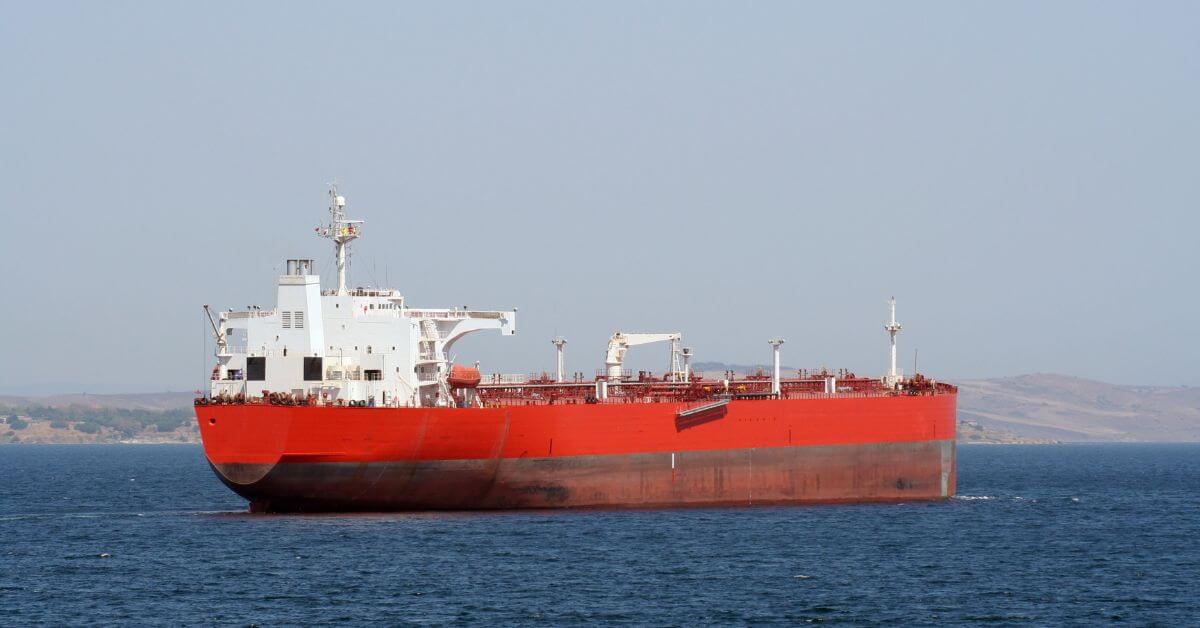
Rethinking sanctions on shadow tankers to steady global freight rates
A calibrated adjustment to sanctions on shadow tankers could steady global freight rates by allowing certain previously restricted vessels to carry oil and petroleum products not banned under US sanctions. This measured approach prioritizes market stability without compromising enforcement integrity. For deeper context on how maritime regulations shape trade friction, our related coverage of "Maritime fees signal friction in trade amid climate and shipping integration" explores similar dynamics.
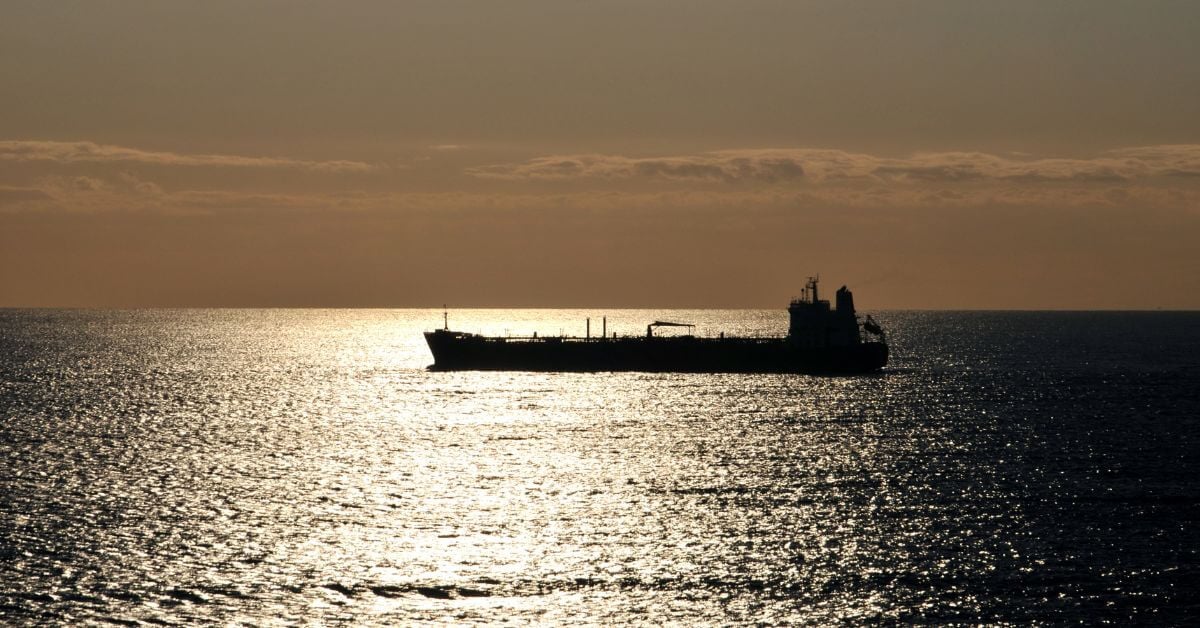
Projectile Strike on Tanker Off Qatar Coast Yields Reported Casualties
Multiple projectiles struck an oil tanker off Qatar's northern coast, with casualties now reported among the crew. This attack adds a dangerous new dimension to maritime insecurity in a region already strained by rising tensions. Understanding these threats requires calibrated, real-time observation of shipping lanes and geopolitical shifts. For deeper context on regional instability, read our coverage of rising Strait of Hormuz tensions and Iran's new maritime restrictions.
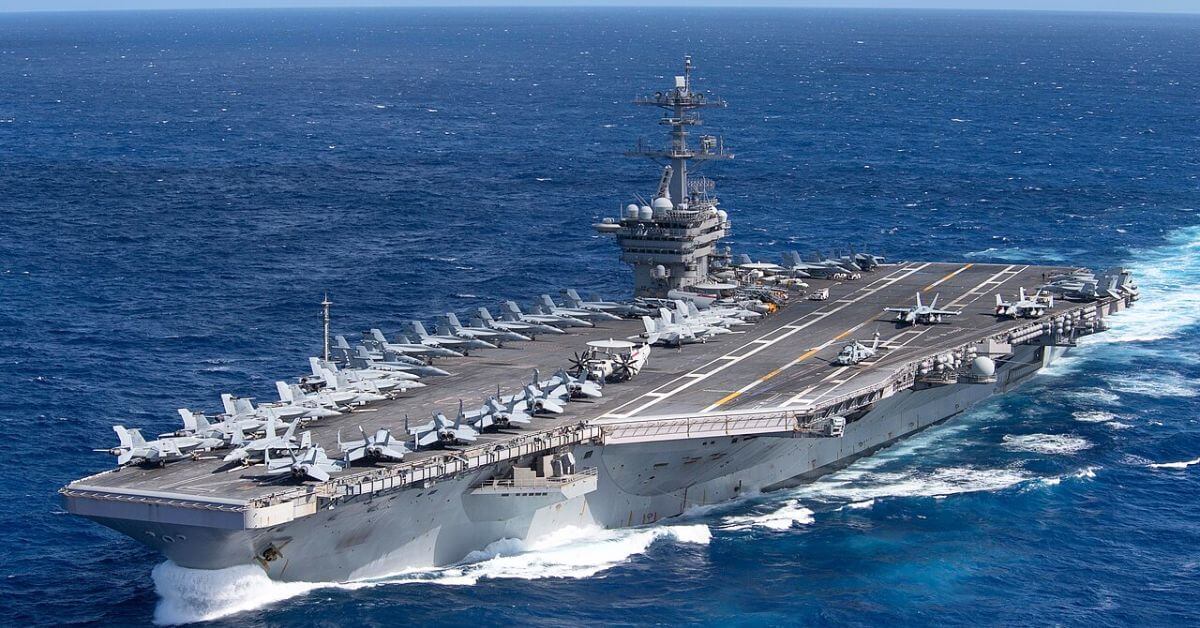
US Naval Deployments Continue as Middle East Operations Extend to Eighth Month
The USS Theodore Roosevelt carrier strike group departed San Diego on Sunday, with the USS Makin Island amphibious readiness group following a day later, extending US naval deployments in the Middle East into an eighth month. Sustained presence reflects measured, strategic commitment, not escalation theater. For context on regional risk, our coverage of projectiles striking tankers near the Strait of Hormuz underscores why such deployments remain calibrated responses to measurable threats. Operational endurance matters, but the data driving these decisions matters more.
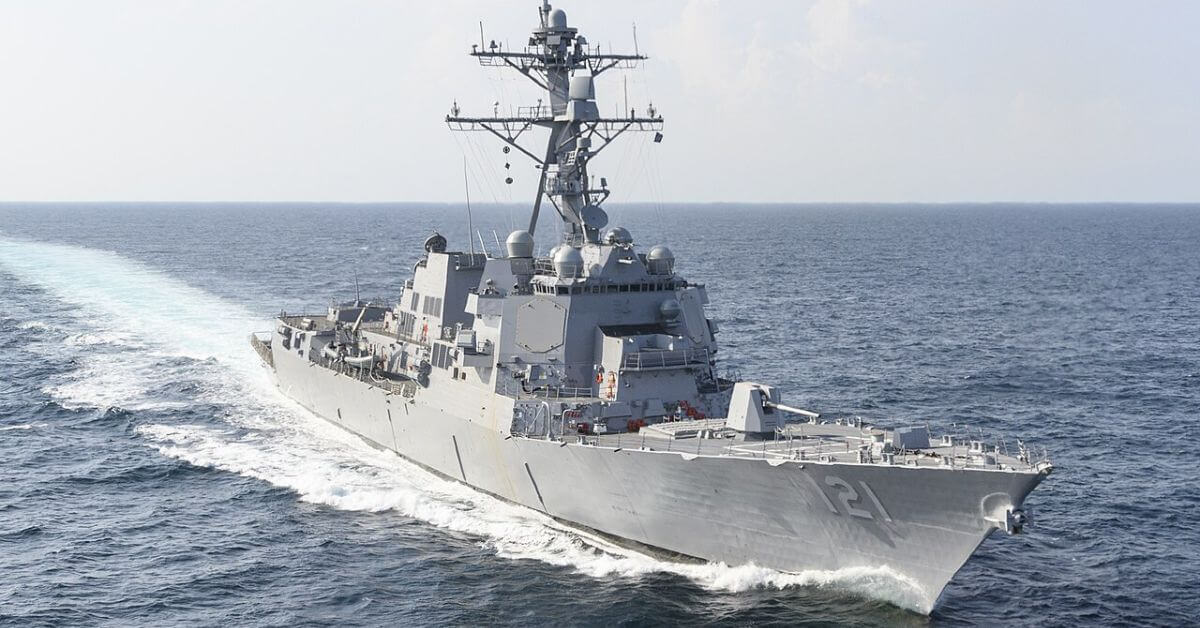
A 300-day deployment yields calibrated data from the Pacific theater
Ten months. Three hundred days of calibrated, real-time ocean intelligence from the Pacific theater. The USS Frank E. Petersen Jr. has returned to Pearl Harbor, and the data it gathered is now measurable and peer-reviewed. This is empirical evidence from a working warship, not a lab. Understanding drives protection. For deeper context on maritime security risks, see our coverage of the recent pirate attack on a hijacked tanker.
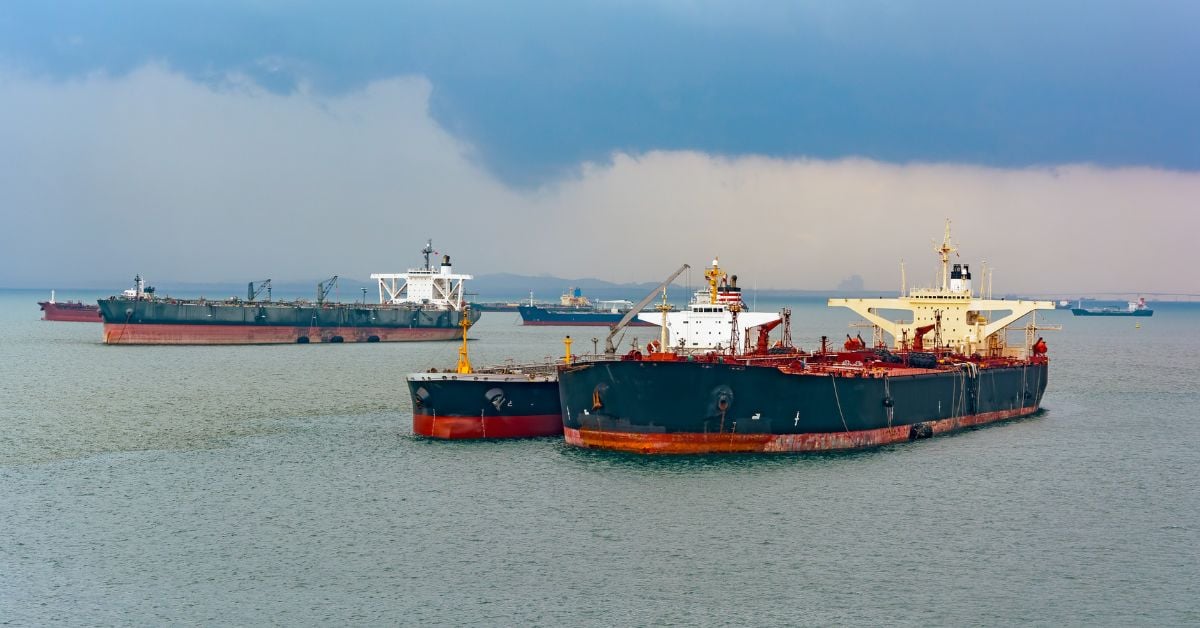
Gulf of Oman STS Transfers Max Out Amid Rising Saudi Oil Exports
Ship-to-ship transfers in the Gulf of Oman have reached maximum capacity, with traders and analysts pointing to surging Saudi crude exports as the driving force. This operational ceiling underscores how swiftly regional logistics can tighten when cargo volumes climb. The strain is a measurable signal of shifting energy flows, one that demands calibrated attention from those tracking maritime trade. For context on broader infrastructure pressures, our piece on integrated subsea systems in the Indian Ocean offers a useful parallel.
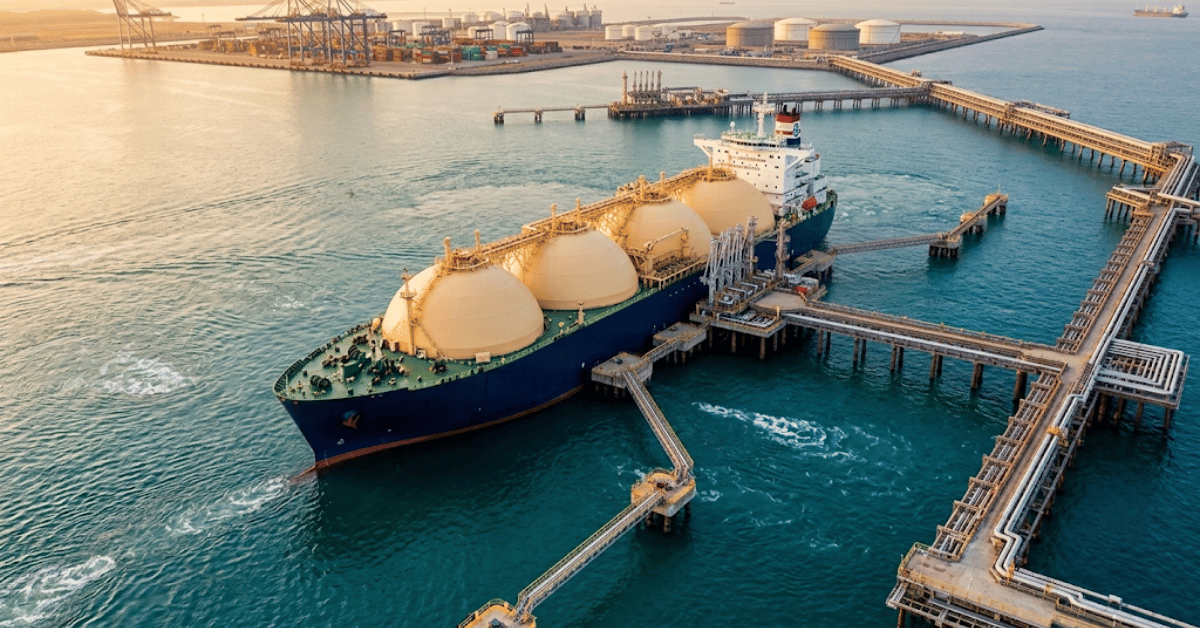
Optimal LNG Carrier Design: Boosting Capacity, Reducing Costs
A 200,000m³ LNG carrier can move more gas per voyage without sacrificing access to the terminals that matter most. LR's analysis shows that this larger capacity directly reduces unit transport costs while staying compatible with the majority of existing infrastructure. That is practical efficiency, not speculative ambition. For readers tracking how maritime logistics adapt under pressure, our piece on Gulf of Oman STS transfers maxing out offers a useful parallel.
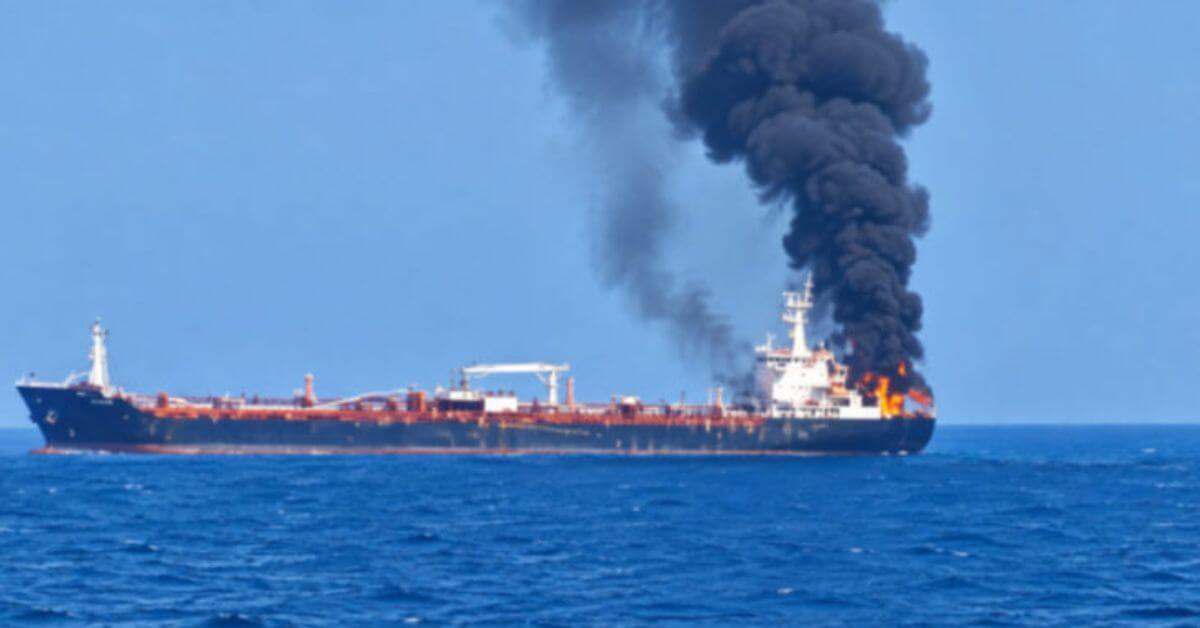
Seafarer Missing After Ship Attack Near Oman Coast; Thirteen Rescued
One Indian seafarer remains missing after an attack on a vessel near the Oman coast, while thirteen crew members have been rescued, India's Ministry of External Affairs confirmed. The incident underscores the persistent volatility of regional waters, where commercial traffic proceeds under tangible risk. Search efforts continue, though the outcome remains uncertain. For broader context on maritime pressure points, our related coverage of Gulf of Oman STS transfers offers useful perspective on the strategic strains shaping this corridor.
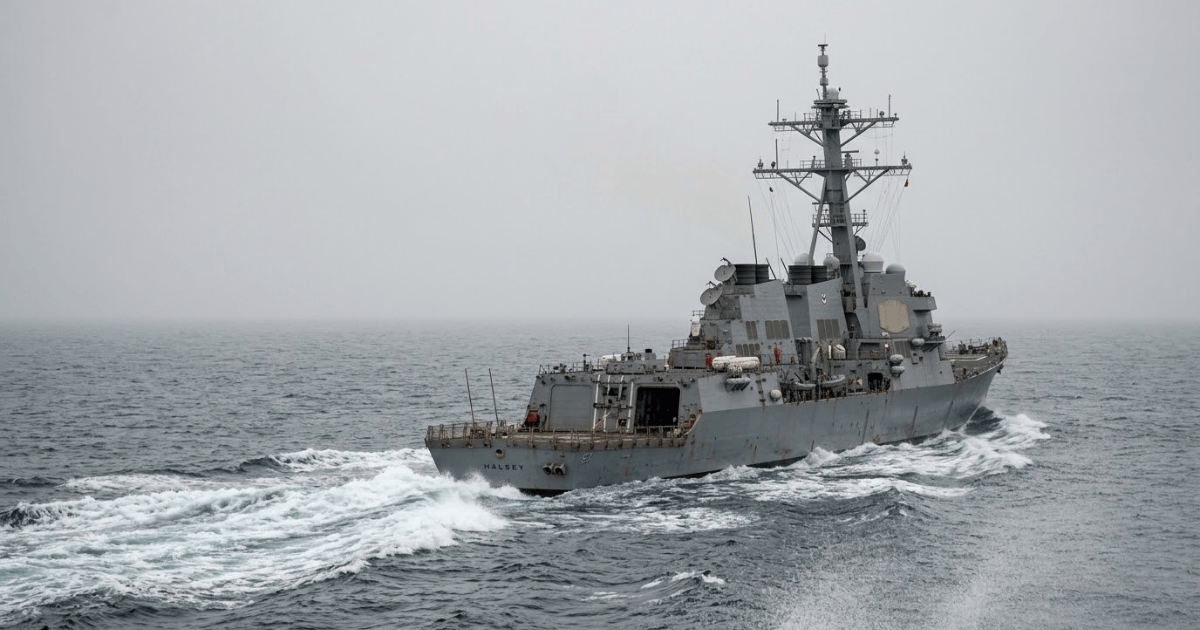
AI-Enabled Research Targets US Naval Assets in the Middle East
An Iran-linked account weaponized Claude AI to compile targeting data on US naval assets in the Middle East. Anthropic's revelation underscores a sobering reality: even tools built for discovery can be repurposed for threat. This is not alarmism, it is a validated, empirical signal of how rapidly ocean intelligence and AI converge on security. Understanding drives protection. Our related coverage of the Navy's accelerated autonomous systems integration offers deeper context on how maritime defense evolves in parallel.
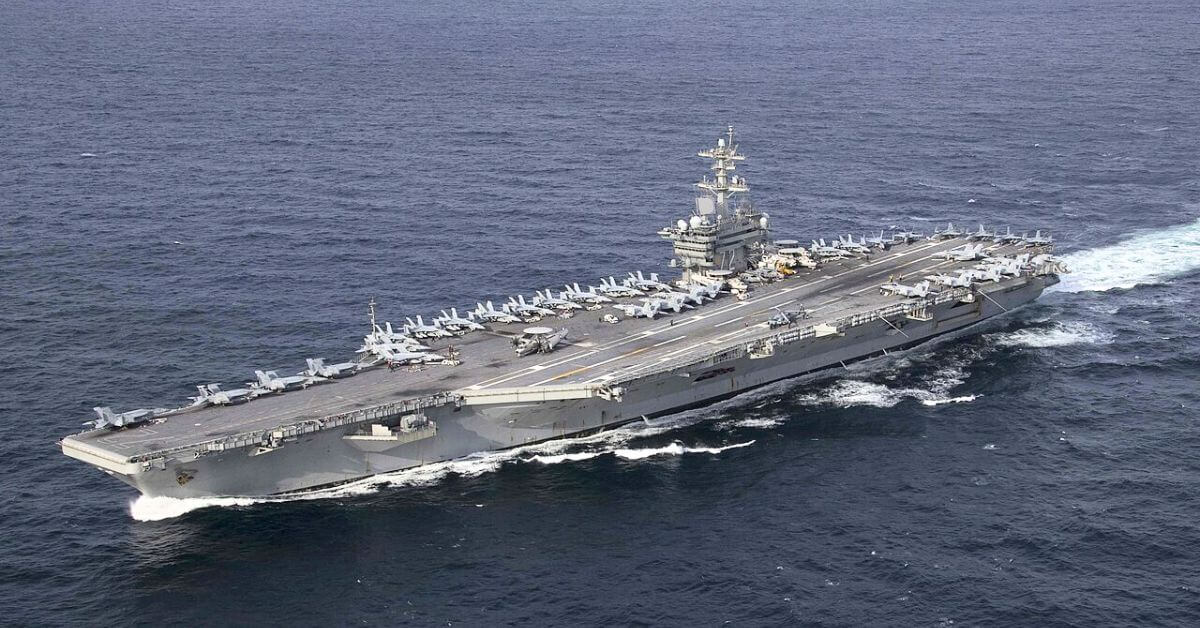
Abraham Lincoln Carrier Crew Recovers After Middle East Operations
The carrier crew's return marks the end of a demanding deployment, one that included extended operations in the Middle East. A short break now offers a measured pause before the rhythms of duty resume. Such respites matter; they restore focus and readiness. For context on the region's maritime pressures, our related piece on Gulf of Oman STS transfers highlights the logistical intensity that continues nearby. Operational tempo takes a toll, and acknowledging that is part of understanding naval power.
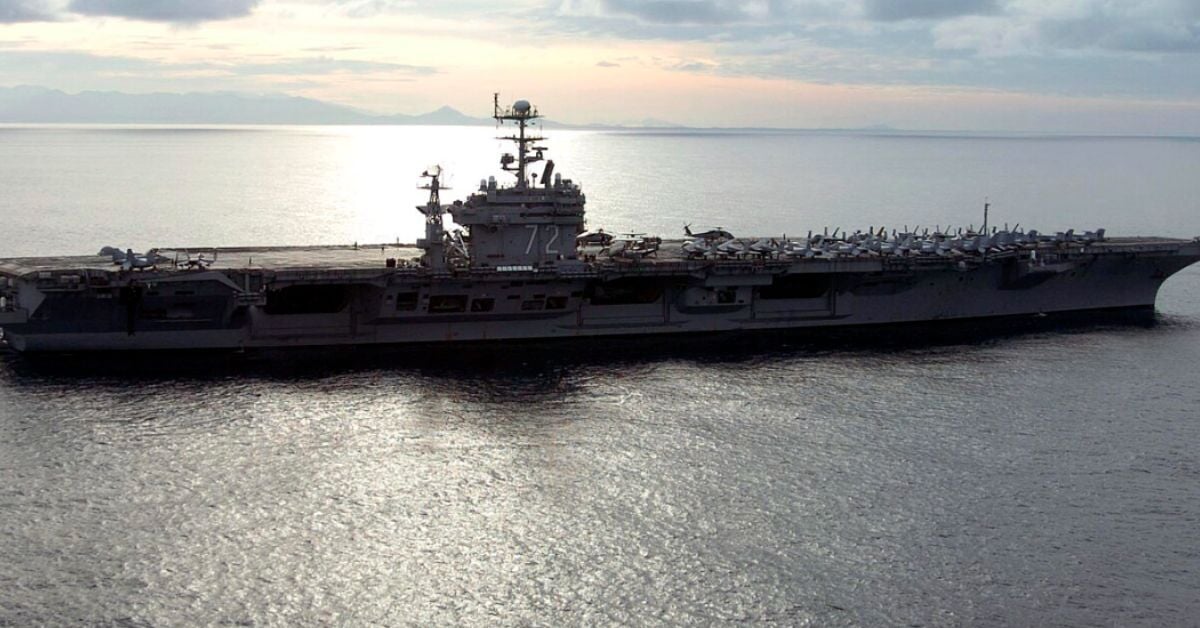
Naval Personnel Incident Under Review Following Overseas Altercation
Two sailors from the USS Abraham Lincoln are under review after an overseas altercation outside a bar, with a citizen calling police to resolve the incident. Discipline in such moments reflects directly on operational readiness, and the Navy's response will be closely watched. Incidents like this underscore why standards matter, especially as the service pushes forward on integration of new capabilities. For broader context on that push, see our coverage of the Navy's new center for autonomous systems integration.
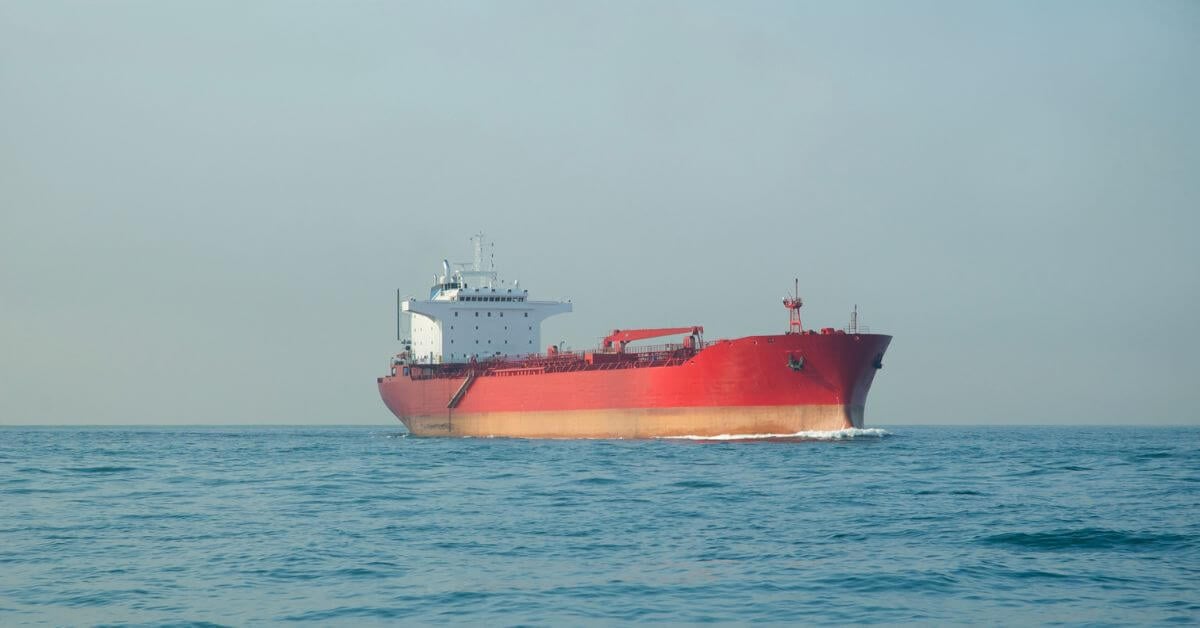
Strait of Hormuz Attack Claims Lives of Two Filipino Seafarers
Three projectiles struck a tanker leaving the Strait of Hormuz on Aug. 31, claiming the lives of two Filipino seafarers, according to the UK Maritime Trade Operations. The attack underscores a volatile corridor where commercial risk and geopolitical friction converge. Every incident here carries measurable human cost, not just tonnage delays. For context on how regional dynamics shape these waters, our coverage of phased negotiations to ease Strait restrictions offers a deeper look at what is at stake diplomatically.
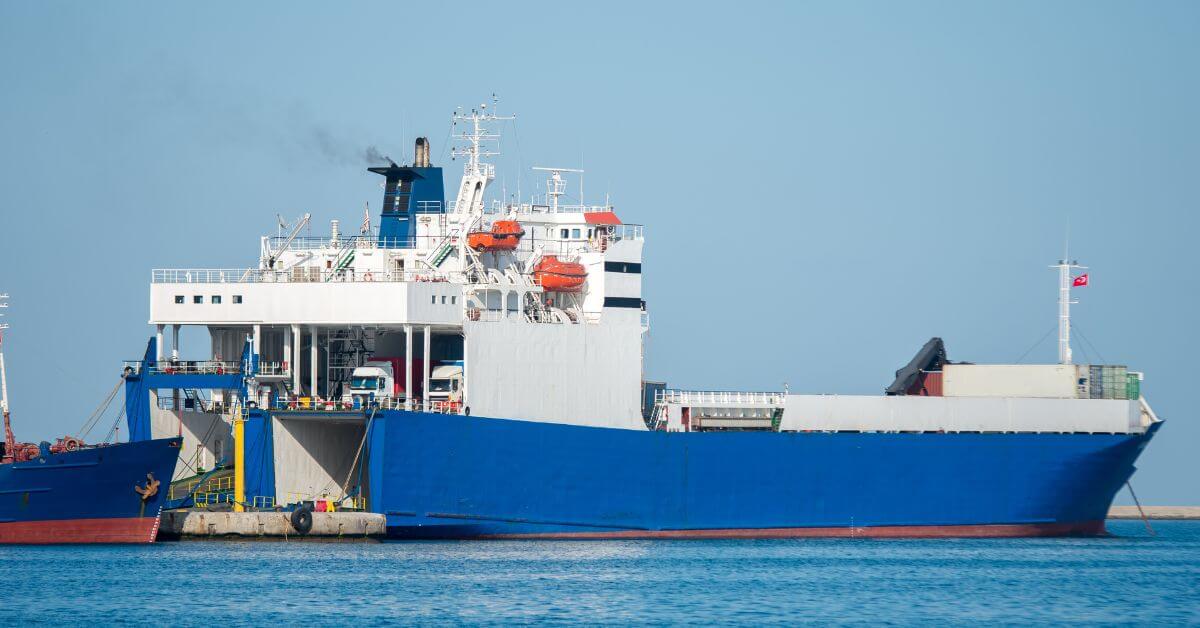
Shipping Constraints Impact Indian Automotive Exports Amid Geopolitical Shifts
India's automotive export engine is idling at the dock. The vessels required to move finished cars out of Indian ports are falling short of demand, a shortage that arrives amid shifting geopolitical currents. This is not a logistical footnote; it is a constraint that will test supply chain resilience. For a sector already navigating global turbulence, the scarcity of shipping capacity adds a measurable layer of pressure. The challenge is clear: without sufficient carriers, momentum stalls.
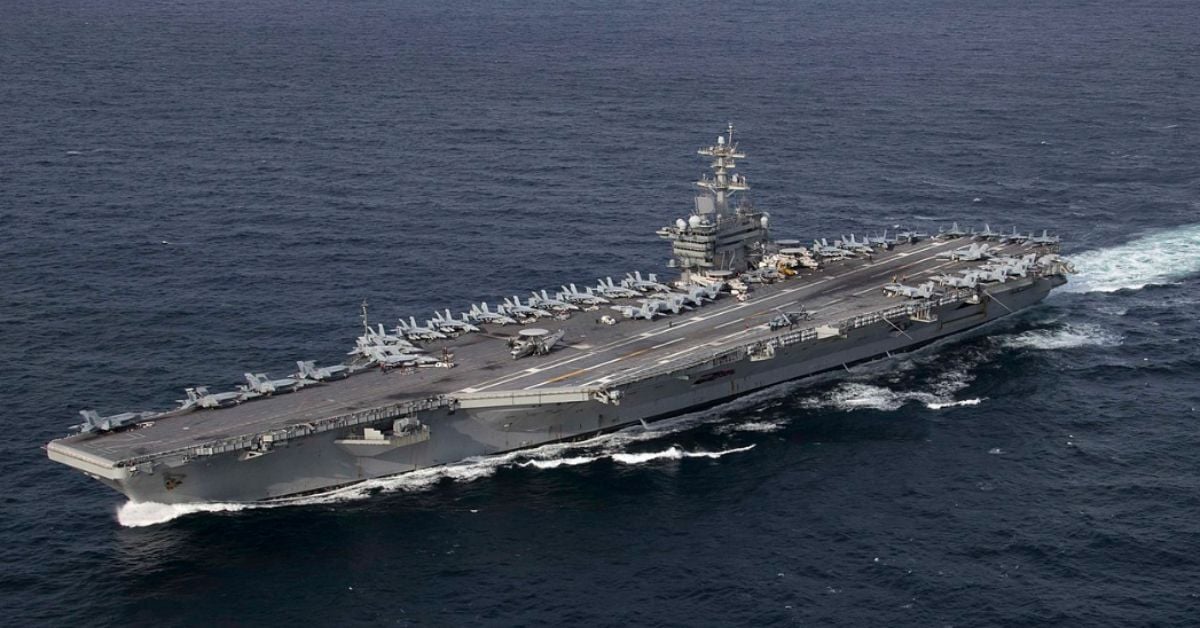
Abraham Lincoln Carrier Completes Middle East Deployment, Heads to Thailand.
The USS Abraham Lincoln will dock in Thailand after a lengthy Middle East deployment, a measured conclusion to months of forward presence. The carrier's transit home marks a routine yet significant operational milestone, reflecting sustained naval readiness across the region. While this return is standard, it underscores the quiet endurance required for global security. For broader context on maritime activity, our piece on Gulf of Oman STS transfers offers timely perspective.
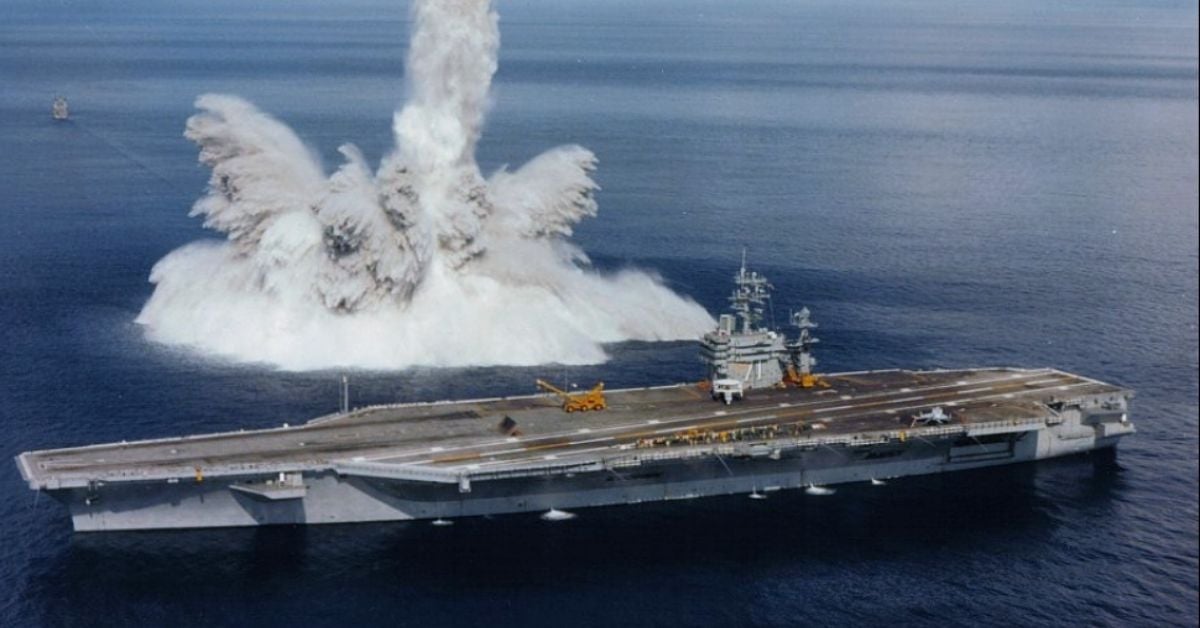
Transition of Naval Power: USS Theodore Roosevelt Heads to the Middle East
The USS Theodore Roosevelt now heads to the Middle East, closing a month of preparation that followed its command of the Rim of the Pacific 2026 exercise off Hawaii. The transition underscores how naval power is shifting from static presence to agile, integrated force projection. This deployment arrives as our coverage highlights parallel pressures: the Gulf of Oman STS transfers maxing out amid rising Saudi exports, and the Navy's push to accelerate autonomous systems integration.
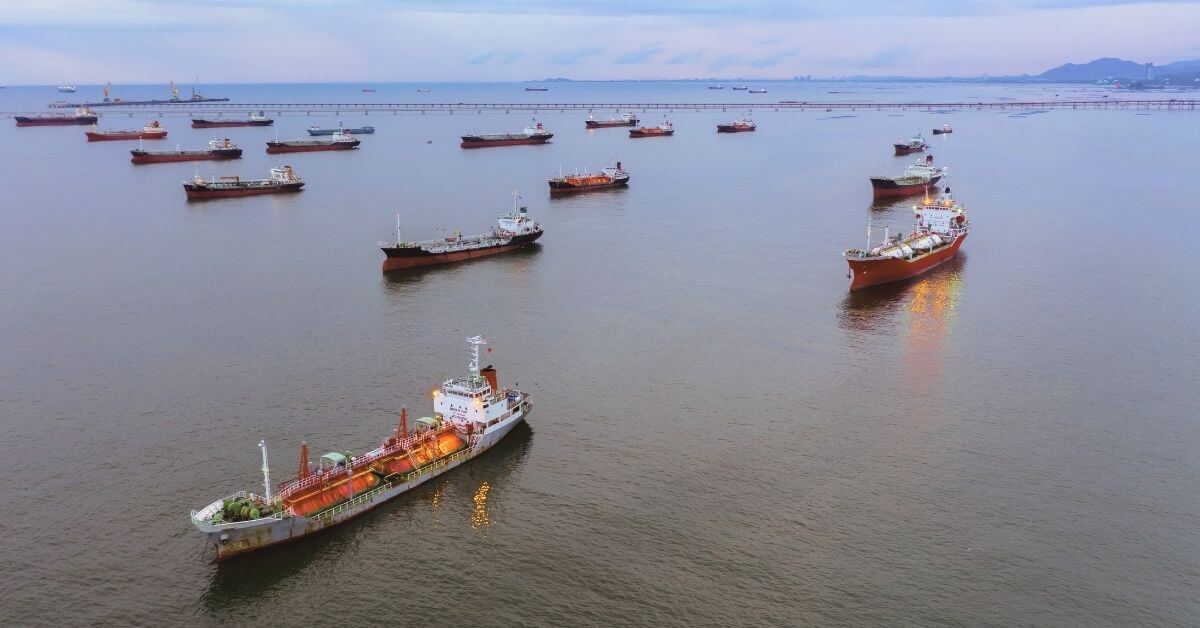
Strait of Hormuz Impasse: Uncertainty Impacts Thousands of Seafarers.
Since late February, the Strait of Hormuz has become a holding pattern for thousands of seafarers. The impasse leaves crews in limbo, their movements frozen by geopolitical friction that shows no sign of easing. It is a precarious position for the people who keep global energy moving. For context on how regional dynamics are straining maritime operations, our coverage of the Gulf of Oman STS transfers offers a related look at the pressure points.
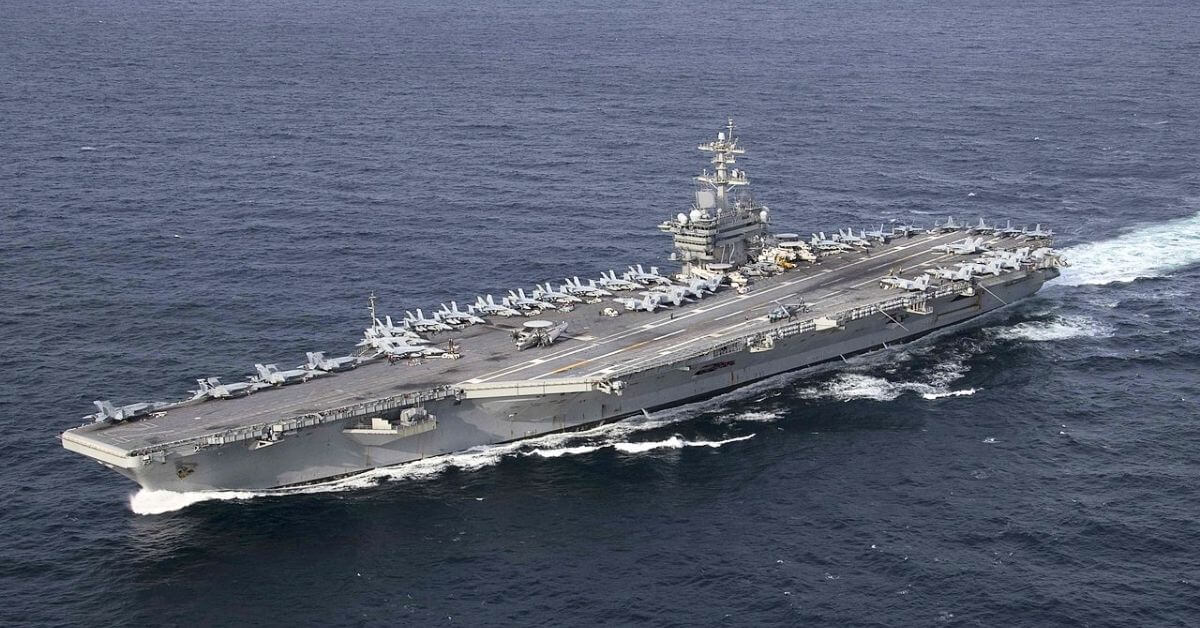
Sailor Rescued from USS Abraham Lincoln Following Mental Health Incident
A sailor who went overboard from the USS Abraham Lincoln during what his family described as a mental health crisis has been rescued and taken for medical treatment. The incident underscores a reality often overshadowed by hardware discussions: human factors remain the most critical variable in naval operations. Even as the Navy accelerates autonomous systems integration for enhanced maritime operations, this rescue is a reminder that safeguarding personnel is the foundation of every mission.
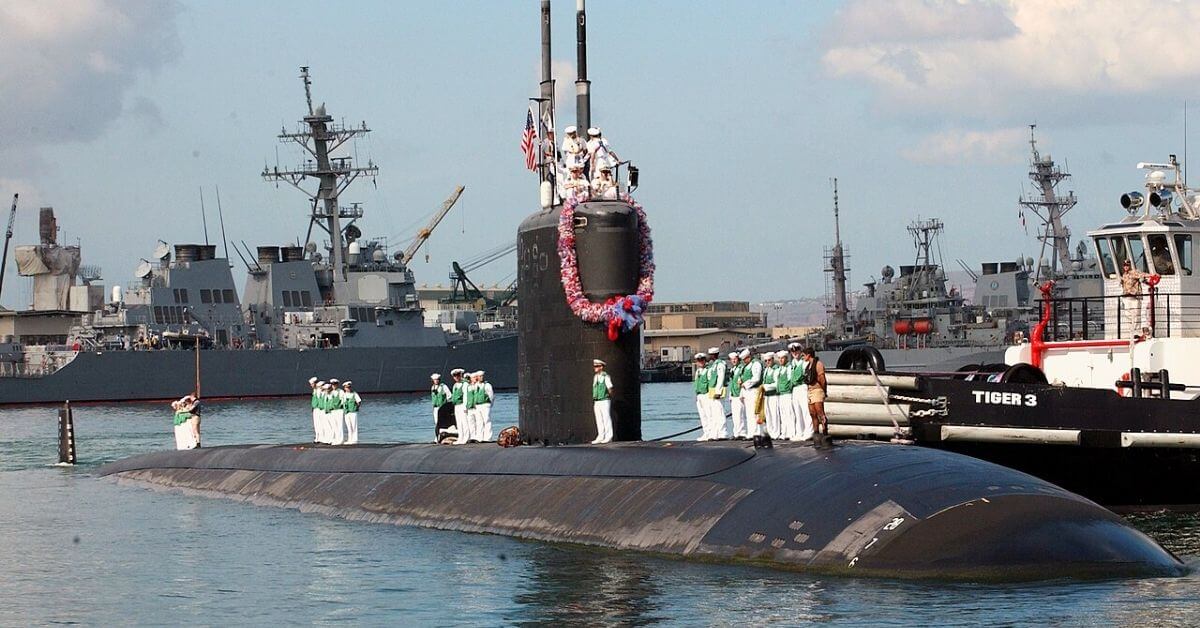
Submarine Maintenance Backlog: $3.4 Billion Cost and Operational Impacts
Fifteen submarines could sit idle for nearly 14,000 days combined between 2026 and 2030, a $3.4 billion backlog that signals a system straining under its own weight. The GAO's estimate is not abstract; it is lost operational capacity with real consequences for maritime readiness. We track these pressures closely, just as we do the Gulf of Oman STS Transfers Max Out Amid Rising Saudi Oil Exports, where infrastructure limits are equally visible.
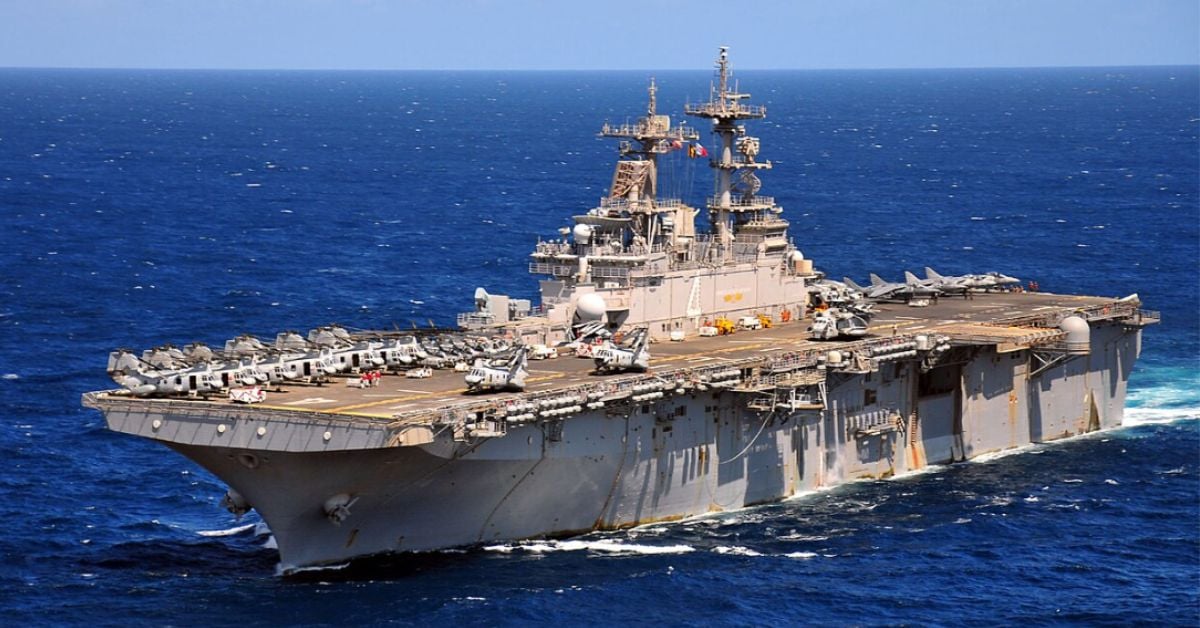
Boxer's Extended Overhaul: Maintaining Naval Readiness Through Integrated Data.
USS Boxer will spend the next several years in a San Diego shipyard, with BAE Systems handling an extended overhaul that runs through October 2028. The work is about more than hull maintenance; it is the deliberate integration of data systems into a warship built for adaptability. Naval readiness now depends on how well platforms share and process information. As autonomous systems reshape operations, as the Navy's new integration center signals, this overhaul positions Boxer for what comes next.
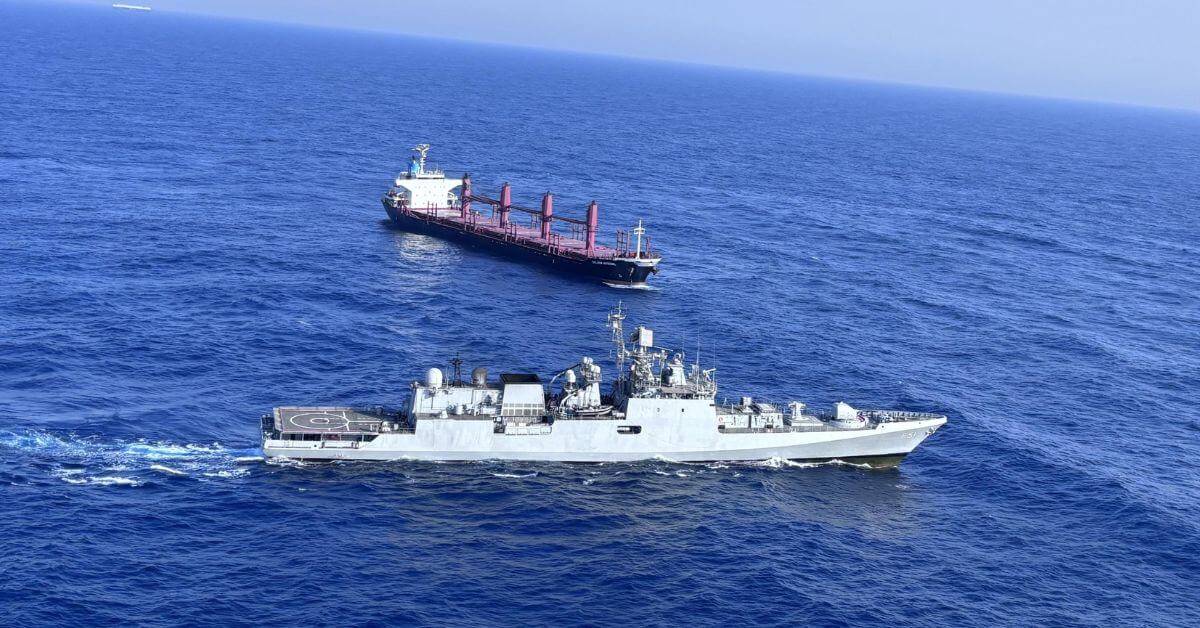
Securing Trade Routes: Indian Navy Ensures Safe Passage Through Bab-el-Mandeb
The Indian Navy's deployment through the Bab-el-Mandeb is a calibrated exercise in maritime security, ensuring that essential cargo continues moving to and from India without disruption. This is not abstract strategy; it is the practical work of keeping trade lanes open where geopolitical friction runs high. The operation reflects a measured commitment to stability, one that aligns with broader shifts in regional logistics, such as the Gulf of Oman STS transfers reaching capacity. Reliable passage here is not optional; it is the backbone of commerce.
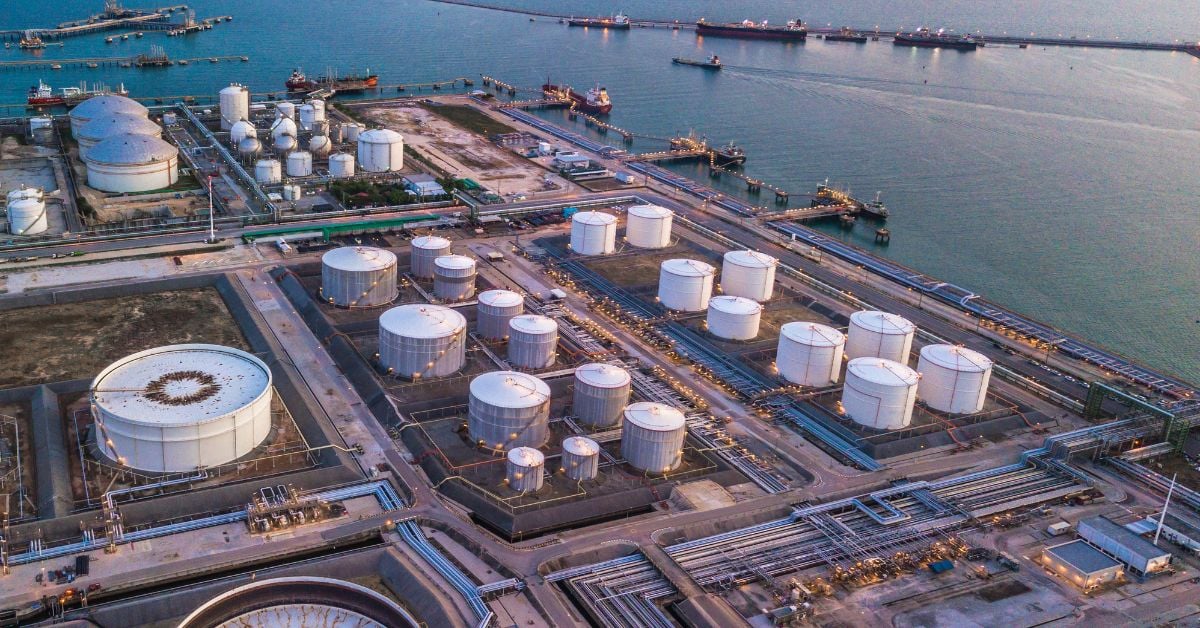
Securing Energy: Japan Plans Integrated Pipeline Network Beyond Hormuz Strait
Japan is moving to secure its energy lifeline with an integrated pipeline network designed to bypass the Strait of Hormuz, a strategic chokepoint where geopolitical friction carries real economic weight. The plan reflects a calculated shift toward resilience, not alarm. It is a measured response to a fragile maritime route, and one that warrants attention as global supply chains recalibrate. For broader context on regional bottlenecks, our related coverage on Gulf of Oman STS transfers offers a useful lens.

Extended Deployment: Abraham Lincoln Carrier Highlights Naval Endurance at Sea
The Abraham Lincoln's extended deployment underscores the US Navy's capacity for endurance when strategic demands require it. While six to nine months is the standard, conflict-driven extensions are a calculated reality, not a failure of planning. This is maritime persistence measured in readiness, not rhetoric. For broader context on regional pressure points, our related piece on Gulf of Oman STS transfers outlines how operational tempo shifts elsewhere. The carrier's longevity at sea remains a practical demonstration of sustained naval power.

Strait of Hormuz Transit Costs Soar, Impacting Global Energy Flows.
The Strait of Hormuz carried roughly a fifth of global oil flows before the Iran war, and now transit costs are soaring. That shift does not just redraw shipping economics; it tightens the margins on every barrel and LNG cargo moving through a chokepoint the world still depends on. The pressure is measurable, and the implications for energy security are immediate. For deeper context on how nearby routes are adapting, our piece on Gulf of Oman STS transfers is worth reading.

Naval Shift: George Washington Arrives as Lincoln Deployment Concludes
The turnover of crews is a constant in naval operations, but the conclusion of the *Lincoln*'s deployment carries a weight that extends beyond routine rotation. It lands as families raise valid questions about life aboard, and those concerns merit more than standard assurances. The arrival of the *George Washington* provides operational continuity, yet it also signals a moment to listen. For deeper context on how the Navy is modernizing its approach, our piece on autonomous systems integration offers a relevant perspective.

Shifting Shipping Patterns: Omani Route Gains Prominence Through Strait.
A month ago, the Omani route saw almost no commercial traffic. Now, it is gaining prominence through the Strait, a shift that speaks to how quickly maritime dynamics can change. Kpler's data makes the pivot measurable, and that matters. This is not speculation; it is empirical movement. For deeper context on the pressure building in these waters, our piece on Gulf of Oman STS Transfers Max Out Amid Rising Saudi Oil Exports tracks the capacity constraints driving such realignments.