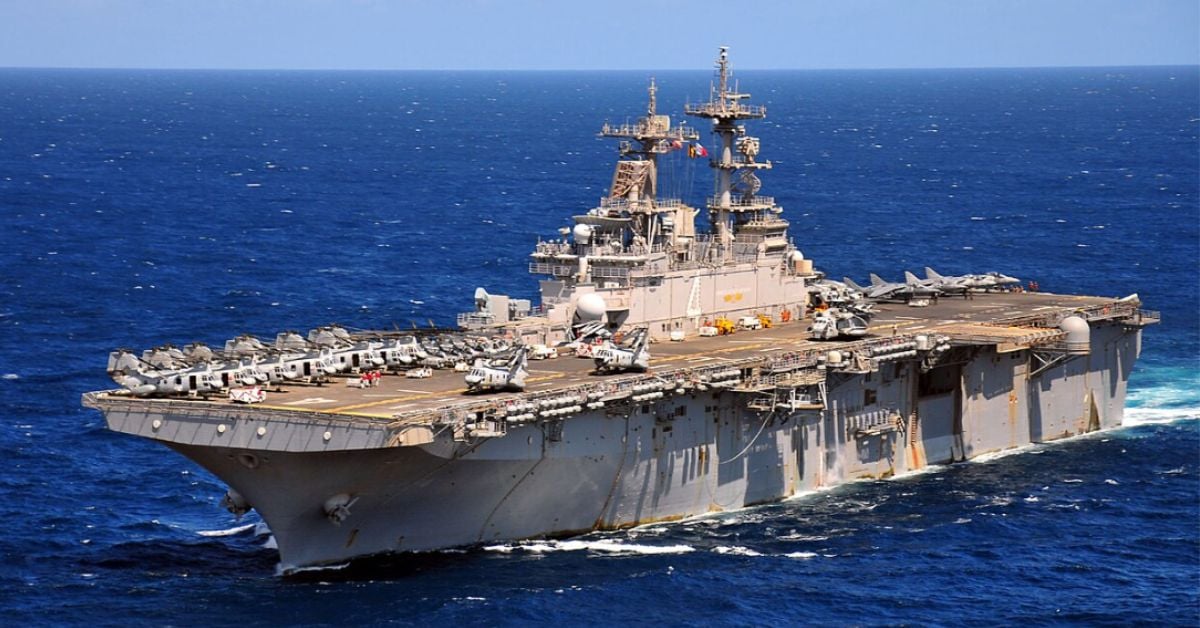
The decision to extend USS Boxer's overhaul through October 2028 is not an admission of failure; it is a calculated acknowledgment that readiness cannot be rushed. When a warship enters a yard for major maintenance, the objective is not simply to return it to service. The objective is to return it to service as a calibrated, integrated asset within a fleet that depends on predictability. For the crew, the supply chain, and the strike group that will eventually sail on that ship, the extended timeline is the difference between a vessel that merely floats and one that fights as designed.
This is where the conversation moves beyond dry dock schedules and into the operational reality our readers track daily. A ship is not an isolated platform; it is a node in an integrated data ecosystem. The same logic that drives commercial shipping to maximize throughput, whether through Gulf of Oman STS Transfers Max Out Amid Rising Saudi Oil Exports or the pressure on chokepoints, applies to naval maintenance. If the Navy rushes Boxer back to sea with unresolved system integrations, it risks a different kind of delay: a casualty at sea, a degraded combat system, or a missed deployment window that cascades across the fleet. The extension is not a delay; it is an investment in avoiding a more expensive failure later.
We would tell any reader asking about this story to stop thinking in terms of calendar days and start thinking in terms of data continuity. The extended overhaul aligns with a broader push toward Navy Accelerates Autonomous Systems Integration for Enhanced Maritime Operations, where the service is building a center to weave robotic and autonomous systems into its core. A ship that spends an extra year in the yard can incorporate those lessons into its baseline, ensuring that when Boxer does sail, its sensors, weapons, and communication suites are not just repaired but synchronized. That integration is what makes a platform relevant against peer competitors, not just functional. The same strategic patience that underpins phased negotiations in the Phased Negotiations Aim to Ease Restrictions on Strait of Hormuz reflects a willingness to accept short-term friction for long-term stability.
The practical takeaway is straightforward: the Navy is prioritizing empirical readiness over schedule optics. For those of us who track maritime power, the question is not whether October 2028 is too late. The question is whether the fleet can afford to repeat the pattern of sending ships to sea with unresolved technical debt. The specific detail to watch is whether BAE Systems and the Navy use this extended window to standardize maintenance data across the class, turning Boxer into a reference point for how future overhauls are managed. If they do, this extended overhaul becomes less a story about a delayed ship and more a story about a smarter way to build and maintain naval power. If they do not, we will be reading the same headlines in a few years, only with a different hull number.