infrastructure
World Data Ocean keeps infrastructure in one place: 32 stories so far. The section currently leads with “5 000 metric tonnes of certified bioethanol fuel a Maersk vessel in Singapore”, “Cleveland submarine repair hub advances fleet readiness through integrated infrastructure”, and “Floating data centers anchor ocean intelligence to existing port infrastructure”. The Maersk Halifax has completed a bunkering operation in Singapore, taking on approximately 5,000 metric tonnes of ISCC-certified bioethanol. Cleveland's submarine repair hub integrates infrastructure to directly confront a pressing bottleneck: delayed maintenance and repairs across the fleet. A Global Hub for Ocean Intelligence 4 World Data Ocean is a centralized digital platform where researchers, scientists, and ocean enthusiasts converge to… The list below is every infrastructure story on World Data Ocean, newest first.
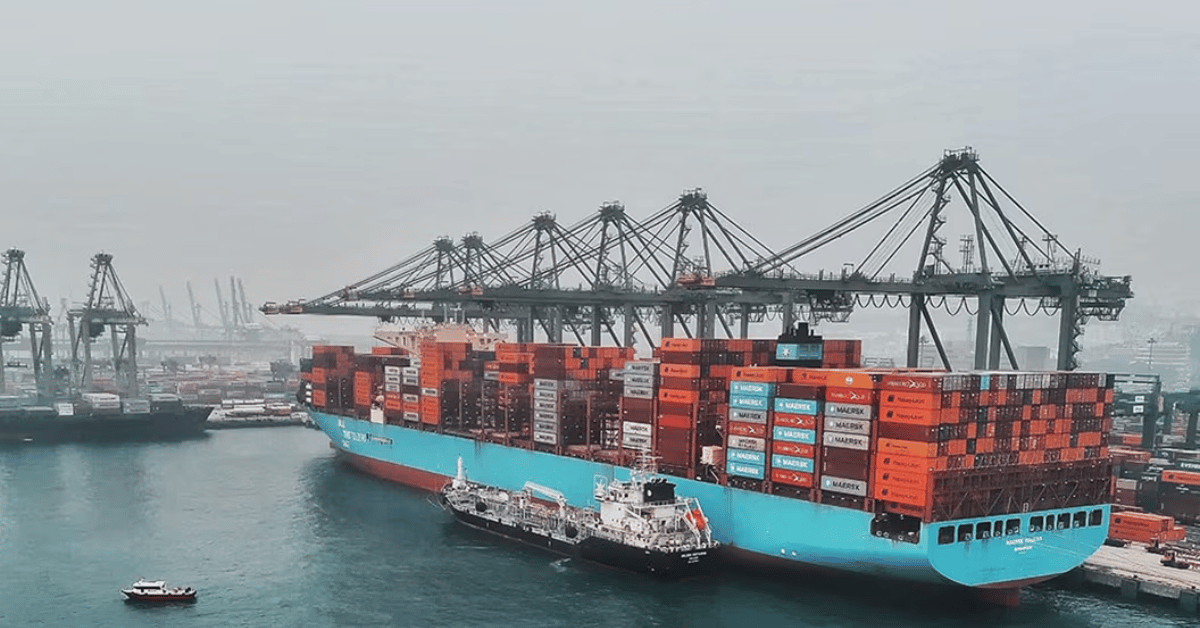
5 000 metric tonnes of certified bioethanol fuel a Maersk vessel in Singapore
The Maersk Halifax has completed a bunkering operation in Singapore, taking on approximately 5,000 metric tonnes of ISCC-certified bioethanol. This is a validated, measurable step toward decarbonizing maritime fuel systems. Bioethanol offers a real-time alternative to conventional bunker fuels, and its certification ensures empirical accountability. For deeper context on industrial maritime collaboration, see our coverage of the Maersk vessel arriving at L&T's Kattupalli Yard.
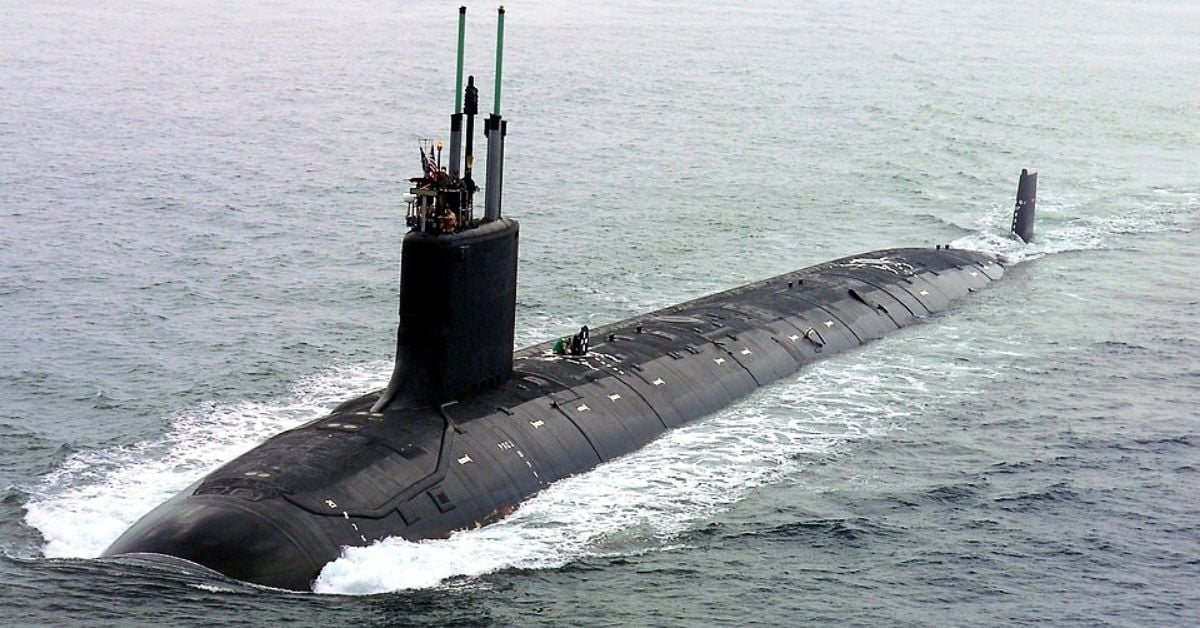
Cleveland submarine repair hub advances fleet readiness through integrated infrastructure
Cleveland's submarine repair hub integrates infrastructure to directly confront a pressing bottleneck: delayed maintenance and repairs across the fleet. By increasing component availability, the centre moves beyond piecemeal fixes toward a coordinated system. This is measurable progress. It echoes the logic behind "Floating data centers anchor ocean intelligence to existing port infrastructure", both projects prove that integrated, existing assets, properly calibrated, can drive real operational readiness.
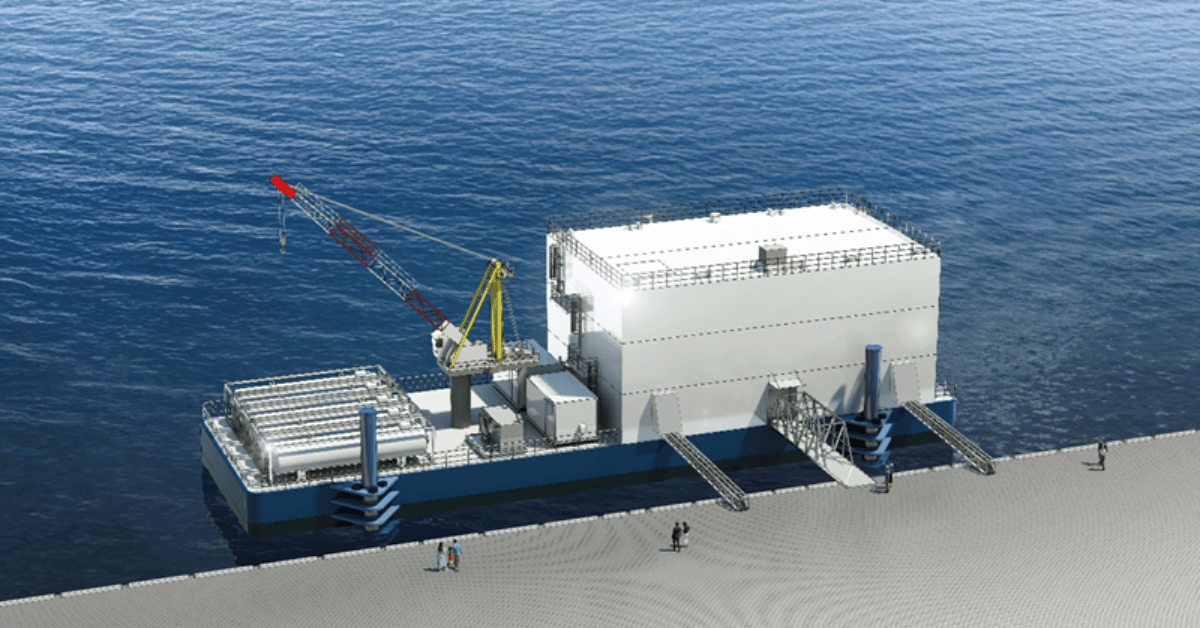
Floating data centers anchor ocean intelligence to existing port infrastructure
NYK and three partners have designed a port-based floating data center that anchors ocean intelligence directly to existing infrastructure. By integrating real-time computing capacity where ships already dock, this concept transforms coastal ports into nodes of an integrated data ecosystem. The approach is practical, measurable, and avoids the hype of unproven offshore installations. For readers tracking parallel innovation in marine energy, our coverage of Belgium's First Artificial Energy Island offers a complementary look at how infrastructure is being recalibrated for a changing climate.

Calibrating port resilience against measurable cyclone-driven economic loss
Shanghai Port emerges as the most vulnerable among five key Chinese ports when resilience is calibrated against measurable cyclone-driven economic loss. This is no surprise for a mega-hub whose efficiency and network importance may mask fragility. The study's integrated index, built from expert surveys, AHP, and TOPSIS, reveals that high importance does not guarantee lower losses. Cargo-handling fees bear the heaviest seasonal damage. Better berth planning and staff training offer clear, empirical paths to protection. Understanding drives protection.
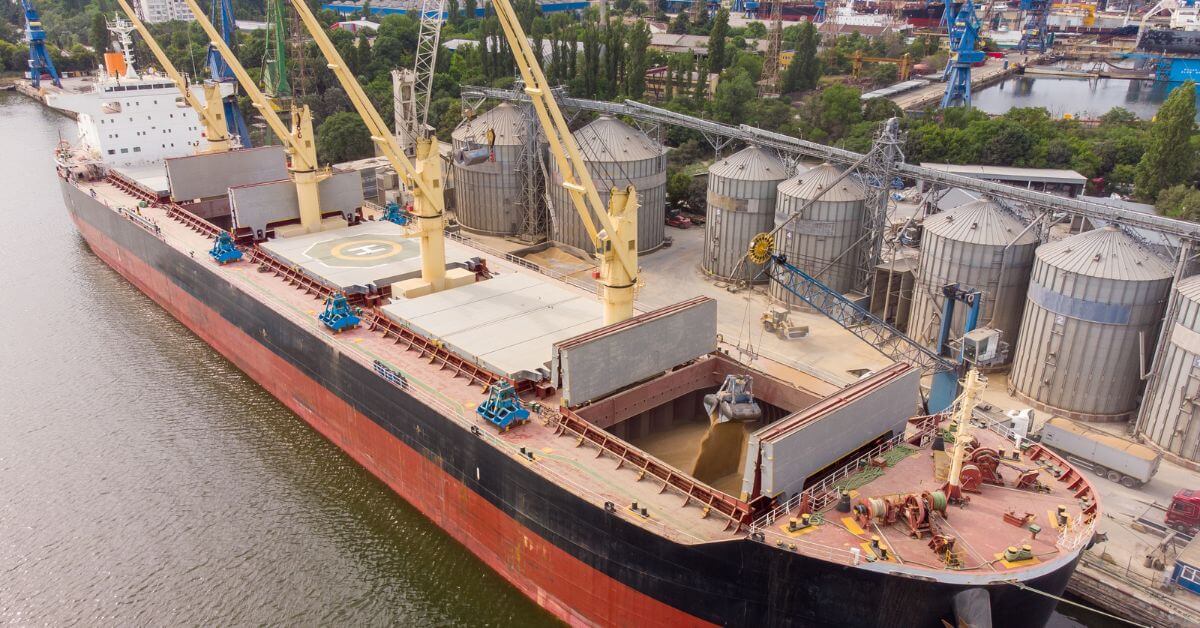
Baltic States Call for EU to Halt Russian Grain Transit Amid Trade Route Shifts
The Baltic States have formally called on the EU to halt the transit of Russian grain through European ports and transport routes, a direct response to shifting trade dynamics. This measured policy intervention prioritizes verified trade data over reactive measures. For deeper context on how global trade patterns are evolving alongside climate indicators, see our related piece on China's electric vehicle acceleration. Understanding trade flows is essential to calibrating effective, collaborative policy.
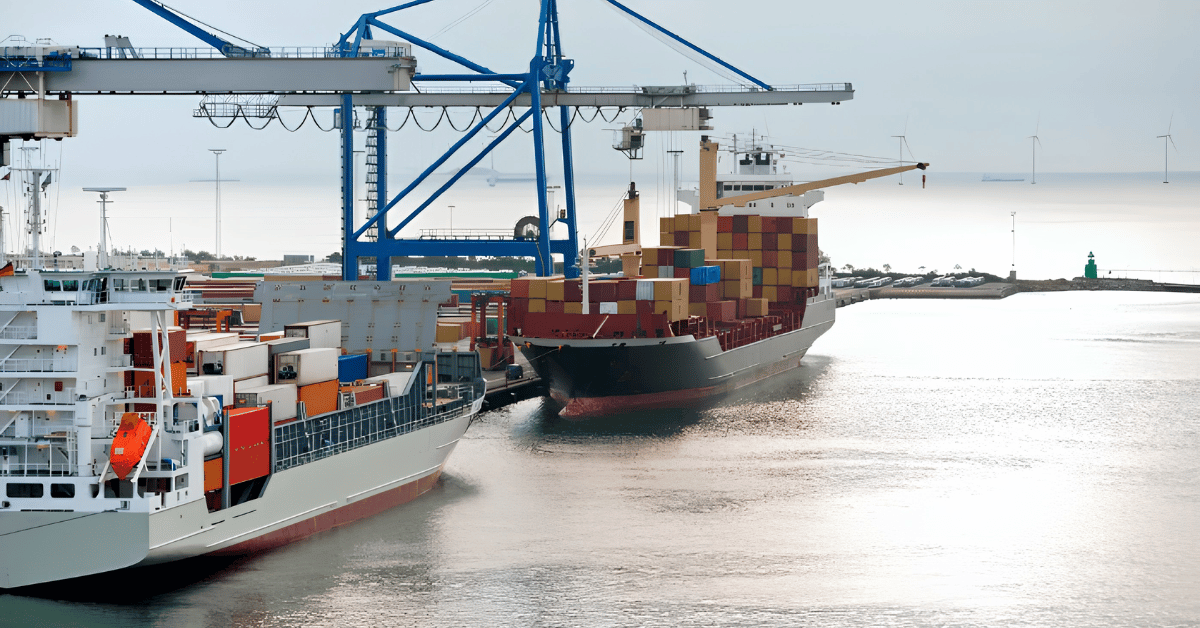
A Measured Step Forward for West African Maritime Infrastructure
A 10,000-hectare deep-sea port and special economic zone in Nigeria's Ogun State signals a measured step forward for West African maritime infrastructure. DP World, Ogun State, and Ogun Deep Sea Port have signed MoUs to explore this integrated development, one that could reshape regional trade logistics. Such projects demand empirical validation, not hype. For context on how ocean data underpins infrastructure decisions, our coverage of "Empirical ocean data powers the measurable path to energy transition" offers a parallel. Understanding drives responsible expansion.
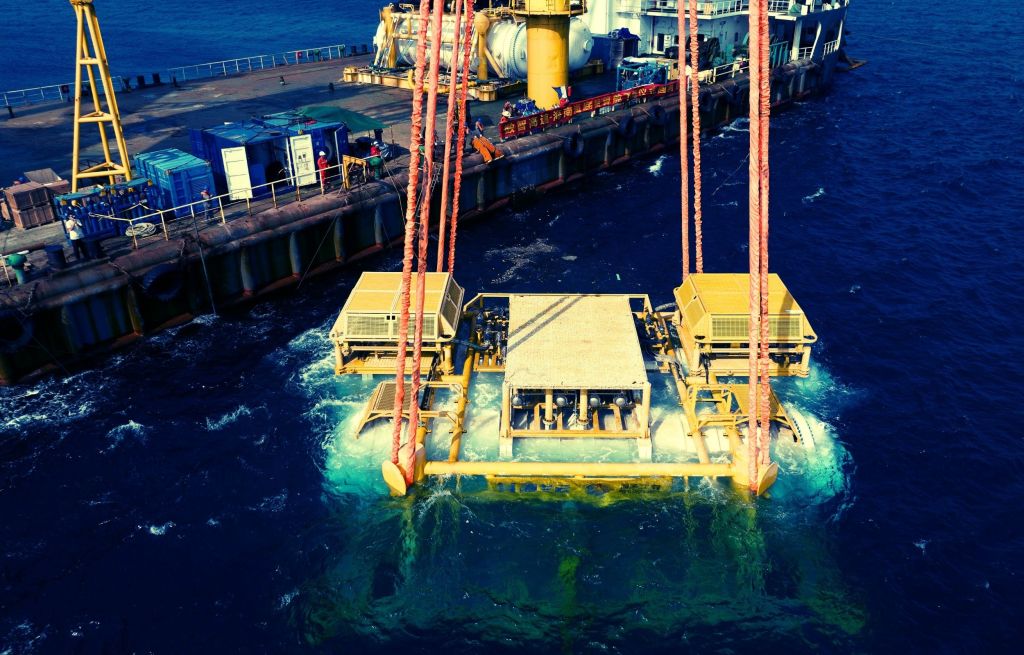
China Submerges AI Data Center in Ocean Floor Deployment
China submerges an AI data center on the ocean floor, a move that prioritizes speed and cooling efficiency over the land-based debates stalling U.S. projects. This deployment demands rigorous validation. How safe is a submerged digital infrastructure against pressure, corrosion, and real-time operational risks? The answer matters for the entire integrated data ecosystem. For deeper context on ocean system shifts, our coverage of a century of ocean intelligence revealing a measurable current slowdown provides essential reading.
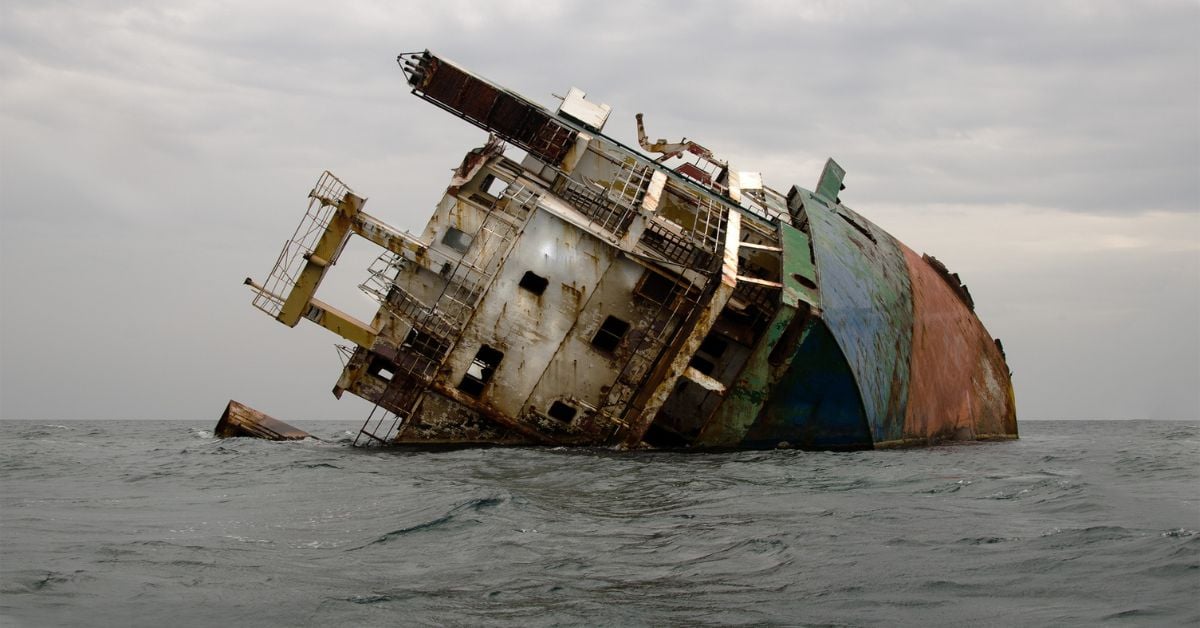
Overloaded vessel capsizes on Lake Kivu, second fatal sinking in a week
The Kisheki village head confirms what we already know too well: overloading kills. A vessel carrying more than 50 people has capsized on Lake Kivu near Idjwi Island, the second fatal sinking in a week. This is not an accident; it is a predictable failure of oversight. Empirical data on vessel capacity exists. Ignoring it costs lives. For deeper context on regional maritime tragedies, see our coverage of the Lake Tanganyika sinking. Understanding drives protection.
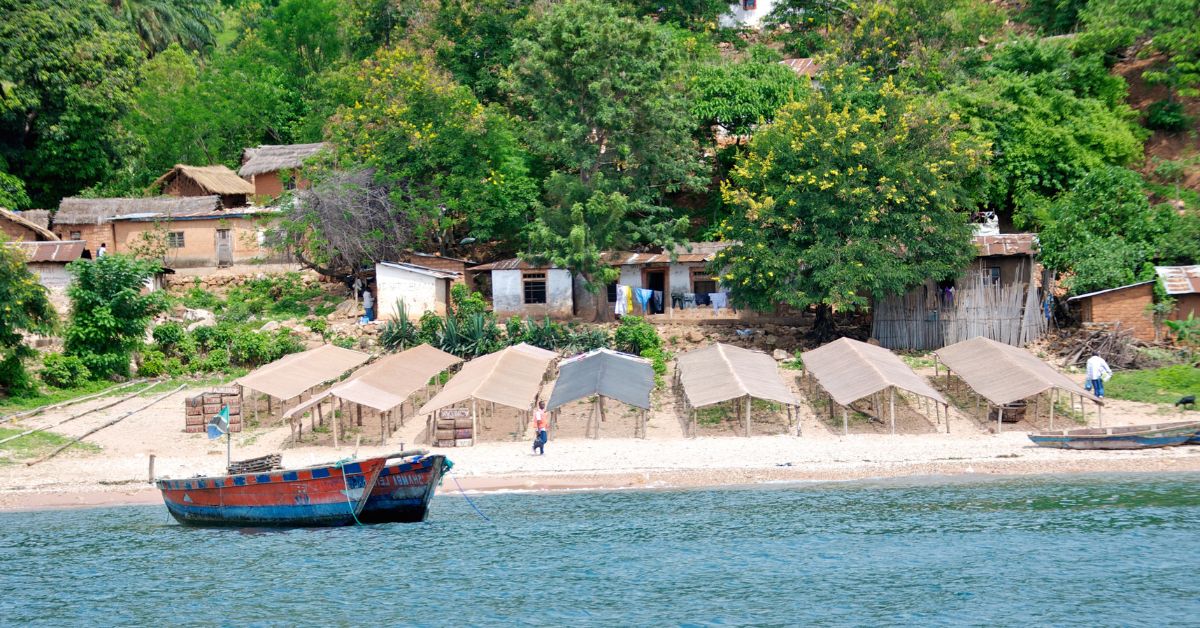
Tragedy on Lake Tanganyika: 41 Dead in Congolese Vessel Sinking
The sinking of a vessel on Lake Tanganyika, claiming 41 lives among roughly 100 passengers and cargo, is a stark reminder of the fragility inherent in regional transport. The loss is profound, and our focus must remain on the human cost and the need for validated safety measures. This incident underscores the urgency of integrated data ecosystems for maritime risk, much like the connectivity advances seen in our coverage of integrated subsea cables enhancing data transmission. Every loss demands we calibrate our commitment to prevention.
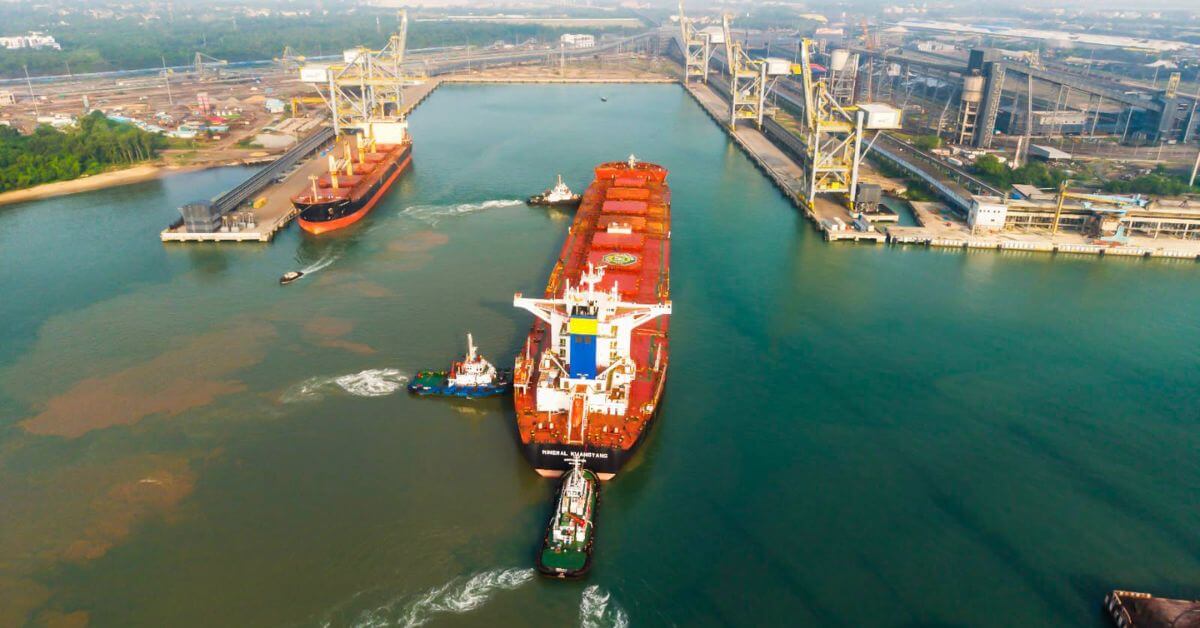
Paradip Port Designated a Mega Port, Anchors Eastern India's Maritime Growth
Paradip Port's designation as a "Mega Port" under the Indian Ports Act, 2025, is a decisive step for Eastern India's maritime ambitions. It stands alone on the eastern coast with this status, a distinction that carries weight beyond nomenclature. This is validated progress, measured in infrastructure and trade potential. The region's growth depends on such calibrated investments. For broader context on global port developments, our coverage of Alaska's Base Kodiak pier project offers a useful contrast in strategic capability building.

Integrated Subsea Cables Enhance Data Transmission Across the Indian Ocean
The Indian Ocean is becoming the new backbone of global connectivity, with integrated subsea cables now being laid to enhance data transmission across its waters. This route directly benefits India, positioning it as a pivotal hub in a network that carries 99% of the world's data. The shift is pragmatic, moving away from traditional paths to strengthen resilience and speed.
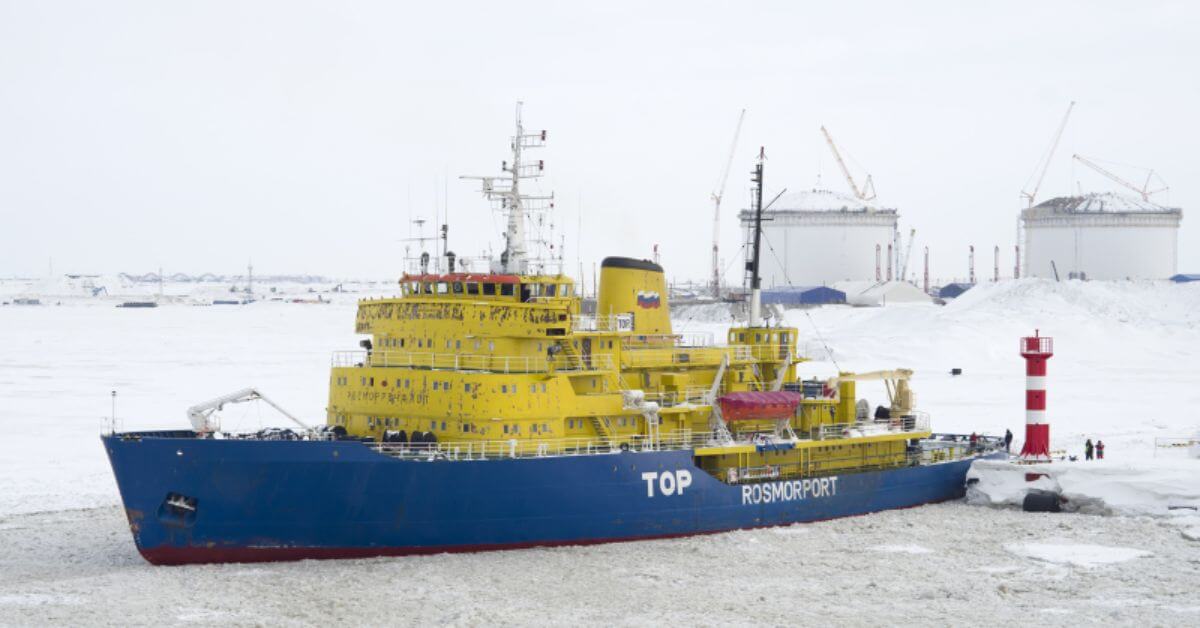
Russia Calibrates Export Revenue for Northern Sea Route Icebreaker Fleet
Russia plans to collect more than 200 billion roubles from exporters to fund two new icebreakers for the Northern Sea Route, a move that ties Arctic access directly to fiscal strategy. It is a calibrated bet: revenue marshaled now for extended navigation later. The sums are substantial, and the intent is clear. For context on how maritime infrastructure continues to shape regional ambitions, see our coverage of the Vostok project's Arctic oil exports.
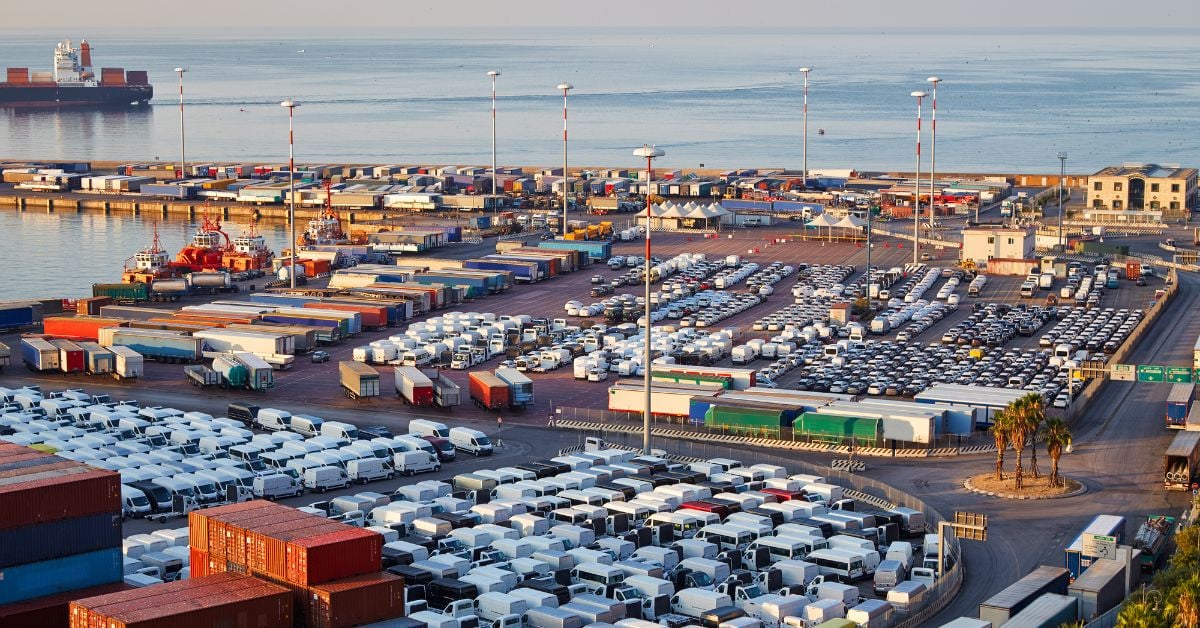
Ukraine Supports India’s Initiative for Black Sea Shipping Routes
Ukraine's consideration of India's proposal to restore safe navigation in the Black Sea signals a practical step toward maritime stability. Reopening these routes is not merely a regional matter; it supports global supply chains and the exchange of ocean intelligence. The move reflects measured diplomacy, grounded in shared interests rather than rhetoric. For readers tracking how nations recalibrate maritime strategy, our related coverage on integrated subsea cables across the Indian Ocean offers useful context on how connectivity and shipping increasingly intersect.
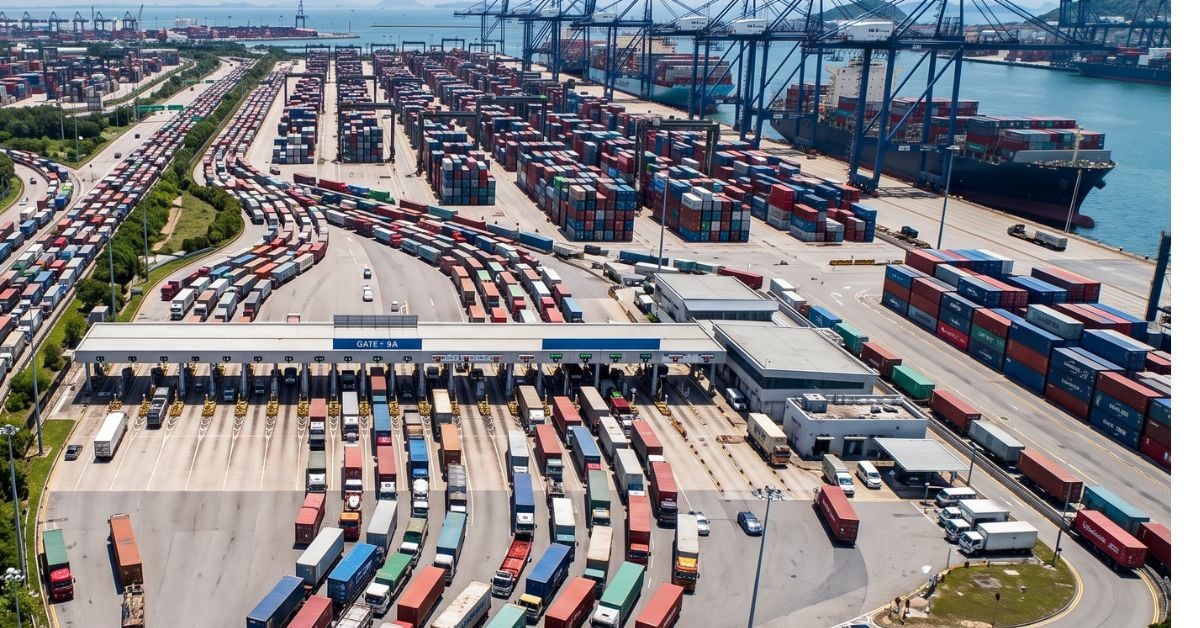
Gate Delays Expose Critical Link in National Trade Flow
A single container gate may appear unremarkable, yet its operational rhythm sets the tempo for national trade flow. When delays accumulate at this critical juncture, the ripple effect on export-import volumes is immediate and measurable. We see this bottleneck as a calibrated indicator of broader supply-chain health. Understanding this link is not optional; it is essential for integrated logistics planning.
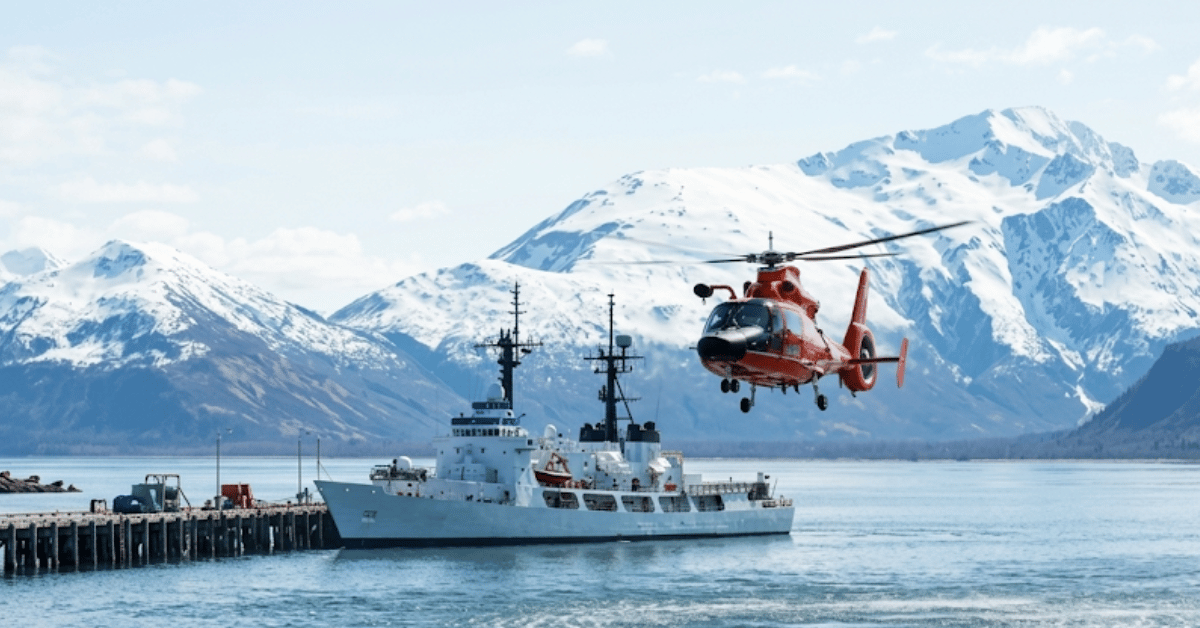
Alaska’s Base Kodiak to Gain Enhanced Arctic Capabilities with New Pier
The U.S. Coast Guard's $315 million contract for a new cutter mooring and fuel pier at Base Kodiak is a measured step toward strengthening Arctic readiness. This investment gives Alaska's hub the infrastructure to sustain operations where climate indicators demand attention. It is practical, forward-looking, and overdue. For broader context on polar infrastructure momentum, our coverage of Russia's Northern Sea Route icebreaker financing offers a useful contrast. This pier is about capacity, plain and simple, and that is how we measure progress.
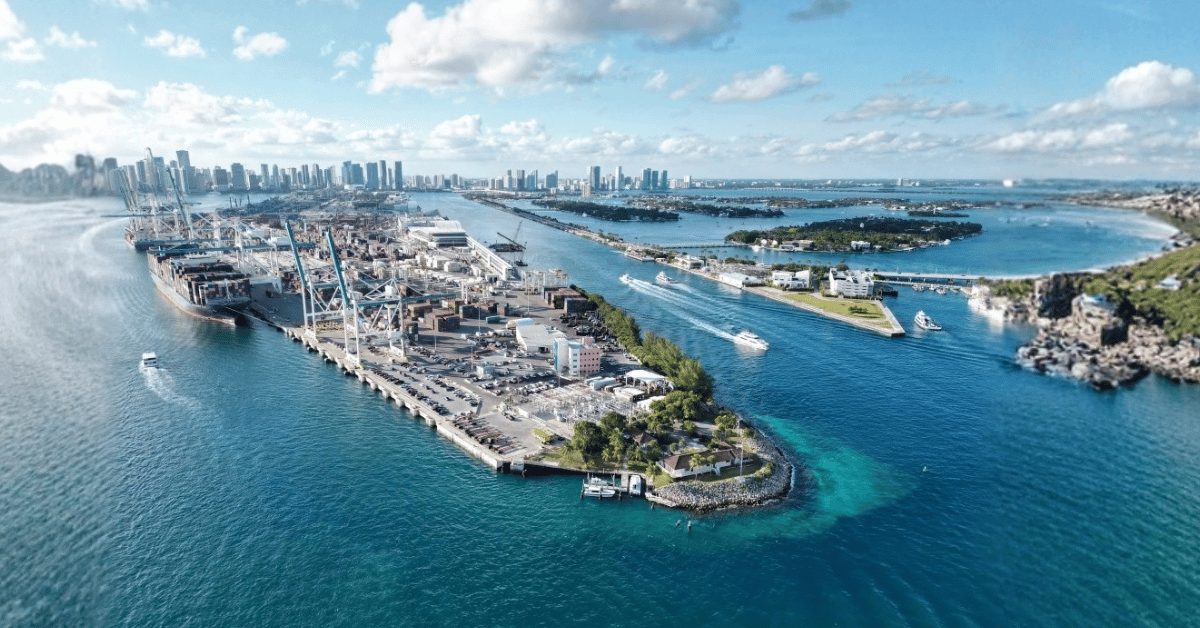
Port Miami Sets New Benchmark: 10 Million Cruise Passengers Reached
Port Miami has welcomed its 10 millionth cruise passenger for FY2026, surpassing its previous annual record and marking the highest volume in the port's history. This milestone reflects sustained momentum in maritime travel, backed by infrastructure that keeps pace with demand. It is a measurable validation of operational capacity, not a fleeting spike. For context on how marine systems move cargo and data, our coverage of the bulk carrier freed near Gladstone offers a useful counterpoint.
Integrating Data Infrastructure with Ocean Ecosystems: A Calibrated Approach
The seafloor is not a passive highway for data; it is a living system that demands calibration. This submission recognizes that integrating infrastructure with ocean ecosystems requires more than laying cables, it requires measuring impact with empirical rigor. We support this approach because it treats the ocean as a partner, not a conduit. Related coverage, such as our piece on integrated subsea cables across the Indian Ocean, reinforces the stakes. Understanding drives protection, and this work gets that sequence right.
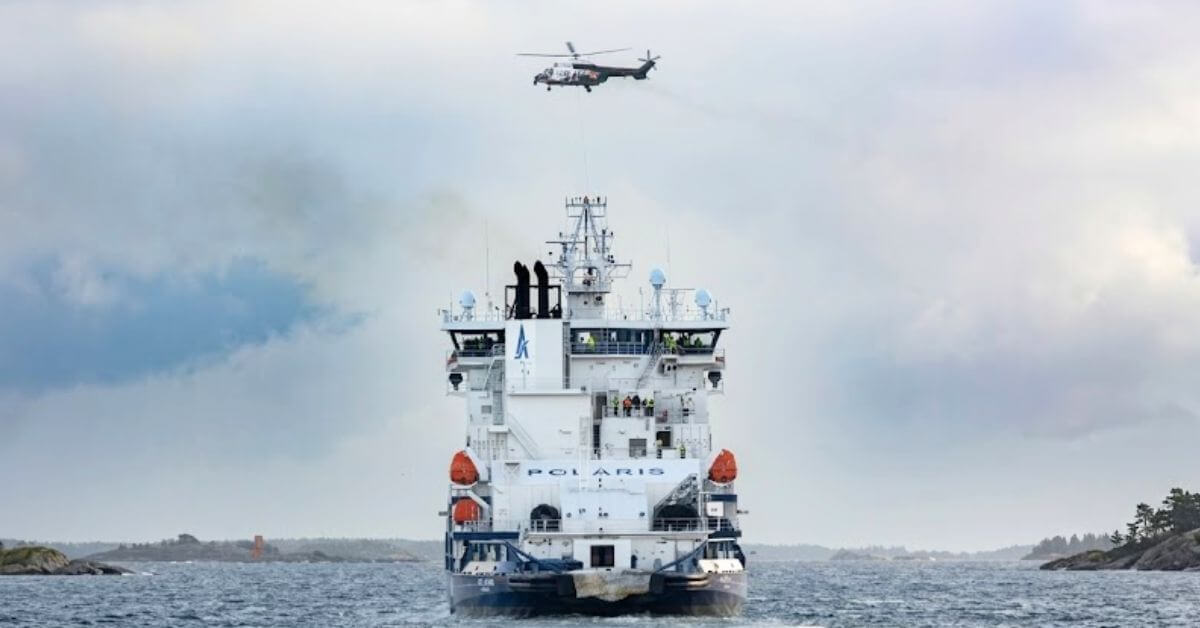
Protecting Baltic Cables: Finland Enhances Response to Underwater Infrastructure Threats
Finland's response to suspected underwater infrastructure damage is tightening, and rightly so. The incidents involving Baltic cables have pushed officials to sharpen their procedures for assessing vessels that may pose a threat. This is measured, practical progress. Protecting the data routes that carry nearly all transoceanic traffic is not optional. For readers tracking related risks, our coverage of the bulk carrier grounding near Gladstone offers another reminder of how vulnerable maritime chokepoints remain.
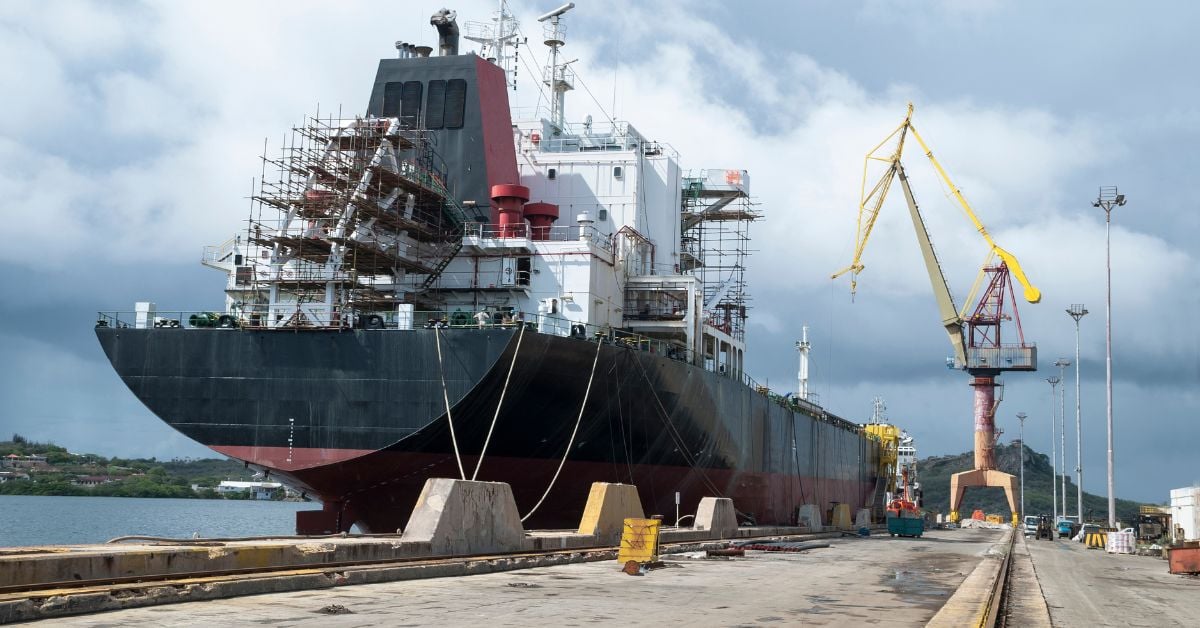
Kochi Poised to Become a Global Maritime Services Hub.
Kochi is positioning itself as a global maritime services hub, expanding its technical and operational capacity with measurable intent. This is not ambition for its own sake, it is a calibrated step toward integrated ocean intelligence. When a port city invests in real, validated capabilities, it strengthens the entire data ecosystem that connects orbit to ocean floor. For deeper context, see our coverage of Cochin Shipyard's strategic equity stake in Conoship. Understanding drives protection.
ICT Development's Role in Decarbonizing Global Maritime Transport
A new study confirms what we've long suspected: ICT development measurably reduces CO₂ emissions from maritime transport. Analyzing data across 111 countries, researchers found that digital infrastructure cuts emissions, but only up to a point. Beyond a certain scale of maritime activity, that benefit weakens. The threshold effect is a sobering reminder that technology alone cannot solve decarbonization. Strategy must scale with operations. For further context on maritime infrastructure growth, see our coverage of Paradip Port's designation as a Mega Port.

Sea Drones Strike Sochi, Demonstrating Extended Reach and Impact.
A Ukrainian sea drone strike reached Sochi, a Russian resort roughly 700 kilometers from the border, demonstrating an extended range that redefines maritime conflict. This is not alarmism; it is a measurable shift in operational reach. The attack underscores how uncrewed systems can project force far from traditional front lines. For deeper context on maritime infrastructure and strategic chokepoints, see our coverage of *Paradip Port Designated a Mega Port*. Understanding these dynamics is essential for assessing global security.
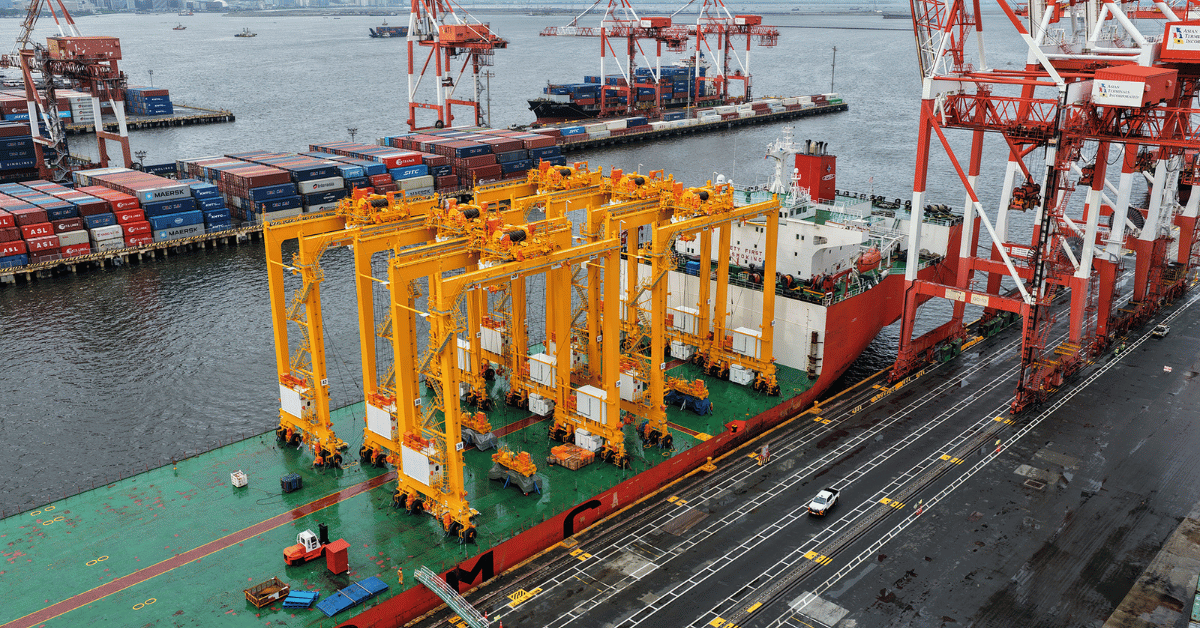
Boosting Manila's Port Capacity with Hybrid, Low-Emission Cranes
Manila South Harbour's new hybrid RTG cranes represent a calibrated step toward measurable decarbonisation in port operations. DP World and Asian Terminals have commissioned six low-emission units that boost capacity and safety without sacrificing operational integrity. This is empirical progress, integrated infrastructure that reduces emissions while strengthening throughput. For broader context on global port modernisation, our coverage of Paradip Port's designation as a Mega Port offers a parallel example of strategic maritime growth. Understanding drives protection, and these cranes deliver both.
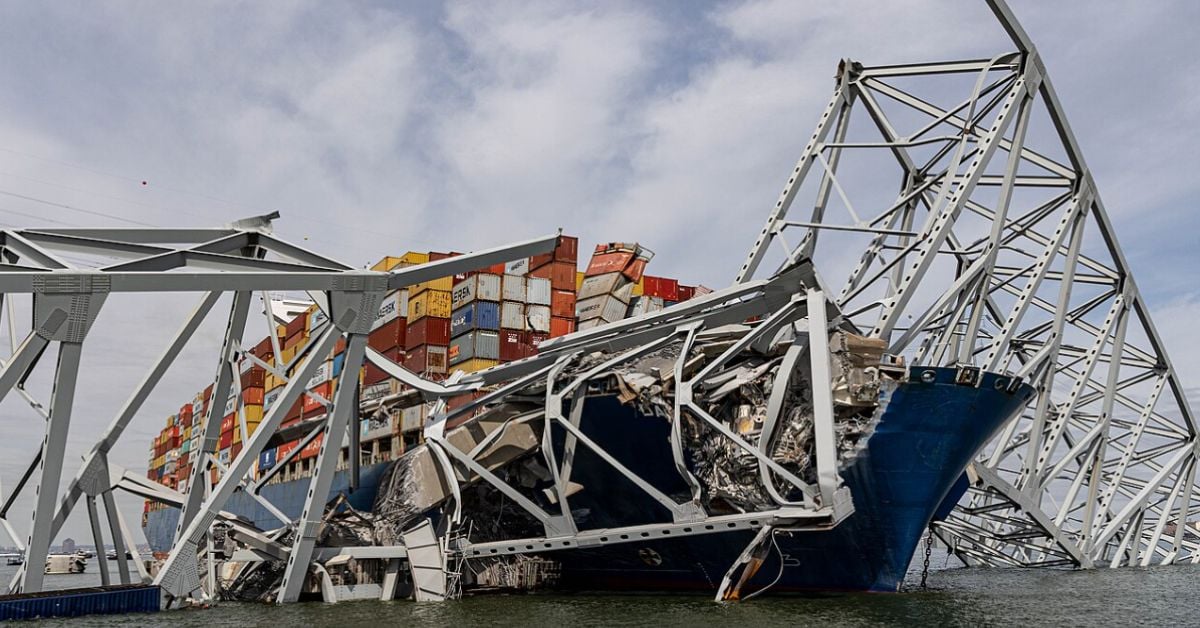
Key Bridge Collapse Reveals Critical Gaps in Port Safety Assessments
The final report on the Key Bridge collapse confirms what empirical data has long indicated: waterway risk assessment tools remain underutilized, leaving port infrastructure vulnerable to evolving threats. This is a measurable failure, not an abstract one. Validated, real-time ocean intelligence must be integrated into safety protocols, understanding drives protection. For deeper context on maritime infrastructure development, see our coverage of Paradip Port's designation as a Mega Port, anchoring Eastern India's growth.
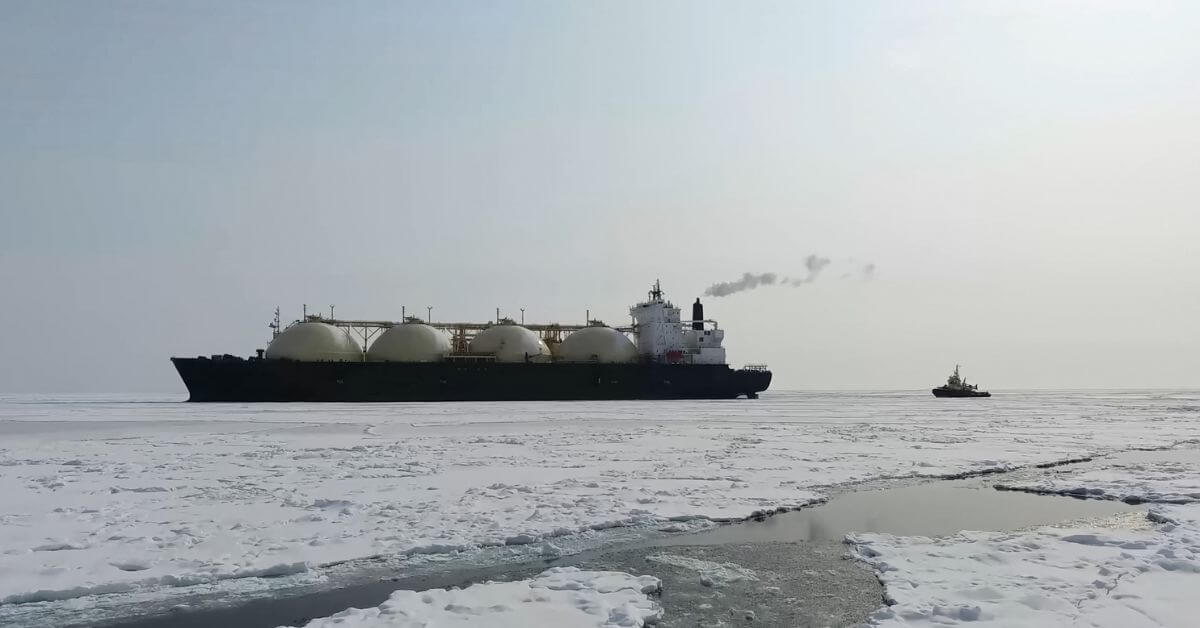
Arctic LNG 2 Capacity Expands with New Ice-Class Carrier Fleet.
The Arctic's harshest routes just became more navigable. A Russian-built, advanced ice-class LNG carrier has joined the fleet serving Arctic LNG 2, enabling year-round operations in waters that once dictated seasonal limits. This is practical ocean intelligence: the capacity to move gas reliably through extreme conditions strengthens the entire maritime energy chain. For readers tracking parallel shifts in global shipping, our coverage of Paradip Port's new mega port status offers another example of infrastructure evolving to meet demand.