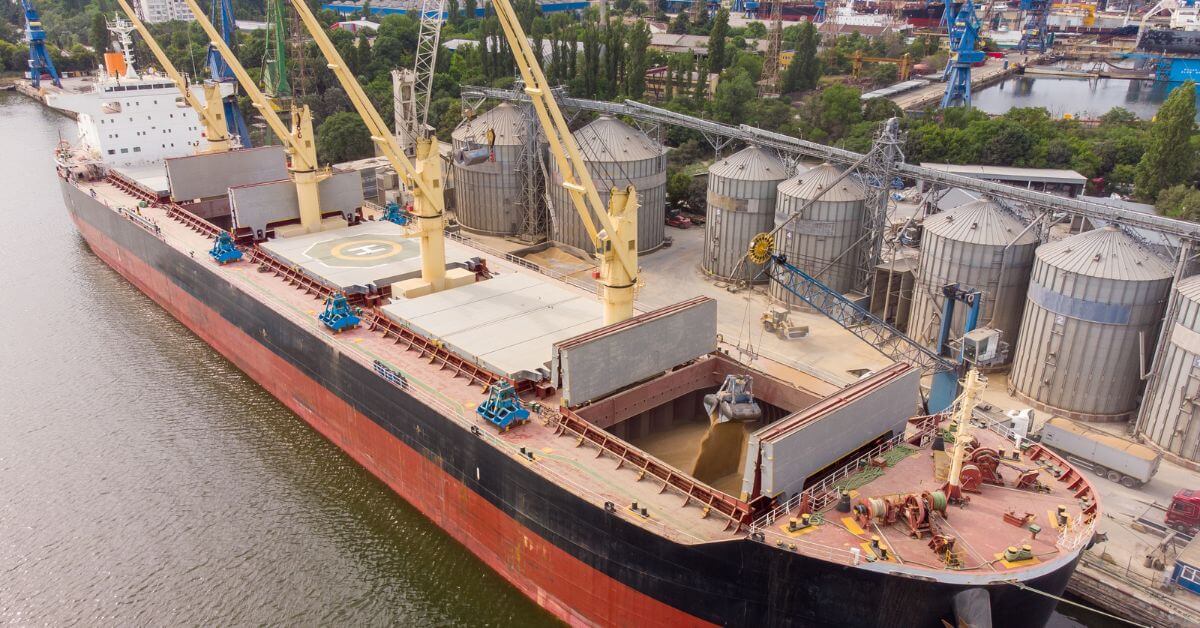
The Baltic states have made a measured, data-driven case for an EU-wide ban on Russian grain transit, and we think the bloc should adopt it. This isn't about symbolism; it's about closing a logistical loophole that allows Russia to profit from a war it is actively escalating. As China’s electric vehicle acceleration offers measurable data for global climate indicators shows how shifting transport infrastructure can produce measurable shifts in global systems, the Baltic grain data reveals a similarly rapid, empirically verifiable rerouting of trade. The numbers are stark: Russia's grain shipments through Baltic and continental ports surged from 216,000 tonnes in August to 1.16 million tonnes in September, while Black Sea volumes collapsed from 1.39 million tonnes to 201,000 tonnes. This is not a natural market adjustment; it is a state-subsidised pivot, supported by rail subsidies and terminal conversions, designed to bypass the consequences of its own attacks on Ukrainian ports and merchant shipping.
The practical meaning for our readers, policymakers, shipping analysts, and trade strategists, is that the Baltic corridor has become a pressure valve for Russian agricultural exports. The data from IFCHOR Galbraiths confirms that the shift is real, measurable, and potentially temporary. October Baltic wheat exports could reach 1.8 million tonnes, up from 1.4 million in September, but that depends on infrastructure capacity and weather. Meanwhile, costs remain higher: shipping from Baltic ports to Egypt costs 30% to 35% more per tonne than from traditional Black Sea routes. Russia is absorbing those costs through subsidies, but the question is whether it can sustain them. This is where an EU ban would have practical effect. It would not stop direct shipments from Russian ports like Ust-Luga or Vysotsk, but it would prevent Russia from using EU ports and transit routes as a cheaper, faster alternative. As the India Proposes Measured Maritime Truce to Protect Black Sea Shipping highlights, diplomatic efforts to protect shipping lanes are ongoing, but unilateral trade measures like this ban can create immediate, verifiable pressure.
The Baltic states' proposal is also a test of European regulatory coherence. Estonia has already approved its own ban; Latvia has tightened origin checks; Lithuania wants a common rule. A patchwork of national measures is less effective than an integrated EU policy, and it leaves room for grain from occupied Ukrainian territory to slip through. The call for stronger EU-Ukraine Solidarity Lanes is equally important, because the goal is not just to block Russian grain but to ensure Ukrainian exports can flow. The recent Attack on civilian cargo ship at Odesa port claims one crew member is a grim reminder that the human cost of this trade war is already being paid. The concrete point to watch is whether the European Council, at next week's meeting, will treat this as a regional concern or a structural challenge to the integrity of its own trade infrastructure. The data is clear; the decision is political.