infrastructure
World Data Ocean keeps infrastructure in one place: 32 stories so far. The section currently leads with “Targeted Strikes Disrupt Ukrainian Grain and Energy Infrastructure.”, “Ocean Data Innovation: China's Submerged Server Facility.”, and “Immediate Efficiency Gains Key to Decarbonizing Shipping Operations”. Russia's latest assault on Ukrainian ports, grain silos, and energy hubs is a deliberate escalation against both civilian resilience and global food security. Two thousand servers now sit submerged off China's coast, packed into a data center designed to harness the ocean's natural cooling. A Global Hub for Ocean Intelligence 4 World Data Ocean is a centralized digital platform where researchers, scientists, and ocean enthusiasts converge to… The list below is every infrastructure story on World Data Ocean, newest first.
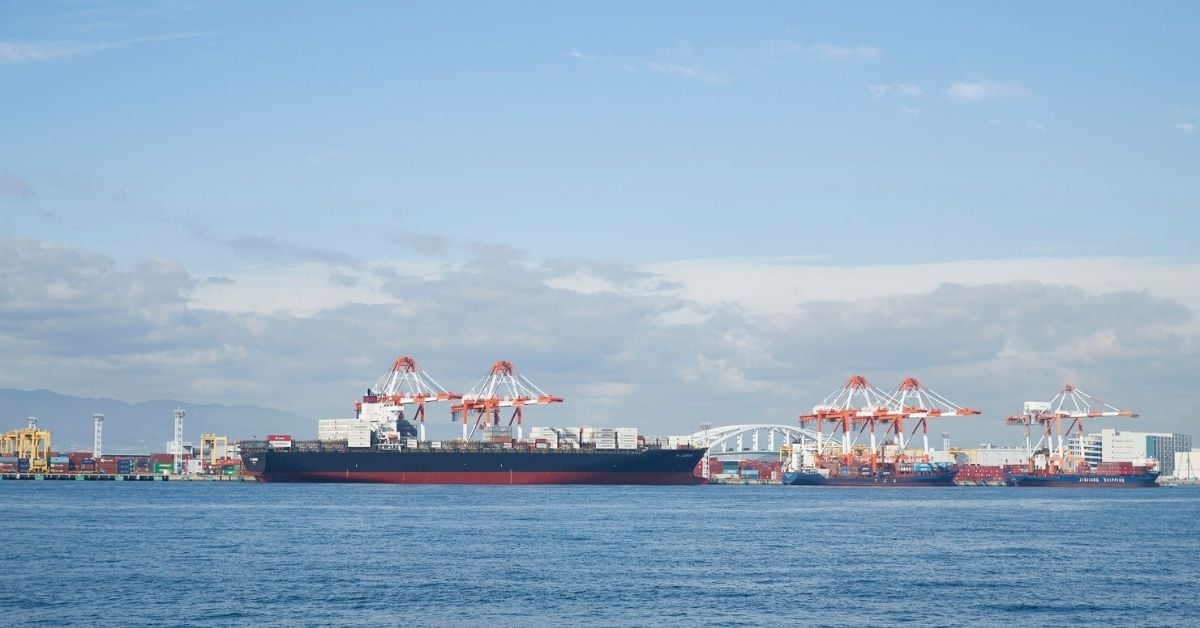
Targeted Strikes Disrupt Ukrainian Grain and Energy Infrastructure.
Russia's latest assault on Ukrainian ports, grain silos, and energy hubs is a deliberate escalation against both civilian resilience and global food security. These coordinated strikes are not collateral damage; they are the target. We should read this as a calculated attempt to degrade infrastructure that sustains both Ukraine's economy and its people's daily lives. The pattern is measurable, and the intent is clear.

Ocean Data Innovation: China's Submerged Server Facility.
Two thousand servers now sit submerged off China's coast, packed into a data center designed to harness the ocean's natural cooling. It is a practical experiment in energy efficiency, and one worth watching. The ocean is our largest untapped asset for computing's growing footprint. This move pairs engineering with environmental calibration, and while it is early, the potential is measurable. For broader context on maritime infrastructure shifts, our coverage of integrated subsea cables in the Indian Ocean offers a useful parallel.

Immediate Efficiency Gains Key to Decarbonizing Shipping Operations
The EY study identifies energy efficiency and operational measures as among the most practical near-term actions for shipping, and the logic is immediate. These steps cut emissions without waiting for new fleets or alternative fuels. For an industry under pressure to decarbonize, this is where progress begins. The sector already has the tools; it needs the discipline to deploy them.

China’s Five-Year Plan: Transforming Ports Through Integrated Maritime Strategy
China's latest Five-Year Plan prioritizes major maritime gateways first, then targets underperforming ports for closure. That sequencing is pragmatic, but the mandate to shutter low performers signals a harder edge in Beijing's maritime strategy. Efficiency, not sentiment, will steer port investment. This aligns with broader shifts in regional logistics, such as the Gulf of Oman STS Transfers Max Out Amid Rising Saudi Oil Exports, where capacity constraints are already reshaping trade flows.

Shipping Disruption: Maersk Halts Ukraine Port Service Amid Escalating Conflict
Maersk's decision to suspend its Ukraine port service at Chornomorsk marks the second major carrier to step back, following Ukraine's largest grain exporter in halting operations there. The move is a measured response to escalating conflict, not a panic. It reflects a sober calculation: when maritime corridors become contested, reliability erodes. For those tracking the Black Sea's shifting trade routes, this is a signal worth calibrating.

Escalation in Hormuz: Iran Attacks Tanker Amid U.S. Strikes
The 11th consecutive evening of U.S. strikes against Iran concluded at 8:15 p.m. ET on July 21, as CENTCOM confirmed its ongoing campaign. The escalation in Hormuz now includes a direct tanker attack, sharpening a volatile maritime corridor. This is not abstract geopolitics; it is measured, repeated force meeting retaliation. For context on regional pressure points, our coverage of Gulf of Oman STS transfers maxing out shows how commercial chokepoints strain under such tension.

Diversifying Gulf Oil Routes: U.S. and Iraq Forge New Shipping Pathways
New shipping agreements between U.S. firms and Iraq signal a calculated response to an uncertain Strait of Hormuz. Diversifying Gulf oil routes is no longer theoretical; it is underway. This move reflects measured foresight, not panic, and strengthens the argument that maritime resilience depends on integrated planning. For readers tracking the region's pressure points, our related coverage on Gulf of Oman STS transfers maxing out offers useful context. Strategic adaptation, validated by real-time logistics, remains the clearest path forward.

Integrated Port Development Offers Climate-Resilient Trade Route Option.
Fujairah's proposed integrated port facilities offer a pragmatic answer to a congested trade corridor, sitting securely outside the Strait of Hormuz. This location transforms risk into reliability, giving shippers a route that holds up under pressure. The design prioritizes climate resilience, a necessity, not a luxury, for long-term logistics. It is a measured step forward, one that aligns with the pressures outlined in our coverage of Gulf of Oman STS transfers maxing out. Strategic positioning, backed by solid planning, speaks louder than hype.