deployment
20 stories filed under deployment on World Data Ocean. The newest of them: “Longest carrier deployment in decades signals shifting maritime demands”, “A $5.1 Billion Overhaul Begins for Carrier Truman at Newport News”, and “A 300-day deployment yields calibrated data from the Pacific theater”. A 320-day deployment is not routine; it is a signal. The USS Harry S. A Global Hub for Ocean Intelligence 4 World Data Ocean is a centralized digital platform where researchers, scientists, and ocean enthusiasts converge to… The list below is every deployment story on World Data Ocean, newest first.
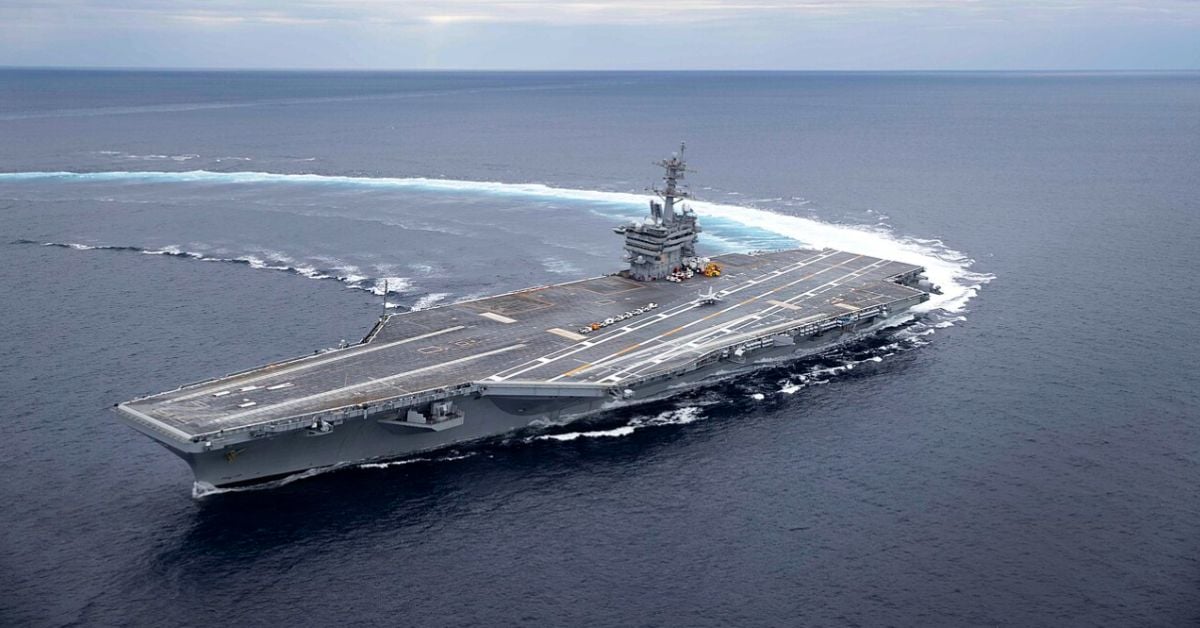
Longest carrier deployment in decades signals shifting maritime demands
A 320-day deployment is not routine; it is a signal. The USS *Nimitz*'s return to California after the longest carrier deployment in decades reflects shifting maritime demands in the Iranian theatre. Extended presence at sea validates the operational endurance of the Nimitz-class, but it also raises empirical questions about crew sustainability and fleet readiness. For deeper context on fleet modernization, see our coverage of the John F. Kennedy's 99% completion ahead of its 2027 handover.
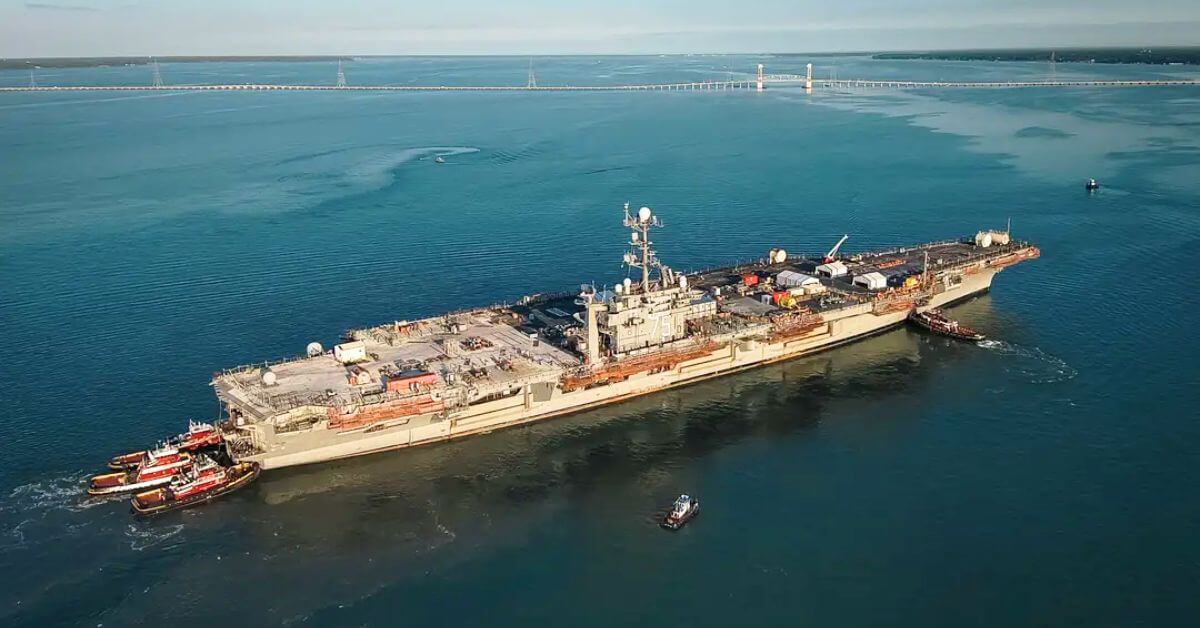
A $5.1 Billion Overhaul Begins for Carrier Truman at Newport News
The USS Harry S. Truman has arrived at Newport News Shipbuilding for a nearly $5.1 billion overhaul, a measured, necessary investment in sustained naval readiness. This refueling and complex overhaul ensures the carrier remains operational for another half-century, a validation of long-term strategic planning. Such commitments to maintaining existing platforms are as critical as developing new capabilities, a theme explored in our coverage of next-generation naval aviation.
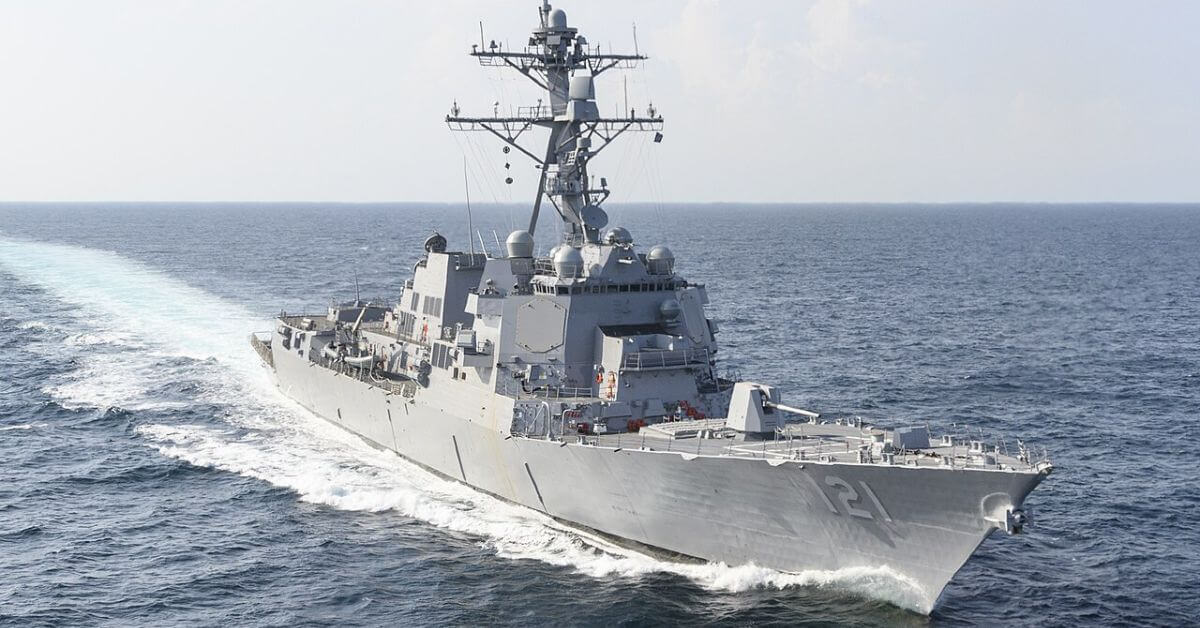
A 300-day deployment yields calibrated data from the Pacific theater
Ten months. Three hundred days of calibrated, real-time ocean intelligence from the Pacific theater. The USS Frank E. Petersen Jr. has returned to Pearl Harbor, and the data it gathered is now measurable and peer-reviewed. This is empirical evidence from a working warship, not a lab. Understanding drives protection. For deeper context on maritime security risks, see our coverage of the recent pirate attack on a hijacked tanker.
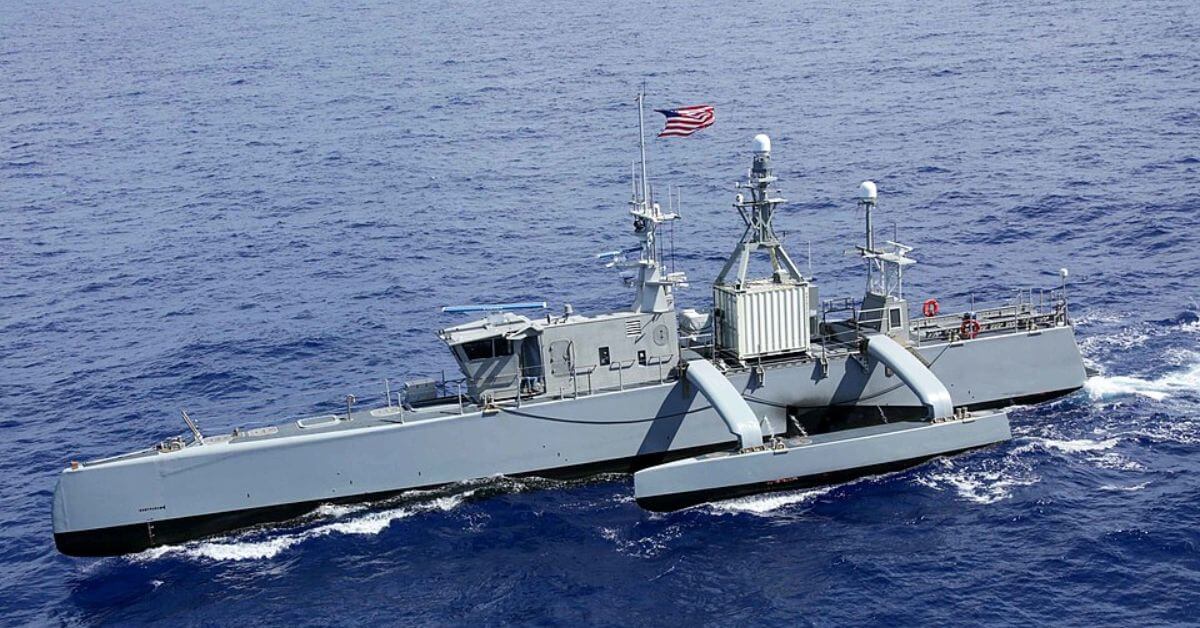
Navy Accelerates Autonomous Systems Integration for Enhanced Maritime Operations
The Navy's new integration centre signals a deliberate step toward weaving autonomous systems into the fabric of daily maritime operations. It is a practical move, grounded in the need for real-time adaptability across fleets. We see this as recognition that robotic assets are no longer peripheral experiments but core instruments for maintaining operational edge. The focus on integration over introduction is the right emphasis.
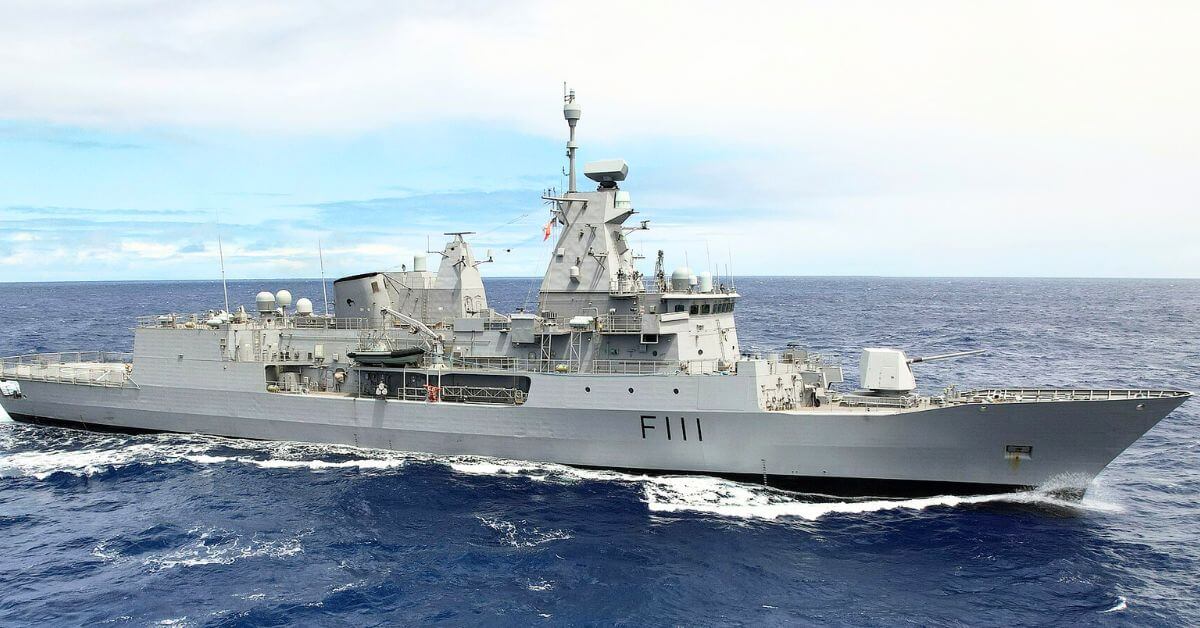
New Zealand Vessels Traverse Taiwan Strait En Route to Philippines Exercise
Two New Zealand naval vessels transited the Taiwan Strait on Sept. 18, bound for a joint exercise with the Philippines. The move signals a quiet but deliberate expansion of maritime collaboration across the Indo-Pacific, one that prioritizes operational presence over provocation. For those tracking the region's shifting security architecture, this passage is a measured data point, not a headline. It complements our coverage of integrated subsea infrastructure shifting toward the Indian Ocean, where strategic connections are being redrawn.
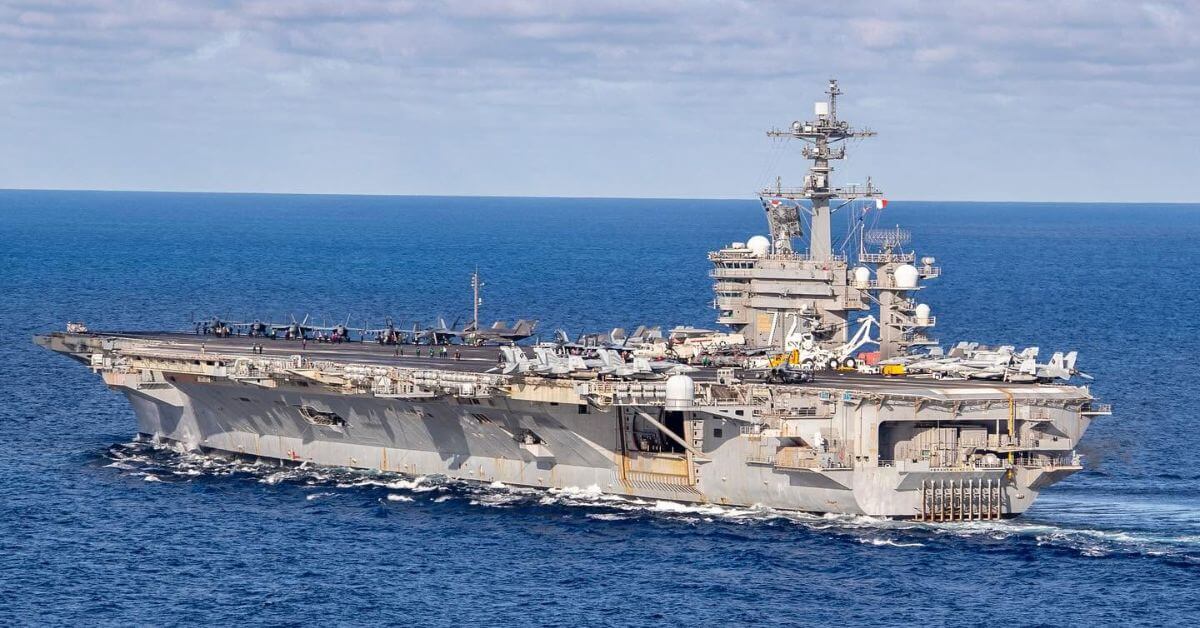
Navy Personnel Face Justice for Fentanyl Distribution Aboard Aircraft Carrier
Two former U.S. Navy sailors have pleaded guilty in federal court to selling counterfeit oxycodone pills laced with fentanyl to fellow crew members aboard an aircraft carrier. This is a sobering breach of trust, one that compromises both legal integrity and the operational readiness our forces depend on. Accountability here is not optional; it is essential.
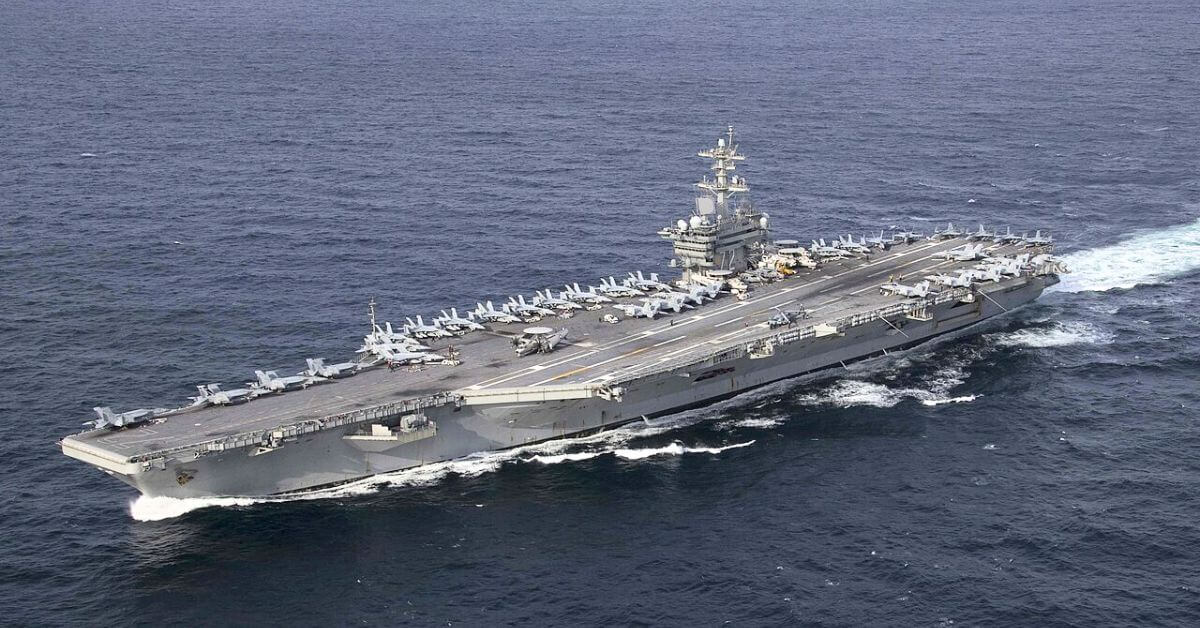
Abraham Lincoln Carrier Crew Recovers After Middle East Operations
The carrier crew's return marks the end of a demanding deployment, one that included extended operations in the Middle East. A short break now offers a measured pause before the rhythms of duty resume. Such respites matter; they restore focus and readiness. For context on the region's maritime pressures, our related piece on Gulf of Oman STS transfers highlights the logistical intensity that continues nearby. Operational tempo takes a toll, and acknowledging that is part of understanding naval power.
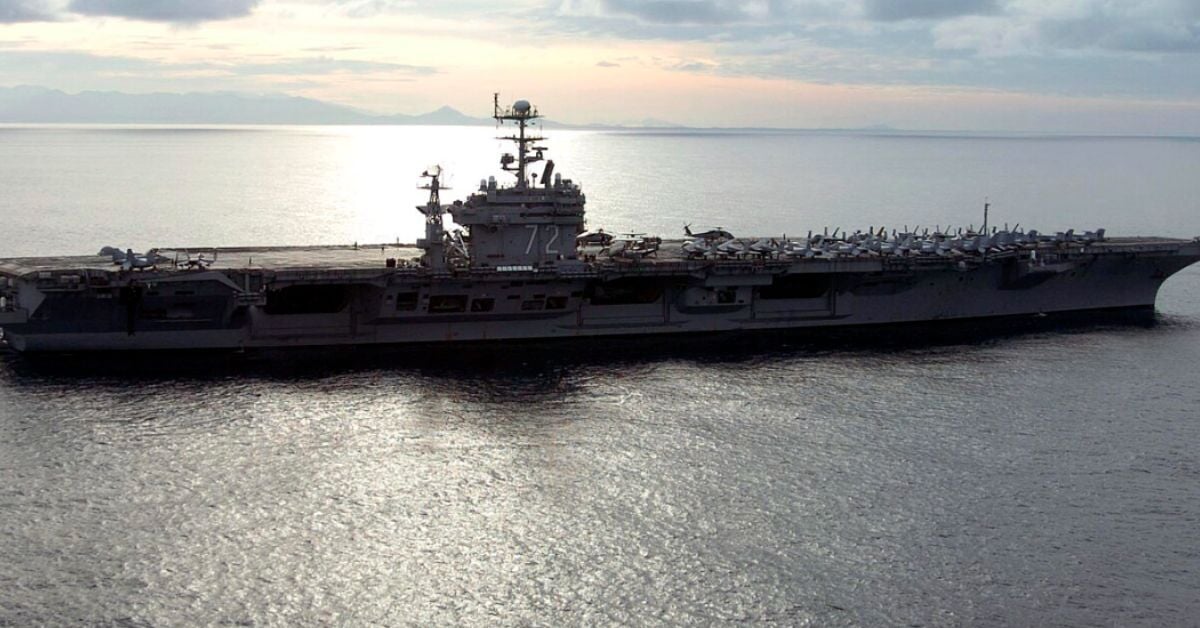
Naval Personnel Incident Under Review Following Overseas Altercation
Two sailors from the USS Abraham Lincoln are under review after an overseas altercation outside a bar, with a citizen calling police to resolve the incident. Discipline in such moments reflects directly on operational readiness, and the Navy's response will be closely watched. Incidents like this underscore why standards matter, especially as the service pushes forward on integration of new capabilities. For broader context on that push, see our coverage of the Navy's new center for autonomous systems integration.
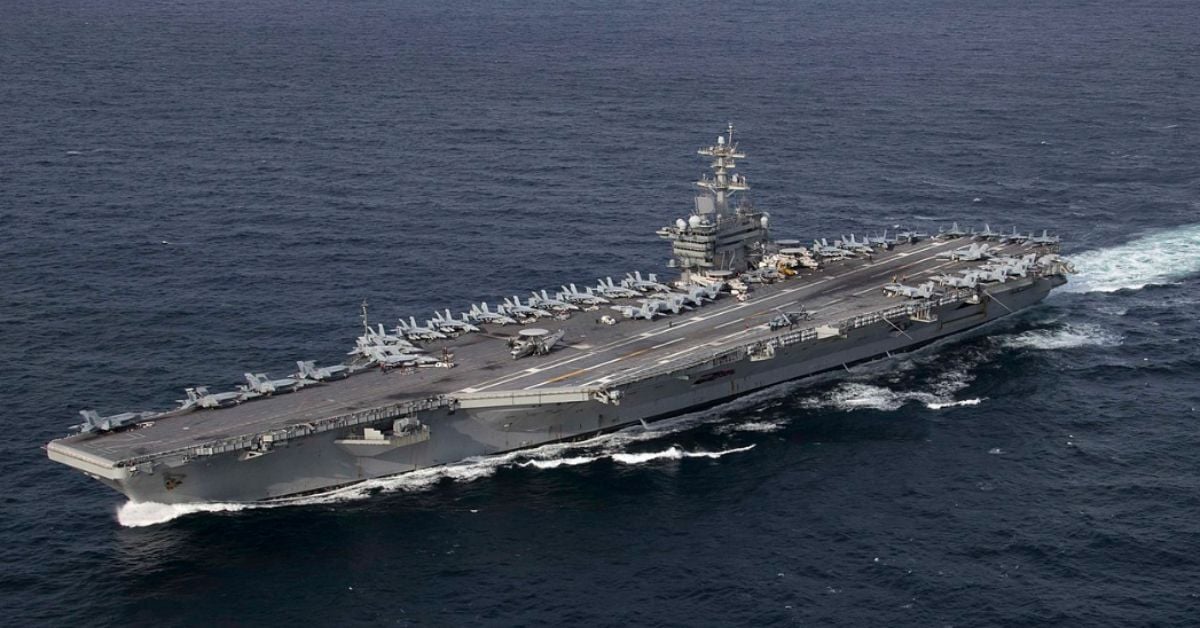
Abraham Lincoln Carrier Completes Middle East Deployment, Heads to Thailand.
The USS Abraham Lincoln will dock in Thailand after a lengthy Middle East deployment, a measured conclusion to months of forward presence. The carrier's transit home marks a routine yet significant operational milestone, reflecting sustained naval readiness across the region. While this return is standard, it underscores the quiet endurance required for global security. For broader context on maritime activity, our piece on Gulf of Oman STS transfers offers timely perspective.
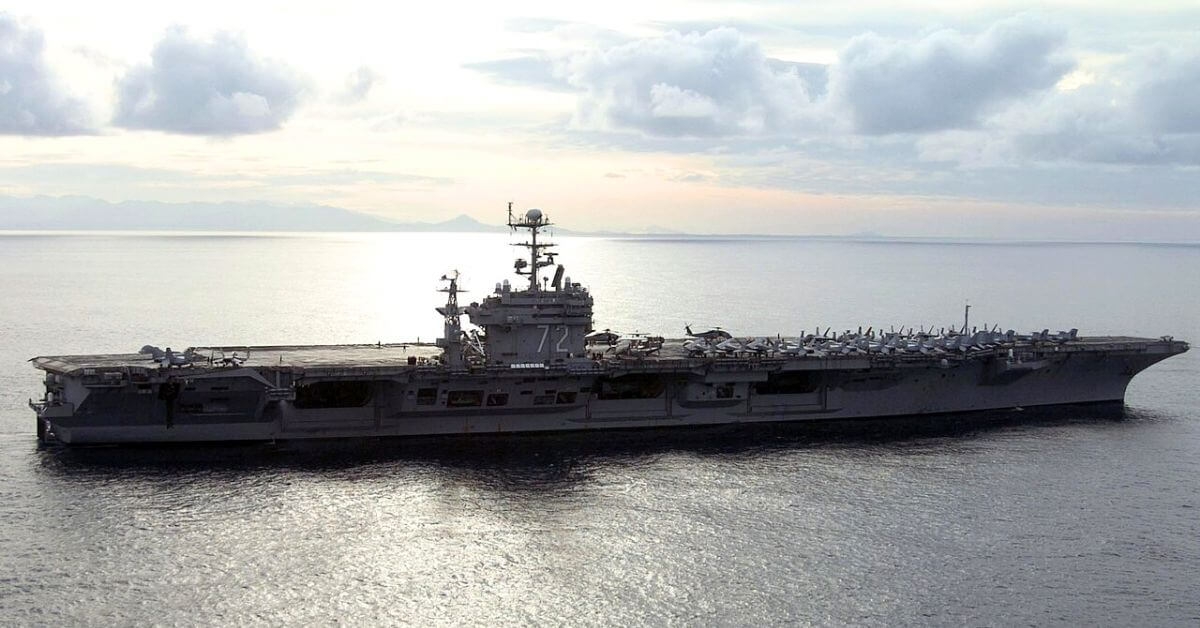
Longitudinal Deployment: Abraham Lincoln Carrier Completes 250+ Days at Sea
Two hundred fifty days. The Abraham Lincoln's extended deployment is a measured statement on readiness, not a boast. Spending nearly seven months in the U.S. Central Command area without a port call tests every system and every crew member. This endurance matters. It reflects a calculated projection of force where it is needed most, supporting stability in critical waters. As the Navy pushes for faster integration of unmanned systems, the Lincoln's tour proves the human and material backbone remains resilient.
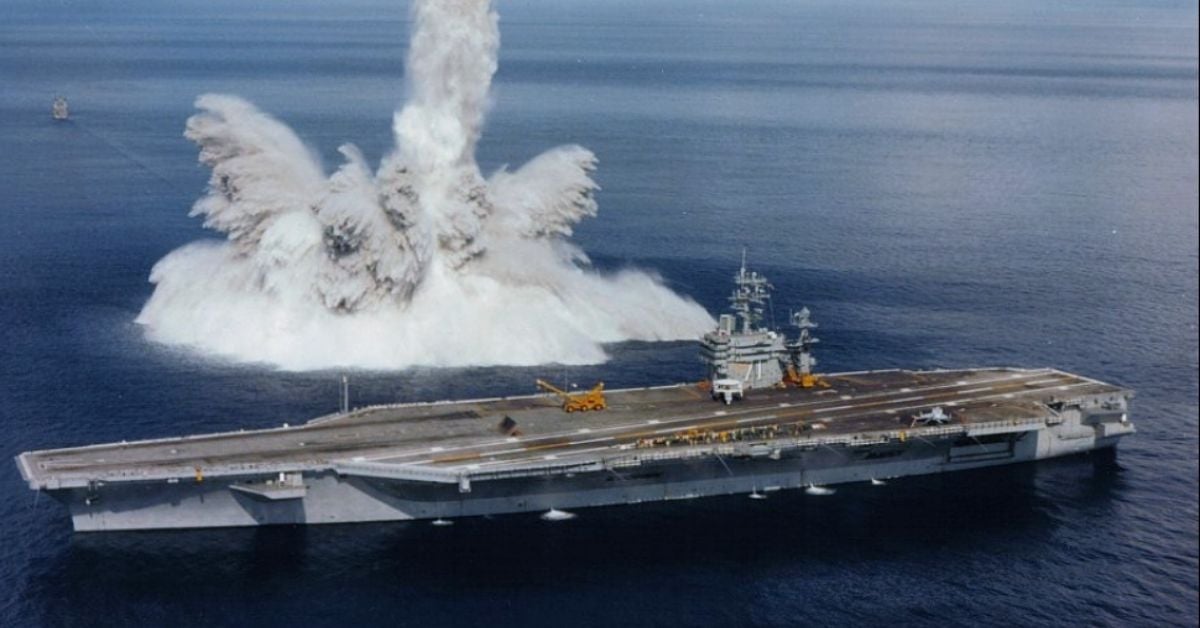
Transition of Naval Power: USS Theodore Roosevelt Heads to the Middle East
The USS Theodore Roosevelt now heads to the Middle East, closing a month of preparation that followed its command of the Rim of the Pacific 2026 exercise off Hawaii. The transition underscores how naval power is shifting from static presence to agile, integrated force projection. This deployment arrives as our coverage highlights parallel pressures: the Gulf of Oman STS transfers maxing out amid rising Saudi exports, and the Navy's push to accelerate autonomous systems integration.
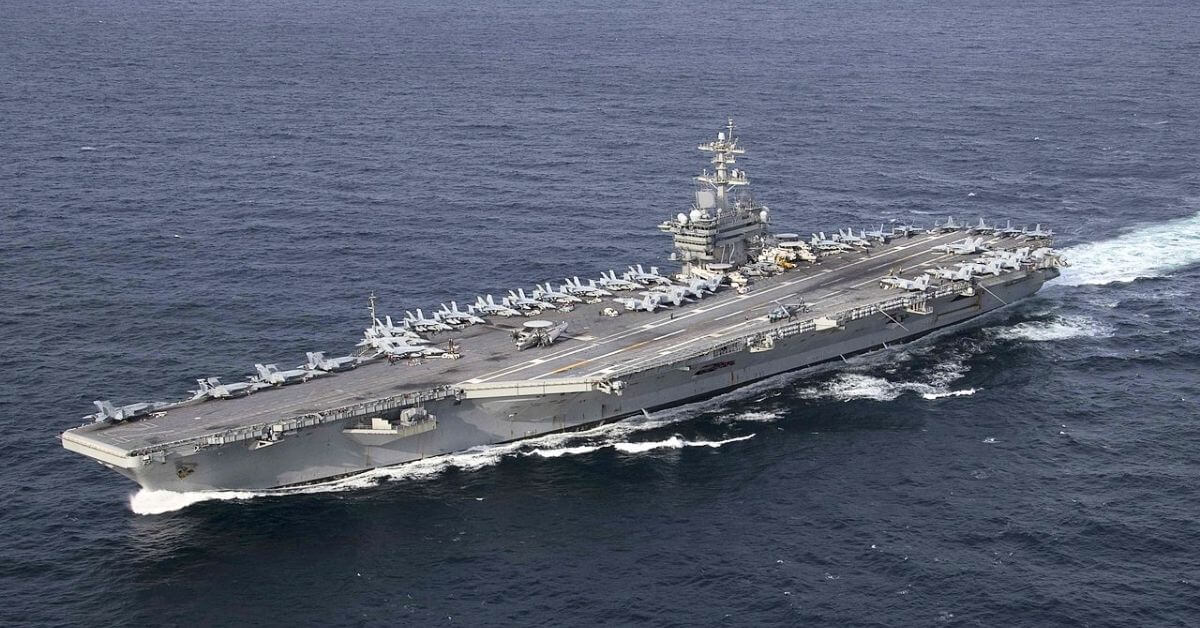
Sailor Rescued from USS Abraham Lincoln Following Mental Health Incident
A sailor who went overboard from the USS Abraham Lincoln during what his family described as a mental health crisis has been rescued and taken for medical treatment. The incident underscores a reality often overshadowed by hardware discussions: human factors remain the most critical variable in naval operations. Even as the Navy accelerates autonomous systems integration for enhanced maritime operations, this rescue is a reminder that safeguarding personnel is the foundation of every mission.

Extended Deployment: Abraham Lincoln Carrier Highlights Naval Endurance at Sea
The Abraham Lincoln's extended deployment underscores the US Navy's capacity for endurance when strategic demands require it. While six to nine months is the standard, conflict-driven extensions are a calculated reality, not a failure of planning. This is maritime persistence measured in readiness, not rhetoric. For broader context on regional pressure points, our related piece on Gulf of Oman STS transfers outlines how operational tempo shifts elsewhere. The carrier's longevity at sea remains a practical demonstration of sustained naval power.

Naval Shift: George Washington Arrives as Lincoln Deployment Concludes
The turnover of crews is a constant in naval operations, but the conclusion of the *Lincoln*'s deployment carries a weight that extends beyond routine rotation. It lands as families raise valid questions about life aboard, and those concerns merit more than standard assurances. The arrival of the *George Washington* provides operational continuity, yet it also signals a moment to listen. For deeper context on how the Navy is modernizing its approach, our piece on autonomous systems integration offers a relevant perspective.

Engineering Casualty Impacts US Navy Destroyer Operations in South China Sea
An engineering casualty aboard the USS Benfold has sidelined the destroyer's generators during routine South China Sea operations. The incident underscores how mechanical reliability remains the quiet backbone of naval power, even as the fleet pushes toward autonomous systems and expanded reach. For a region where readiness is measured in real-time, a single malfunction carries strategic weight. The Navy's broader push, including its new center for autonomous integration, signals a shift worth watching. Operational resilience, after all, starts below deck.

Navy Addresses Concerns Over Hygiene Product Availability on USS Boxer
The Navy has denied claims that women aboard the USS Boxer were "begging" for pads and tampons, following a family member's account that sparked public concern. If true, the shortage would undermine readiness, but the service's swift denial suggests a need for clearer verification before narratives harden. Operational credibility depends on basics like hygiene supplies, not just high-tech systems. For broader context on how the service is modernizing logistics and autonomous capabilities, our piece on the Navy's new integration center offers useful depth.

Extended Deployment Highlights Demands on Naval Resources and Crew Welfare
The USS Abraham Lincoln's 250-plus days at sea mark a significant operational stretch, and the confirmation of its replacement underscores the mounting strain on naval resources. This is not merely a scheduling matter; it is a calibration of endurance against welfare. The carrier's extended deployment highlights a tangible tension between mission demands and crew sustainability. As the Navy accelerates autonomous systems integration for enhanced maritime operations, this moment raises a pressing question: can innovation keep pace with the human cost of prolonged presence?

Extended Deployment Highlights Crew Wellbeing Challenges Aboard USS Abraham Lincoln
Two hundred sixty days at sea. Ten thousand launches. One and a half million pounds of ordnance expended. The USS Abraham Lincoln's extended deployment is a measurable demonstration of endurance, yet it also places crew wellbeing at the forefront of operational planning. This is the reality of sustained naval power in a complex security environment. For a deeper look at how nations are extending their maritime reach, our recent analysis of China's new nuclear carrier is a useful comparison.

Incident in Indian Ocean: U.S. Navy Reports Personnel Casualties
After 263 days deployed, the USS Abraham Lincoln now operates in the Indian Ocean, where the U.S. Navy reports personnel casualties. Extended deployments carry measurable human costs, and this incident underscores the strain on maritime forces operating far from home. The Indian Ocean's strategic importance continues to grow, particularly as integrated subsea infrastructure shifts in the region. For broader context on how this waterway's role is evolving, our related piece, "Integrated Subsea Infrastructure Shifts to Enhance Indian Ocean Connectivity," offers deeper insight.

Extended Deployment Strains Navy Families; Return Date Urged.
Two hundred fifty days at sea, and still no return date. The families of the crew and Marines aboard the USS Abraham Lincoln are pressing senior officials for clarity as the carrier's Middle East deployment stretches past its expected limits. That is a long time to hold position, and the human cost of such extended operations deserves more than vague timelines.