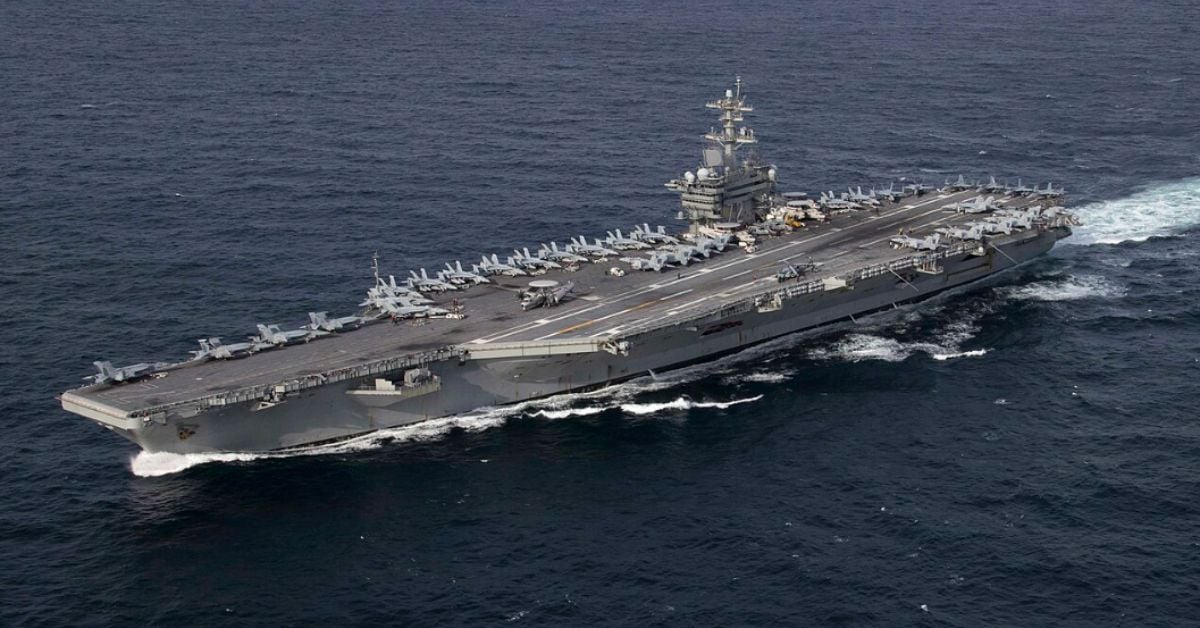
The USS Abraham Lincoln's 322-day deployment is a case study in the difference between operational endurance and strategic wisdom. The Navy proved it can keep a carrier at sea through sustained combat operations, logistical strain, and a crew pushed to its psychological limits. That is a validated data point. But the more important metric is the human cost: eight suicide attempts, delayed mail, shortages of fresh food and clean water, and a 20-year-old sailor who doubted he would see home again. We should not confuse what is possible with what is sustainable.
The Navy's own admission of problems after the Iranian attack on its Bahrain base cuts through the earlier dismissal of media reports as "fake." Captain Dan Keeler called the deployment successful, and by the narrow measure of mission completion, it was. Yet the Pentagon's accusation that the media framed the deployment as dysfunctional ignores the documented failures in basic crew welfare. This is not about sensationalism. It is about what happens when a force is asked to operate at the edge of its limits for nearly a year without a port call. The 265 days at sea: validated data from a record naval deployment showed what the platform can do. This deployment shows what the people can endure, and the gap between those two numbers is where policy failures live.
The political context makes this harder to read as a clean success. President Trump's response that the time at sea was "not nearly enough" is not a strategic assessment; it is a signal that crew welfare ranks below force projection in this administration's priorities. The polling data, with 65% disapproval of the administration's Iran handling, and the bipartisan pressure to end the war, suggest the public is drawing its own conclusions. Inflation concerns tied to grain, fertiliser, and oil prices are not abstract. They are the practical bridge between a carrier deployment in the Middle East and a voter's grocery bill. The verified data confirming 20 million barrels transit Hormuz despite Iranian claims tells us the strait remains open, but that operational fact does not ease the economic strain of a prolonged conflict.
What should be watched now is not the next deployment schedule but the Navy's internal review of this one. If the service treats the suicide attempts and supply failures as isolated incidents, the lesson is lost. If it recalibrates deployment lengths, resupply intervals, and mental health support based on this data, then the 322 days have a measurable return. The crew received roses and cheers at Naval Air Station North Island, and they earned them. The question is whether the institution that sent them will apply the same rigor to their wellbeing that it applies to combat operations. That answer will arrive in the next deployment orders, not in the homecoming speeches.