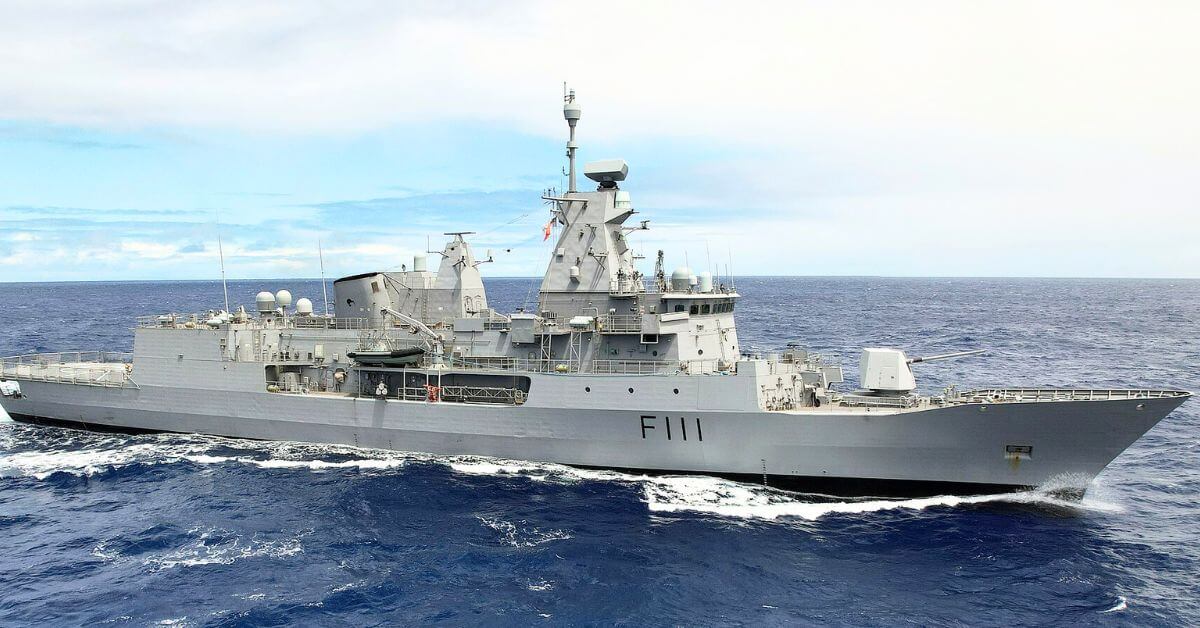
Two New Zealand naval ships crossed the Taiwan Strait on September 18, en route to a joint exercise with the Philippines. The transit itself is not unprecedented, but the timing and the destination carry weight. As Navy Accelerates Autonomous Systems Integration for Enhanced Maritime Operations shows, navies across the Indo-Pacific are recalibrating how they move through contested spaces, and this passage is part of that broader pattern. New Zealand is not escalating; it is signaling that routine transits and multilateral drills remain part of the region's operating rhythm, even as tensions rise.
What stands out is the quiet normalization of such passages. A decade ago, a New Zealand frigate transiting the Taiwan Strait would have been a headline; now it is a footnote in a deployment log. That shift matters. It reflects a region where integrated data ecosystems and real-time maritime awareness are changing how states calculate risk. The Integrated Subsea Infrastructure Shifts to Enhance Indian Ocean Connectivity story reminds us that the physical layer of connectivity, cables, shipping lanes, choke points, is being redrawn. Every transit, every exercise, is a data point in a larger map of who can move where without incident.
For our readers, the practical takeaway is not about New Zealand's specific intentions. It is about the precedent being set. When mid-sized navies begin conducting routine passages through the Taiwan Strait, it shifts the baseline. It makes future transits by larger powers less exceptional, and it complicates any attempt to frame such movements as provocations. This is how norms evolve, not through declarations but through repetition. The Gulf of Oman STS Transfers Max Out Amid Rising Saudi Oil Exports story shows a similar dynamic in a different domain: infrastructure reaches capacity, and the system adjusts. Here, the "capacity" is political. How many more transits before the Taiwan Strait becomes a routine corridor rather than a flashpoint?
The question to watch is whether other Pacific nations follow suit. Australia, Canada, even South Korea have the naval capability and the stated interest in freedom of navigation. If each begins scheduling regular passages, the strait becomes less a test of resolve and more a standard shipping lane, which changes the calculus for all parties involved. That would be a meaningful outcome from what might otherwise be dismissed as two ships sailing through. We would tell any reader asking about this: do not focus on the ships. Focus on the pattern they are joining. The exercise with the Philippines is part of a network of bilateral and multilateral engagements that are increasingly routine. The real story is how quickly that network is expanding, and what it means for a region where every transit is now logged, analyzed, and compared against the previous one.