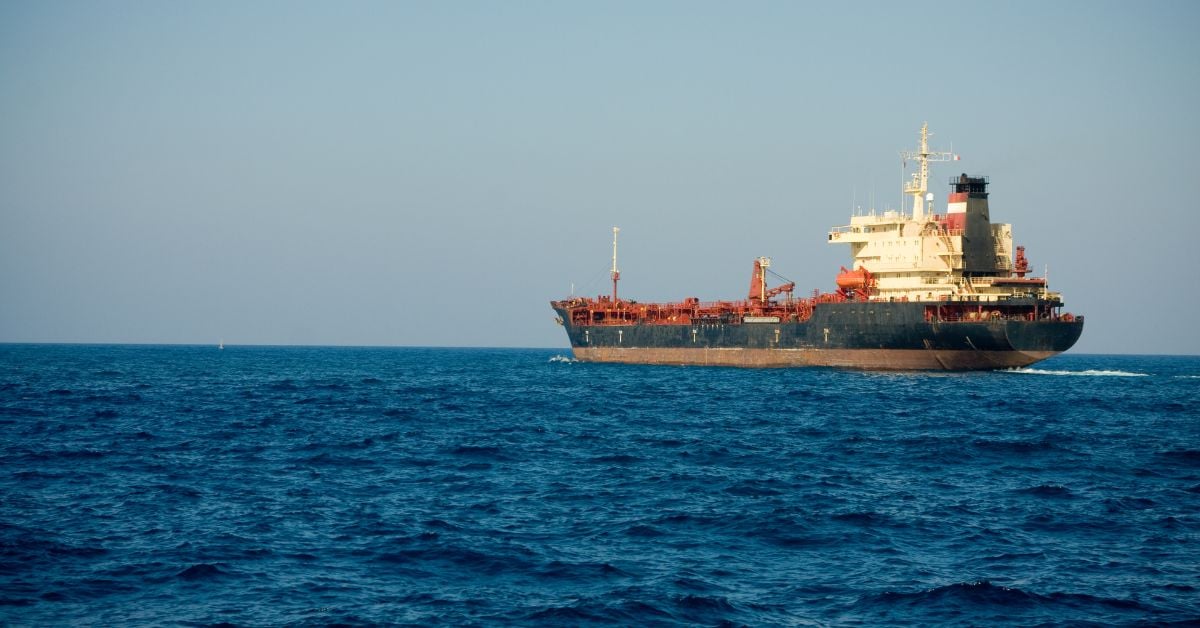
cargo ship
World Data Ocean keeps cargo ship in one place: 68 stories so far. The section currently leads with “Cargo spill in the Strait of Hormuz scatters consumer goods across shipping lane”, “Black Sea cargo vessel lost in attack leaves 11 seafarers missing”, and “Persistent Lifebelt Signal Guides Cargo Ship to Rescue After 20 Hours at Sea”. Perfume bottles and iPhone boxes now float in the Strait of Hormuz, scattered from a cargo spill that has turned a critical shipping lane into an improvised retrieval zone. A Global Hub for Ocean Intelligence 4 World Data Ocean is a centralized digital platform where researchers, scientists, and ocean enthusiasts converge to… The list below is every cargo ship story on World Data Ocean, newest first.
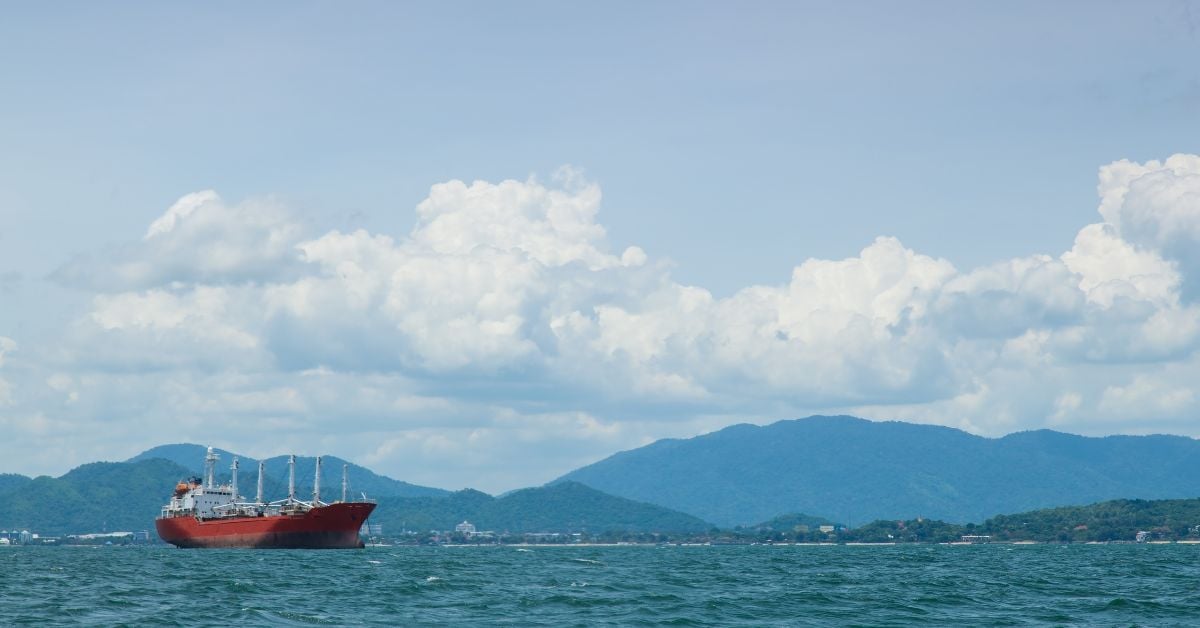
Cargo spill in the Strait of Hormuz scatters consumer goods across shipping lane
Perfume bottles and iPhone boxes now float in the Strait of Hormuz, scattered from a cargo spill that has turned a critical shipping lane into an improvised retrieval zone. This is not a story about lost luxury goods, it is a measurable disruption in a calibrated global supply chain. Such incidents remind us that ocean intelligence requires real-time awareness of every vessel and its cargo.
Black Sea cargo vessel lost in attack leaves 11 seafarers missing
A cargo vessel lost in an attack on the Black Sea has left 11 seafarers missing. Five crew members were rescued from the sunken ship, identified by the Bulgarian President as the Guinea-Bissau-flagged *HS Dignity*. This incident follows a troubling pattern of escalating risk to commercial shipping in the region, as detailed in our coverage of the drone strike that sank the Maltese-flagged *Chelsea 3*. The human cost is a sobering, empirical indicator of maritime vulnerability.
Persistent Lifebelt Signal Guides Cargo Ship to Rescue After 20 Hours at Sea
A flashing light on a lifebelt guided a cargo ship to a stranded woman after 20 hours at sea. This rescue is a calibrated, real-time validation of why integrated ocean safety systems matter. For a deeper look at what happens when those systems fail, see our related coverage, "Human tragedy in Djibouti waters underscores urgent need for integrated ocean safety."
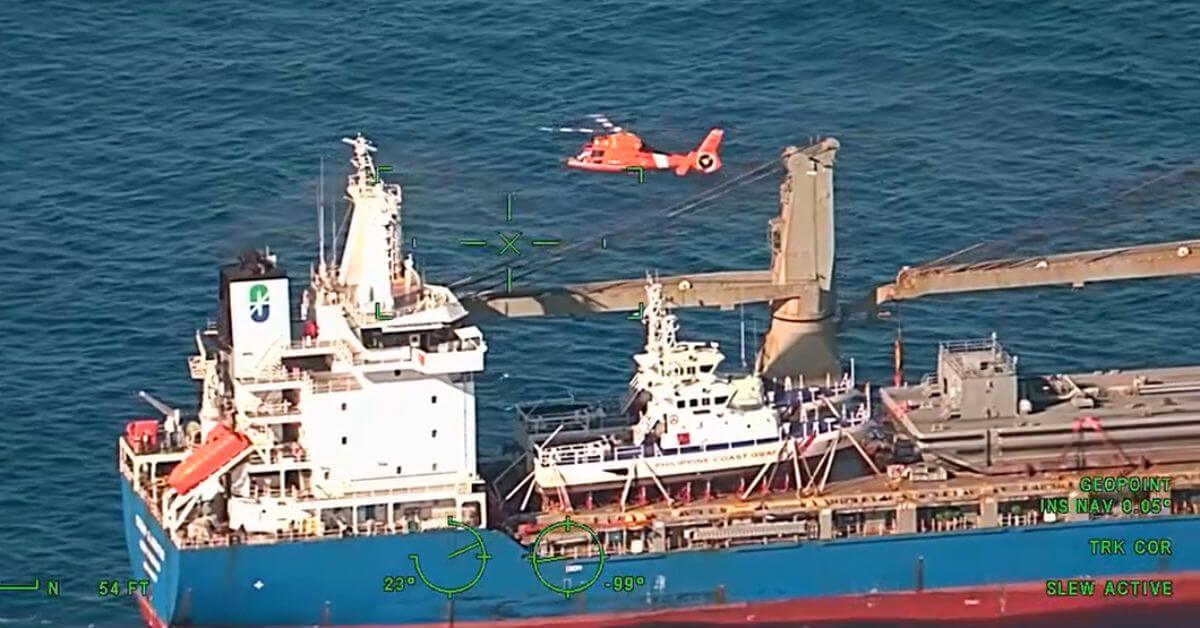
Coast Guard Medevac Responds to Medical Need 86 Miles Off Hawaii
Eighty-six miles off Hawaii, the U.S. Coast Guard evacuated a sick crew member from a U.S.-flagged cargo ship on Wednesday, October 7. This medevac is a reminder that even far from shore, human need demands immediate, coordinated response. Such operations rely on the same integrated data ecosystems that help us track threats like the 350 million tons of annual plastic waste documented in our related coverage, "Tracking 350 million tons of annual plastic waste to its ocean sink."
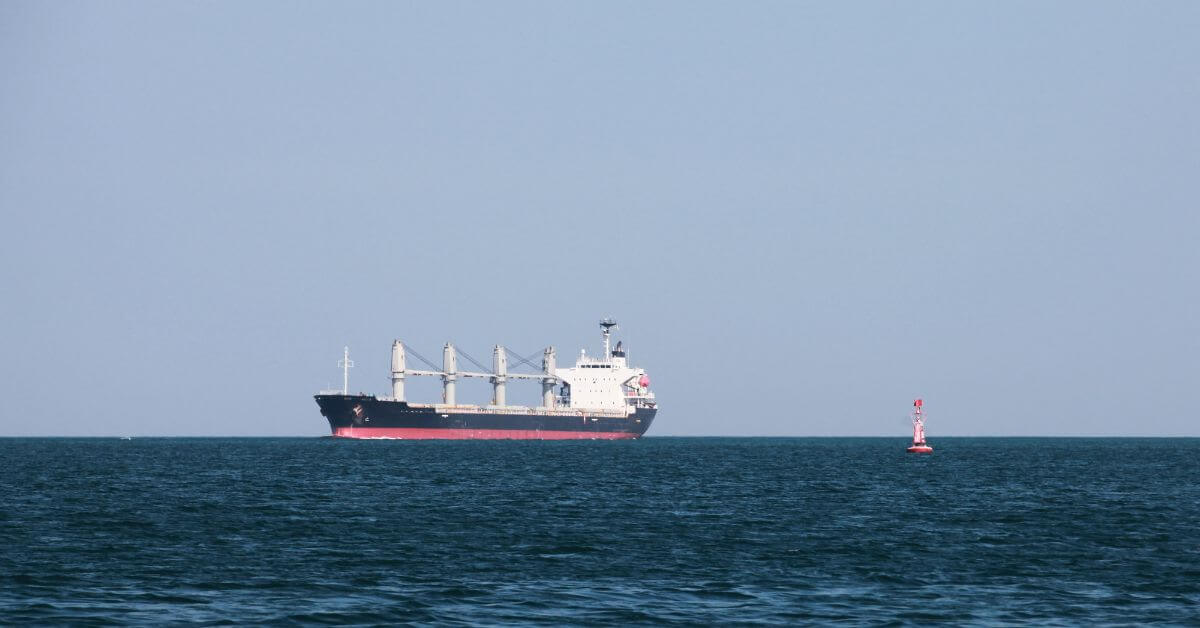
Drone strikes in Black Sea sink freighter, crew remains missing
A cargo ship has sunk in Bulgaria's exclusive economic zone after drone strikes hit two commercial vessels in the Black Sea, leaving the crew missing. This is not an isolated incident. A Liberian-flagged oil tanker carrying Indian crew members recently caught fire off Russia's coast near Sochi. The pattern is measurable and troubling. Maritime safety faces new, uncalibrated threats. For deeper context, read our article "Black Sea incident raises urgent questions on maritime safety and climate risk.
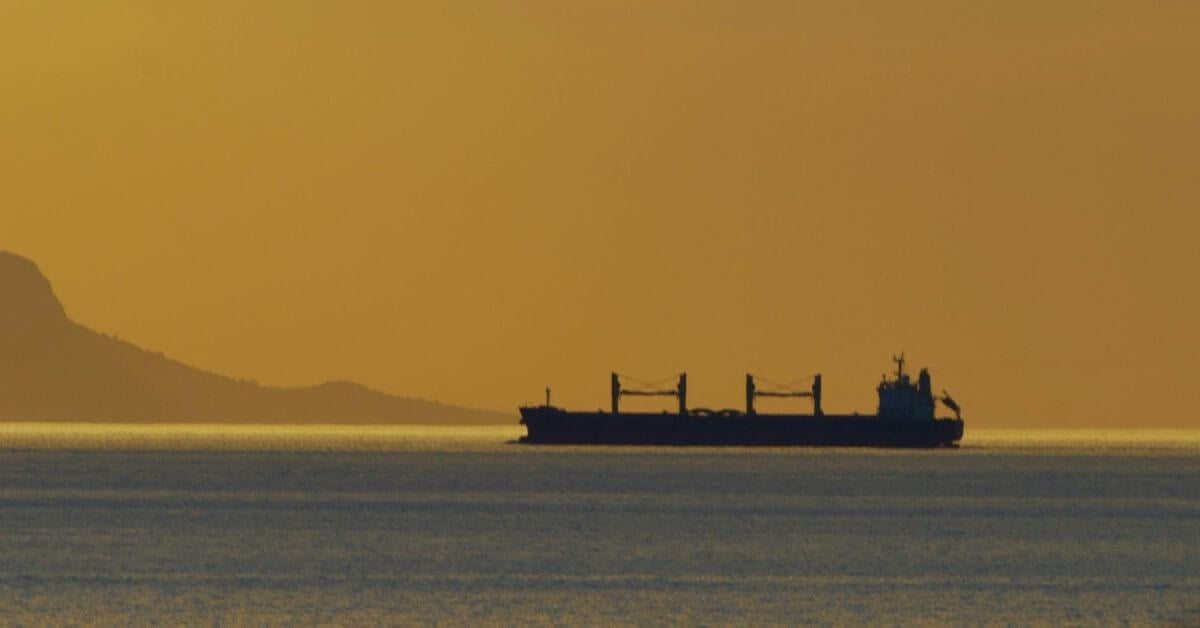
Two Killed as Corn Freighter Sinks in Black Sea After Drone Strike
A Turkish-owned corn freighter has sunk in the Black Sea following a drone strike, killing two crew members and leaving 11 others rescued. The incident marks another sharp reminder that commercial shipping routes now sit directly in the path of regional conflict. Maritime safety is no longer just about weather and navigation; it is about geopolitical risk. For deeper context on how such disruptions are reshaping Baltic traffic, see our coverage of the Gulf of Finland vessel detention.
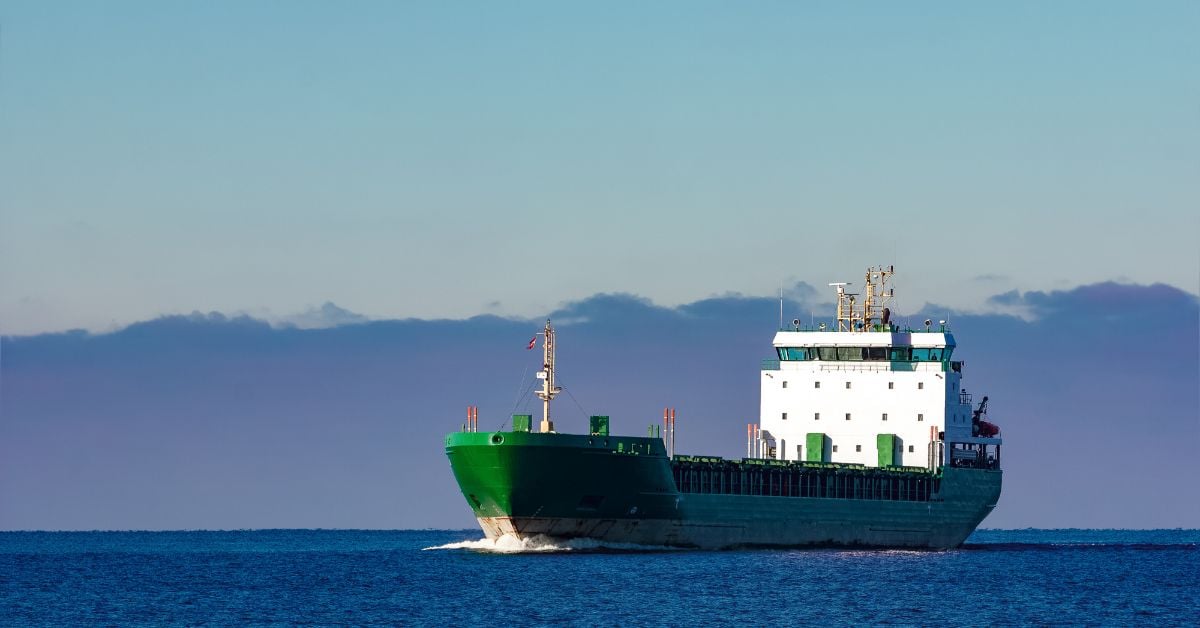
Baltic Cargo Route Disrupted as Gulf of Finland Vessel Detained
A cargo vessel, the *Vasterbotten*, has been detained by Russian border guards in the Gulf of Finland while en route to Estonia's Port of Sillamae, disrupting a key Baltic cargo route. This incident adds tension to a region already under maritime strain. For a broader view of these pressures, see our coverage of the 150 vessels idled in the same waterway. Such enforcement actions demand measured, empirical scrutiny.
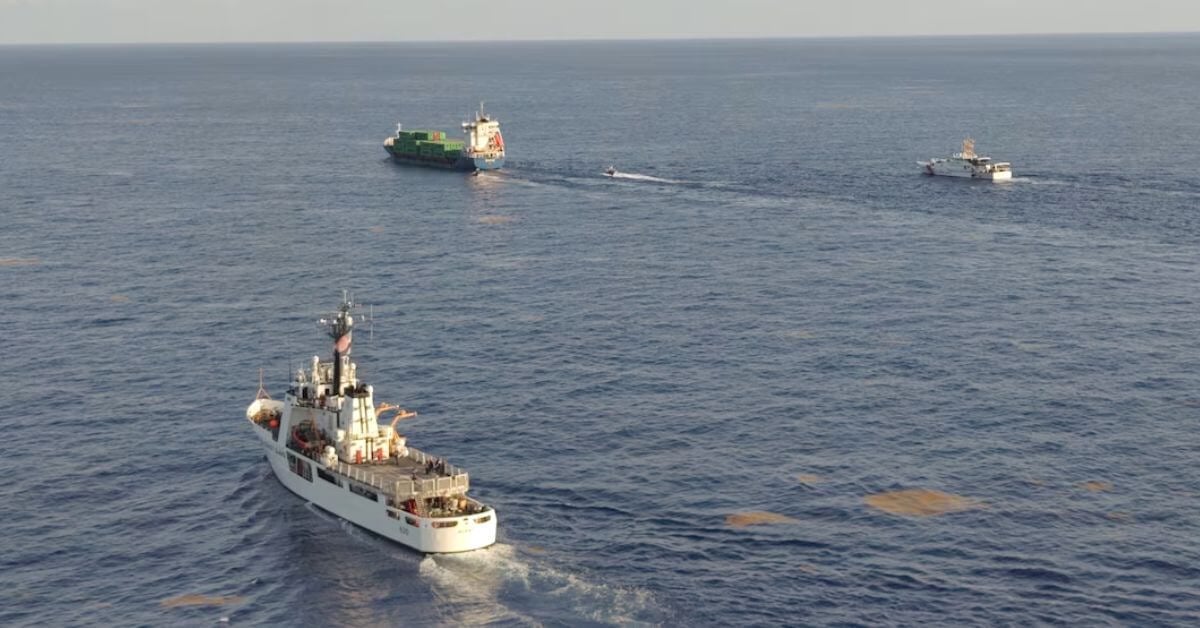
Enforcement action halts fuel shipment bound for Cuba in Gulf transit
The M/V Grace was intercepted mid-Gulf, its fuel shipment halted en route to Cuba by a targeted enforcement action. Coast Guard personnel boarded the vessel between Cuba and Mexico before diverting it to Mexico. This is border enforcement with direct geopolitical stakes, no ambiguity, no delay. For those tracking how legal frameworks meet maritime realities, our piece *Closing the Gap in Transboundary Marine Protection Through Legal Innovation* examines precisely how governance adapts when jurisdiction shifts at sea.
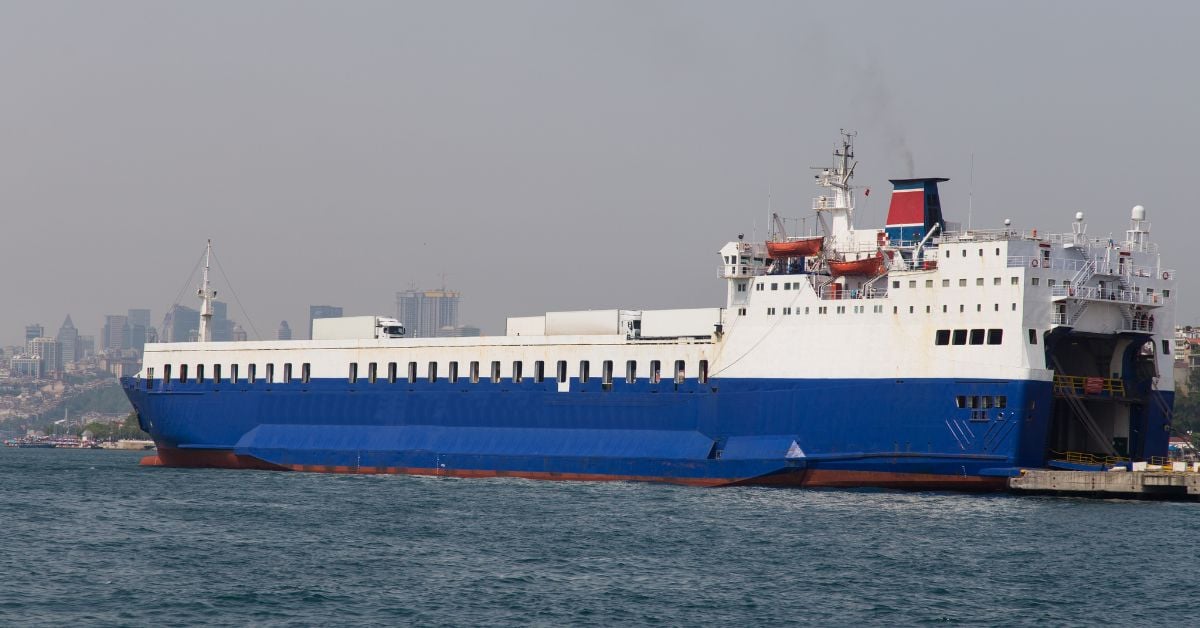
Mercedes-Benz Cargo Vessel Grounded in Düsseldorf Harbour Disrupts Rotterdam Route
A cargo vessel carrying Mercedes-Benz vans has grounded in Düsseldorf harbour, disrupting a key route to Rotterdam. Such incidents, while localized, ripple through supply chains that depend on precise maritime logistics. This is not a crisis, but a measurable disruption, one that underscores the fragility of integrated transport networks. For broader context on maritime vulnerabilities, our coverage of the "Fatal Attack on Cargo Ship Highlights Black Sea Shipping Risks" examines parallel threats to global shipping security. Understanding these patterns drives better preparedness.
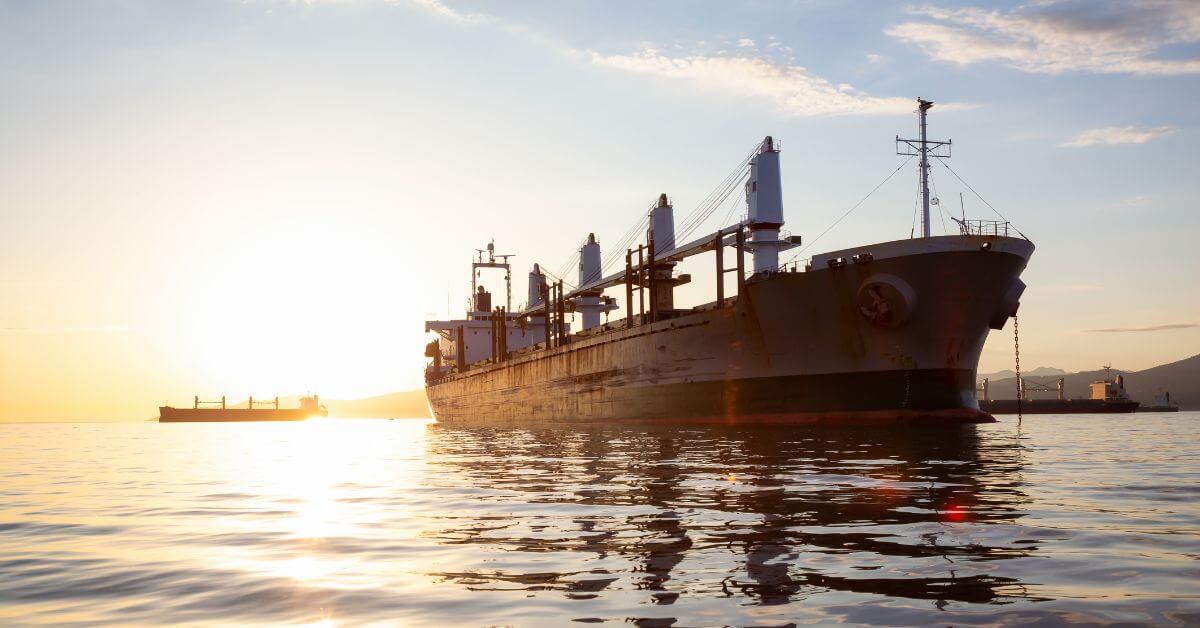
Strikes on Odesa Port Underscore Broader Maritime Security Risks
Russian forces claim to have struck four military storage sites and a cargo ship carrying military and dual-use goods to Odesa. These strikes on a major Ukrainian port are not isolated incidents; they signal escalating risks to maritime security in the region. Measurable threats to commercial shipping demand empirical monitoring. Our related report, "Strikes Target Ports and Vessels in Confirmed Military Action," offers deeper coverage. Understanding these patterns drives protection of global trade routes.
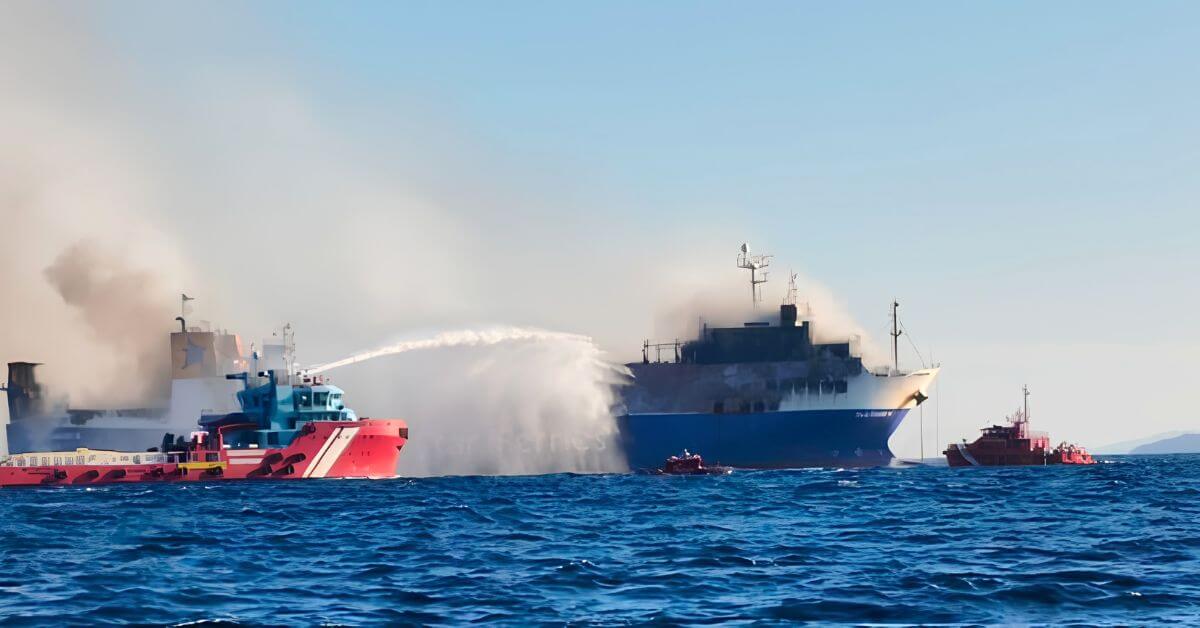
Cargo Ship Fire Prompts Evacuation Near Mykonos; Incident Under Investigation
A fire aboard a Greek-flagged cargo ship north of Mykonos on September 25 forced all 29 crew members to evacuate, a stark reminder that maritime emergencies remain an ever-present test of preparedness. The incident, now under investigation, underscores how quickly operational stability can shift to crisis. For those tracking such risks, the recent *Fatal Attack on Cargo Ship Highlights Black Sea Shipping Risks* offers a sobering parallel.
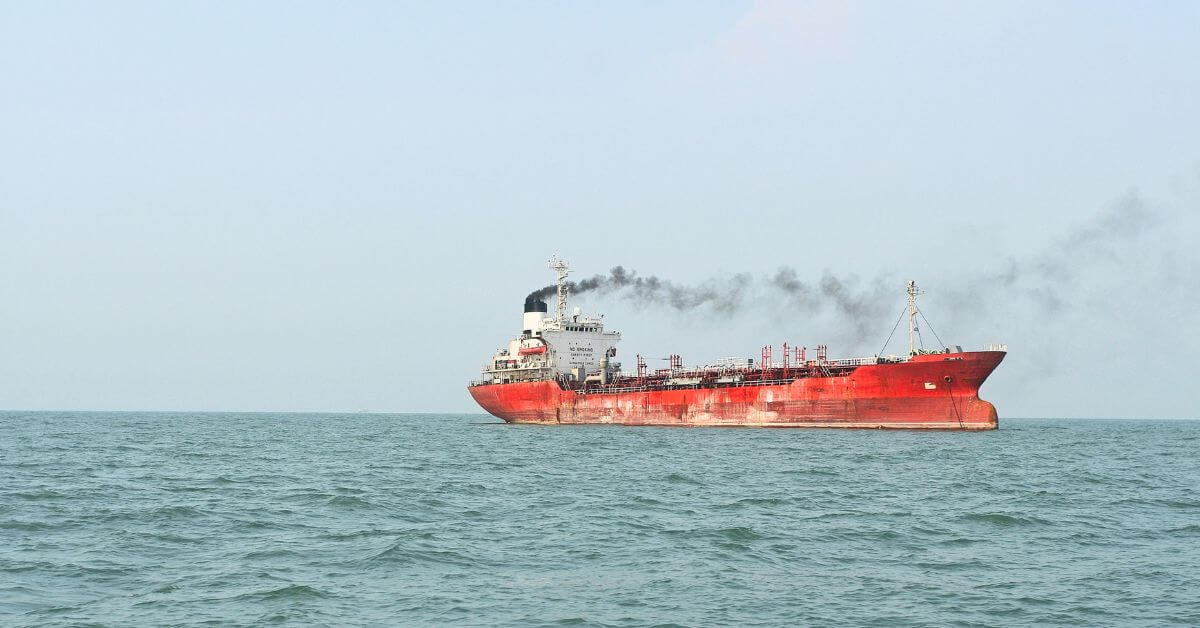
Fatal Attack on Cargo Ship Highlights Black Sea Shipping Risks
The attack on a cargo ship sailing under the flag of Antigua and Barbuda, reported Sept. 23 by the Ukrainian Sea Port Authority, sharpens the profile of risk in Black Sea shipping. This is not an isolated incident but a measurable indicator of a waterway under strain. We track these incidents because each one validates the need for integrated maritime data.
Somali Navy Rescues Crew After Cargo Ship Runs Aground
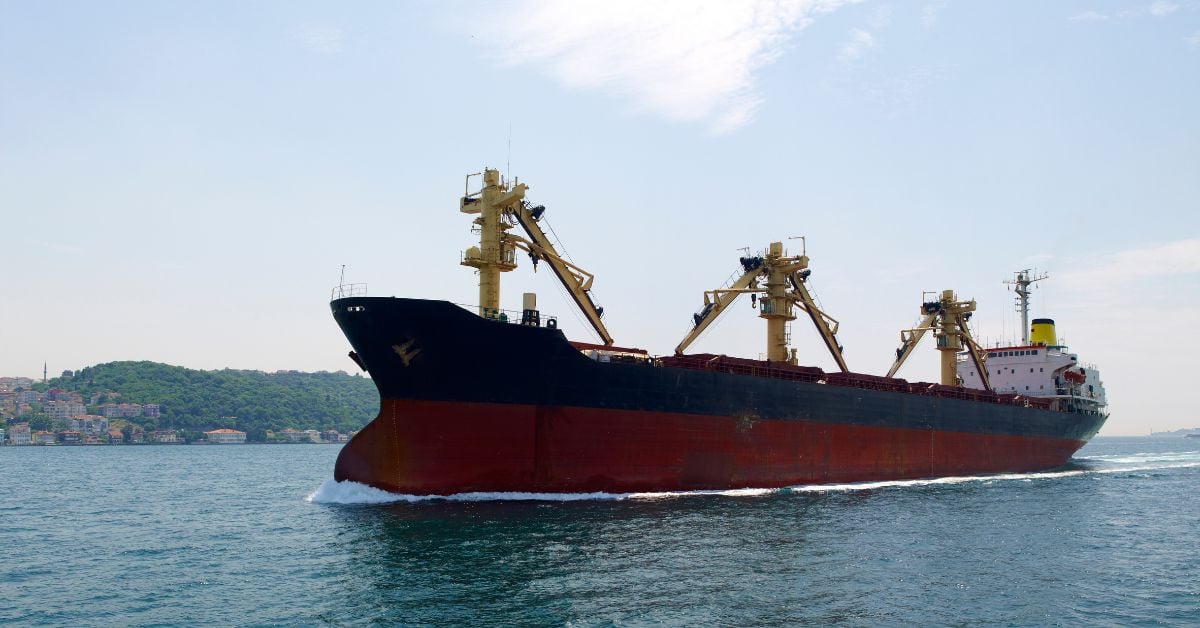
Water entered part of a cargo ship off Somalia's coast, and the Somali Navy moved in to rescue the crew. The Ministry of Ports and Maritime Transport confirmed on September 17 that it was monitoring the vessel. This is what effective maritime response looks like: swift, coordinated, and grounded in operational reality. Every incident like this sharpens our understanding of risk at sea. For broader context on regional shipping dangers, our report on the fatal attack in the Black Sea offers a sobering comparison.
Body of Captain Recovered Following Sea of Marmara Collision
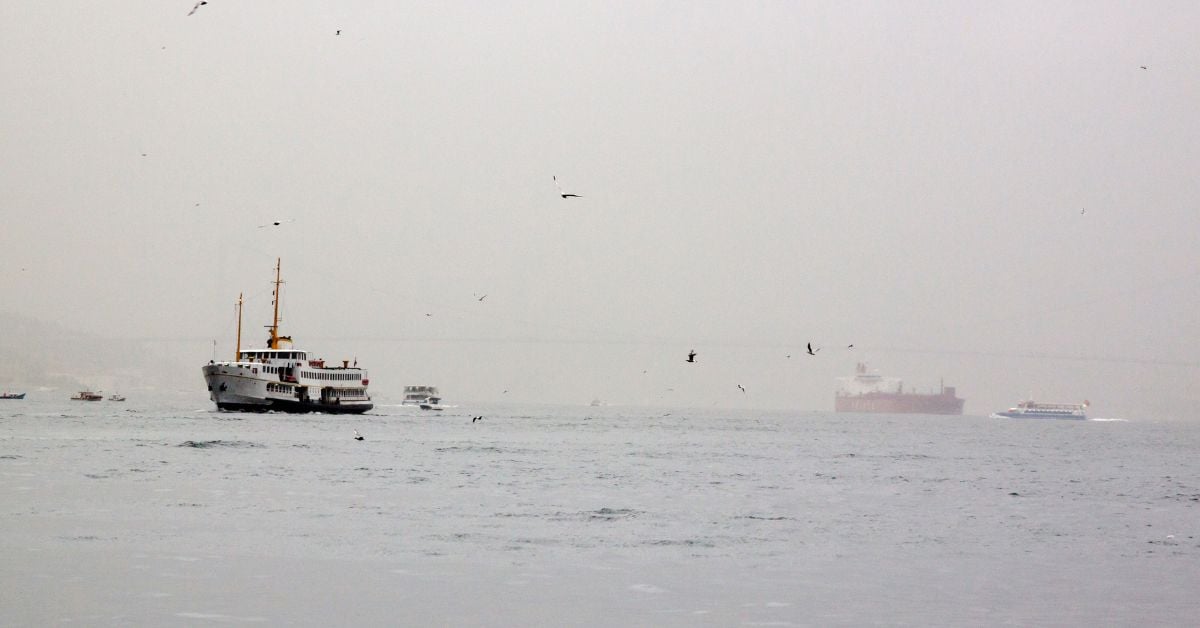
The recovery of Yaşar Kayhan's body, found five kilometers from the Sea of Marmara collision site, brings a somber closure to a search that began with uncertainty. Now transported to the forensic department, the focus shifts to determining the cause of death with empirical precision. This incident underscores the inherent risks of maritime operations, where every voyage carries measurable stakes. For deeper context on regional maritime dangers, our coverage of the fatal attack on a cargo ship in the Black Sea highlights similar vulnerabilities.
China Investigates Qingdao Shipyard Fire; Safety Protocols Under Review.
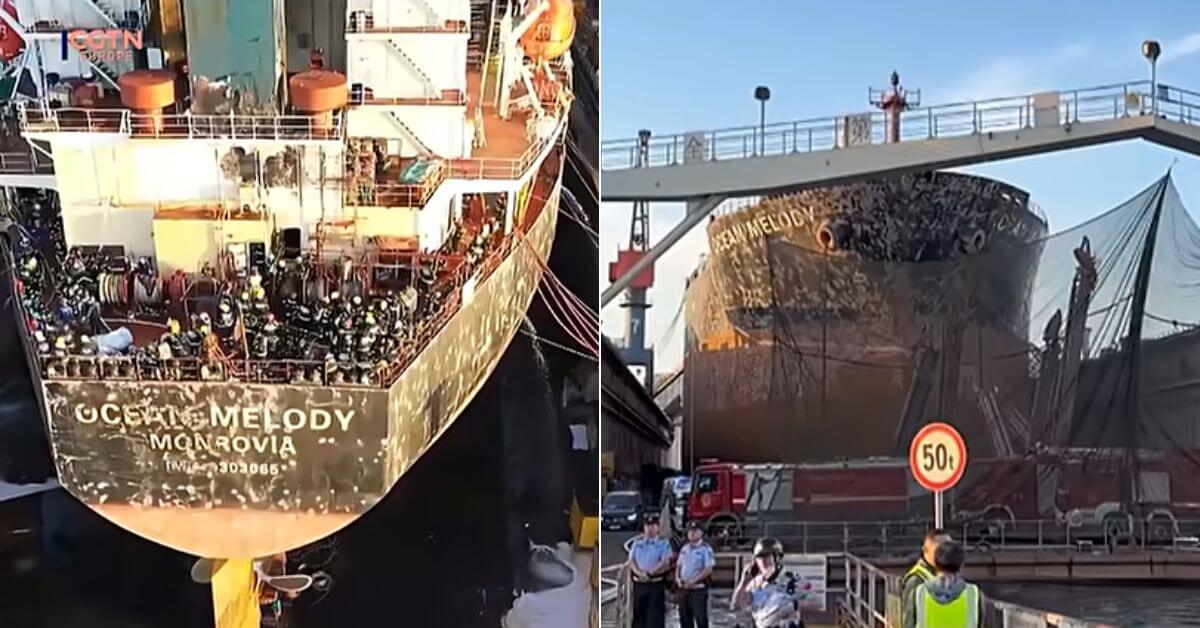
A fire at a Qingdao shipyard has triggered a formal investigation, led by the Ministry of Emergency Management with support from the Ministry of Industry and Information Technology. Safety protocols are now under review, a response that reflects the rigor such incidents demand. Fires at sea and in port remain a persistent threat, as our coverage of the Mykonos cargo ship fire reminds us. Measured scrutiny is the only credible path forward.
Search Intensifies as Ferry Sinking Leaves 140 Missing in Java Sea
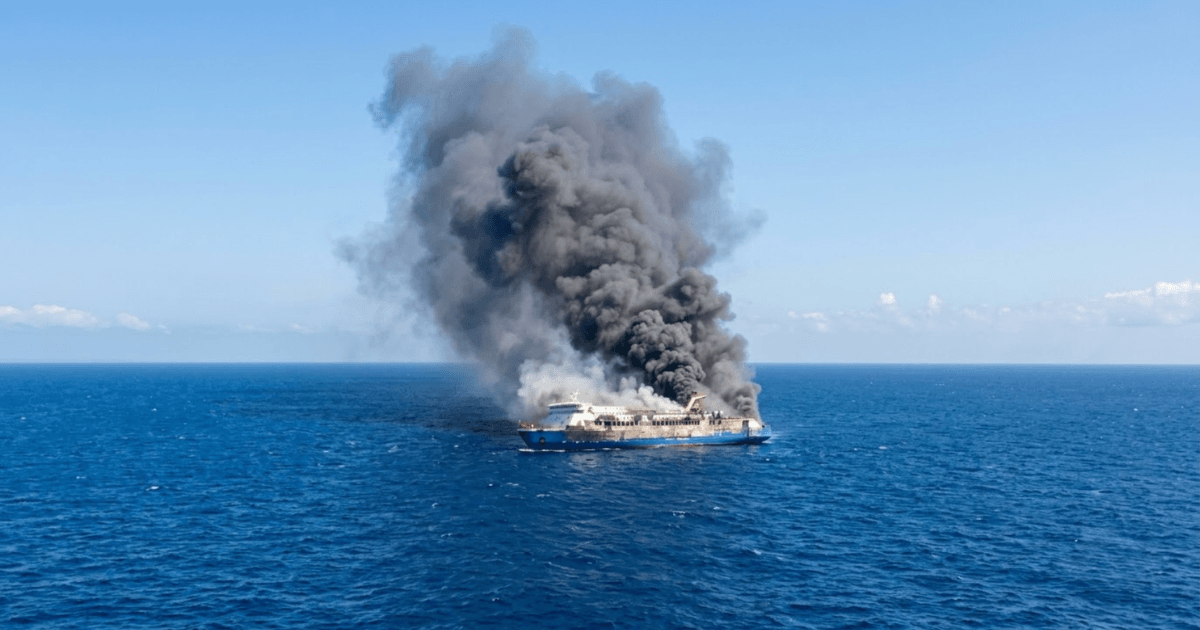
A ferry lost contact in the Java Sea, leaving 140 people missing and one confirmed dead. Indonesian search teams have evacuated 103 of the 243 passengers aboard the *Virgo Transport 8*, but the operation intensifies as hours pass. Each maritime incident demands rigorous, empirical analysis to improve safety protocols. Understanding drives protection. For deeper context on recent shipping dangers, see our coverage of the cargo ship fire near Mykonos.
Crew Freed: Integrated Data Confirms Resolution of Somali Hijacking Incident
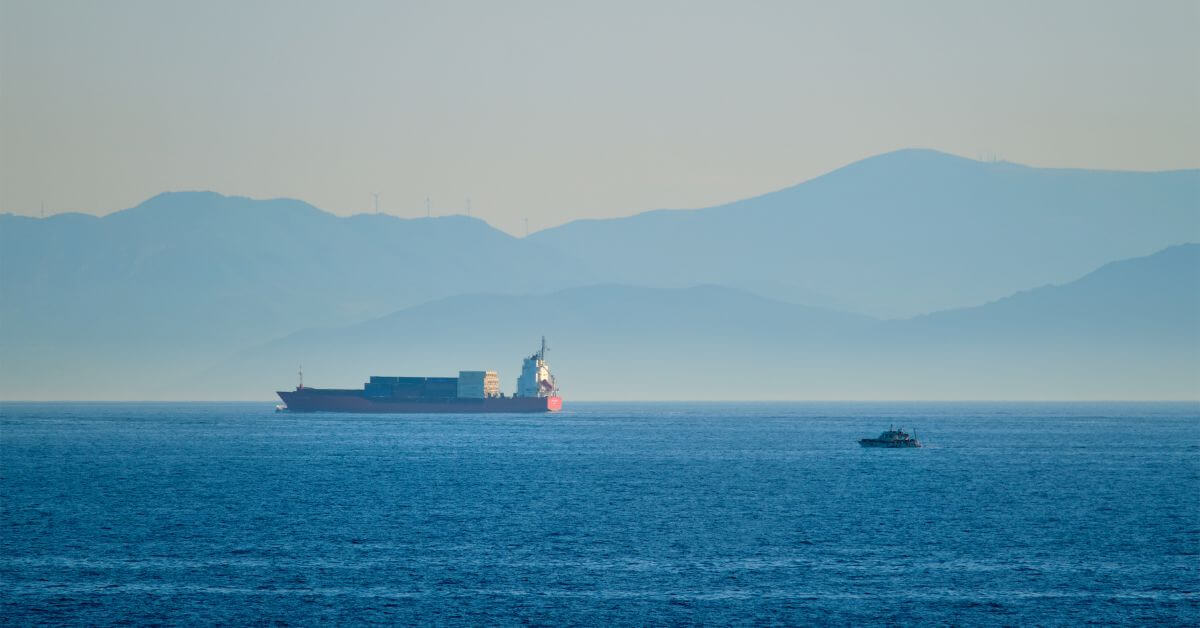
On April 26, Somali pirates seized a tanker carrying 15 Syrian and two Indian nationals. Integrated data ecosystems now confirm the crew's release, a resolution grounded in measurable, real-time intelligence. This outcome validates the power of empirical monitoring over alarmist speculation. Understanding drives protection, and here, it restored lives. For deeper context on regional interdiction efforts, see our coverage of "Puntland Forces Intercept Hijacked, US-Sanctioned Oil Tanker After 48 Hours." The ocean's security challenges demand calibrated, not sensational, responses.

Black Sea Attack Damages Tugboat, Claims Lives of Two Seafarers
A Black Sea attack has damaged the tugboat *Tedy* and claimed the lives of two seafarers, Ukraine's Ministry of Recovery, Infrastructure and Transport confirmed. This is a grim reminder that maritime conflict exacts a human toll beyond geopolitical headlines. Each casualty is a preventable failure of ocean stewardship. For broader context on Russia's maritime strategy, see our coverage of the Vostok Project's Arctic oil exports. Understanding these interconnected dynamics demands empirical, not emotional, analysis.

Fatal Fire Aboard Cargo Ship Ocean Melody at Qingdao Port
A fatal fire aboard the *Ocean Melody* at Qingdao Port is a stark reminder that maritime safety remains a work in progress. The 190-metre Liberian-flagged cargo vessel now sits at the centre of an investigation. Understanding such incidents demands empirical scrutiny, not alarm. For broader context on operational pressures at sea, readers may consult our coverage of the Gulf of Oman STS transfers. Validated data, not speculation, drives protection.
Subsea Cable Damage Trial: Finnish Court Considers Penalties for Ship's Crew
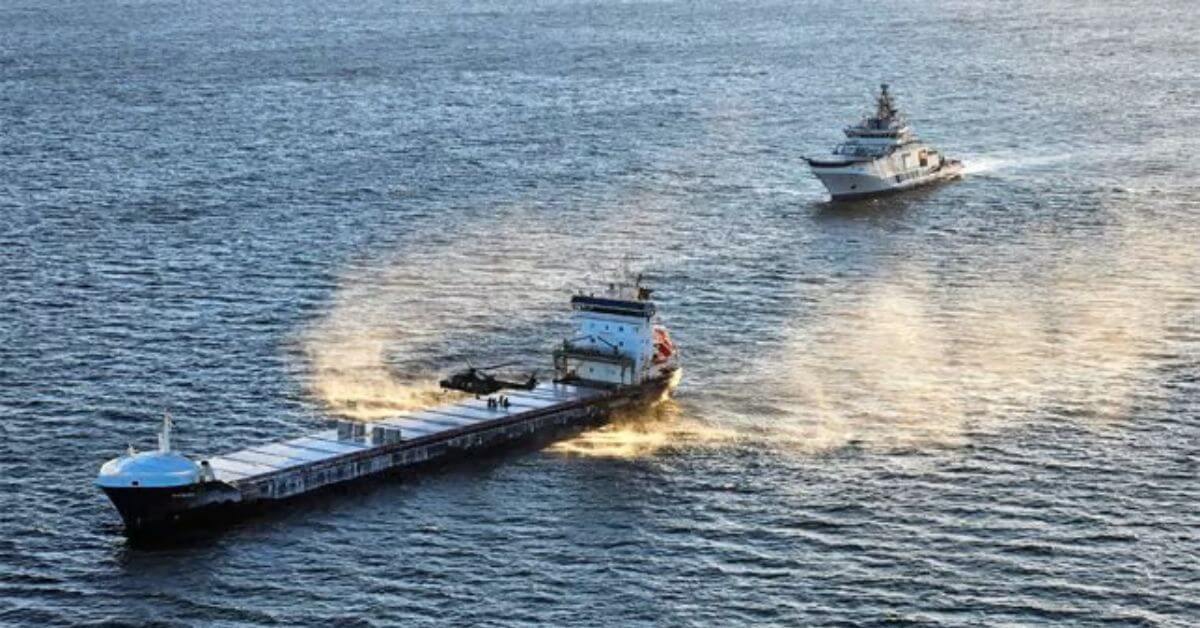
Prosecutors in Finland are seeking prison sentences of at least two years and six months for a ship's crew in a subsea cable damage trial. This case underscores the tangible legal consequences when critical ocean infrastructure is compromised. Validated accountability matters here. The proceedings reflect an integrated approach to protecting the data ecosystems that underpin global climate monitoring. For deeper context on the vessels involved in seabed operations, see our coverage of Van Oord's *Vindnes and Vestnes* new fallpipe vessels. Understanding drives protection.
Drones Strike Cargo Ship Linked to Russia Amidst Mediterranean Tensions
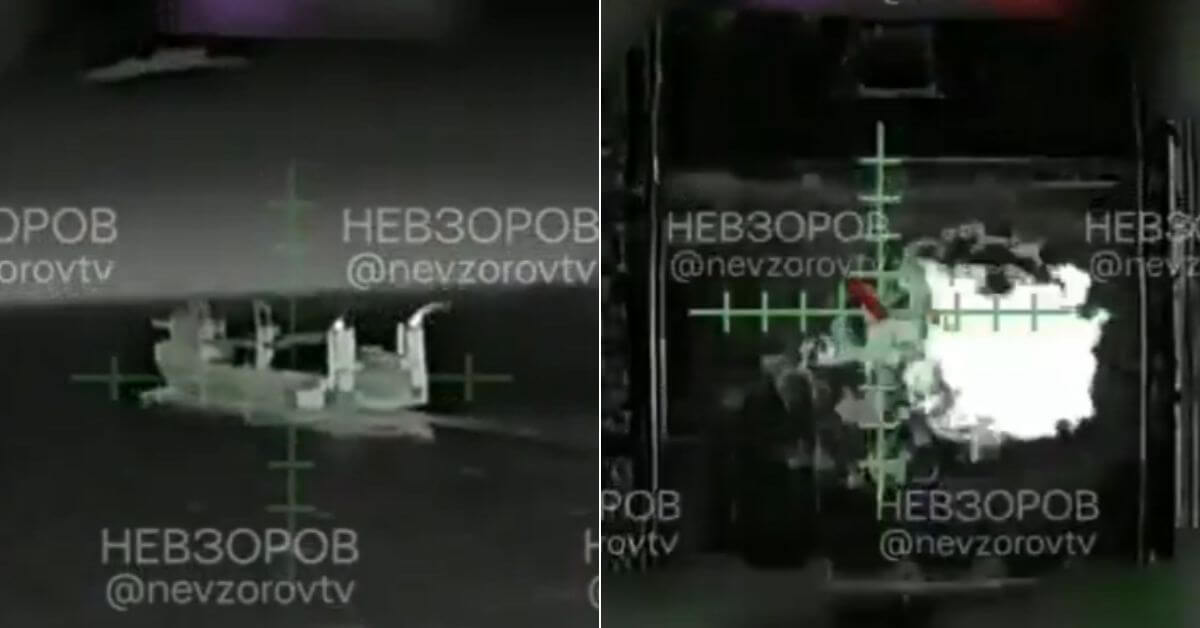
A drone strike has hit the cargo ship *Lady Mariia*, formerly *Stella-Maria*, after it departed Algeria's Oran port, injecting new volatility into Mediterranean shipping routes linked to Russian interests. This is not an isolated incident; it reflects growing maritime friction amid geopolitical realignments. For deeper context on Arctic energy pressures driving such tensions, see our coverage of the *Vostok Project's* oil exports. Understanding these interconnected threats is essential for assessing ocean security in a shifting global order.
Search Continues for Crew After Collision and Sinking Near Istanbul
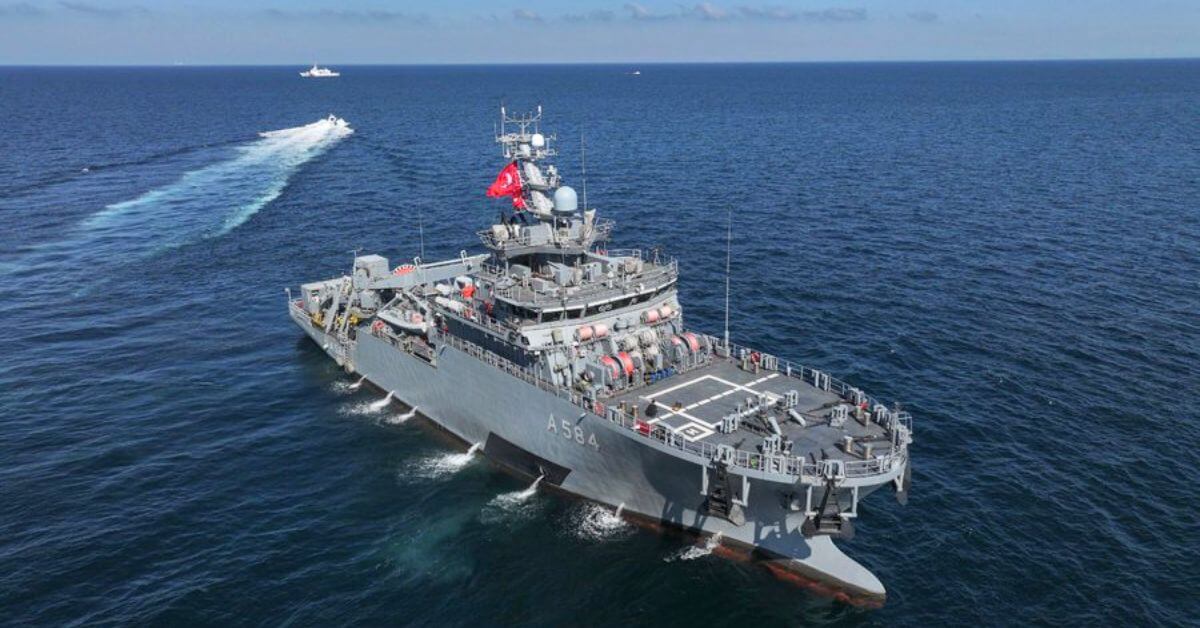
A collision in the dark hours near Istanbul has sent a search into motion. The Tugberk Imamoglu struck the Turkish-flagged Alsu at roughly 3 a.m. local time on Wednesday, Sept. 2, and crew members remain unaccounted for. The incident underscores how quickly maritime operations can shift from routine passage to response. For those tracking the human element of ocean intelligence, this is a sobering reminder that data and vigilance must always serve safety first. We continue to follow the search as it unfolds.
Collision Investigation: Captain and Officer Face Negligent Homicide Charges
The arrest of the ALSU's captain and 3rd Officer on negligent homicide charges marks a decisive turn in the collision's aftermath. Police acted with purpose, holding command accountable for a tragedy that demands answers. This is not about assigning blame prematurely; it is about measuring responsibility against empirical evidence. When lives are lost at sea, the standard must be exacting. For context on maritime risks, our coverage of the cargo ship fire near Mykonos underscores how quickly operations can escalate.
Container Spill Near Philippines: Coast Guard Responds, Monitors Ocean Impact
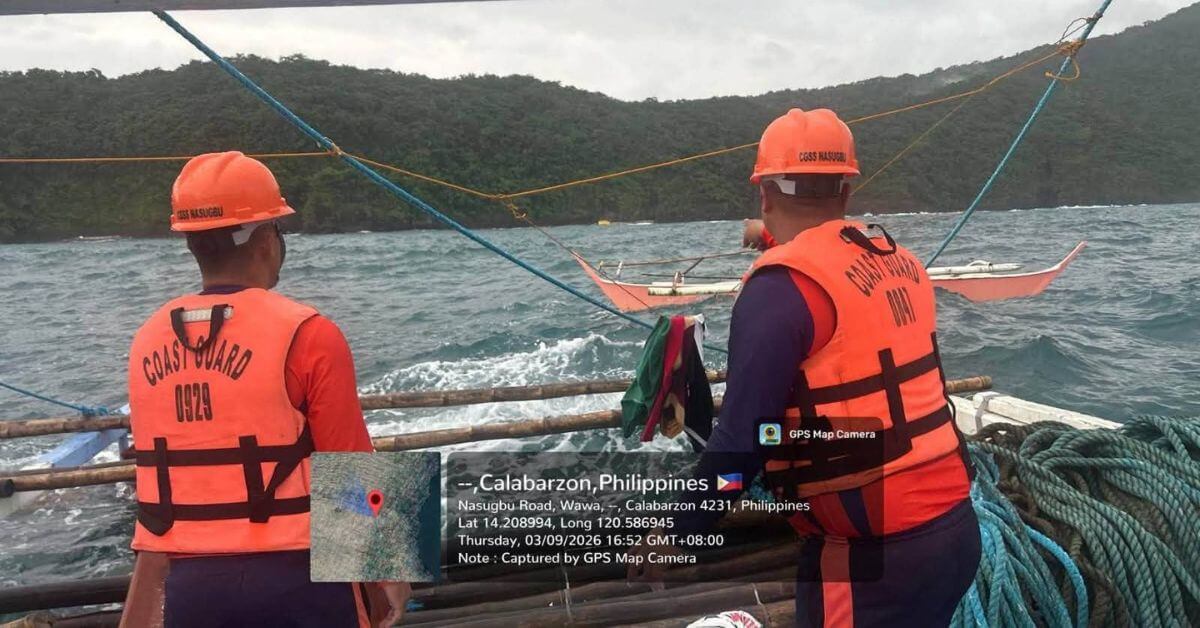
The Coast Guard has launched recovery operations after containers fell into the sea near Hamilo Point in Nasugbu, Batangas, with response teams now monitoring the ocean impact. Swift action matters here, though the scale of the challenge is considerable. Containers at sea are not just navigational hazards; they carry consequences for marine ecosystems that can outlast the immediate response. For deeper context on maritime incidents, our piece on the cargo ship fire near Mykonos offers a parallel look at how authorities handle unfolding emergencies.