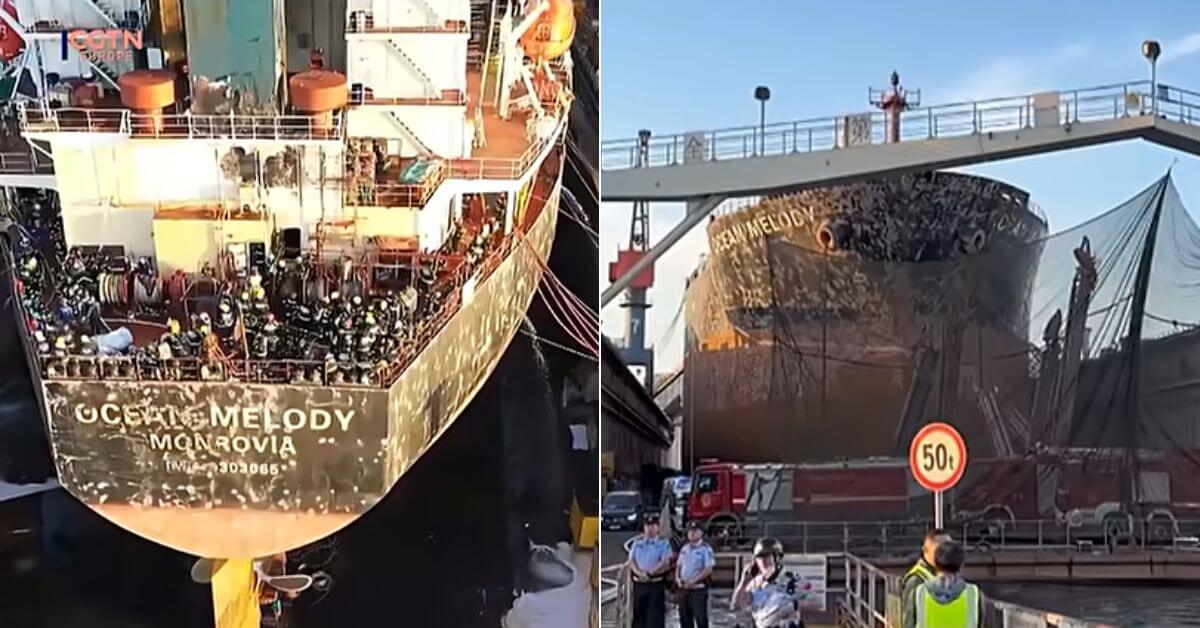
A fire aboard a cargo ship at the Qingdao shipyard, which killed 25 people, is now the subject of a formal investigation led by China's Ministry of Emergency Management, with the Ministry of Industry and Information Technology also involved. The review of safety protocols is the immediate priority, and that is where our attention should stay. This is not a moment for speculation about cause; it is a moment for methodical, evidence-based inquiry. The incident echoes other recent maritime emergencies, such as the Cargo Ship Fire Prompts Evacuation Near Mykonos; Incident Under Investigation, where 29 people safely abandoned ship, and the Fatal Attack on Cargo Ship Highlights Black Sea Shipping Risks, which underscores how geopolitical tension compounds operational danger. Each event is distinct, but together they form a pattern: the margin for error at sea and in port is shrinking, and the cost of failure is measured in lives.
Our take is direct: this investigation must be treated as a source of actionable data, not a public relations exercise. The presence of two central ministries signals that the Chinese government recognizes the systemic implications of a shipyard fire of this scale. For our readers, particularly those managing fleets, shipyard contracts, or port operations, the practical question is not who is to blame but what calibrated changes will emerge from the review. Will we see stricter enforcement of hot-work permits, better ventilation standards for enclosed spaces, or more rigorous crew training for fire response? These are the measurable, peer-reviewed outcomes we should demand. The Submerged Fishing Vessel Located, Human Remains Identified case reminds us that maritime incidents often leave enduring questions, and closure can take years. But a fire in a controlled shipyard environment is different; it is preventable, and the protocols that govern it are within our collective ability to improve.
What we would tell a reader who asked us about this story is simple: do not wait for the final report to act. Review your own safety procedures against the known risks of fire on vessels under repair. The investigation will produce empirical findings, but the data you need most, your own crew's training records, your own shipyard's inspection logs, is already available. The Ministry of Emergency Management's leadership suggests a focus on national standards, which could lead to new compliance requirements for both Chinese and foreign operators. That is a concrete consequence to watch. The takeaway worth quoting is this: *A shipyard fire is a failure of process, and the only meaningful response is a recalibration of that process, not a search for a single scapegoat.* Keep your own house in order, and treat this investigation as a preview of the scrutiny that could come to any operation, anywhere. The ocean has a long memory, and so should we.